Category Solar 101

BC Solar Modules, Flexible Panels & Custom Solutions from China

what is the most durable flexible solar panel

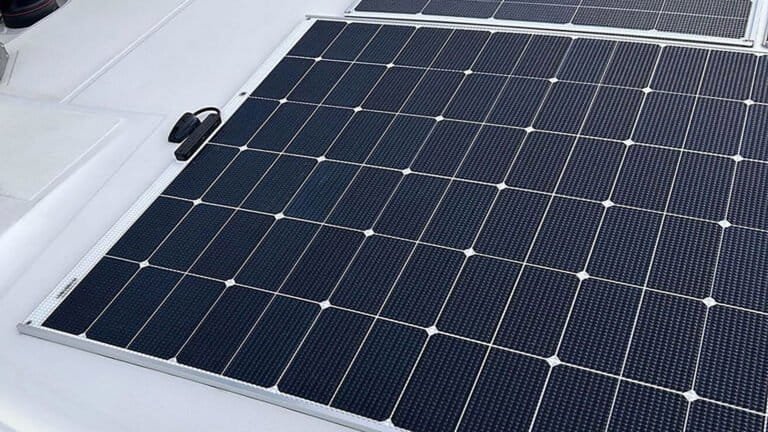
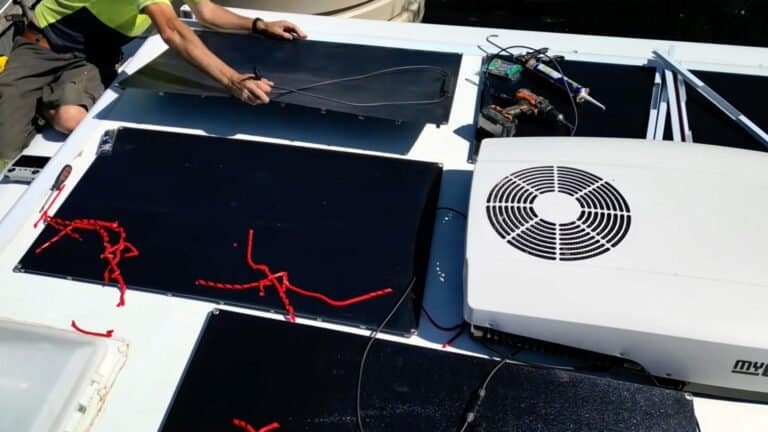
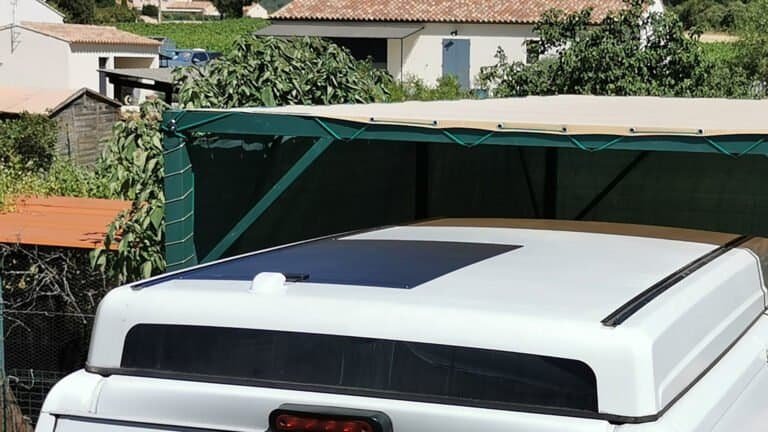
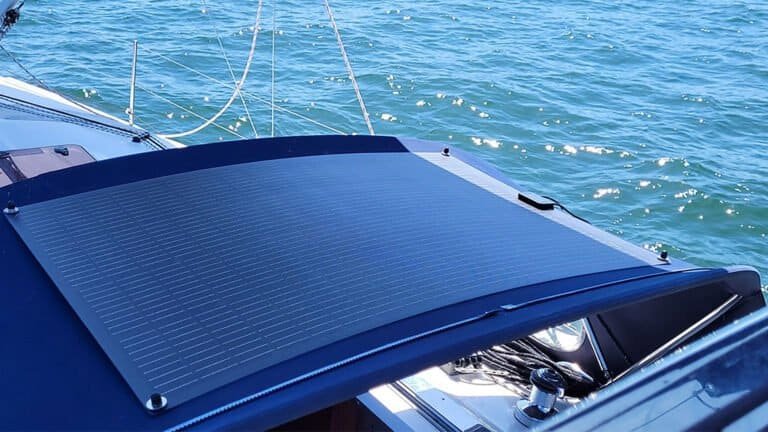
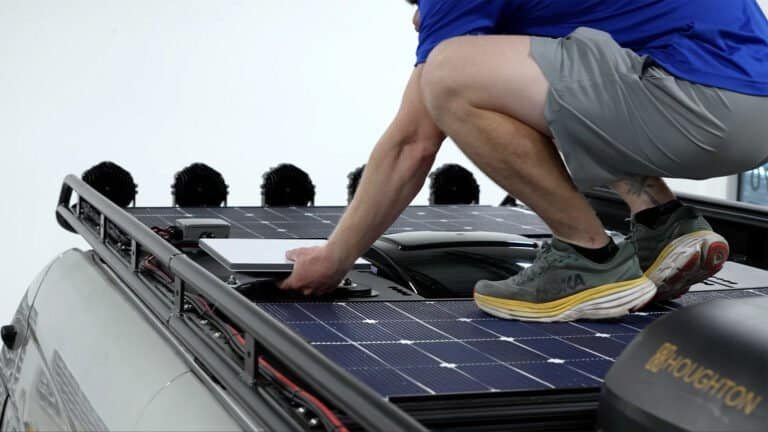
Most tier-1 BC solar manufacturers focus on large-format rigid modules for utility and rooftop markets. That leaves marine brands, RV accessory companies, off-grid integrators, and IoT hardware makers underserved. HPBC flexible panels — lightweight, bendable, MC4-compatible — fill exactly that gap. This guide covers where to source them, what specifications to demand, and more before placing any order.

Back-Contact vs. Shingled Solar: Which Is Better?

solar module OEM manufacturer Zhejiang

Shingled solar panels contain a hidden durability risk that most comparison guides ignore: the electrically conductive adhesive bonding their cell strips degrades under damp heat and freeze-thaw cycling — conditions routine across northern and central Europe. This guide explains why the ECA failure pathway matters, how BC back-contact panels eliminate it, and what it means for 25-year installations.

BC Flexible Solar Panels: 7 Industrial Applications, TCO Analysis, and Sourcing Guide

Flexible solar panel is not a single product category. CIGS thin-film, front-contact PERC, and back-contact (BC) monocrystalline modules all carry the label — with materially different efficiency, durability, and degradation profiles. This sourcing guide covers seven commercial applications for BC/ETFE panels, explains the ETFE vs. PET front sheet decision, and includes procurement mistakes that regularly cost EU buyers money.

UK Plug-In Solar Boom: Practical Implications for Residential Solar Roof Tile Installers

best balcony solar panel manufacturer in China

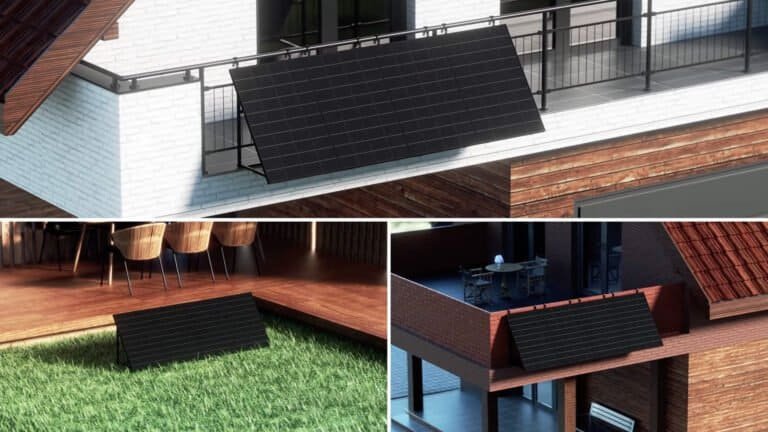
Plug-in solar panels are heading to UK supermarket shelves in 2026 — and that changes everything for rooftop installers. New building regulations, a £15bn government investment plan, and a fast-growing BIPV market are creating the most favourable conditions in a decade. Here's how residential solar roof tile installers can turn this policy wave into a pipeline of profitable jobs.

Flexible Solar Panel Weight Comparison: ETFE vs Rigid, by Wattage (2026)

Flexible Solar Panel Weight Comparison: ETFE vs Rigid, by Wattage (2026)

Not all lightweight solar panels are built the same. ETFE front sheets last 10–20+ years; PET yellows within three. Back contact cells eliminate the primary site for crack initiation; EVA encapsulant doesn't cushion it. This fact-checked guide covers real weight data from Couleenergy's CLM catalog, the engineering behind premium 9-layer construction, and four questions every buyer should ask before committing to a supplier.

DLI, Cell Technology, and the Shading Ceiling: What Every Agrivoltaic Procurement Team Should Know in 2026

Transmittance percentage tells you how much light passes through a panel. It does not tell you how much photosynthetically useful light reaches the crop canopy. Daily Light Integral — DLI — is the number that determines whether a crop meets its growth threshold. Specifying transmittance without specifying cell technology is an incomplete procurement order. Here is what the research shows.

Will Back-Contact Solar Panels Dominate the EU Residential and BIPV Market?

Switzerland is not the EU — and this article says so. But it is the most structurally comparable rooftop-dominant solar market we have current data for, and it moved from near-zero to 50%+ BC market share in two years. We examine what drove that shift, what slows the EU transition by comparison, and what the evidence suggests for distributors, installers, and BIPV developers preparing their product strategy.

en_USEnglish