Couleenergy

Couleenergy

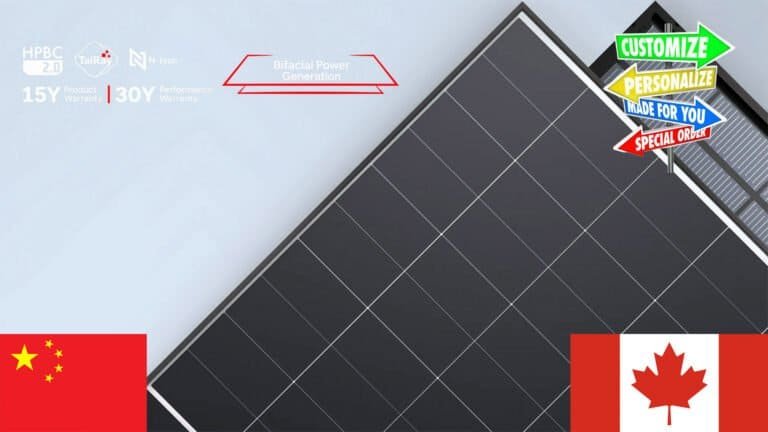
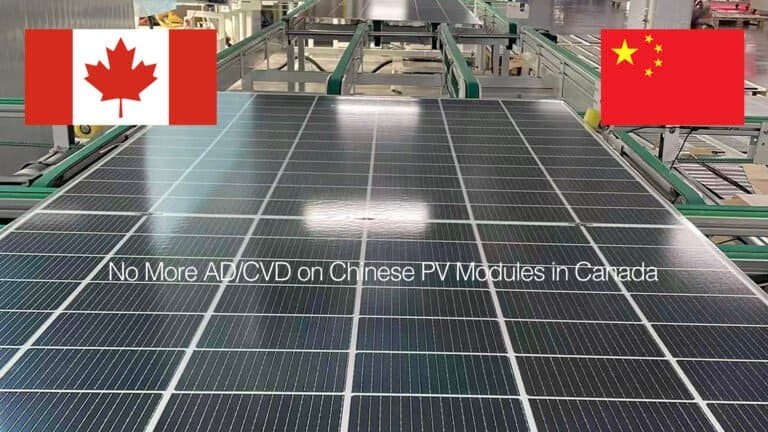
Meet Couleenergy - Your Trusted Partner for Custom Solar Solutions! Since 2016, we've designed and manufactured tailor-made solar products for hundreds of businesses worldwide. From small specialized panels to massive solar farms, we bring your ideas to life in our state-of-the-art facility in China. Why choose us for your custom solar needs? 1. We design and build exactly what you need - any size, shape, or power output 2. Our manufacturing plant can produce 200MW of custom panels monthly 3. Every panel is tested and matches international standards (IEC, CE, MCS, UL, CEC, ISO, etc.) 4. Our panels power businesses in over 39 countries, from tech giants to local farms. Our custom solutions include: 1. Solar panels built to your exact specifications 2. Special-sized panels for unique spaces and applications 3. Complete power systems designed for your specific needs 4. Expert support from design to installation As an employee-owned company, every engineer and technician working on your projects is personally invested in its success. Our solar panels are built to last 25+ years, backed by comprehensive warranties and world-class support. Want to start creating your perfect solar solution? Contact our team (info@couleenergy.com, +1 737 702 0119) today for a free consultation! See our work in action: YouTube: https://www.youtube.com/@Couleenergy Facebook: https://www.facebook.com/couleenergy LinkedIn: https://www.linkedin.com/company/coulee/

How to Design a Flexible Solar Panel Around Your Product

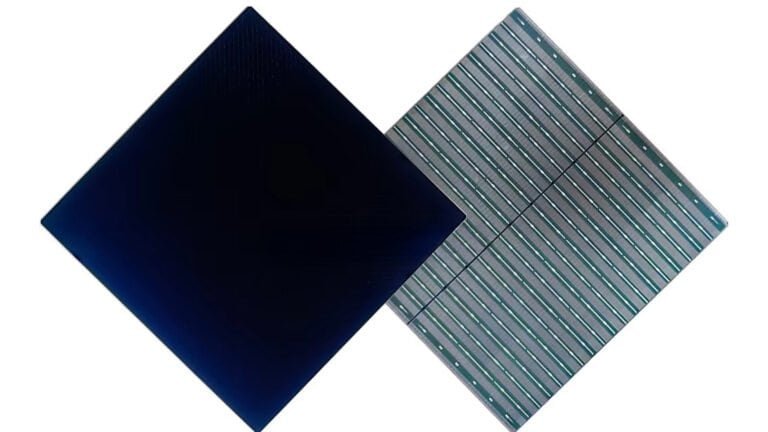
OEM lightweight flexible solar panel factory back contact cells

Wattage is what good design produces, not what starts it. A practical, source-checked guide to designing custom flexible solar panels around the product itself — covering voltage, outline geometry, bend radius, cell selection, lamination structure and the mounting decision most buyers overlook entirely.

Why Your Flexible Solar Panel Is Not Producing Its Rated Wattage

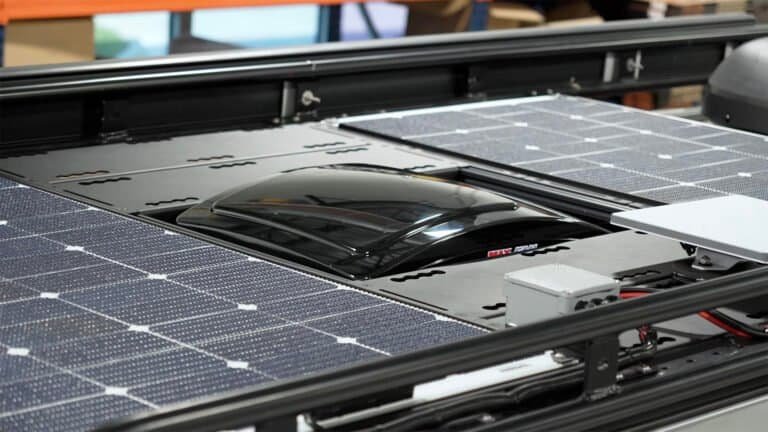
which flexible solar panel is best for RV

Your 200 W flexible panel reads 141 W at noon and you assume it is faulty. Usually it is not. Sunlight, heat, mounting angle, shade, wiring and the charge controller each take a share, and on a bonded panel heat takes the largest one. This guide shows the full arithmetic, sourced to published models, and separates normal loss from a real fault.

OEM BC Solar Modules at Low MOQ: HPBC 2.0 Dual-glass Bifacial 650W

650W Bifacial HPBC 2.0 Solar Panel Factory Couleenergy

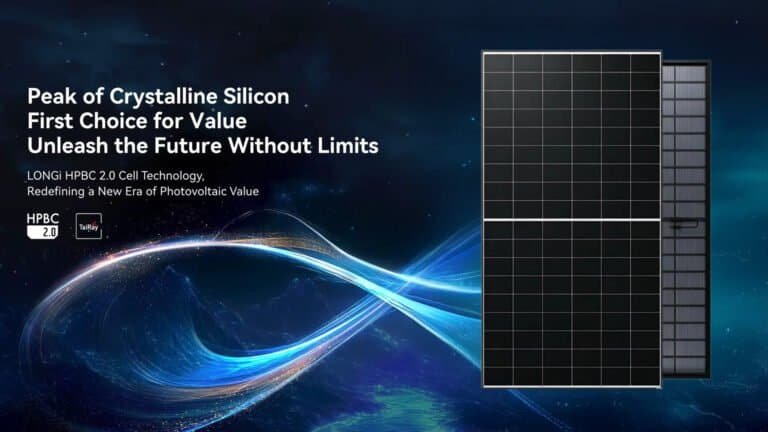
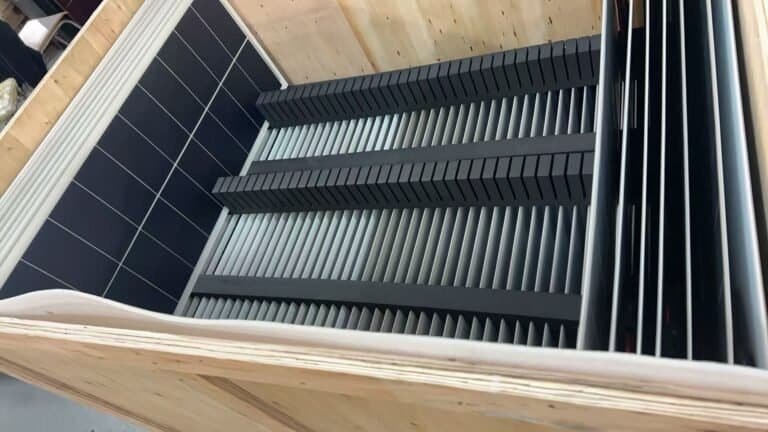
What can a few pallets actually get you? With 36 modules per pallet, one pallet provides roughly 23.6 kW of capacity — enough for several prosumer installations or a small commercial project. Two pallets can be a practical way to test a new module in your market before committing to full-container volumes. Couleenergy provides OEM and ODM engineering and manufacturing for HPBC 2.0 solar modules, with flexible order volumes to support market testing and project development.

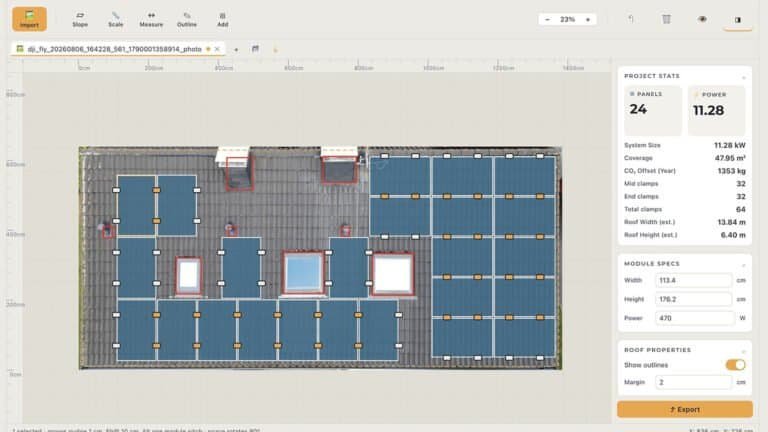
How Much Solar Power Can You Really Fit on a Curved Surface?

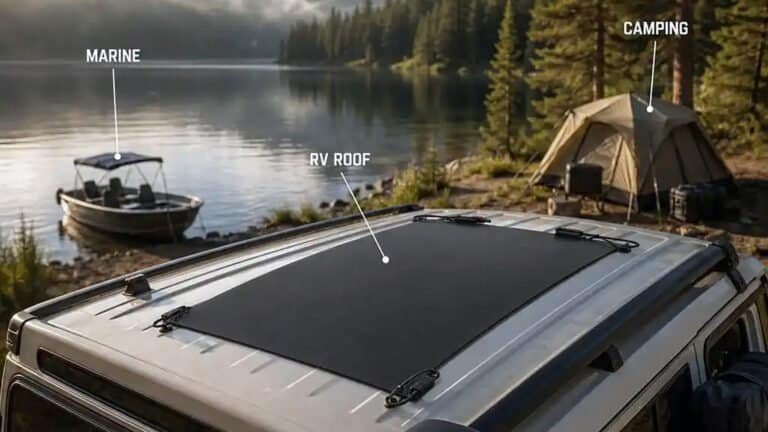
Suppliers often quote solar wattage using total roof area instead of usable area, and the gap between the two can be enormous. This guide breaks down the real math behind curved-surface solar sizing, from bend radius to cell geometry, so RV, boat and van builders can plan around numbers that actually hold up.

BC vs TOPCon Solar Module Prices: What the Premium Actually Is

Longi Hi-MO X10 LR8-66HVD 640~670M

There is no single back-contact premium. In commodity module segments BC runs about 9 to 10 percent above TOPCon, in China and FOB alike. In European residential all-black, the same technology carries a 64 percent premium. Nothing about the cell changes between those two numbers. The segment does. Here is what that means when you are pricing a job.

How to Choose the Right N-Type Monocrystalline Solar Panels

N-type ETFE Marine-grade solar module installed

"We need N-type mono panels, 200W, 12V, best price." One real specification in that sentence — the rest is habit. N-type describes wafer doping, not cell architecture, module efficiency, or fit. This guide walks through what to compare instead: application first, then architecture, power density, voltage, and construction. Cost comes last, because a panel that doesn't fit has no price worth quoting.

en_USEnglish