Category Solar 101

Navigate Rising Solar Cell Costs: Q1 2026 Pricing Analysis and Procurement Tactics

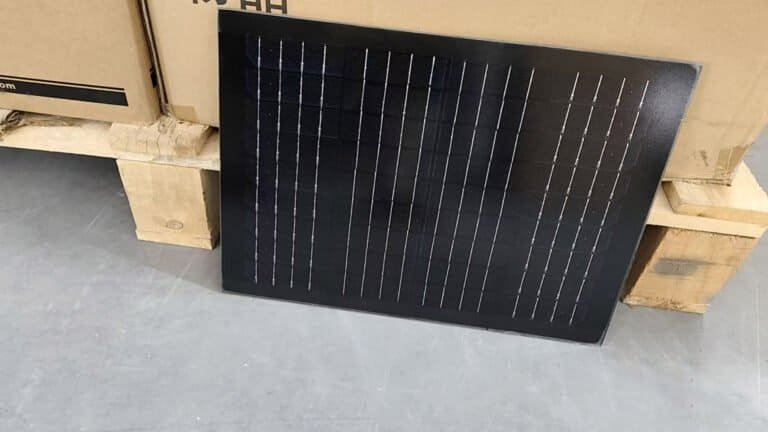
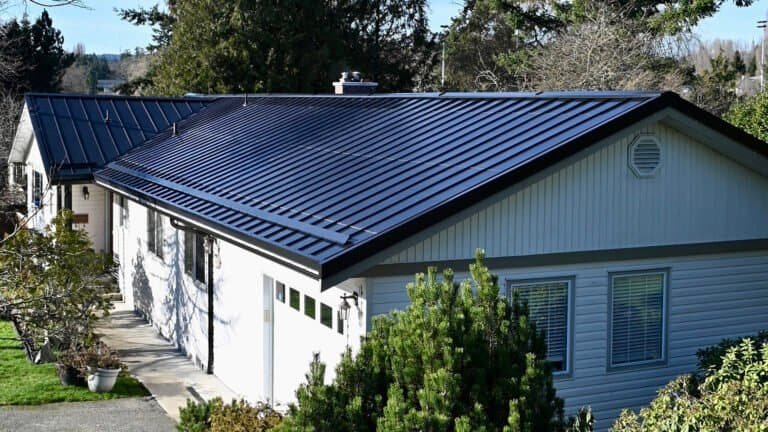
back contact all black solar modules on residential rooftops aesthetic look anti-glare surface

The solar industry entered 2026 facing unprecedented cost pressures. TOPCon cell prices jumped 41% in just three months, silver tripled to USD 84/oz, and China's VAT export rebate dropped from 13% to 9%—with further cuts expected in Q1. For procurement professionals, January-February 2026 represents a critical window to lock pricing before spring demand drives costs 10-20% higher.

China Cancels Solar Module Export Tax Rebates: What This Means for Your 2026 Solar Projects

Monthly solar module price forecast for 2026, showing the sharp increase after China cancels VAT export rebates on April 1, 2026

Beijing's decision to eliminate solar export VAT rebates tackles deep structural problems: massive oversupply, unsustainable pricing, and growing trade tensions. This policy forces industry consolidation while raising international module costs 10-15% through 2026. Our analysis covers the rationale behind China's shift, verified price forecasts, comparative regional impacts, and practical implications for solar project developers and procurement teams.

Back-Contact Solar Panels and Bespoke Solutions in Germany’s Residential Market

Manufacturer of back contact dual glass solar panels in China Couleenergy

Germany's residential solar market increasingly demands customized solutions beyond one-size-fits-all installations. Back-contact solar panels, achieving 24-25% efficiency and 11% more lifetime energy than conventional systems, enable truly bespoke residential solutions. This comprehensive guide examines when BC technology makes sense, performance advantages in Germany's variable climate, economics, and realistic market outlook through 2030.

Back-Contact Dual-Glass Solar Modules in Norway

OEM custom Back Contact solar panels

This comprehensive analysis examines back-contact dual-glass solar panels for Norwegian residential installations. BC technology solves seven critical challenges facing installers: partial shading, glare complaints, aesthetic restrictions, hot-spot failures, limited roof space, poor winter performance, and accelerated coastal degradation. With Norway's 30 TWh rooftop potential and NOK 9,500-47,500 government subsidies per installation, BC panels command premium pricing in heritage districts and complex residential applications.

Why There’s No “Best” Solar Panel in 2026—And What to Choose Instead

Solar Panels 2026: How BC Technology and Custom Solutions Are Changing Everything

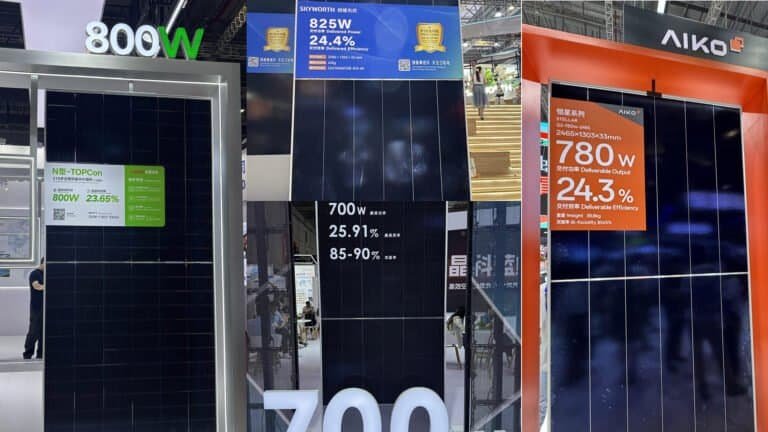
Solar efficiency has hit 25%+ with LONGi and Aiko breaking records in 2025, but there's no single "best" panel. The right choice depends on your specific application—from standard TOPCon for simple installations to premium back contact for limited space, hot climates, or shade challenges. For RVs, boats, and architectural projects, custom solutions become essential. Learn which technology matches your needs.

UK Residential Solar Installation Business Report 2025-2030

This comprehensive market intelligence report analyzes the UK solar installation sector's transformation through 2030. Covering the 2027 Future Homes Standard, £13.2B Warm Homes Plan, grid connection reforms, workforce challenges, and business strategies by installer size, it provides actionable insights for companies planning growth in a market set to double.

Why Butyl Edge Seal + POE Is Non-Negotiable for Frameless Double Glass Solar Panels

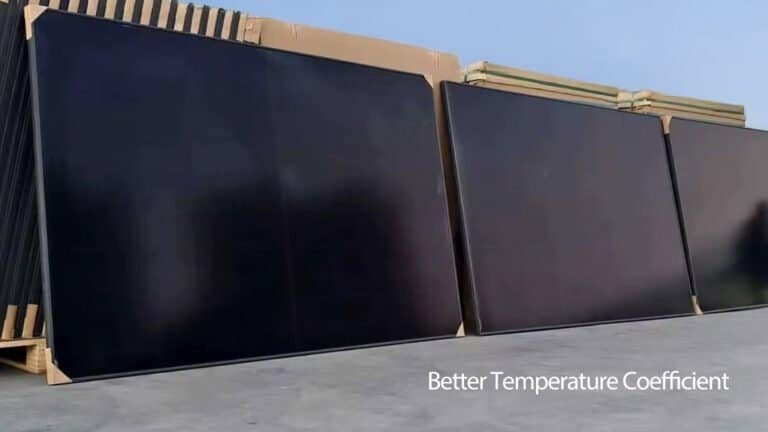
Do frameless panels need edge sealing? Absolutely. Without aluminum frame protection, glass edges face direct exposure to wind-driven rain, salt spray, and humidity. Testing shows frameless modules without butyl seal experience 2-3× faster moisture ingress and catastrophic failures within 15 years. With proper edge sealing plus POE encapsulant, modules maintain reliable operation for 30+ years—even in coastal and tropical environments.

What is the Common ROI for Solar Photovoltaic Roofing Tiles in Europe?

Traditional solar panels deliver superior ROI in Europe: 7-12 year payback versus 15-24 years for tiles. But solar tiles make financial sense when replacing aging roofs (effective payback drops to 8-14 years), in historic districts with planning restrictions, or where aesthetics justify the 80-100% cost premium. This honest analysis covers Germany, Italy, Spain, and France with verified 2025 data.

en_USEnglish