Category Back Contact Solar Panels

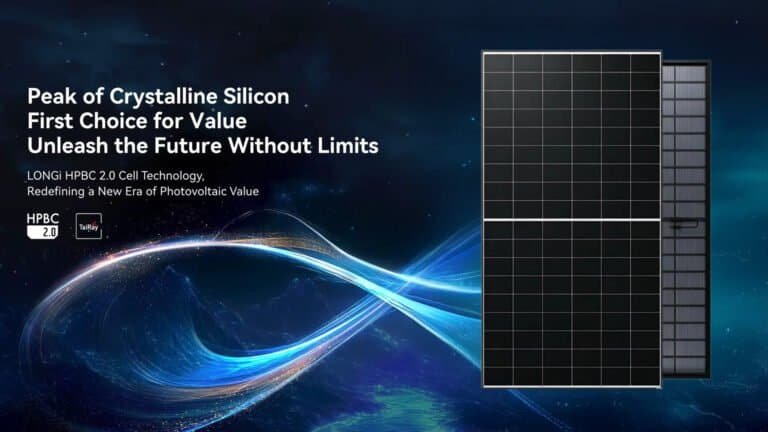
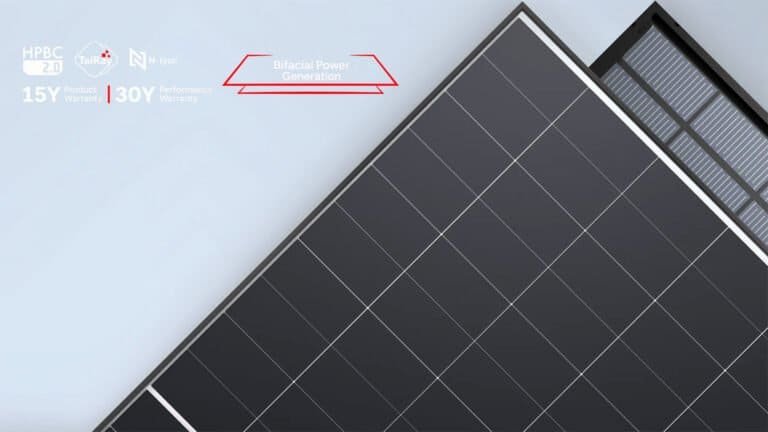
OEM BC Solar Modules at Low MOQ: HPBC 2.0 Dual-glass Bifacial 650W

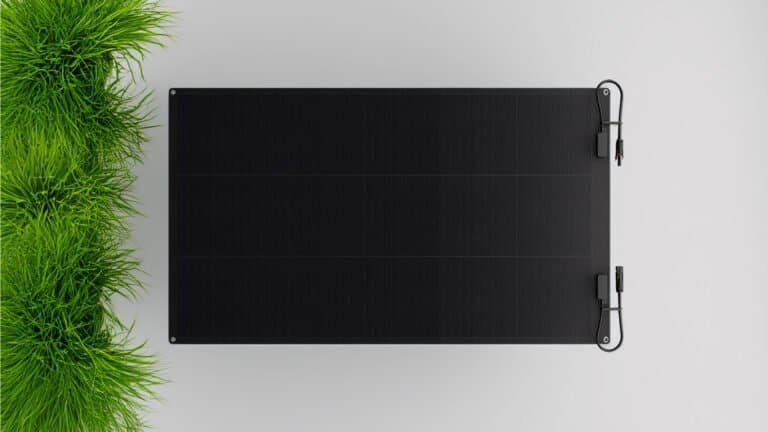
650W Bifacial HPBC 2.0 Solar Panel Factory Couleenergy

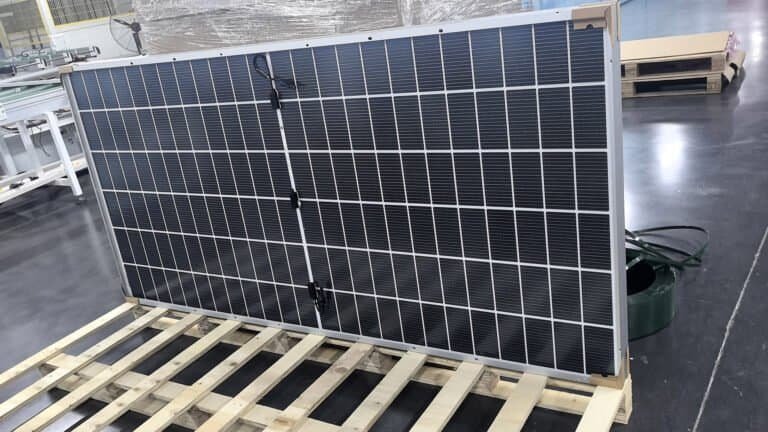
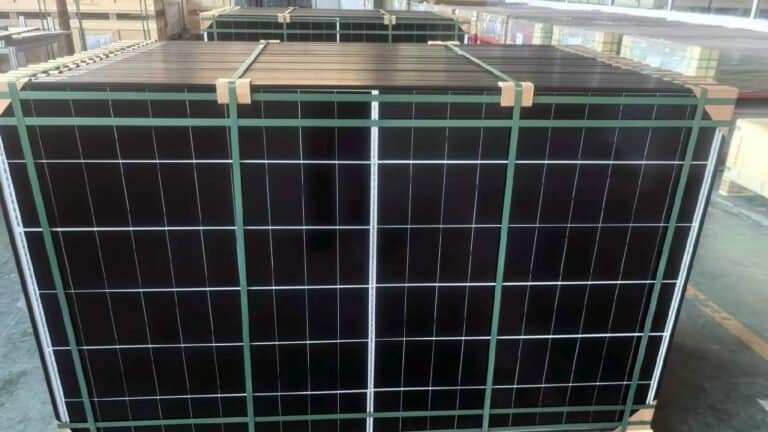
What can a few pallets actually get you? With 36 modules per pallet, one pallet provides roughly 23.6 kW of capacity — enough for several prosumer installations or a small commercial project. Two pallets can be a practical way to test a new module in your market before committing to full-container volumes. Couleenergy provides OEM and ODM engineering and manufacturing for HPBC 2.0 solar modules, with flexible order volumes to support market testing and project development.

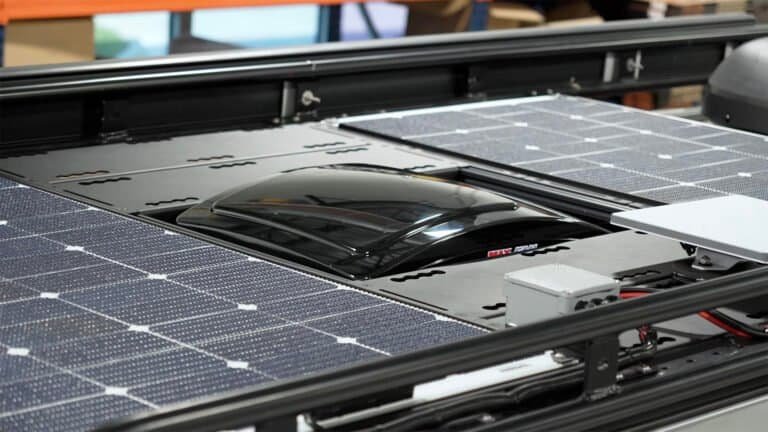
Vehicle-Integrated PV and Shading Loss: What a 200-Truck Field Study Proved — and Why Back-Contact Solar Changes the Equation

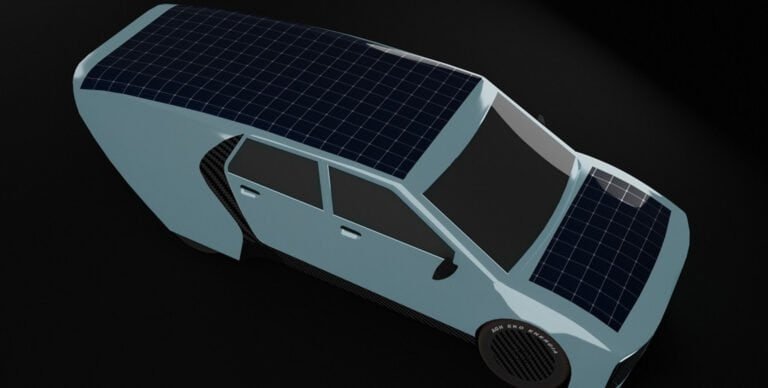
Back-contact VIPV modules based on glass fiber-reinforced composite sheets

A 200-truck Japanese field study confirmed that vehicle-mounted solar surfaces receive approximately 70% of horizontal irradiance under real driving conditions. That is not a module-technology problem — it is a geometry problem. But how efficiently the remaining 70% is harvested under moving, partial shade is a module-technology problem. That is where back-contact solar earns its place in fleet specifications.

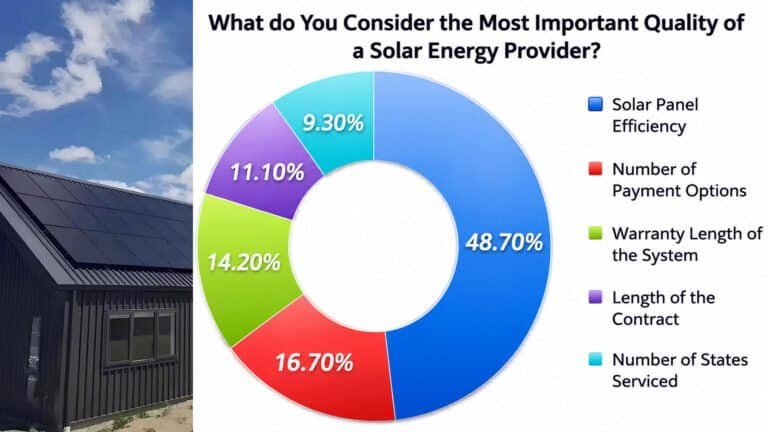
Solar Cell Efficiency Explained: Why the Number Matters — and What Else Determines a Great Solar Panel

Back-Contact Solar Breaks 28%: What the Efficiency Race Means for Your Product Roadmap

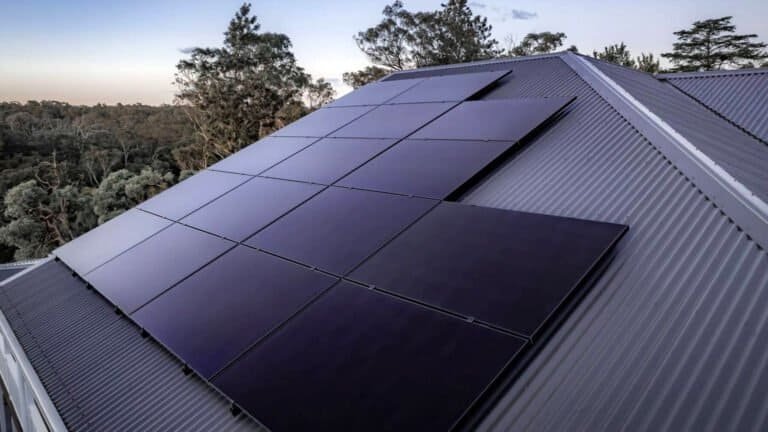
Three certified solar cell efficiency records above 28% in four weeks — JA Solar, LONGi, Trina Solar, all back-contact architecture. The efficiency race matters. But efficiency alone doesn't determine whether a panel delivers across 25 years of real-world operation. Seven engineering factors do, and every solar buyer and product developer should understand them.

en_USEnglish