Category Back Contact Solar Panels

How Bipolar Hybrid Passivation Delivers 2-10% More Energy Yield in Real-World Conditions

HPBC Bipolar Hybrid Passivation Technology Boost Solar Panel Efficiency and Power Generation

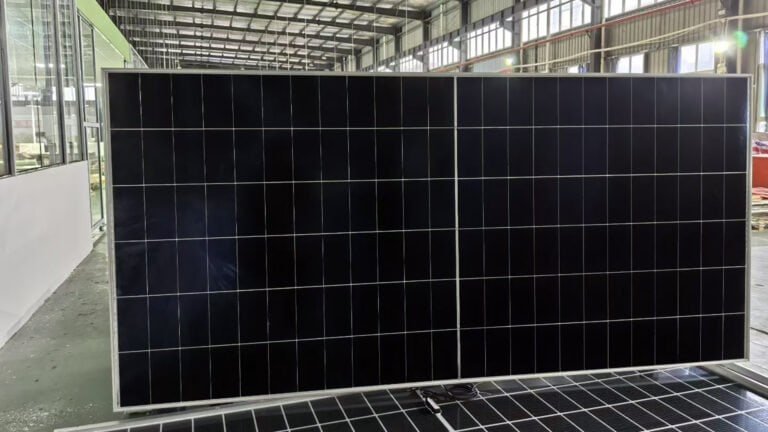
Solar projects demand maximum ROI over 25-30 years. Bipolar hybrid passivation technology delivers 2-10% more energy in typical field conditions through advanced passivation and back-contact design. With 670W modules, superior temperature performance (-0.26%/°C), and industry-leading degradation rates, this technology offers measurable advantages for space-constrained installations and challenging environments where every kilowatt-hour counts.

Why the Future of Solar is Back-Contact: Understanding LONGi’s HPBC 1.0, 2.0, and HIBC Technologies

LONGi back-contact solar panels—HPBC 1.0, HPBC 2.0, and HIBC

LONGi has released three distinct back-contact solar technologies in just three years—HPBC 1.0, HPBC 2.0, and HIBC—each targeting different performance levels and applications. This comprehensive guide compares specifications, real-world performance, warranties, and economics across all three generations. Understand which technology delivers optimal value for residential, commercial, or utility-scale solar projects in 2026 and beyond.

Back Contact + Low-Glare Materials: Solving Solar Panel Glare Problems

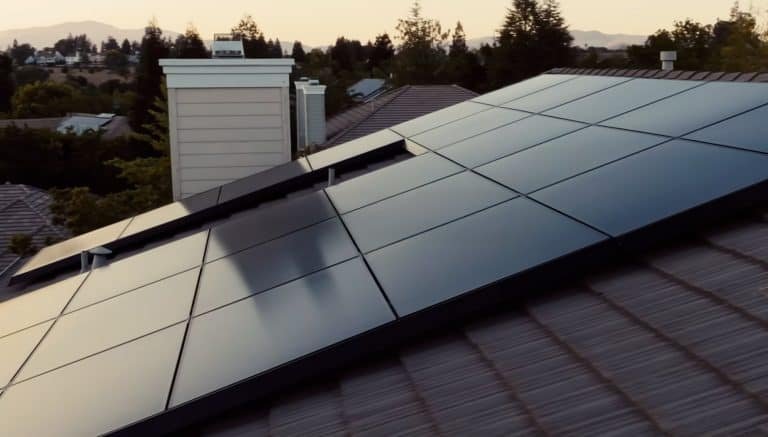
Best solar panels for glare sensitive areas

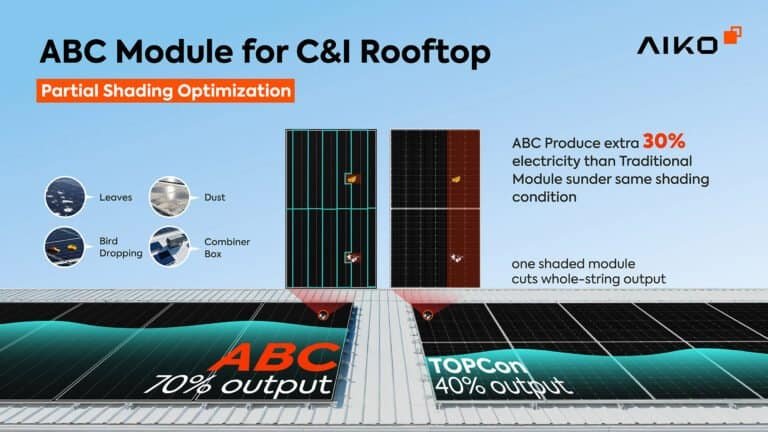
Not every project needs BC panels. Evaluate based on specific conditions: partial shading presence, space limitations, glare restrictions, aesthetic requirements. In optimal conditions (unshaded, ideal orientation), high-quality TOPCon delivers excellent results at lower cost. BC excels where standard panels fail—irregular roofs, urban shading, airport proximity, premium residential.

en_USEnglish