Towards a Solar-Powered Planet

Inspire Change

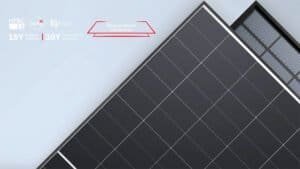
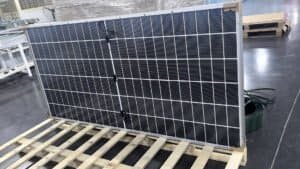
HPBC panels handle heat better than alternatives all black design

Why Back Contact Solar Panels Perform Better in Heat — And Why Customisation Matters

Solar panels are rated at 25°C. Your rooftop operates at 65°C or higher. That 40°C gap is where back contact technology earns its premium. With a confirmed temperature coefficient of −0.26%/°C, BC modules retain 4–8% more output than conventional PERC in summer heat — a margin that compounds into real commercial value across a system’s lifetime.

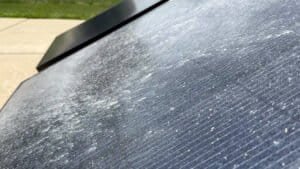
How Anti-Soiling Solar Panel Coatings Cut Soiling Losses & Costs

Every solar panel starts clean. The real question is how long it stays that way. Soiling — dust, salt, pollen, bird droppings — now accounts for 4–7% of global annual PV energy losses. Anti-soiling coatings are the first line of defence, but the coating chemistry you choose for a desert climate may fail prematurely in a monsoon zone.

a premium Building-Integrated Photovoltaic (BIPV) solar solution that seamlessly blends sleek, modern design with high-efficiency solar technology

5 Long-Life BIPV Challenges Most Buyers Miss — and Why Back-Contact Solar Technology Is the Best Fit

Most BIPV buyers ask about efficiency and degradation rate. Fewer ask the question that actually matters at year fifteen: “Can you supply a compatible replacement module?” Form-factor lock-in — when a custom solar product becomes irreplaceable after its manufacturer moves on — is now one of the most widely reported problems in Europe’s ageing first-generation BIPV installations.

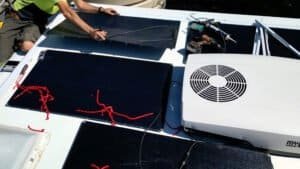
Back-contact VIPV modules based on glass fiber-reinforced composite sheets

Vehicle-Integrated PV and Shading Loss: What a 200-Truck Field Study Proved — and Why Back-Contact Solar Changes the Equation

A 200-truck Japanese field study confirmed that vehicle-mounted solar surfaces receive approximately 70% of horizontal irradiance under real driving conditions. That is not a module-technology problem — it is a geometry problem. But how efficiently the remaining 70% is harvested under moving, partial shade is a module-technology problem. That is where back-contact solar earns its place in fleet specifications.

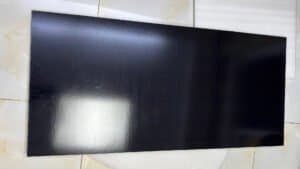
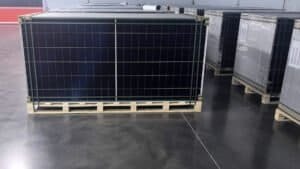
best BIPV all black BC solar panels residential rooftops buildings

Why Choose All-Black Solar Panels: Aesthetics, BIPV, and a Practical Buying Guide

Considering all-black solar panels but unsure where to start? This guide covers back-contact cell technology, HPBC 2.0 versus ABC Gen 3, BIPV applications, and the seven questions that separate reliable BC suppliers from trading companies. Includes a buyer persona breakdown for installers, distributors, architects, and OEM brands.

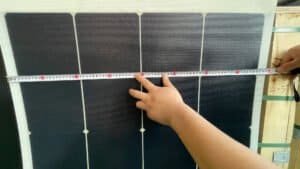
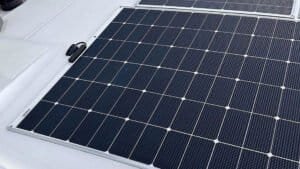
wholesale lightweight flexible solar module China back contact cell

Custom Flexible Solar Panels: OEM, BC Technology & How to Source Direct from Factories

Not all flexible solar panels perform the same in the field. ETFE outlasts PET in UV environments. Back-contact cells support minimum bend radii of 15–20 cm versus 25–30 cm for PERC — while delivering higher module efficiency with no front-surface shading. This guide explains the full specification stack and how to verify OEM factory quality before committing to production.

en_USEnglish