
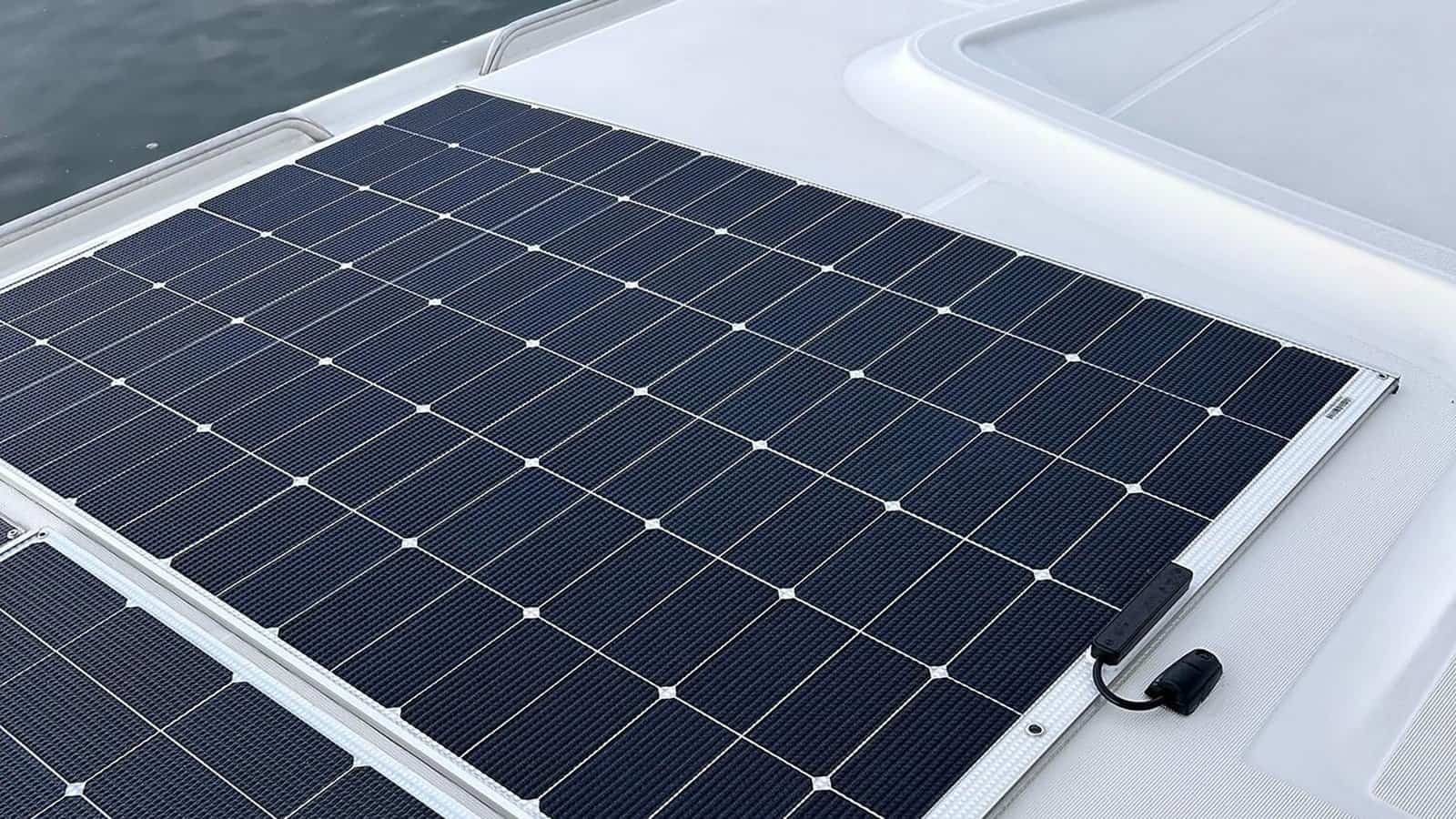
Picture a boat deck with no spare space. Or a van roof where the owner wants to sit and watch the sunset. Standard solar panels don’t fit that life. Glass panels are heavy and off-limits to foot traffic. Flexible panels are light but fragile underfoot.
Semi-rigid solar panels solve that problem. They are light like a flexible panel, but tough enough to walk on. No glass. No bulky frame. Just a smart, layered design built for real-world use.
This guide breaks down how semi-rigid panels are built, what makes them walkable, and where they work best. By the end, you’ll know exactly what to look for before you buy.
What Is a Semi-Rigid Solar Panel?
A semi-rigid solar panel sits between two familiar formats.
Flexible panels bend easily. They’re light and great for curved surfaces. But step on one, and you risk cracking the cells inside.
Rigid glass panels are the industry standard. They’re strong and reliable. But they’re heavy, framed, and you can never walk on them.
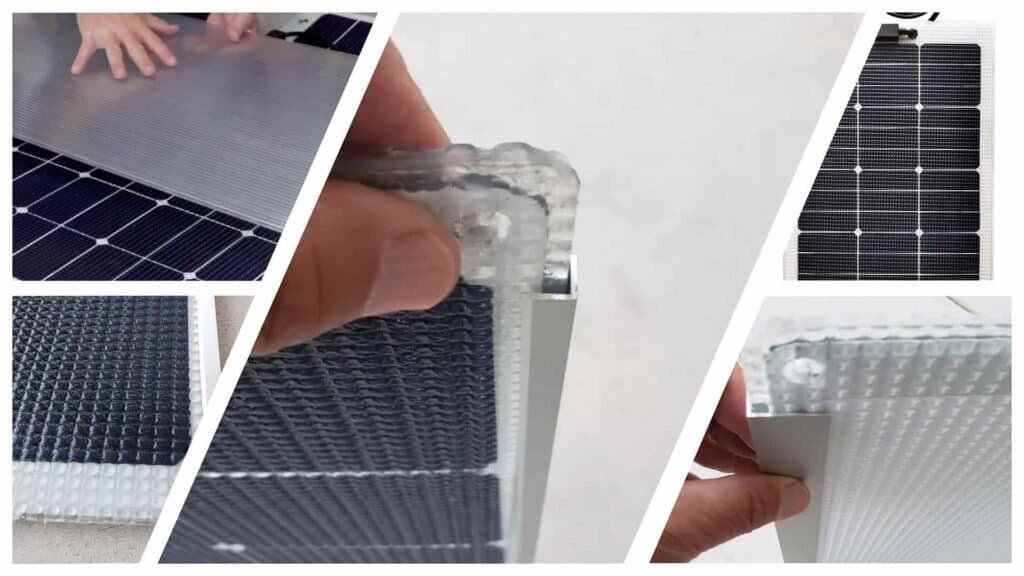
Semi-rigid walkable panels borrow the best of both. They drop the glass. They drop the aluminum frame. In their place, they use a tough polymer surface and a structural backing plate underneath.
The result is a panel that’s light enough for a van roof, yet strong enough to stand on. That’s not a compromise. It’s simply a different tool built for a different job.
Why “Walkable” Actually Matters
Not every solar panel needs to handle foot traffic. But for boats, vans, and tight rooftops, it changes everything.
Think about a catamaran deck. Or the roof of a camper van. These are often the only flat, sun-facing spaces available. If people can’t walk on the panels, that space goes to waste.
Walkable panels turn unused surfaces into working solar space. Crew can cross the deck. Van owners can load gear on the roof. Nobody has to tiptoe around fragile equipment.
That’s the whole point of the design: solar power that fits into daily life, not the other way around.
Inside a Semi-Rigid Panel: The Layers Explained
A semi-rigid panel looks simple from the outside. Inside, every layer has a job.
Put together, these layers weigh far less than a glass panel — glass alone can account for more than half a standard module’s weight in conventional designs. Most semi-rigid walkable panels come in around 4 to 7 millimeters thick and weigh roughly 70% of a glass panel with similar power output.
That’s a meaningful difference. On a boat or a van, every kilogram counts.
Quick way to choose:
- Curved surface? Go fiberglass.
- Flat surface, hot climate, weight matters most? Go carbon fiber.
- Maximum toughness and simple mounting? Go aluminum.
The Backing Plate: The Real Secret to Walkability
Here’s the part most buyers don’t think about, but should. The backing plate is what makes a panel walkable at all.
Without it, an ETFE panel is just a flexible panel with a firmer front sheet. It will still crack under a footstep. The plate is what spreads that pressure out, so the cells never feel it directly.
Manufacturers usually offer three backing materials. Each one has real trade-offs.
Aluminum
Aluminum is the workhorse choice — strong, easy to drill, and tough against impact. The downside is heat. Aluminum backing tends to run hotter than composite options, and heat lowers solar output. A lighter-colored front surface helps offset this.
Fiberglass
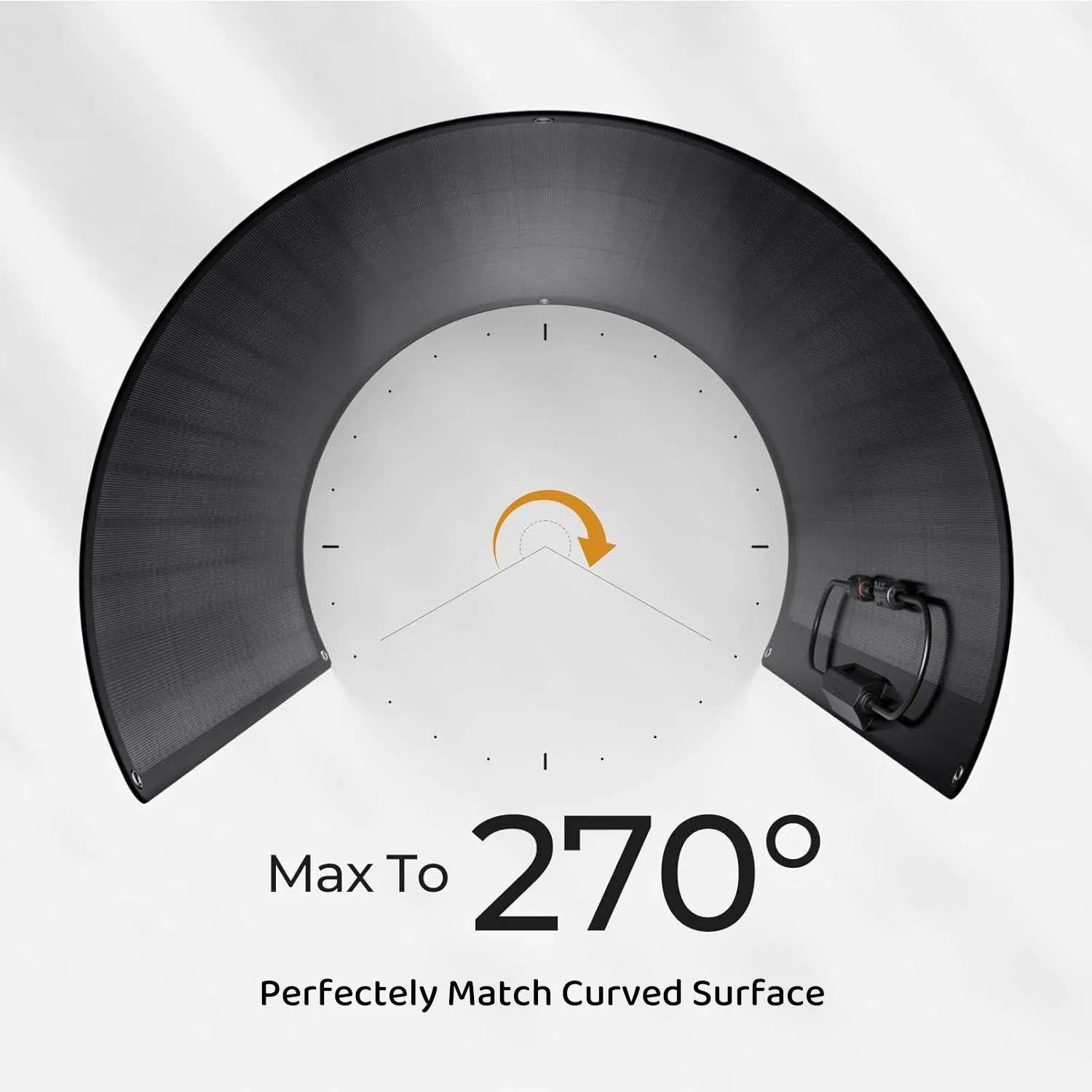
Fiberglass cuts weight compared to aluminum. It also flexes more, so it’s a strong pick for curved decks or cambered roofs. It resists salt air corrosion very well, which matters a lot for marine use.
Carbon Fiber
Carbon fiber is the premium option: lighter than fiberglass, stiffer, and better at shedding heat than either alternative. The trade-off is flexibility. Carbon-backed panels hold their shape more, so they suit flat or nearly flat surfaces best. This is often the top pick for hot climates and weight-sensitive builds, like van roofs in the desert.
Backing Plate vs. Backsheet: Don’t Mix These Up
This trips up a lot of buyers, so let’s clear it up fast.
A backsheet is a thin plastic layer at the rear of the cells — often a Tedlar-Polyester-Tedlar (TPT) film — usually well under half a millimeter thick. Its job is electrical insulation and weather protection — nothing structural. It can’t hold any weight.
A backing plate is a completely different layer: several millimeters thick, made from aluminum, fiberglass, or carbon fiber. Its role is purely structural. This is the part that actually lets you stand on the panel.
Both layers usually exist in the same walkable panel, stacked on top of each other. If a supplier tells you their "carbon fiber backsheet" makes the panel walkable, ask more questions. That phrase mixes up two different parts with two different jobs. A supplier who understands the difference is a supplier who understands the product.
Why Back-Contact Cells Are a Natural Fit
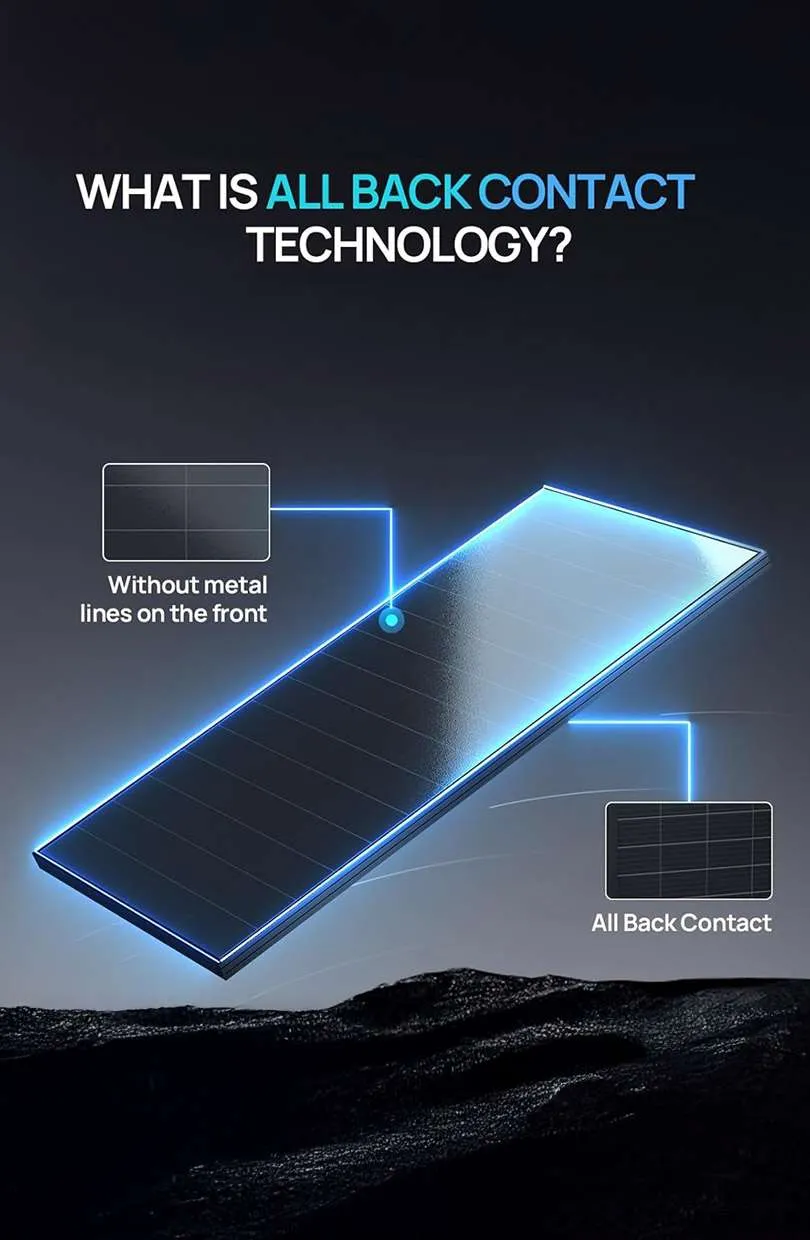
Cell technology matters just as much as the layers around it. And for walkable panels, one type stands out: back-contact (BC) cells, including designs known as IBC, HPBC, and ABC.
Here’s why they work so well in this format.
No wiring on the front
Standard solar cells have thin metal strips (busbars) running across the front to collect electricity. Modern multi-busbar cell designs use anywhere from 9 to 16 of these strips. Every one is a small stress point where a crack can start under pressure.
Back-contact cells move all of that wiring to the rear. The front face stays completely clear. Fewer stress points mean fewer cracks, even under regular foot traffic. In manufacturer testing, this design has reduced microcracking by 20 to 30% compared to standard front-contact cells.
Damage doesn’t spread
Back-contact cells use dozens of small contact points on the rear, wired in parallel. If one small crack does form, power simply reroutes around it. A tiny crack doesn’t turn into a dead zone or trigger the solar panel hot-spot effect that damages conventional cells under prolonged shade.
Smarter shading response
Boats and vans deal with constant, moving shade. A coiled rope. A standing crew member. A shifting boom shadow. Back-contact designs like HPBC 2.0 and ABC can route around these shaded spots automatically, without extra hardware. In supplier and independent shading tests, this has helped walkable panels hold onto up to three times more output under partial shade than standard designs.
Better performance in heat
Deck-mounted panels run hotter than a glass panel with airflow underneath. Back-contact cells generally lose less power per degree of heat, measured by their power temperature coefficient. Some platforms rate as low as about -0.26% per °C, compared to roughly -0.34% per °C for standard PERC cells. On a hot afternoon, that difference adds up.
One honest note here: cell technology helps, but it isn’t magic. Even the best back-contact cell will crack if you step on an unsupported edge. The backing plate and correct mounting still do the heavy lifting. Good cells and good structure work as a team.
Semi-Rigid vs. Flexible vs. Rigid: Quick Comparison
Not sure which format fits your project? Here’s a simple side-by-side look.
| What You Care About | Flexible Panel | Rigid Glass Panel | Semi-Rigid Walkable Panel |
|---|---|---|---|
| Foot traffic | Not built for it | Never — glass will break | Built for it |
| Weight | Lightest option | Heaviest option | Light, close to flexible weight |
| Curved surfaces | Bends easily | Cannot bend | Slight bend, around 3–10° |
| Long-term durability | Depends heavily on front material quality | Very durable | Strong, if mounted correctly |
| Heat handling | Poor if glued flat with no airflow | Decent, but glass traps heat | Good, especially with an airflow gap |
| Best for | Curved biminis, tight budgets | Rooftop solar, long-term fixed installs | Decks, van roofs, walkways |
A quick note on flexible panels: quality matters a lot. Well-made ETFE flexible panels can last for many years. Cheaper front materials, like basic PET film, tend to wear out much faster in strong sun. Either way, flexible panels — even good ones — still aren’t made for standing or walking on.
Where People Actually Use Semi-Rigid Panels
This format isn’t a niche curiosity — it solves real problems across several industries, every day.
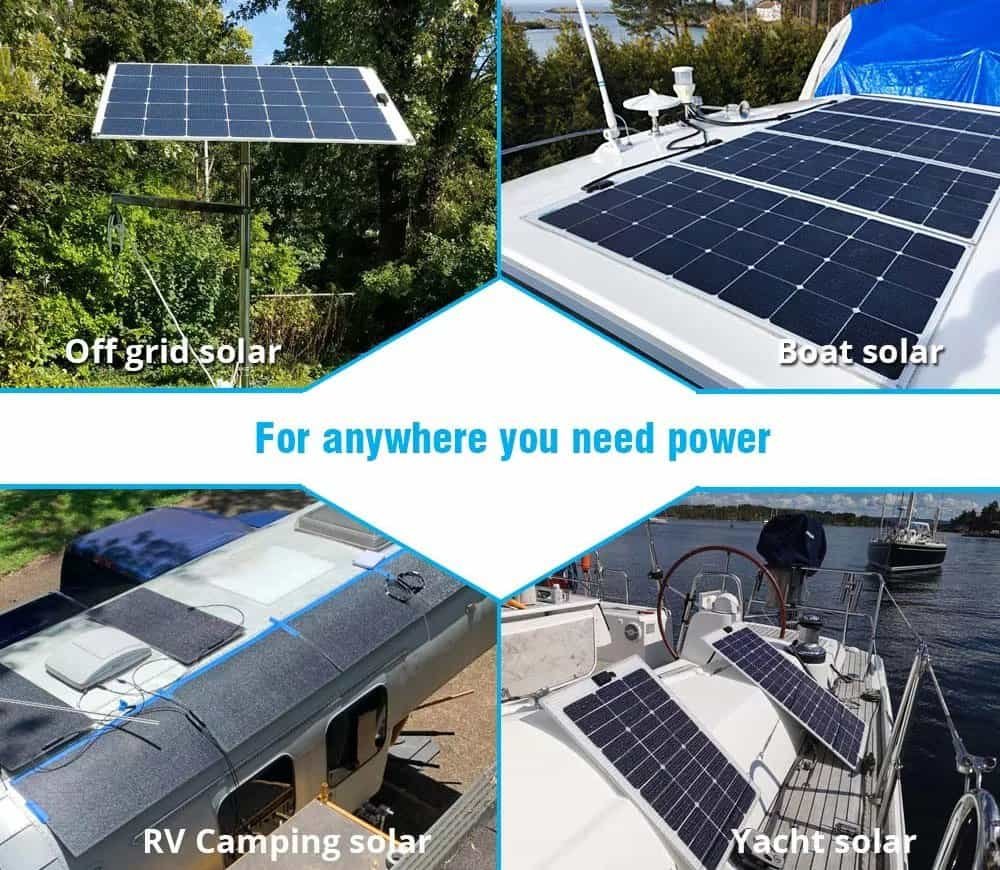
- Sailboats and catamarans. Deck space is often the only open, sunny area left on the boat. Crew walk across it constantly. Walkable panels turn that space into power.
- Motor yachts, trawlers, and houseboats. A flush, deck-mounted array keeps the boat looking clean while charging batteries at anchor.
- Camper vans and overlanding vehicles. Owners load gear, sit, or stand on the roof all the time. Walkable panels handle it without complaint.
- Docks and pontoons. Constant, unplanned foot traffic makes this an easy match for a textured, non-skid ETFE surface.
- Buoys and offshore equipment. Technicians need to step wherever the job takes them. Tough laminates handle both boots and salt spray.
- Walkable rooftops and terraces. An emerging use case in cities, where every flat surface is being asked to generate power, not just hold furniture.
Across all these settings, one thing stays the same. Space is limited, and every square inch needs to do double duty.
Mounting Tips That Actually Matter
A great panel installed the wrong way won’t perform — or last. Keep these three rules in mind.
Support the whole panel. Walkability only works when the entire panel rests on a solid surface underneath. Never let it bridge a gap.
Leave room for airflow. A small gap under the panel, using rail mounts or spacer channels, helps heat escape. Cooler panels produce more power.
Match your mounting method to your surface. Common options include corner screws, heavy-duty double-sided tape, or rail systems. Each has its place, depending on the deck or roof material.
One more tip: lighter panel colors run cooler in strong sun. If you’re installing in a hot climate, a white or light-colored front surface can make a real difference in daily output.
What to Ask Before You Buy
A good supplier should be able to answer these questions clearly and confidently:
- ✓ What cell type is used, and is it back-contact?
- ✓ What’s the backing plate material — aluminum, fiberglass, or carbon fiber?
- ✓ What’s the front surface thickness and finish?
- ✓ Is there a separate insulation layer, distinct from the structural backing?
- ✓ How is shading handled — cell-level routing, isolated zones, or both?
- ✓ What mounting methods does the panel support?
- ✓ Can the size, shape, and power output be customized?
If a supplier struggles with these basics, that’s worth noticing. A well-engineered walkable panel should have clear, specific answers — not vague marketing language.
Why Buyers Choose Couleenergy
At Couleenergy, semi-rigid walkable panels are built around back-contact cell technology, matched with the right backing plate for each project. We don’t force one-size-fits-all specs onto every customer.
Every project starts with the details that matter: your surface shape, your climate, your power needs, and how the panel will actually be used. From there, we build to match — whether that means a curved fiberglass-backed panel for a sailboat deck or a flat carbon-fiber panel for a desert van build.
We work with distributors, installers, OEM buyers, and project developers across North America and Europe. Custom size, power, and shape aren’t add-ons here — they’re the standard way we work. Modules are engineered to meet or exceed the relevant international standards for their intended environment.
Low minimum order quantities and fast sampling mean you can test before you commit to volume.
Ready to Talk Specs?
Whether you’re outfitting a fleet of boats, building a single van conversion, or sourcing panels for a new product line, we’re ready to help you spec the right panel for the job.
Send us your surface size, your environment, and your power target. We’ll take it from there.
OEM & ODM · Low MOQ · Custom size, power & shape · Fast sampling

 English
  Español
  Français
  Deutsch
  Русский
  العربية
One comment
[…] fine particles that take more effort to remove. Embossing still improves grip and reduces glare on walkable semi-rigid panels, so treat it as a deliberate trade, not a free […]