
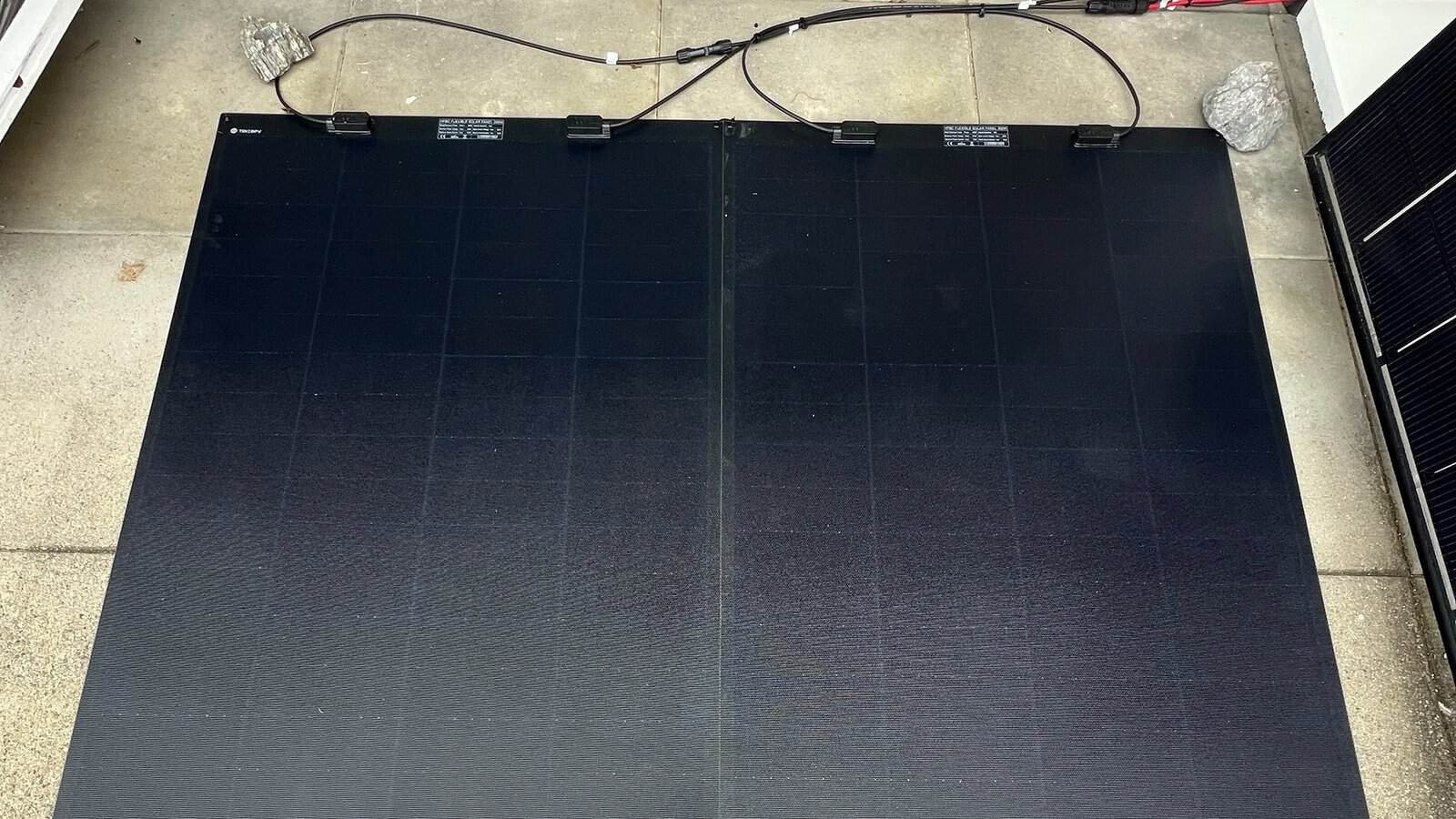
Si está adquiriendo paneles solares estándar, la calidad ya es un desafío serio en 2026. Si necesita paneles solares flexibles personalizados Si se trata de formas no rectangulares, celdas con contactos posteriores, encapsulantes de ETFE o perfiles de voltaje específicos, se entra en un mundo mucho más reducido donde la mayoría de los proveedores simplemente no pueden operar.
Aquí le mostramos lo que dicen los datos, por qué los precios están cambiando rápidamente y cómo encontrar un fabricante que realmente pueda ofrecerle lo que necesita.
⚠️ El listón ya está muy bajo para los paneles estándar.
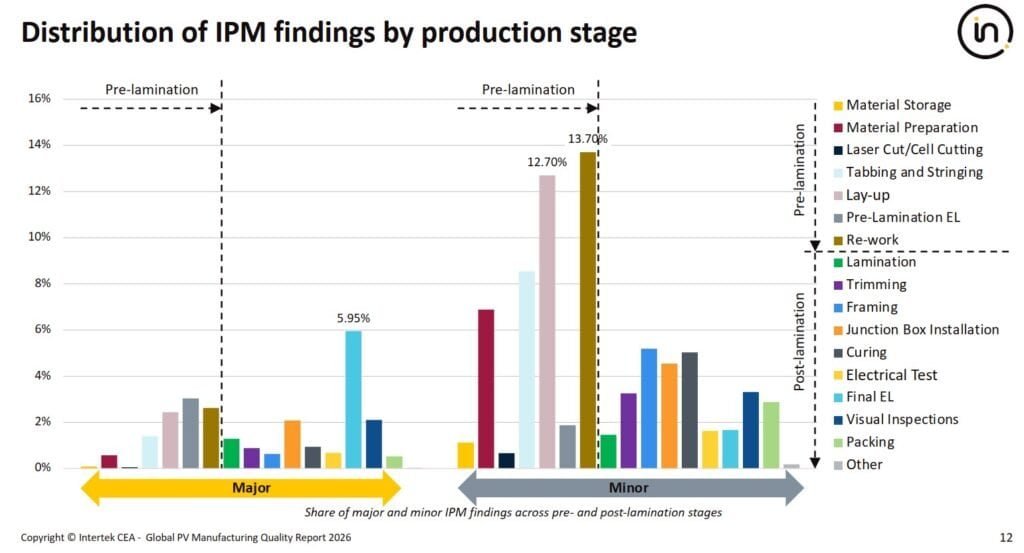
El Intertek CEA Informe mundial sobre la calidad de la fabricación de paneles fotovoltaicos 2026 Se basó en más de 80.000 inspecciones de calidad realizadas en más de 340 fábricas de paneles fotovoltaicos en todo el mundo.[1] Los resultados son contundentes.
Más de 701 TP3T de todas las fábricas a nivel mundial obtuvieron una calificación C o D. — los dos niveles más bajos en el sistema de calificación de Intertek CEA. Ninguna fábrica, en ningún lugar, obtuvo la calificación A+. Esa es la situación actual de la fabricación de paneles estándar en todos los principales países productores.
Las tasas de retrabajo revelan la magnitud del problema. Una tasa de retrabajo normal, donde los módulos terminados necesitan un desmontaje y reparación parcial antes del envío, se sitúa en torno a 10–15%. Pero las fábricas atípicas superaron con creces esa cifra. Una instalación india alcanzó un Tasa de retrabajo 56% en 2024. Una instalación estadounidense llegó 62% en 2025.[2] Seis de cada diez paneles necesitaron reparación antes de salir del edificio; y se trata de módulos uniformes, rectangulares y de potencia fija. El producto más fácil de fabricar.
La principal categoría de defectos a nivel mundial es la soldadura. A medida que los diseños de módulos incorporan un mayor número de barras colectoras y áreas de contacto más finas, las soldaduras frías pasan desapercibidas. Parecen correctas en la línea de producción, pero fallan en la práctica. Los errores de colocación, la desalineación del encapsulante, la presencia de material extraño y la degradación inducida por rayos UV en las celdas TOPCon de tipo n completan la lista de fallos.
“La expansión de la capacidad en EE. UU. está poniendo de manifiesto los riesgos de ejecución en las primeras etapas.”
Intertek CEA, Informe global sobre la calidad de la fabricación de paneles fotovoltaicos 2026
Un informe simultáneo de Kiwa PI Berlín cita la insuficiencia de instalaciones e infraestructura, la escasez de ingenieros experimentados y las constantes interrupciones en la cadena de suministro como causas fundamentales en los centros de fabricación de reciente creación. Los módulos estándar ya son bastante complejos; los personalizados son un desafío completamente distinto.
📈 El precio mínimo está subiendo, y el plazo para actuar se está reduciendo.
Alerta política — Abril de 2026: El Ministerio de Finanzas de China eliminó todas las devoluciones del IVA a la exportación de productos fotovoltaicos a partir del 1 de abril de 2026, tras una reducción previa de 131 TP3T a 91 TP3T en diciembre de 2024.[11] Los principales fabricantes, como JinkoSolar, Trina Solar y LONGi, ya han subido los precios de exportación. Los analistas del sector prevén que los precios de los módulos aumenten entre 9 y 151 TP3T durante el resto de 2026. Los compradores que aplazaron sus decisiones de compra se enfrentan a un entorno de costes que ha cambiado sustancialmente.
Esto va más allá de los paneles estándar. El trabajo OEM con módulos flexibles y BC personalizados conlleva costos de ingeniería adicionales. La capacidad especializada es limitada. A medida que las fábricas de primer nivel recuperan márgenes tras la eliminación de los descuentos, el trabajo personalizado y con bajo MOQ es el primer segmento en experimentar aumentos en los plazos de entrega y ajustes en los precios mínimos. Establecer relaciones con proveedores OEM ahora, antes de que el mercado se contraiga aún más, reduce el riesgo y garantiza condiciones más favorables.
🔩 Los módulos personalizados multiplican todos los riesgos de fabricación.
Un panel personalizado no estándar no solo añade complejidad, sino que agrava todos los desafíos que ya existen a gran escala. Consideremos lo que implica realmente la producción de módulos personalizados:
- Troquelado no rectangular — Trapecios, formas de L, triángulos, cortes curvos. Cada forma requiere diferentes plantillas, fresado de largueros y perfiles de presión de laminación.
- Celdas de contacto posterior sobre sustratos flexibles La colocación de celdas HPBC o ABC sobre un sustrato de polímero ETFE es técnicamente compleja. El corte, el reensamblaje y el enrutamiento de las interconexiones requieren herramientas diferentes a las de los módulos estándar con lámina posterior de vidrio. La laminación no debe provocar microfisuras en las celdas cortadas, un fallo del proceso que no presenta señales de advertencia visibles.
- Perfiles eléctricos específicos — Los sistemas electrónicos marinos, los sistemas integrados y los dispositivos fuera de la red eléctrica a menudo requieren especificaciones precisas de voltaje y corriente que van más allá de las configuraciones estándar de los módulos, lo que exige experiencia en la selección de celdas y pruebas I-V internas.
- Encapsulantes no estándar — El ETFE, el TPU y el PET se comportan de manera diferente bajo calor y presión. Una línea de laminación optimizada para módulos con lámina posterior de vidrio no está preparada para paneles flexibles de ETFE sin una modificación significativa del proceso.
- Conectores a medida e impermeabilización — Las cajas de conexiones IP67 o IP68, el enrutamiento de cables no estándar, los tipos de conectores personalizados y los pasacables reforzados añaden pasos de montaje que la mayoría de las fábricas nunca han realizado a gran escala.
Flexión estática frente a flexión dinámica: La mayoría de los paneles flexibles de silicio cristalino, incluidos los diseños basados en HPBC, están clasificados para estático Instalaciones (superficie curva fija, flexión máxima de 30°). No están diseñadas para ciclos de flexión dinámicos repetidos. Para aplicaciones como marquesinas enrollables o paneles portátiles que se pliegan repetidamente, se requiere tecnología de película delgada. Verifique siempre las especificaciones del radio de curvatura en la ficha técnica del producto antes de especificarlo para su aplicación.
Realizar cualquiera de estas tareas de forma fiable requiere meses de desarrollo de procesos. Realizar varias simultáneamente —como suele ser el caso en la mayoría de los pedidos personalizados— exige una amplia experiencia en fabricación, I+D interna y una línea de laminación flexible de eficacia probada. Muy pocas fábricas fuera de China cuentan con este ecosistema. Casi ninguna posee el conocimiento acumulado sobre los procesos necesarios para lograr un rendimiento constante.
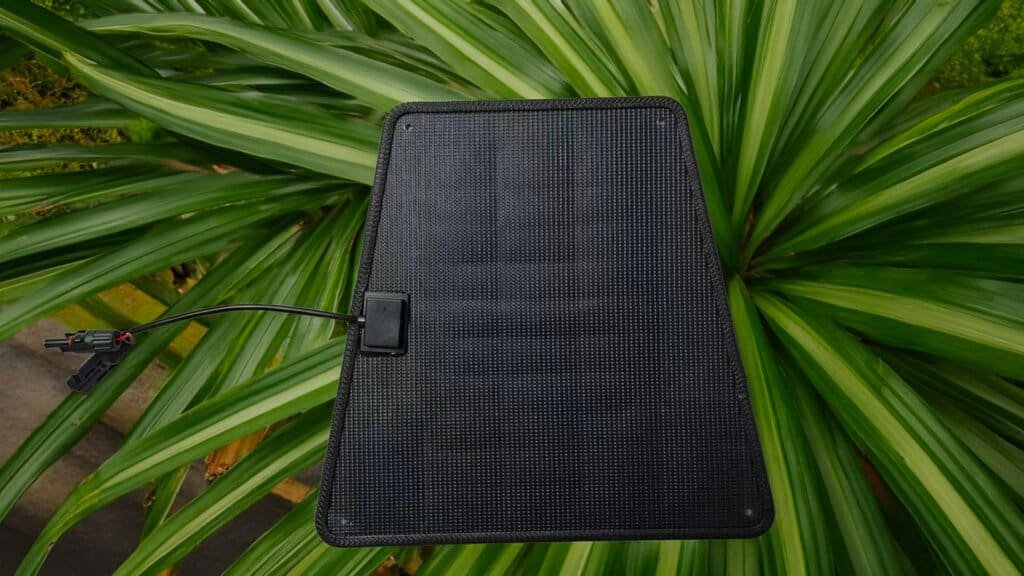
📍 Dónde se instalan realmente los paneles solares flexibles personalizados
Comprender qué aplicaciones impulsan la demanda ayuda a los compradores a autoevaluarse y aclara los requisitos de rendimiento que deben cumplir los socios OEM:
⛵ Náutica y navegación a vela
Paneles integrados en el casco, el toldo bimini y la cubierta. Protección IP68, resistencia a la niebla salina, sustratos curvos.
🚐 Autocaravanas y vehículos recreativos
Instalaciones curvas montadas en el techo. Peso inferior a 4,5 kg/100 W. Se prefiere ETFE de perfil bajo.
🏢 BIPV y fachada
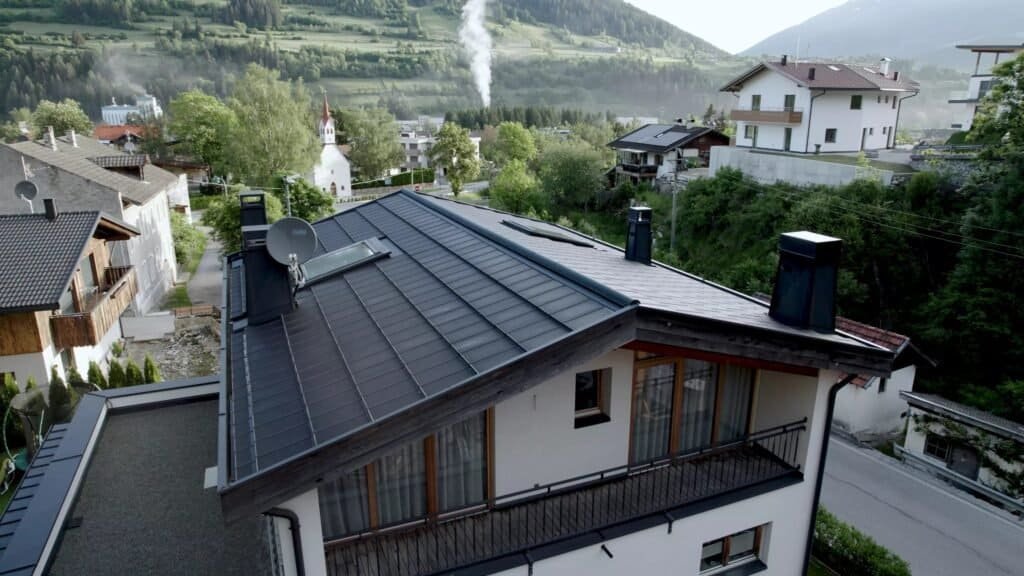
Membranas para cubiertas, fachadas curvas, claraboyas. Se requiere una estética totalmente negra. Las normativas europeas EPBD impulsan la demanda.
🌱 Agrivoltaica
Cubiertas para invernaderos, estructuras de sombra para cultivos. Diseños personalizados, opciones translúcidas.
🎒 Portátil y autónomo
Kits de alimentación portátiles OEM de marca. Potencia personalizada, marca propia, conectores no estándar. Cantidad mínima de pedido baja.
🛡️ Defensa y UAV
Alimentación eléctrica de bajo peso, esencial para equipos de campo, drones y sistemas de mando portátiles.
🏭 Dos décadas de madurez de procesos no pueden tomarse atajos
China ha dominado la fabricación mundial de paneles solares desde finales de la década de 2000. Según datos de CPIA recopilados por CSIS, en 2024 China produjo 93,21 TP3T del polisilicio mundial, 96,61 TP3T de obleas, 92,31 TP3T de células y 86,41 TP3T de módulos terminados.[3] Esa concentración crea algo que a los competidores les cuesta replicar: la capacidad de generar memoria muscular.
Las principales fábricas chinas están integradas verticalmente, controlando el polisilicio, los lingotes, las obleas, las celdas y los módulos bajo un mismo techo. Esta integración elimina los sobrecostos entre empresas y proporciona a los ingenieros visibilidad sobre cada variable de la cadena de suministro. Un defecto de fabricación causado por una variación en el grosor de la celda se diagnostica y corrige mucho más rápido cuando también se controla la línea de producción.
La fabricación de celdas de contacto posterior (BC) hace que esta brecha de madurez sea aún más visible. Todos los contactos eléctricos se encuentran en la superficie posterior, eliminando las barras colectoras frontales y las pérdidas por sombreado. Los módulos ABC de Aiko Solar alcanzaron Eficiencia del módulo 25.0% en la producción en masa Datos de abril de 2026, confirmados en la clasificación mensual del módulo comercial de TaiyangNews.[4] El HPBC 2.0 de LONGi contiene el silicio cristalino. Récord mundial del módulo en 25,4%, certificado por Fraunhofer ISE en octubre de 2024,[5] con módulos Hi-MO X10 enviados comercialmente que alcanzan hasta 24.8% en producción en volumen.[6]
Los fabricantes chinos están acelerando la adopción de BC a nivel mundial. El analista de ISC Konstanz, Radovan Kopecek, proyecta que la capacidad de fabricación global de BC podría alcanzar 1 teravatio para 2030,[7] con BC y TOPCon potencialmente alcanzando una división de mercado 50:50 para finales de la década. Suiza ya cruzó Cuota de mercado del módulo BC 50% en 2025, según el Barómetro fotovoltaico 2026 Informe de la Universidad de Ciencias Aplicadas de Berna y Eturnity.[8] En Estados Unidos y en la mayor parte de Europa, la capacidad de fabricación de BC aún se encuentra en sus primeras etapas.
La ventaja de costos de China hoy en día tiene menos que ver con la mano de obra barata y más con Líneas de producción altamente automatizadas, perfeccionadas a través de años de iteración continua.. Las fábricas estadounidenses y europeas que intensificarán su producción entre 2024 y 2025 están lidiando con problemas de defectos que los fabricantes chinos con experiencia resolvieron hace una década. La brecha es estructural, no fortuita.
💲 Los datos de precios cuentan la misma historia.
Precios al contado actuales en los distintos tipos de módulos y regiones (datos del primer trimestre de 2026; cabe destacar que los precios muestran una tendencia al alza tras la eliminación del reembolso del IVA en China en abril de 2026):
| Producto | Origen | Precio promedio (USD/W) |
|---|---|---|
| Módulo TOPCon | China → Europa (FOB) | $0.123 |
| Módulo TOPCon | India ensamblada (FOB) | $0.150 |
| Módulo TOPCon | SEA fabricó → proyectos estadounidenses (FOB) | $0.270 |
| Módulo TOPCon | Ensamblado en EE. UU. (DDP) | $0.300 |
| Módulo BC — C&I | China → Europa (FOB) | $0.143 |
| Columbia Británica totalmente negra — residencial | China → Europa (FOB) | $0.204 |
El precio TOPCon de China a Europa de $0.123/W se sitúa aproximadamente 60% por debajo del equivalente ensamblado en EE. UU. $0.300/W. Para los módulos BC, el segmento C&I ahora solo lleva un ~16% premium En comparación con los módulos TOPCon fabricados en China, la prima es menor que hace dos años, cuando el costo del módulo representa menos de 10% del costo total del proyecto instalado, esta reducción de la prima justifica fácilmente la ganancia de eficiencia a nivel de proyecto. El segmento residencial completamente negro tiene una prima más alta, de $0.204/W, lo que refleja una estética especializada y un menor volumen de producción.
En el caso de los paneles flexibles personalizados —que conllevan costes de ingeniería adicionales al coste del módulo base— la diferencia entre los fabricantes chinos especializados y cualquier alternativa es aún mayor. Los factores estructurales que influyen en los costes (integración vertical, escala, automatización de procesos) se agravan cuando los volúmenes de producción son menores y la complejidad de la personalización es mayor.
¿Estás trabajando en un proyecto de módulo flexible o BC personalizado?
El equipo técnico de Couleenergy ofrece consultas gratuitas sobre especificaciones, desde la primera especificación eléctrica hasta la aprobación de la muestra.
🧱 Comparación de encapsulantes: ETFE vs PET vs TPU
El encapsulante frontal determina la vida útil en exteriores, el rendimiento frente a los rayos UV y la transmitancia de luz a largo plazo. Para los paneles flexibles, la elección de este material es más importante que cualquier otra decisión.
| Propiedad | ETFE | TPU | MASCOTA |
|---|---|---|---|
| Transmitancia de la luz | 95%+ | 90–93% | 88–92% |
| Estabilidad a los rayos UV (vida útil) | más de 25 años | 10-15 años | 5–8 años |
| Autolimpieza de la superficie | Sí (hidrofóbico) | Parcial | No |
| Rango de temperatura de funcionamiento | De -200 °C a +150 °C | De -40 °C a +80 °C | De -40 °C a +85 °C |
| Mejor caso de uso | Marina, BIPV, OEM premium | Portátil de gama media | Económico / Solo para interiores |
| Costo relativo | De primera calidad | Medio | Bajo |
Los encapsulantes de PET amarillean y pierden transmitancia de luz en un plazo de 5 a 8 años en exteriores. Para cualquier producto OEM vendido con una garantía significativa en los sectores náutico, de vehículos recreativos o de sistemas fotovoltaicos integrados en edificios (BIPV), el ETFE no es una mejora opcional, sino el estándar que permite defender las reclamaciones de garantía.
✅ Seis preguntas que debes hacerle a cualquier socio OEM de energía solar a medida
No todos los fabricantes chinos están preparados para trabajos personalizados de gran envergadura. Estas cuestiones distinguen a las auténticas fábricas OEM de las empresas comerciales que se presentan como fabricantes:
1. ¿La producción de los módulos se realiza realmente internamente?
Verifique que la licencia comercial incluya “Investigación, Desarrollo y Producción de Módulos”, no solo “Ventas”. Un verdadero socio OEM es propietario de su línea de laminación. Solicite un video de la fábrica que muestre su tipo de encapsulante en funcionamiento.
2. ¿Cuál es la cantidad mínima de pedido (MOQ) para la personalización real?
Los trabajos especializados suelen comenzar con pedidos de entre 50 y 500 unidades. Un pedido mínimo de 5000 unidades para un diseño personalizado indica que la fábrica no está preparada para su proyecto. La mayoría de las fábricas de primer nivel requieren pedidos de más de 1000 unidades y rara vez aceptan diseños no estándar.
3. ¿Pueden cortar y volver a unir las células BC?
Las celdas estándar miden 182 mm o 210 mm. Las formas personalizadas casi siempre requieren corte. Las celdas de contacto posterior son más difíciles de cortar sin dañar las estructuras de contacto posterior. Pregunte específicamente sobre su proceso de corte de celdas BC y el rendimiento que obtienen en las celdas cortadas.
4. ¿Qué encapsuladores están utilizando realmente, no solo citando?
La laminación de ETFE requiere temperaturas más altas y un control de presión más estricto que la de EVA-vidrio. Solicite pruebas de producción activa de ETFE con registros de calidad, no solo la capacidad de obtener el material.
5. ¿Ofrecerán soporte para la creación de prototipos antes de la producción en serie?
Los socios OEM serios ofrecen apoyo en la creación de prototipos, imágenes de electroluminiscencia (EL), pruebas de curvas I-V y ciclos de revisión de diseño antes de solicitar un compromiso de producción. Un proveedor que presiona directamente para realizar pedidos de producción sin una fase de muestras es una señal de alerta.
6. ¿Qué documentación de cumplimiento pueden proporcionar?
Para el acceso al mercado de la UE, IEC 61215 y IEC 61730 Las certificaciones son requisitos básicos.[9] Confirme que la documentación de clasificación HS 8541.40 y los certificados de origen están disponibles para el despacho de aduanas. Según la Ley de la UE sobre la Industria de Emisiones Netas Cero (NZIA), a partir de finales de 2025 se aplicarán criterios de contratación distintos del precio a las licitaciones importantes; verifique que la documentación de su proveedor esté actualizada.
🔋 Fabricantes de equipos originales (OEM) de energía solar flexible y personalizada en la Columbia Británica: ¿por qué Couleenergy?
Cantidad mínima de pedido baja con personalización genuina.
Couleenergy acepta pedidos personalizados de 100 unidades, frente al umbral estándar de la industria de más de 1000 unidades en la mayoría de las fábricas. Esto lo hace viable para lanzamientos de productos, instalaciones piloto y marcas OEM que necesitan validar la adecuación al mercado antes de comprometerse con la producción en volumen.
Tecnología de células HPBC en formatos flexibles, con cifras de eficiencia honestas.
Los paneles flexibles de Couleenergy utilizan celdas de contacto posterior HPBC con Eficiencia de celda 26,5%+, que proporciona una eficiencia de módulo de 20–22% en un formato flexible.[10] Esto supera con creces los 15-18% típicos de los paneles flexibles estándar. La misma superficie genera entre 15 y 30% más energía que una alternativa flexible estándar. Combinar la arquitectura de celdas BC con el encapsulado de ETFE en un panel verdaderamente flexible es una capacidad que muy pocos fabricantes en el mundo pueden ofrecer actualmente.
ETFE de serie, no una mejora.
Couleenergy utiliza ETFE Como superficie frontal estándar, no como opción premium. Este fluoropolímero ofrece una transmitancia de luz 95%+, propiedades de autolimpieza y una estabilidad UV de más de 25 años. Los paneles laminados con PET se degradan mucho más rápido en exteriores, lo que convierte las reclamaciones de garantía en un inconveniente en lugar de una ventaja.
Ingeniería interna y soporte iterativo para muestras
El equipo técnico de Couleenergy ofrece asistencia en el diseño, revisión de especificaciones eléctricas personalizadas y desarrollo iterativo de muestras, desde la especificación eléctrica inicial hasta las primeras unidades probadas con EL. Para los clientes OEM que desarrollan una línea de productos de marca, esto marca la diferencia entre un proveedor de componentes y un verdadero socio de desarrollo.
Ubicación en Ningbo, capacidad de exportación global verificada.
Con sede en Ningbo, Zhejiang, junto al puerto de Ningbo, una de las terminales de contenedores con mayor volumen de operaciones del mundo, Couleenergy realiza envíos directamente a la UE, Reino Unido, Norteamérica y otros mercados, contando con la certificación IEC, la documentación del país de origen y el respaldo de la clasificación HS 8541.40.
🏁 El resultado final
La fabricación estándar de paneles solares ya enfrenta dificultades: la mayoría de las fábricas en todo el mundo están reprocesando una parte significativa de la producción antes de enviar los paneles. Las fábricas estadounidenses y europeas, que están aumentando su producción rápidamente, están lidiando con problemas que los fabricantes chinos con experiencia resolvieron hace años.
Los paneles solares flexibles personalizados —con formas no estándar, tecnología de células BC, encapsulantes de ETFE y perfiles eléctricos específicos— intensifican cada uno de estos desafíos. La complejidad de fabricación requerida no existe en la mayoría de las fábricas del mundo.
Mientras tanto, la eliminación de la devolución del IVA a las exportaciones por parte de China está provocando un aumento de los precios en todas las categorías de módulos hasta 2026. El plazo para establecer relaciones con proveedores OEM en condiciones de precios preferenciales para los primeros en el mercado se está reduciendo.
Para los equipos de compras que fabrican productos solares OEM o que adquieren paneles BC flexibles en volúmenes bajos, la vía práctica pasa por un fabricante especializado con capacidad probada de laminación flexible, auténtica experiencia en células BC, capacidad para respaldar el desarrollo iterativo e infraestructura establecida para el cumplimiento de las normas de exportación.
📩 ¿Listo para diseñar tu proyecto solar personalizado?
Cantidad mínima de pedido (MOQ) a partir de 100 unidades. Consulta técnica gratuita. Paneles de muestra disponibles antes de comprometerse con la producción.
❓ Preguntas frecuentes
¿Qué eficiencia puedo esperar de forma realista de los paneles solares flexibles de HPBC?
Las celdas de contacto posterior HPBC alcanzan una eficiencia de celda 25%+ en la producción en masa. Sin embargo, los módulos flexibles, debido a los encapsulantes de polímero y las pérdidas de ensamblaje de formato flexible, ofrecen Eficiencia del módulo 20–22%. Esto sigue estando muy por encima de los paneles flexibles estándar (15–18%) y es la cifra correcta para comparar la potencia de salida por metro cuadrado. Siempre solicite a los proveedores que especifiquen la eficiencia del módulo, no la de la celda.
¿Cuál es la cantidad mínima de pedido (MOQ) que debo esperar para paneles solares flexibles personalizados procedentes de China?
Los fabricantes especializados en productos personalizados suelen aceptar 100–500 unidades Para una personalización genuina (nuevas dimensiones, especificaciones eléctricas a medida, encapsulantes no estándar), las fábricas de primer nivel suelen requerir más de 1000 unidades y rara vez aceptan diseños no estándar. Un pedido mínimo de 5000 unidades para una forma personalizada indica que la fábrica no está preparada para este tipo de proyecto.
¿Merece la pena pagar un precio superior por los paneles solares de contacto posterior (BC) en 2026?
La prima se está reduciendo rápidamente. Los módulos BC C&I de China ahora cuestan aproximadamente un 16% premium sobre TOPCon comparable, una disminución con respecto a 40–60% hace dos años. En mercados donde el costo del módulo es inferior a 10% del costo total de instalación, esa prima se recupera fácilmente a través de un mayor rendimiento energético por unidad de área, especialmente en aplicaciones con espacio limitado como cubiertas marinas, techos de vehículos recreativos y fachadas BIPV.
¿Cómo puedo verificar que un fabricante chino de paneles solares es una fábrica real y no una empresa comercial?
Solicite la licencia comercial de la empresa y verifique que incluya “Investigación, Desarrollo y Producción de Módulos” en su ámbito de actividad registrado, y no solo “Ventas” o “Comercio”. Pida un vídeo que muestre el funcionamiento de la línea de laminación con el tipo de encapsulante que necesita. Solicite imágenes EL de una producción reciente. Los fabricantes legítimos suelen compartir esta información fácilmente; las empresas comerciales que reenvasan productos de terceros normalmente no pueden.
¿Cómo está afectando la eliminación de la devolución de impuestos a la exportación por parte de China en 2026 a los precios de los paneles solares?
El Ministerio de Finanzas de China eliminó todas las devoluciones del IVA a la exportación de productos fotovoltaicos a partir del 1 de abril de 2026, suprimiendo así la devolución 9% que los fabricantes recibían anteriormente por sus exportaciones.[11] Los principales productores, como JinkoSolar, Trina Solar y LONGi, han aumentado sus precios de exportación en consecuencia. Los analistas prevén un incremento de precios de entre 9 y 151 TP3T en todas las categorías de módulos estándar durante el resto de 2026. Los segmentos de paneles flexibles personalizados y con bajo pedido mínimo se enfrentan a una presión adicional debido a la limitada capacidad de las fábricas especializadas.
Notas al pie
- Intertek CEA, Informe mundial sobre la calidad de la fabricación de paneles fotovoltaicos 2026. Más de 80.000 inspecciones, más de 340 fábricas en China, India, EE. UU., el sudeste asiático y Turquía. intertekcea.com
- Datos sobre la tasa de reprocesos — Intertek CEA 2026, vía PV Magazine, mayo de 2026. India 56% (2024), EE. UU. 62% (2025). Promedio de la industria: 10–15%. pv-magazine-usa.com
- Cuotas de mercado de la cadena de suministro fotovoltaica en China en 2024 — Datos de CPIA, recopilados por CSIS, marzo de 2026. Polisilicio 93,2%, obleas 96,6%, células 92,3%, módulos 86,4%. csis.org
- Eficiencia del módulo de producción en masa ABC de Aiko Solar: 25,0% (abril de 2026). Actualización mensual de TaiyangNews; reportado por PV Tech. pv-tech.org
- Récord mundial del módulo LONGi HPBC 2.0: 25,4%. Certificado por Fraunhofer ISE en octubre de 2024. Incluido en la tabla de eficiencia de módulos campeones de NREL. longi.com
- Eficiencia del módulo comercial LONGi HPBC 2.0: hasta 24,8%. Informe anual de LONGi 2025, publicado el 28 de abril de 2026. Hi-MO X10: promedio de 650–660 W, pico de 670 W. longi.com
- Previsión de capacidad global de BC: 1 TW para 2030. Radovan Kopecek, ISC Konstanz, PV Magazine, 14 de febrero de 2025. pv-magazine.com
- Cuota de mercado de BC en Suiza >50% en 2025. Barómetro fotovoltaico 2026, Universidad de Ciencias Aplicadas de Berna y Eturnity; Revista PV, 16 de marzo de 2026. pv-magazine.com
- IEC 61215: cualificación del diseño y homologación de módulos fotovoltaicos terrestres; IEC 61730: cualificación de seguridad de módulos fotovoltaicos. Ambos requisitos son obligatorios para acceder a los mercados de la UE, EE. UU. y Australia. webstore.iec.ch
- Eficiencia del módulo flexible Couleenergy HPBC: 20–22% (módulo); 25%+ (celda). La reducción refleja las pérdidas de transmisión del encapsulante y las pérdidas de ensamblaje en formato flexible. couleenergy.com
- Eliminación del reembolso del IVA a las exportaciones en China, con vigencia a partir del 1 de abril de 2026. Anunciado el 9 de enero de 2026 por el Ministerio de Finanzas y la Administración Estatal de Impuestos de China. El reembolso para productos fotovoltaicos se redujo de 9% a 0%. pv-magazine.com
- Tamaño del mercado de paneles solares flexibles: USD 573 M (2024) → USD 849 M (2030), CAGR 6,77%. Investigación y Mercados, 2024. researchandmarkets.com




 Español
  English
  Français
  Deutsch
  Русский
  العربية