

Ever notice how most people only talk about a solar panel’s length and width? That’s just part of the story! The thickness of your solar panels is just as important but often overlooked. This measurement affects how you’ll install them, how they’ll perform, and how long they’ll last. If you’re buying solar panels from overseas, knowing about thickness can save you headaches and money.
Think of panel thickness as the unsung hero of solar design. It affects everything from shipping costs and how you’ll mount them to how well they’ll handle storms and how much power they’ll make. Choose the right thickness, and your investment will pay off much better!
Here at Couleenergy, we’ve seen how the right thickness choice makes a big difference for our customers. This guide breaks down everything in simple terms – from how thickness affects performance to which options work best for your specific needs. We’ll help you pick the perfect panels without getting lost in technical jargon.
Standard Thickness Profiles: Understanding the Options
Solar panel thickness varies significantly based on design philosophy and intended application. Understanding these differences helps buyers make informed decisions about which panels best suit their projects.
Regular Framed Solar Panels
Let’s look at what makes up most standard solar panels with frames:
- How thick are they? Between 30-40mm (about 1.2-1.6 inches)
- Most common thickness: 30mm (about 1.2 inches)
- What the frame adds: The aluminum frame is actually what makes up most of the thickness
Why are these sizes so common? It’s because everyone in the industry has agreed on these measurements so that mounting systems work the same way everywhere. Our Couleenergy CLM-430M-54 Series panels are 30mm thick, making them strong but still easy to install with regular mounting hardware. They weigh about 21kg (46 pounds) and measure 1722mm × 1134mm × 30mm. We’ve made sure they work great for both homes and businesses.

Frameless Solar Panels
What if you take away the aluminum frame? You get much thinner panels:
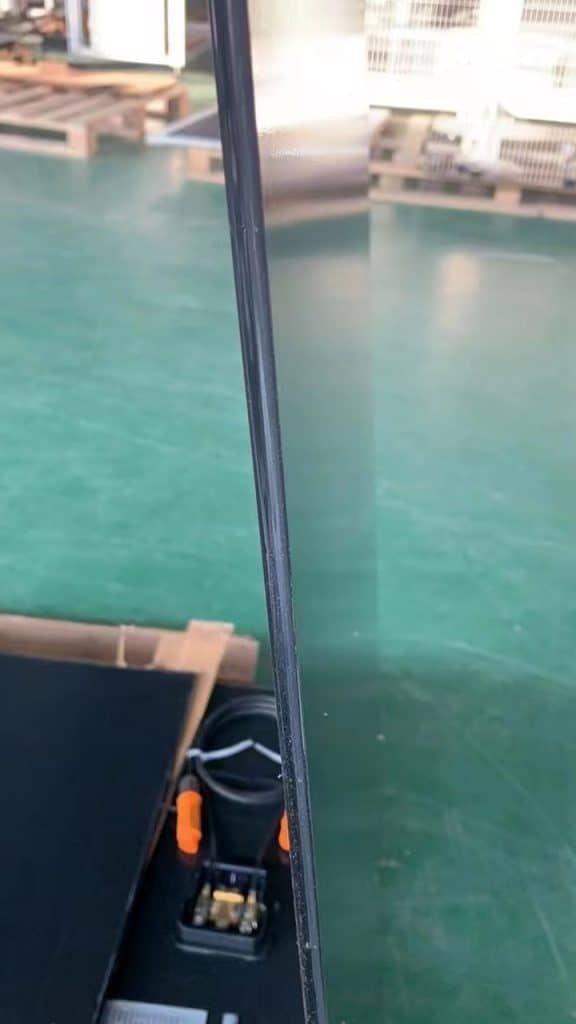
- Glass-on-glass panels: Only 5.0-6.4mm thick (about as thick as a pencil)
- Standard thickness: 4.2-4.6mm for regular 60-cell panels
- Two-sided panels: Can be up to 6.4mm thick when they use thicker glass
At Couleenergy, our frameless panels look sleek and modern while being much lighter. And don’t worry – they still perform just as well as framed panels!
Quick Comparison: Panel Types and Their Thickness
| Panel Type | How Thick? | Glass Setup | Best Used For |
|---|---|---|---|
| Regular Framed | 30-40mm | 3.2mm front glass + frame | Homes and business rooftops |
| Frameless Glass-Glass | 5.0-6.4mm | 2.0-3.2mm glass on both sides | Building integration, fancy architecture |
| Mixed-Thickness | 5.0-5.4mm | 2.0mm front + 3.2mm back | High-performance business projects |
Material Components Contributing to Thickness
Understanding what contributes to a solar panel’s thickness helps buyers evaluate quality and performance expectations.
How Glass Affects Thickness
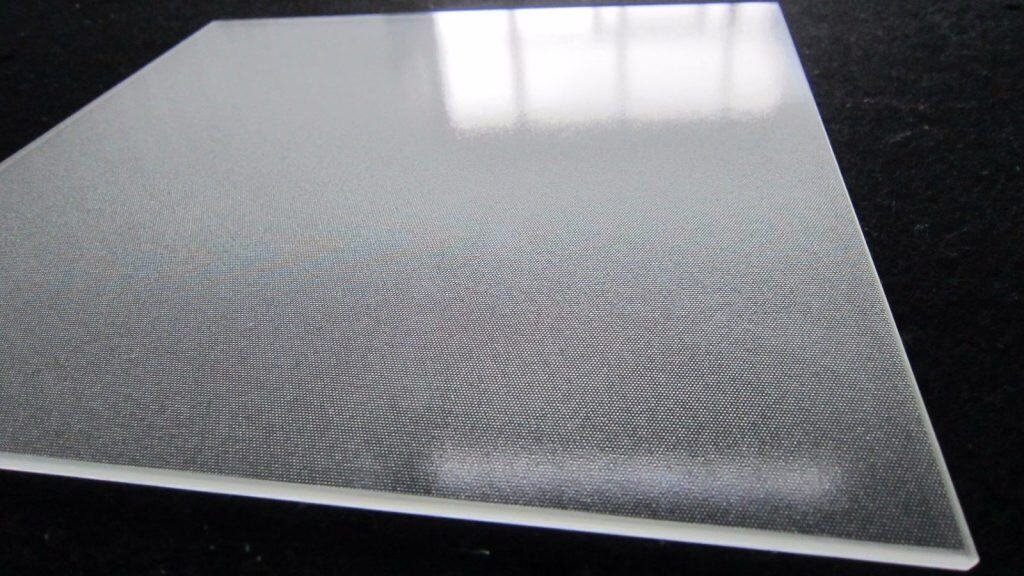
The glass on solar panels plays the biggest role in how thick they are:
- Front glass: Usually 3.2mm thick (about 1/8 inch), though premium panels might use thinner 2.0mm glass
- Back covering: Either a thin plastic sheet (0.3mm) or another piece of glass (2.0-3.2mm) for two-sided panels
- Light benefits: Thinner 2.0mm glass lets more sunlight through compared to standard 3.2mm glass
At Couleenergy, we use special low-iron glass with anti-reflective coatings. This helps our solar panels capture more sunlight while staying strong enough to handle harsh weather.
The Glue That Holds Everything Together
Between the glass and solar cells is a special layer that protects and binds everything:
- EVA (a special plastic): This common material adds about 0.4-1.0mm to thickness
- POE (another type of plastic): Some panels use this instead because it resists sun damage better
- What it adds: These layers don’t add much weight but they’re super important for keeping moisture out
What About the Solar Cells?
The actual solar cells are surprisingly thin:
- How thick? Only about 0.16mm – thinner than a human hair!
- What they add: Almost nothing to the overall thickness
- Different layouts: Whether a PV panel has 60 or 72 cells changes its length and width, but not its thickness
The Role of the Frame
For regular solar panels with frames:
- Frame thickness: Usually 30-40mm, making up about 85% of the total thickness
- What it does: Makes the solar panel stronger and gives you something to mount it with
- Weight factor: The aluminum frame adds about 5-10kg (11-22 pounds) to the panel’s weight
Special Focus: Laminated Solar Panel Configurations
Laminated solar panels offer unique advantages for specific applications, with special thickness considerations.
Expert Insight
Laminated panels with asymmetric glass configurations represent one of the most significant innovations in solar panel design, delivering substantial performance improvements through strategic thickness optimization.
Glass-Glass (Bifacial) Designs
Bifacial solar panels capture light from both sides, requiring glass on both front and back:
- Symmetric configurations: Equal glass thickness on both sides (2.0mm+2.0mm or 3.2mm+3.2mm)
- Total thickness: 5.0-7.4mm depending on glass selection
- Weight considerations: 8.2-11.5 kg/m² compared to 7.5-9.0 kg/m² for glass-backsheet designs
Couleenergy’s glass-glass panels deliver 10-20% additional energy yield through rear-side illumination, justified by the marginal weight increase.

Asymmetric Configurations: The 2.0mm Front + 3.2mm Back Advantage
This innovative design philosophy optimizes both light capture and durability:
- Front-side optimization: 2.0mm front glass increases light transmission
- Structural integrity: 3.2mm rear glass maintains 5,400 Pa snow load capacity
- Performance gain: 6.2% higher energy yield compared to symmetric 3.2mm designs
- Weight balance: 15% lighter than symmetric 3.2mm panels (6.8 kg/m² vs. 8.0 kg/m²)
Couleenergy’s asymmetric panels exemplify this balanced approach, delivering enhanced performance without compromising durability.
“After switching to Couleenergy’s asymmetric glass-glass panels, we’ve measured a 5.8% increase in annual energy production across our 2.5MW installation compared to our previous conventional panels. The balanced thickness profile provides excellent durability while maximizing light capture.”
– Mavis Rowell, Project Manager
Weight-to-Thickness Relationships
Panel thickness directly influences weight, with important logistical implications:
- Glass-backsheet laminates: 7.5-9.0 kg/m²
- Glass-glass laminates: 8.2-11.5 kg/m²
- Weight reduction strategies: Thinner glass (e.g., 2.0mm vs. 3.2mm) reduces weight by ~37.5% per layer
Application-Specific Thickness Requirements
Different installation scenarios demand particular thickness profiles for optimal performance.
Residential Rooftop Considerations
Residential applications balance weight constraints with durability needs:
- Standard thickness: 30-40mm framed panels remain most common
- Load considerations: Roof structural capacity may limit panel weight/thickness
- Aesthetic preferences: Thinner, frameless options offer sleeker appearances
Commercial and Utility-Scale Specifications
Larger installations prioritize longevity and weather resistance:
- Preferred configuration: 3.2mm+3.2mm symmetric glass-glass panels withstand frequent weather stressors
- Thickness justification: Thicker glass reduces annual degradation to 0.2% versus industry standard 0.5%
- Load capacity: 5,400 Pa snow load and 2,400 Pa wind load resistance
Building-Integrated Photovoltaics (BIPV)
Architectural integration demands specialized thickness profiles:
- Glass thickness: Typically 2.0mm front glass to match architectural glazing profiles
- Total thickness: 5.0-7.4mm for seamless façade integration
- Fire rating requirements: 3.2mm rear glass achieves Class A fire rating without additional barriers
Mobile and Transportation Applications
Vehicle-mounted systems require thoughtful thickness considerations:
- Vibration concerns: 5.0mm laminates reduce resonant frequency below 50 Hz
- Weight limitations: Lighter solar panels prevent excessive load on vehicle structures
- Mounting methods: Specialized adhesives replace conventional mounting hardware

Extreme Environment Installations
Harsh weather conditions demand robust thickness specifications:
- Hail-prone regions: 3.2mm tempered glass withstands 35mm hailstones at 97 km/h
- Snow load zones: 5,400 Pa capacity requires minimum 3.2mm glass
- Coastal areas: Thicker glass resists salt spray corrosion for 25+ years
Couleenergy’s panels are certified for severe weather resilience, specifically engineered to withstand wind loads of 2,400 Pascal and snow loads of 5,400 Pascal, making them suitable for installation in challenging environmental conditions worldwide.
Thickness Impact on Performance and Durability
Panel thickness influences numerous performance factors beyond simple mechanical properties.
Weather Resistance
The relationship between thickness and weather resilience is direct:
- Impact resistance: 3.2mm glass withstands 35mm hailstones vs. 25mm tolerance for 2.0mm glass
- Wind loads: Thicker panels reduce vibration by 15% in high winds (140+ mph)
- Moisture protection: Adequate encapsulant thickness prevents moisture ingress
Thermal Management Considerations
Panel thickness affects operating temperature and efficiency:
- Heat dissipation: Thicker glass slightly improves thermal conductivity
- Temperature coefficient: Proper thickness balances rigidity with heat management
- Encapsulant influence: Thicker encapsulants (450µm vs. 300µm) may increase operating temperature by 2-3°C
Getting More Sunlight Through the Glass
The thickness of glass affects how much sunlight actually reaches the solar cells. Here’s what our tests show:
- Without special coatings:
- 2.0mm glass: lets through 91.5-91.7% of light
- 3.2mm glass: lets through 91.6-91.7% of light
- 4.0mm glass: lets through 91.5% of light
- With anti-reflective coating:
- 2.0mm glass: lets through 93.5-94.0% of light
- 3.2mm glass: lets through 93.6-94.0% of light
- 4.0mm glass: lets through 93.8% of light
- For two-sided panels: The back glass needs to be strong but still let some light through
- What coatings do: They cut reflection from 8% down to less than 2%, adding about 2.5% more energy each year
Lifespan and Degradation Rates
Thickness choices influence long-term performance:
- Warranty periods: Thicker glass-glass panels support 30-year warranties vs. 25 years for standard designs
- Annual degradation: 0.2-0.4% for glass-glass vs. 0.5-0.7% for conventional panels
- UV resistance: Thicker glass provides superior protection against UV-induced degradation
Transportation and Logistics Considerations
For international buyers, thickness impacts shipping logistics and costs.
Shipping Weight Calculations
Weight derived from thickness affects shipping capacity:
- Standard 60-cell framed panels: 18-23 kg each
- Glass-glass panels: 21.8-22.7 kg (60-cell)
- Container capacity: Thinner panels may allow 18% more units per shipping container
Packaging Requirements
Different thickness profiles require specialized packaging:
- Corner protection: Thicker frames provide inherent edge protection
- Stacking considerations: Thinner panels may require additional separation materials
- Compression resistance: Laminated solar panels need enhanced cushioning during transport
International Shipping Standards
Global transportation regulations influence packaging decisions:
- Breakage thresholds: International carriers enforce specific packing standards based on panel thickness
- Material certifications: Packaging must match panel durability expectations
- Environmental variations: Thermal expansion differences during transit require thickness-appropriate protection
Cost Implications for Global Trade
Thickness impacts total landed cost for international buyers:
- Weight-based shipping: Thicker/heavier PV panels incur higher freight costs
- Handling equipment: Specialized equipment may be required for thicker/heavier panels
- Installation efficiency: Thinner PV panels may reduce on-site labor requirements

Buying Guide: What to Consider When Comparing Thickness
When evaluating thickness options, consider these key factors:
Application-Specific Recommendations
Match thickness to your specific project needs:
- Residential rooftops: 30-40mm framed or 2.0mm+3.2mm asymmetric glass-glass panels
- Commercial installations: 3.2mm+3.2mm glass-glass for maximum durability
- BIPV applications: 2.0mm front glass for architectural compatibility
- Extreme environments: Minimum 3.2mm glass on both sides
Climate and Installation Location Factors
Environmental conditions should influence thickness selection:
- High snowfall regions: Minimum 3.2mm glass for 5,400 Pa load capacity
- Hurricane-prone areas: Thicker frames reduce wind vibration
- Desert environments: Thinner front glass (2.0mm) maximizes energy production
Balancing Cost, Weight, and Performance
Consider the complete value equation:
- Initial investment: Thicker panels typically cost 3-8% more
- Energy yield: Thinner front glass may increase production by 2-3%
- Lifetime value: Thicker glass-glass panels offer lower degradation rates
Warranty Implications Related to Thickness
Understand how thickness affects long-term protection:
- Standard warranties: 25 years for conventional panels
- Extended warranties: 30+ years for glass-glass designs
- Degradation guarantees: 0.2-0.4% annual for thicker designs vs. 0.5-0.7% for standard panels
Contact Our Experts for Personalized Guidance
Wrapping Up: Choosing the Right Thickness for Your Needs
So what have we learned about solar panel thickness? It’s all about finding the right balance between strength, performance, and practicality for your specific situation.
For homes, our standard 30mm framed panels like the CLM-430M-54 Series are a safe bet. They’re reliable, efficient (up to 21.48%), and work with standard mounting systems. If you’re working on a commercial project, you might want to consider the extra-durable glass-on-glass designs. And for buildings where looks matter, the slim frameless panels with 2.0mm front glass offer both style and performance.
What makes Couleenergy different? We test every single solar panel twice (we call this “100% twice EL testing”) to catch any hidden flaws. We have all the important certifications (ISO 9001:2015, CE, TUV …). And we stand behind our products with a 12-year warranty and a 25-year performance guarantee.
Our solar panels combine smart thickness design with advanced features like half-cut cells and multi-busbar technology. This means they waste less power and perform better in all kinds of light conditions – even on cloudy days!
Choosing the right thickness can make a huge difference in how well your solar system performs and how long it lasts. With Couleenergy solar panels, you don’t have to choose between efficiency and durability – you get both!



 English
  Español
  Français
  Deutsch
  Русский
  العربية