

Planning to harness solar energy for your water pumping needs? Whether you’re a farmer, rancher, or homeowner, understanding the fundamental aspects of solar pumping systems is crucial for success. In this first part of our three-part series, we’ll explore the essential planning points that form the foundation of an efficient solar pumping system.
“The success of a solar pumping system lies 80% in proper planning and 20% in implementation. Get the basics right, and everything else falls into place.”
– Solar Water Pumping Association
Understanding Water Requirements
The cornerstone of any successful solar pumping system is a clear understanding of your daily water needs. Let’s break down how to calculate this crucial factor.
Daily Water Consumption Guidelines
| Purpose | Daily Requirement | Notes |
|---|---|---|
| Domestic Use (per person) | 50-100 gallons | Includes drinking, washing, and basic household needs |
| Dairy Cow | 30-35 gallons | Higher needs during milk production |
| Cow/Calf Pair | 20 gallons | Varies with climate and feed type |
| Horse | 15-20 gallons | More in hot weather or during exercise |
| Sheep | 2 gallons | Increases during lactation |
| Pig | 4 gallons | More for breeding sows |
Pro Tip: Always add 10-20% to your total calculated water needs to account for system losses and future expansion.
Calculating Total Daily Requirements
Follow these steps to determine your total daily water needs:
- List all water uses (domestic, livestock, irrigation)
- Multiply each use by the number of users
- Sum all requirements
- Add 10-20% for system losses

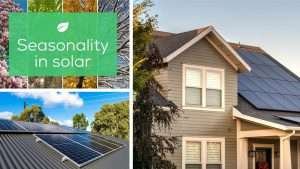
Seasonal Variations Matter
Water needs aren’t constant throughout the year. Understanding seasonal variations is crucial for proper system sizing.
Peak Season (May-July)
- Highest water demand
- Maximum sunlight available
- System design reference point
- Storage needs critical
Off-Peak (Jan-March)
- Lower water requirements
- Reduced sunlight hours
- Maintenance period
- System efficiency checks
Site Assessment Essentials
A thorough site assessment ensures optimal system placement and performance. Key factors include:
- 🌞 Solar exposure analysis
- 📍 Optimal array location
- 🌳 Shading considerations
- 🏗️ Ground stability assessment
- 📏 Distance to water source
Important: Always conduct a professional site survey before finalizing your system design. Small details in site selection can have big impacts on system performance.
Water Source Evaluation
Your water source characteristics directly influence system design and component selection. Consider these crucial factors:
Source Types
- Deep wells
- Shallow wells
- Surface water
- Rainwater collection
Key Measurements
- Static water level
- Dynamic water level
- Recovery rate
- Water quality
“The reliability of a solar pumping system depends on the quality of its components and how well they work together. Choose wisely, configure properly.”
– Solar Engineering Institute
Solar Array: The Power Source
The solar array is your system’s powerhouse. Here’s what you need to know about selecting and configuring your panels:
Panel Specifications
- Power rating (watts)
- Voltage output
- Current specifications
- Temperature coefficients
Mounting Considerations
- Fixed vs. tracking systems
- Optimal tilt angle
- Wind load resistance
- Access for maintenance
Pro Tip: Solar trackers can increase energy yield by up to 30% but require more maintenance. Consider the cost-benefit ratio for your specific situation.

Pump Selection Guide
Choosing the right pump is crucial for system efficiency. Here are your main options:
| Pump Type | Best For | Max Depth | Key Features |
|---|---|---|---|
| Submersible | Deep wells | 700 feet | High efficiency, reliable |
| Surface | Shallow water | 20 feet | Easy maintenance, lower cost |
| Floating | Ponds, lakes | N/A | Adaptable to water level changes |
Controllers and Electronics
The controller is the brain of your solar pumping system. Modern controllers offer:
- 🔄 Maximum Power Point Tracking (MPPT)
- ⚡ Dry run protection
- 📱 Remote monitoring capabilities
- 🔌 Multiple input power options
- ⚠️ Fault detection and protection
Important: Always match your controller specifications to both your solar array and pump requirements. Mismatched components can lead to poor performance or system failure.
Storage Solutions
Water storage is essential for consistent supply. Here’s how to plan your storage system:
Tank Sizing Factors
- Daily water needs
- Days of autonomy
- Space constraints
- Budget limitations
Storage Types
- Ground-level tanks
- Elevated tanks
- Underground cisterns
- Pressure tanks
Backup Power Options
Consider these backup solutions for continued operation during low-light periods:
- Battery storage systems
- Grid connection (if available)
- Generator backup
- Hybrid power systems
“Regular maintenance is the key to long-term success. A well-maintained solar pumping system can operate efficiently for 20+ years.”
– International Solar Pumping Association
Essential Maintenance Schedule
| Timeframe | Tasks | Importance |
|---|---|---|
| Weekly | Clean solar panels, check for debris | High |
| Monthly | Inspect connections, check flow rates | High |
| Quarterly | Test water quality, check pump performance | Medium |
| Annually | Professional system inspection | Critical |
Common Issues and Solutions
Mechanical Issues
- Pump wear and tear
- Bearing problems
- Clogged filters
- Pipe leaks
Electrical Issues
- Controller failures
- Loose connections
- Panel degradation
- Sensor malfunctions
Pro Tip: Keep a maintenance log to track system performance and identify patterns in any issues that arise. This helps with preventive maintenance and troubleshooting.
System Protection Measures
- 🛡️ Install surge protectors
- 🌡️ Use temperature monitoring
- 💧 Add water level sensors
- 🔒 Implement security measures
- ⚡ Monitor power quality
Performance Optimization
Maximize your system’s efficiency with these optimization strategies:
Daily Optimization
- Monitor flow rates
- Check operating pressure
- Clean panels as needed
- Adjust timing settings
Seasonal Adjustments
- Update timer settings
- Adjust panel tilt
- Check insulation
- Inspect weather protection
Important: Never attempt repairs on electrical components without proper training. Always consult qualified technicians for complex issues.

Environmental Considerations
Protect your system from environmental challenges:
- Dust and debris management
- Storm protection measures
- Wildlife deterrent systems
- Freeze protection in cold climates
- Corrosion prevention in coastal areas
Long-Term Care Strategies
Ensure your system’s longevity with these long-term care strategies:
- Develop a comprehensive maintenance schedule
- Build relationships with reliable service providers
- Keep spare parts inventory
- Document all maintenance activities
- Plan for eventual component replacement
Emergency Preparedness
Be ready for system emergencies:
Emergency Kit Contents
- Basic tools
- Spare fuses
- Emergency contacts
- System manual
Backup Plans
- Alternative water sources
- Temporary pumping solutions
- Emergency power options
- Service agreements
Conclusion
A well-maintained solar pumping system can provide reliable service for decades. By following these maintenance and optimization guidelines, you’ll maximize your system’s efficiency and lifespan while minimizing operational issues.
Last updated: February 13, 2025



 English
  Español
  Français
  Deutsch
  Русский
  العربية
2 Comments
Thanks for sharing this great blog, I like your way of explanation about the solar water pump. Vincent solar energy is also good at manufacturers of solar water pumps.
Hello, if you want to best solar water pump manufacturers in jaipur then visit Vincent Solar Manufacturers. for more info you can call us @ 9571188554