Towards a Solar-Powered Planet

Inspire Change

How to Ship Solar Panels from China Cost-Effectively: Container Capacity by Wattage, LCL vs FCL, Current Rates

Container capacity for solar panels varies 130% by wattage—yet most guides ignore this critical factor. Discover how 250W panels fit 1,800 per container while 500W panels fit only 700, dramatically affecting freight costs. This verified guide provides wattage-specific capacity data, container optimization strategies, and complete landed cost breakdowns to maximize your import profitability.
Sample Fees When Importing Customized Solar Panels: Complete Deduction & Negotiation Guide

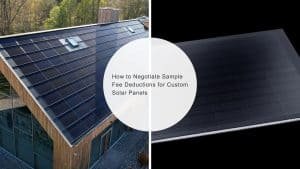
Sample fees are standard practice when importing custom solar panels from China—but they’re often deductible from your production order. This comprehensive guide explains the 4-phase relationship progression, negotiation strategies, and documentation requirements. Learn how to secure 50-100% deductions, manage multiple iterations, and build profitable long-term supplier partnerships.

How to Share Raw Material Price Risk When Importing Custom Solar Panels from China

Most solar panel contracts fail to address raw material volatility properly—leaving one party vulnerable when markets move. This guide shows you five proven risk-sharing strategies: index-based adjustments, cost-based verification, open-book models, volume-tiered pricing, and collaborative hedging. Includes real calculation examples, current market data, and implementation tips for contracts of every size.

How to Negotiate Price Tiers When Importing Custom Solar Panels from China

Get direct factory pricing on customized solar panel solutions by mastering these negotiation fundamentals. From HPBC panels with flexible MOQs to standard photovoltaic modules, learn how to time purchases strategically, bundle specifications smartly, and build relationship capital with Chinese manufacturers. Includes container capacity charts, realistic timeline expectations, and quality red flags to watch for.

Payment Terms for Importing Custom Solar Panels

How to Protect Your Investment: Payment Terms for Custom Solar Panel Imports from China

Worried about payment risks when importing custom solar panels? This guide shows you exactly how to structure secure payment terms with Chinese manufacturers. Learn deposit strategies, inspection milestones, verification protocols, and payment methods that evolve from cautious first orders to flexible long-term partnerships.

What Incoterms Should I Choose When Importing Custom Solar Panels from China?

Confused by FOB, CIF, and DDP terms when buying solar panels direct from manufacturer? You’re not alone. Understanding Incoterms for custom solar panels determines who pays shipping, who bears risk, and how insurance works. Our guide compares all options with real-world examples, common mistakes to avoid, and a pre-signing checklist to protect your investment when importing from China.

Bifacial Solar Panels: Complete Guide to Dual-Sided Solar Technology

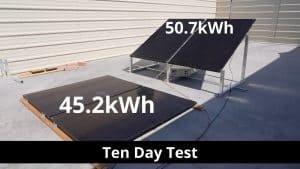
Professional installation determines bifacial panel performance. This comprehensive guide covers proper mounting height (0.5-1.5 meters for ground-mount), optimal array spacing to maximize rear-side irradiance, electrical configuration for increased current capacity, and site preparation for high-albedo surfaces. Includes safety requirements, monitoring best practices, and climate-specific optimization strategies backed by field research.

Customized Solar Panels: When to Choose Tier 1 vs. Specialized Manufacturers

When sourcing solar panels for your business, hundreds of manufacturers claim “Tier 1” status and promise customization. But how many are telling the truth? This guide shows you exactly how to identify real Tier 1 manufacturers, verify their claims, and understand why most Tier 1 companies actively avoid custom work—and where to find genuine custom capability instead.

Importing Advanced Solar Panel Technologies from China: Guide to HPBC, TOPCon, and Long-Term Performance

Solar panel importers face a critical technology choice: HPBC efficiency leaders, N-Type TOPCon market dominators, or HJT temperature champions. The wrong selection costs you in warranty claims and competitive positioning. This guide provides technical comparisons, climate-specific recommendations, quality control protocols, and supplier vetting strategies so you can confidently match technologies to your target markets.

en_USEnglish