

Are you tired of paying distributor markups on solar panels? Smart B2B buyers are going straight to manufacturers. This approach can reduce costs significantly while giving you better control over your projects.
But buying direct isn’t always straightforward. You need to understand the process, know what to verify, and avoid common pitfalls.
🎯 What You’ll Learn
- How to identify reliable manufacturers
- Which certifications actually matter for quality
- Smart negotiation strategies for better terms
- Risk management techniques that work
- Quality control processes you can implement
Why Buy Direct from Manufacturers
Understanding the Supply Chain
Every company in the supply chain adds their profit margin. Here’s how it typically works:
| Supply Chain Model | How It Works | Cost Impact |
|---|---|---|
| Traditional Distribution | Manufacturer → Distributor → Dealer → You | Multiple markups added |
| Direct Purchase | Manufacturer → You | Factory pricing only |
Important Note: Direct buying can reduce costs, but success depends on proper research, quality verification, and risk management.
Benefits Beyond Cost Savings
While cost reduction is attractive, direct purchasing offers other advantages:
- Direct quality oversight: Visit factories and see production processes
- Technical support access: Talk directly to engineers and designers
- Customization opportunities: Get panels designed for specific project needs
- Supply chain transparency: Know exactly when and how your panels are made
How to Evaluate Manufacturers
Essential Certifications to Verify
Not all certifications provide equal protection. Focus on these critical standards:
Must-Have International Standards:
- IEC 61215 certification[^1]: Design qualification and performance testing
- IEC 61730: Safety requirements and environmental testing
- IEC 61701: Salt mist corrosion resistance testing
| Certification Type | What It Verifies | Required Markets |
|---|---|---|
| CE marking | European safety compliance | All EU countries |
| TÜV certification | Independent third-party testing | Quality assurance globally |
| UL certification | US safety standards | United States projects |
| MCS certification | UK government standards | United Kingdom incentives |
| ISO 9001 quality management[^4] | Quality management systems | Good business practice |
⚠️ Regional Differences: Certification requirements vary significantly by country and application. Always verify local requirements for your specific market before making commitments.
Production Capability Assessment
Before placing significant orders, verify the manufacturer can deliver consistently. Key areas to investigate:
- Current monthly production capacity vs your order size
- Number of active production lines and backup equipment
- Typical lead times for orders similar to yours
- References from customers with comparable requirements
- Quality consistency across different production runs
⚠️ Due Diligence Tip: Request factory visits or hire third-party auditors for major partnerships. Reputable manufacturers welcome this scrutiny and see it as a sign of serious buyers.
International Trade Experience
Manufacturing quality panels is one skill. Shipping them globally without damage or delays is entirely different. Look for:
- Proven export track record: Minimum 5+ years in international markets
- Geographic diversity: Active sales across multiple continents
- Logistics partnerships: Relationships with established international shippers
- Documentation expertise: Experience with customs procedures and trade compliance
- Market knowledge: Understanding of your local regulations and standards
Smart Approaches to Direct Purchasing
Progressive Order Strategy
Reduce risk by building relationships gradually. Follow this proven progression:
- Sample evaluation phase: Order 5-10 panels for testing and compatibility verification
- Pilot project: 50-100 panels to evaluate delivery, support, and quality
- Scaling phase: 200-500 panels while optimizing logistics and processes
- Partnership level: 1000+ panels with established trust and refined procedures
Negotiating Better Terms
Experienced manufacturers value long-term relationships. Structure negotiations around mutual benefit:
| Negotiation Area | What to Request | Reasonable Expectations |
|---|---|---|
| Minimum Orders | Flexible MOQ policies | 100-200 panels vs full container loads |
| Payment Terms | Risk-sharing arrangements | Partial upfront, balance on delivery/approval |
| Quality Control | Inspection rights and standards | Pre-shipment verification options |
| Volume Incentives | Progressive discount structure | Better pricing as relationship develops |
Implementing Quality Controls
Protect your investment with systematic quality verification:
- Third-party inspection: Independent quality verification before shipment
- Performance testing: Flash testing to verify power output specifications
- Visual inspection protocols: Systematic checking for physical defects
- Documentation requirements: Complete test reports and certifications
- Ongoing monitoring: Regular audits of production quality consistency
Managing Common Challenges
Communication and Cultural Factors
Challenge: Language barriers, time zones, and cultural differences affecting communication.
Practical Solutions:
- Document all important agreements in writing
- Schedule regular calls during overlapping business hours
- Work with manufacturers who have native English-speaking sales teams
- Use clear, simple language and avoid technical jargon in communications
Quality Consistency Issues
Challenge: Maintaining consistent quality across different production batches.
Practical Solutions:
- Write detailed quality specifications into purchase contracts
- Request batch testing reports before each shipment approval
- Establish clear procedures for handling defective or substandard products
- Implement incoming quality inspection protocols
International Trade Complexities
Challenge: Complex shipping logistics, customs procedures, and import duties.
Practical Solutions:
- Partner with manufacturers experienced in your target markets
- Obtain detailed cost breakdowns before committing to orders
- Develop relationships with multiple suppliers for supply security
- Work with experienced customs brokers and freight forwarders
⚠️ Critical Trade Warning: Import duties on solar panels can be extraordinarily high[^2]—in some cases reaching hundreds or even thousands of percent of the panel value. This particularly affects imports from Southeast Asian countries. Always verify current duty rates for your specific source country before making purchase commitments. These rates change frequently and can make projects economically unviable.

Understanding Solar Panel Technologies
Current Technology Options
Modern manufacturers offer several panel technologies with different performance characteristics:
| Technology Type | Efficiency Range | Key Advantages | Best Applications |
|---|---|---|---|
| PERC cells | 21-23% | Proven technology, good value | Standard commercial installations |
| TOPCon cells | 24-25% | Superior efficiency while maintaining cost competitiveness | Ground-mounted and elevated systems |
| Back contact (BC) technology[^3] | 25-27% | Highest efficiency, premium aesthetics | High-efficiency and premium projects |
Customization Possibilities
Direct manufacturer relationships enable customization options unavailable through distributors:
- Power specifications: Custom wattage ratings for specific applications
- Physical dimensions: Panels sized for unique installation constraints
- Aesthetic preferences: All-black designs for premium appearance
- Environmental adaptations: Marine-grade coatings, flexible designs, extreme weather specifications
- Integration features: Building-integrated PV (BIPV) solutions
Financial Planning and Risk Management
Total Cost Considerations
Direct purchasing involves multiple cost components beyond panel prices. Budget for these additional expenses:
| Cost Category | What It Covers | Important Considerations |
|---|---|---|
| International Shipping | Transportation to your location | Costs vary significantly by route and timing |
| Import Duties & Taxes | Government-imposed trade fees | Can be extremely high – verify before ordering |
| Storage & Handling | Warehousing during project delays | Monthly costs accumulate quickly |
| Quality Verification | Independent inspection services | Essential for large orders and new suppliers |
| Working Capital | Cash tied up during shipping and customs | Plan cash flow for extended payment cycles |
⚠️ Cost Planning Note: The cost estimates in this guide are general ranges that vary significantly based on specific circumstances, timing, and market conditions. Always obtain detailed quotes for your specific situation.
Risk Mitigation Strategies
- Supplier diversification: Develop relationships with 2-3 reliable manufacturers
- Comprehensive insurance: Coverage for shipping damage, quality issues, and delays
- Inventory optimization: Balance cost savings against cash flow requirements
- Contract protection: Clear terms for delivery, quality standards, and warranty support
- Market monitoring: Stay informed about trade policy changes and market conditions
⚠️ Shipping Damage Reality: Industry experience shows that 1-3% of solar panels typically arrive with some damage during international shipping. This is normal for the industry. Plan for replacement inventory and factor this into your project costs and timelines.
Technology Focus: Back Contact Solar Panels
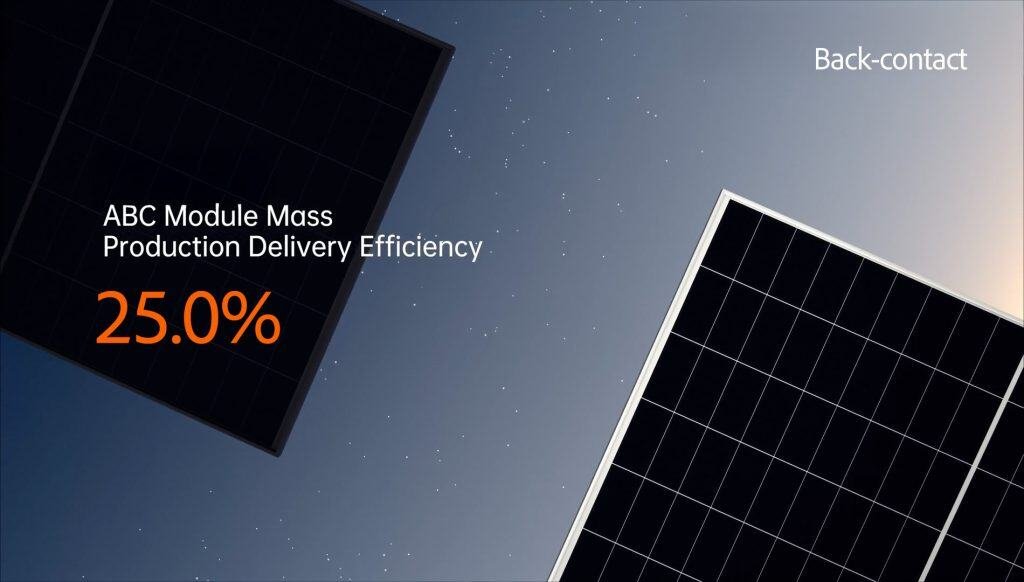
Back contact (BC) technology represents current state-of-the-art in solar panel design. This technology moves all electrical connections to the panel’s rear surface.
Current Performance: The most advanced BC panels now achieve over 25% efficiency[^5] in commercial production. Laboratory demonstrations have reached 27-28%, significantly outperforming traditional panel designs.
BC Technology Advantages
- Superior module efficiency: 25% vs 21-22% for conventional panels
- Enhanced aesthetics: No visible electrical connections on the front surface
- Better shade tolerance: Improved performance under partial shading conditions
- Premium market positioning: Higher value proposition for quality-focused customers
Optimal BC Panel Applications
- Premium residential installations where appearance is critical
- Commercial projects requiring maximum power density
- Building-integrated installations where panels are architectural elements
- Specialized applications like marine and recreational vehicle systems
Is Direct Purchasing Right for Your Business?
✅ Direct purchasing works well if you have:
- Sufficient order volumes to justify the additional effort
- Quality control capabilities or access to inspection services
- Extended project timelines that accommodate longer lead times
- Supply chain management resources to handle logistics complexity
- Risk tolerance for international trade uncertainties
⚠️ Consider traditional distribution if you:
- Need immediate availability for urgent projects
- Prefer comprehensive service packages and support
- Process smaller or irregular order volumes
- Lack resources for supplier management and quality control
- Require local inventory and same-day delivery options
Measuring Success and Performance
Track these key performance indicators to evaluate direct purchasing effectiveness:
- Total cost per watt: Compare all-in costs between direct and distributor purchasing
- Quality metrics: Monitor defect rates, warranty claims, and customer satisfaction
- Delivery performance: Track on-time delivery rates and lead time consistency
- Cash flow impact: Analyze working capital requirements vs savings achieved
- Customer satisfaction: Gather feedback on panel performance and project outcomes
- Relationship development: Assess supplier responsiveness and partnership value
Strategic Next Steps
The solar industry continues evolving rapidly. Forward-thinking companies are taking control of their supply chains and building strategic relationships with manufacturers who understand their requirements.
Direct purchasing isn’t suitable for every situation or organization. But for companies prepared to invest in supplier relationships and quality management processes, the benefits can be substantial—both financially and strategically.
Success in direct purchasing depends on finding manufacturers who combine proven technology, reliable quality, flexible business terms, and genuine commitment to partnership.
🚀 Ready to Explore Direct Manufacturer Relationships?
Begin by clearly defining your requirements and connecting with established manufacturers who have proven experience in your market segment.
Look for partners who offer advanced technology, flexible order requirements, and demonstrated export experience to global markets.
⏰ Market Timing: Companies that establish direct supplier relationships and control their supply chains gain significant competitive advantages. The question isn’t whether to consider direct purchasing—it’s which manufacturer will become your strategic partner for sustainable growth.
Begin your evaluation process today. Market leaders are already implementing these strategies.
Contact: info@couleenergy.com, +1 737 702 0119 (WhatsApp)
References and Further Reading
[^1]: IEC 61215 certification – Official international standard for solar panel design qualification and performance testing requirements.
[^2]: Import duties can be extremely high – Current trade policy information showing duties reaching thousands of percent on some imports.
[^3]: Back contact (BC) technology – Technical overview of advanced solar cell design with all electrical connections on the rear surface.
[^4]: ISO 9001 quality management – International standard for quality management systems and continuous business process improvement.
[^5]: Solar panel efficiency claims – Current market data on commercial solar panel efficiency ratings and laboratory performance achievements.




 English
  Español
  Français
  Deutsch
  Русский
  العربية