Understanding 200W Solar Panel Pricing Factors and Selection Guide
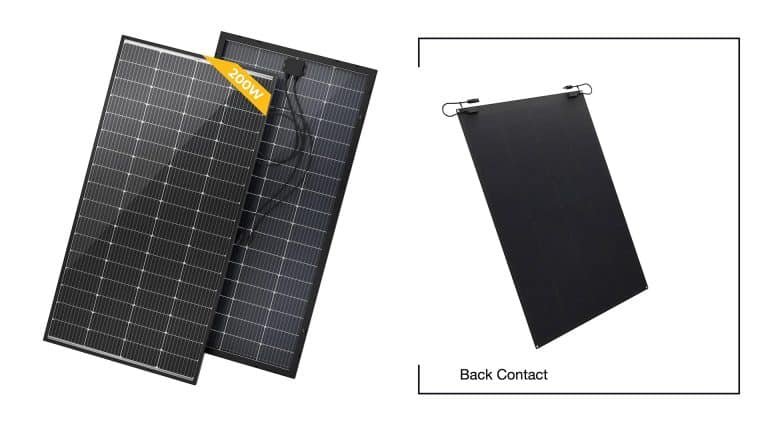
Need custom 200W solar panels? We manufacture to your exact specifications with MOQ starting at 100 units. Free engineering support included.

Need custom 200W solar panels? We manufacture to your exact specifications with MOQ starting at 100 units. Free engineering support included.

Premium solar technology has reached a tipping point. With HPBC cells achieving 25% module efficiency and ETFE materials creating ultra-light panels that bend over 240 degrees, today's advanced solar solutions solve problems that were impossible just five years ago. The question isn't whether to go solar—it's which technology fits your specific needs.
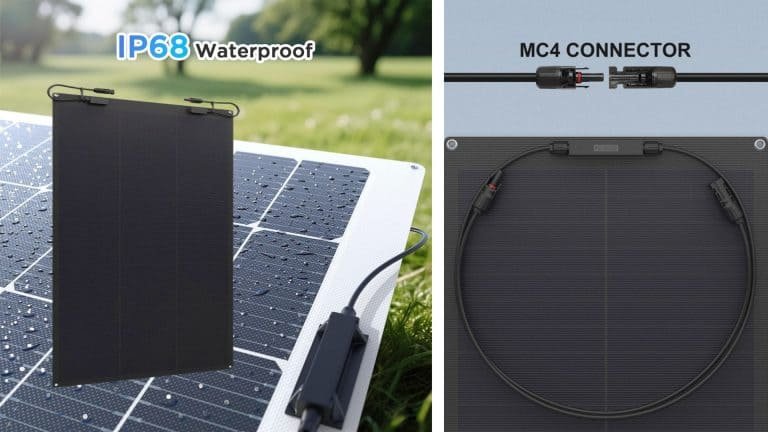
HPBC technology reaches 27.81% cell efficiency, 30% more power than standard flex panels. While others deliver 15–17%, our 100W modules achieve 20–22%. Buy factory direct and save 30–40%. Request your ROI calculator and test panel today.
Cheap solar panels can become costly when quality, shipping, and warranty risks are ignored. In 2024 alone, over 600,000 buyers faced failures from low-cost suppliers. This guide reveals how to secure genuine savings while protecting your investment.
From a factory to your rooftop, solar panels pass through multiple markups that multiply costs. Learn how supply chain optimization and direct sourcing can reduce your residential solar panel cost without sacrificing quality or warranties.

Forcing the wrong solar technology costs money and performance. This guide provides clear decision frameworks for choosing between bifacial's energy gains, glass-glass's durability, or custom solutions when standard panels won't work.

Solar panels last decades, so picking the right type matters. This guide compares mono-glass and glass-glass designs with focus on cost, reliability, and output. You’ll see how safety, weight, and maintenance differ, and which option suits residential rooftops or utility-scale projects. Make an informed choice before you buy.

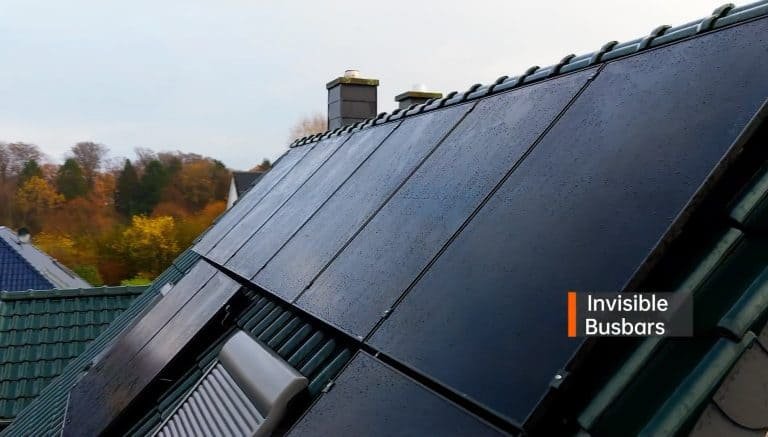
BIPV technology is revolutionizing buildings worldwide, transforming ordinary windows, walls, and roofs into power-generating assets. Unlike traditional solar panels that sit on top of structures, BIPV becomes the building itself—protecting from weather while silently producing electricity for 25-30 years.

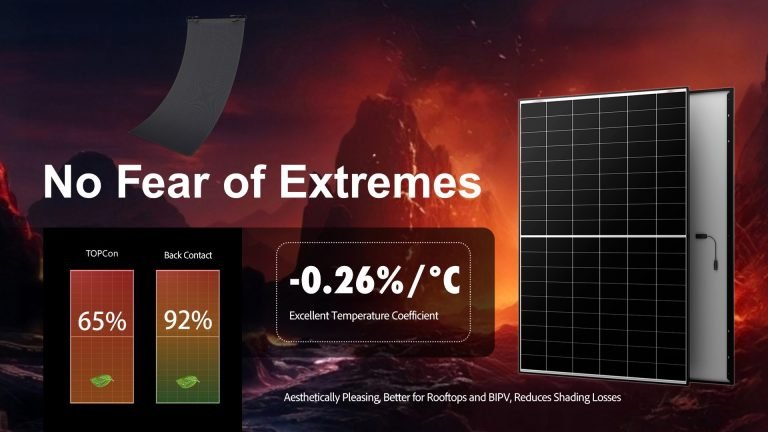
Back Contact technology eliminates the fatal flaws of front-contact flexible panels: no efficiency-blocking busbars, superior bending resistance, and reduced hotspot formation. Combined with ETFE protection, these panels finally deliver on flexibility's promise.
 English
  Español
  Français
  Deutsch
  Русский
  العربية