

⚡ Quick Summary: Selecting the right solar panel manufacturer impacts your project success for decades. This comprehensive guide covers financial stability assessment, advanced technology options including back contact cells, customization capabilities, and real-world supply chain strategies for 2024-2025.
Your Manufacturing Partner Shapes Your Solar Success
When you need reliable solar panels for your projects, your manufacturer choice matters more than price alone. Whether you need custom PV panels for architectural integration, advanced back contact technology for maximum efficiency, or standard solar panels for commercial installations, your manufacturing partner directly impacts project outcomes.
The reality: Your manufacturing partner affects everything from project timelines to long-term performance. A manufacturer who can’t meet your technical requirements, delivery schedules, or quality standards doesn’t just cost money—they risk your reputation and future business.
The difference between successful solar businesses and those constantly struggling? It’s not about finding the cheapest option. It’s about partnering with manufacturers who understand your specific needs, deliver consistent quality, adapt to market changes, and support your growth over time.
🏭 Understanding Today’s Solar Manufacturing Landscape
The solar manufacturing landscape has transformed dramatically, with global capacity approaching 1,100 GW as of 2024. Understanding your options helps you make strategic decisions.
| Manufacturer Type | Production Scale | Best For | Key Advantages | Typical Order Size |
|---|---|---|---|---|
| Tier 1 Giants | >10 GW/year | Large-scale projects | Lowest cost, proven reliability | MW scale |
| Technology Leaders | 1-10 GW/year | High-efficiency needs | Advanced tech, back contact cells | Flexible |
| Specialized | 1-10 GW/year | Custom solutions | Design flexibility | Project-based |
| Regional | 100 MW-1 GW/year | Local projects | Faster response, local support | Adaptable |
Tier 1 Manufacturers: Industry Scale Leaders
Tier 1 manufacturers dominate global production with massive automated factories. Companies like JinkoSolar (shipping 92.9 GW in 2024), LONGi, and Trina Solar produce at unprecedented scales. They hold comprehensive international certifications and offer competitive per-watt pricing.
These giants excel at standard products and large-volume orders. Their automated production ensures consistency across millions of panels. They maintain global distribution networks and extensive warranty support. However, customization options typically remain limited as they focus on efficiency through standardization.
Choose Tier 1 when you need proven reliability at scale. They work best for utility projects, large commercial installations, and standardized deployments where consistency matters most.
Technology Leaders: Advancing Solar Innovation
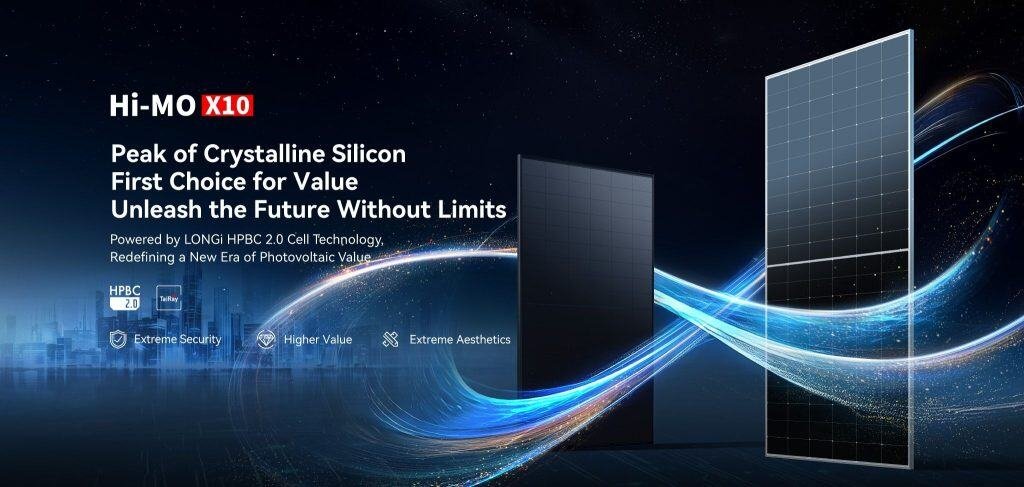
Technology-focused manufacturers push the boundaries of solar efficiency through innovations like back contact cells, heterojunction technology, and advanced TOPCon designs. Companies like Maxeon (formerly SunPower) lead with back contact technology that eliminates front-side shading, achieving efficiencies exceeding 24%.
Back contact solar panels represent the pinnacle of current commercial technology. By moving all electrical contacts to the rear of the cell, these panels maximize light absorption and minimize resistive losses. This design also improves aesthetics and durability, making them ideal for premium residential and commercial applications where performance and appearance both matter.
These manufacturers often provide extensive technical support and longer warranties (up to 40 years for some back contact products), reflecting their confidence in advanced technology.
Specialized Manufacturers: Custom Solution Experts
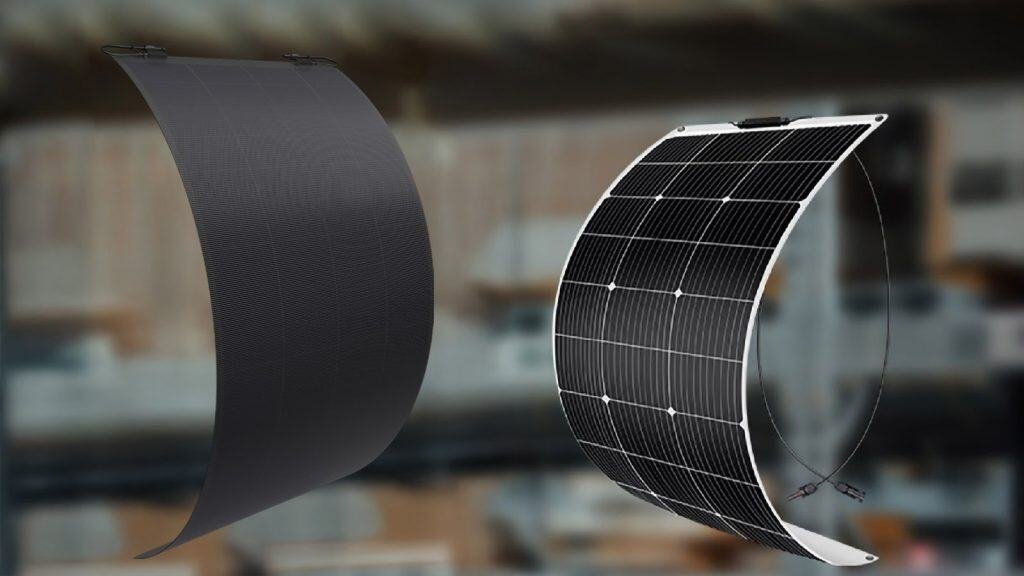
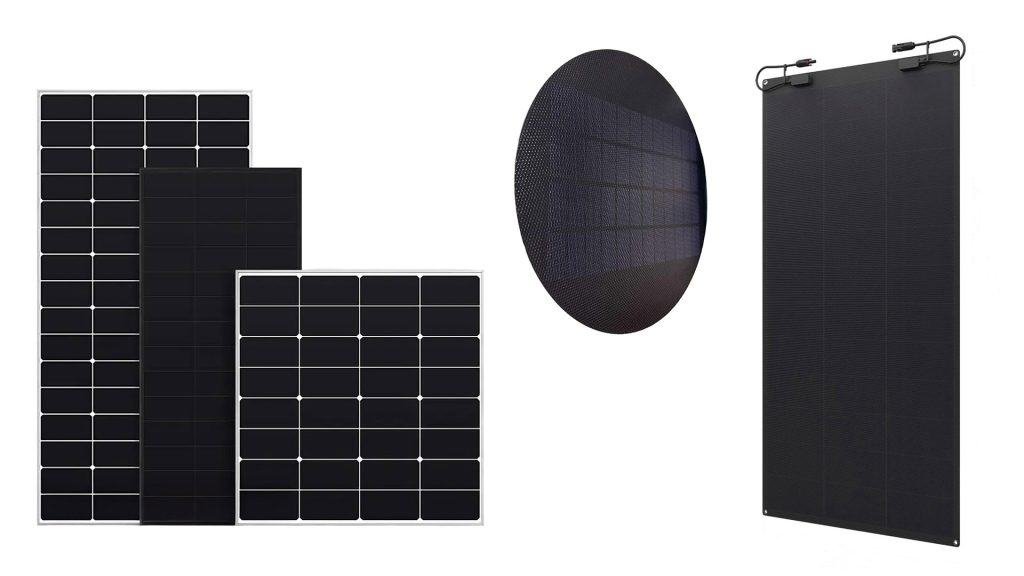
Specialized manufacturers balance production scale with customization capabilities. Operating at 1-10 GW annually, they maintain quality standards while offering flexibility. Many focus on specific applications like BIPV (Building-Integrated Photovoltaics), marine environments, or extreme weather solutions.
These manufacturers invest in flexible production lines that can adjust panel dimensions, power ratings, and aesthetic features without extensive retooling. They often provide engineering support for custom projects and respond faster than Tier 1 giants to special requests.
Specialized manufacturers suit projects requiring modifications—architectural integration, unique electrical configurations, or specific environmental adaptations. They bridge the gap between mass production and fully custom manufacturing.
Regional Manufacturers: Local Expertise and Service
Regional manufacturers operate at 100 MW to 1 GW yearly, offering distinct advantages through proximity and local knowledge. Communication happens in your time zone. Shipping takes days, not months. They understand local regulations, climate conditions, and market preferences.
These manufacturers often provide more personalized service. You might work directly with company leadership. They respond quickly to urgent needs and can accommodate smaller orders more flexibly. Some offer factory visits for quality verification.
Regional manufacturers work well for local installers and developers needing quick turnaround, frequent design iterations, or strong local support.
✅ Critical Evaluation Factors for Manufacturer Selection
Evaluating manufacturers requires systematic assessment across multiple dimensions. Here’s what matters most in today’s market.
1. Financial Health: Protecting Your Long-term Investment
Solar panels come with 25-30 year warranties, but warranties become worthless if the manufacturer disappears. Financial stability directly impacts your investment protection.
🔍 Financial Health Assessment Framework:
- Revenue Stability: Look for consistent growth over 3+ years
- Debt Management: Healthy debt-to-equity ratios (typically under 2:1)
- Market Presence: Minimum 10 years demonstrates resilience
- Asset Ownership: Owned facilities indicate commitment
- Customer Diversity: No single customer exceeds 30% of revenue
- Cash Flow: Positive operating cash flow for 2+ years
- Credit Ratings: Investment grade ratings when available
Request these documents for verification:
- Audited financial statements (3 years minimum)
- Bank reference letters
- Customer references with contact information
- Insurance certificates showing coverage levels
Recent industry consolidation has eliminated several manufacturers, leaving customers with orphaned warranties. Verify financial health before committing to protect your investment.
2. Production Capacity and Technology Capabilities
Manufacturing capacity and technology choices determine pricing, delivery times, and performance potential.
| Technology Type | Module Efficiency Range | Best Applications |
|---|---|---|
| Back Contact (BC) | 22-24%+ | Premium/space-constrained |
| HJT (Heterojunction) | 21-23% | High temperature areas |
| TOPCon | 21-22% | Commercial/utility |
| PERC | 19-21% | Standard applications |
Advanced Technology Options:
Back Contact Technology: Maxeon and other leaders offer back contact cells that move all electrical connections to the rear surface. Benefits include:
- Maximum light absorption without front-side shading
- Superior aesthetics with uniform appearance
- Enhanced durability with solid copper foundation
- Lower temperature coefficients for better hot-weather performance
- Industry-leading warranties (up to 40 years)
Customization Capabilities to Evaluate:
- Dimensional flexibility: Non-standard sizes for architectural integration
- Power configurations: Specific voltage and current requirements
- Aesthetic options: All-black designs, colored frames, custom finishes
- Environmental adaptations: Marine-grade, agricultural-resistant, extreme weather ratings
- Electrical customization: Various connector types, cable lengths, junction box positions
3. Quality Assurance Beyond Basic Standards
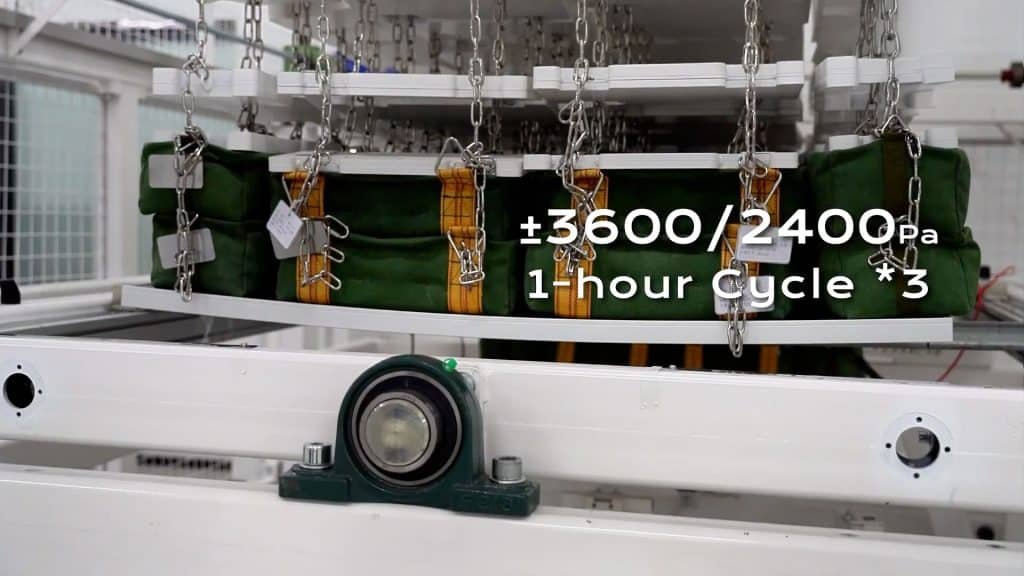
While certifications provide baseline quality assurance, focus on manufacturers’ actual quality control processes and track records.
Essential Quality Indicators:
Look for these quality practices:
- 100% electroluminescence (EL) testing to detect microcracks
- Flash testing on every panel for power verification
- Thermal imaging for hot spot detection
- Automated optical inspection systems
- Statistical process control throughout production
- Third-party factory audits and inspections
Modern manufacturers employ AI-driven inspection achieving 98-99% defect detection rates, compared to 85-90% for human inspection. This enables comprehensive inspection rather than sampling, significantly improving quality consistency.
4. Supply Chain Realities and Delivery Capabilities
Supply chains face ongoing challenges in 2024-2025. Understanding current realities helps set proper expectations.
Current Market Conditions (as of 2024-2025):
⚠️ Important Context: Lead times vary significantly by manufacturer, technology, and market conditions. Current factors affecting delivery include:
- Trade policy changes including tariffs up to 271% on some Southeast Asian imports (as of April 2025)
- Technology transitions as manufacturers shift to TOPCon and other advanced cells
- Raw material availability, particularly for specialized technologies
- Regional shipping and logistics variations
Always verify current lead times with specific manufacturers as conditions evolve rapidly.
Shipping and Logistics Fundamentals:
| Container Type | Panel Capacity* | Weight Considerations | Typical Use |
|---|---|---|---|
| 20-foot | 200-350 panels | Up to 28,000 kg | Smaller shipments |
| 40-foot | 500-700 panels | Up to 26,500 kg | Standard shipping |
| 40-foot HC | 600-800 panels | Up to 26,500 kg | Maximum volume |
*Actual capacity depends on panel size, packaging, and weight limits
5. Communication and Technical Support Excellence
Effective communication separates exceptional suppliers from merely adequate ones.
What to Expect from Quality Manufacturers:
| Query Type | Expected Response | Red Flag |
|---|---|---|
| Initial inquiry | Within 24 hours | >72 hours |
| Technical questions | Within 48 hours | >5 days |
| Quote request | 1-3 business days | >5 days |
| Quality issues | Within 24 hours | >48 hours |
Technical Support Capabilities:
- Pre-sale engineering and system design assistance
- Comprehensive documentation and specifications
- Installation guidance and troubleshooting
- Training programs for your teams
- Dedicated account management
- Field service support for major installations
🎯 Strategic Approaches to Solar Procurement
Understanding Modern Warranty Evolution
Warranties have evolved significantly, with 25-year product warranties now standard among quality manufacturers.
| Warranty Type | Current Standard | Premium Offering | Key Considerations |
|---|---|---|---|
| Product | 25 years | 30-40 years | Covers defects & failures |
| Performance | 85% @ 25 years | 90%+ @ 25 years | Power output guarantee |
| Linear Degradation | 0.5-0.7%/year | 0.35-0.4%/year | Annual power loss |
Back contact panels often feature superior warranties:
- 30-year product warranties (industry-leading)
- 88-92% power retention after 25 years
- 0.35% annual degradation rates
- Comprehensive coverage including labor in some markets
Order Planning and Logistics Optimization
Smart order planning maximizes value while managing cash flow effectively.
Strategic Ordering Approaches:
💡 Optimization Strategies:
- Annual planning: Negotiate framework agreements for predictable pricing
- Technology mixing: Balance premium (back contact) with standard panels
- Seasonal timing: Order during Q1-Q2 for better pricing and availability
- Inventory management: Maintain 30-60 day buffer stock for critical projects
- Flexible specifications: Qualify multiple models to avoid single-source dependency
Contract Negotiation for Long-term Success
Successful partnerships require well-structured agreements that protect both parties.
Essential Contract Elements:
- Technology specifications:
- Clear performance requirements and tolerances
- Technology roadmap alignment for future products
- Upgrade pathways as new technologies emerge
- Flexible delivery terms:
- Realistic lead times with buffer allowances
- Partial shipment options
- Priority allocation during shortages
- Quality assurance:
- Inspection rights and procedures
- Performance testing requirements
- Remedy procedures for non-conforming products
- Financial protection:
- Payment terms matching project cash flows
- Currency hedging for international transactions
- Performance bonds or guarantees for large orders
Emerging Technology Considerations
Stay competitive by understanding technology transitions affecting manufacturer selection:
Current Technology Shifts (2024-2025):
- Cell technology evolution: PERC to TOPCon/HJT migration accelerating
- Back contact adoption: Growing in premium residential and C&I markets
- Wafer size standardization: 182mm and 210mm becoming dominant
- Bifacial penetration: Exceeding 70% market share
- Power ratings inflation: 500W+ residential, 600W+ commercial now standard
- Smart integration: Built-in optimizers and rapid shutdown becoming common
Choose manufacturers investing in next-generation technology to ensure competitive products as markets evolve.
🏆 Why Couleenergy Delivers Manufacturing Excellence
The Couleenergy Advantage: Partnership Beyond Products
At Couleenergy, we understand that selecting a manufacturer means more than comparing specifications. You need a partner invested in your long-term success.
Advanced Technology Access
We offer comprehensive technology options to match your project requirements:
- Back contact technology: Premium efficiency solutions for demanding applications
- TOPCon cells: Balanced performance and value for commercial projects
- Custom configurations: Tailored solutions for unique requirements
- Dimensional flexibility: From compact to oversized panels
- Aesthetic options: All-black, colored, frameless designs
- Environmental specifications: Marine, agricultural, extreme weather adaptations
Quality Excellence Through Innovation
Every Couleenergy panel reflects our commitment to perfection:
- Premium materials: Tempered glass, anodized aluminum, advanced encapsulants
- Comprehensive testing: 100% EL inspection, flash testing, thermal imaging
- Advanced quality control: AI-assisted inspection with 98%+ accuracy
- Environmental durability: Tested for salt mist, ammonia, extreme temperatures
- Superior degradation rates: 0.35 – 0.4% annual degradation on premium lines
- Extended warranties: Up to 30 years performance, 25 years product
Supply Chain Reliability
We’ve built our operations for consistency and flexibility:
- Scalable production: Capacity that grows with your business
- Strategic sourcing: Multiple suppliers for critical components
- Inventory management: Buffer stock for rapid response
- Global logistics: Export expertise to 39+ countries
- Real-time tracking: Complete visibility from production to delivery
- Protected shipping: Premium packaging preventing transport damage
True Partnership Support
🤝 Your Success Drives Our Business:
- Dedicated account managers who understand your market
- Technical support from design through commissioning
- Professional training and certification programs
- Marketing support and co-branding opportunities
- Project financing introductions when needed
- Continuous improvement based on your feedback
Real-World Excellence in Action
Architectural Integration Mastery
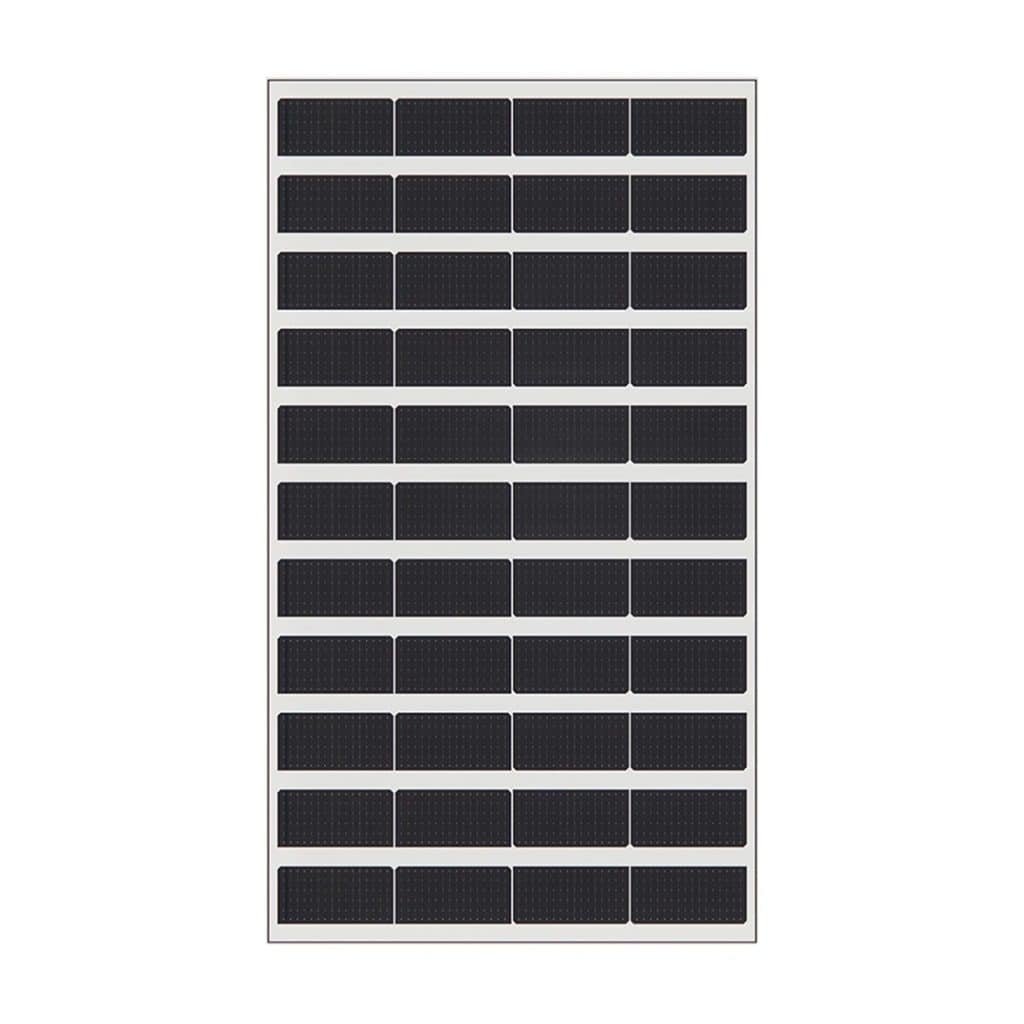
Custom Solutions for Unique Projects: Historic buildings demand panels that preserve aesthetics while delivering performance. We’ve developed specialized sizes, colors, and mounting systems that integrate seamlessly with traditional architecture. Our BIPV solutions transform buildings into power generators without compromising design intent.
Advanced Technology Applications
Back Contact Excellence: For projects where every percentage point of efficiency matters, our back contact technology delivers. With no front-side shading and solid copper foundations, these panels achieve superior performance in limited space while maintaining elegant aesthetics. Perfect for premium residential and showcase commercial installations.
Extreme Environment Performance
Engineered for Harsh Conditions: From desert heat to coastal salt spray, we engineer panels for reality, not just test conditions. Special coatings resist corrosion and erosion. Enhanced frames withstand high winds. Temperature-optimized designs maintain efficiency in extreme heat. Our panels perform where others fail.
Flexible Scale Solutions
From Residential to Utility Scale: Whether you need specialized panels for a unique residential project or thousands of modules for utility deployment, we deliver consistent quality. Our production flexibility means you get the right solution regardless of project size.
📞 Take Action: Partner with Couleenergy Today
Step 1: Define Your Requirements
Prepare these details for accurate recommendations:
📋 Project Information Checklist:
- Technical specifications: Power requirements, voltage, efficiency targets
- Technology preferences: Back contact, TOPCon, or standard
- Project scope: Quantities, delivery timeline, installation schedule
- Application details: Residential, commercial, utility, special use
- Environmental factors: Climate, mounting location, special conditions
- Customization needs: Dimensions, aesthetics, electrical configurations
- Budget framework: Target economics, financing structure
- Support requirements: Training, technical assistance, warranty needs
Step 2: Connect with Our Expert Team
Step 3: Our Comprehensive Response Process
When you contact us, expect:
- Immediate acknowledgment: Response within 24 hours
- Technical consultation: Engineers review your requirements
- Solution development: Custom recommendations if needed
- Detailed proposal: Specifications, economics, timelines
- Sample availability: Test panels for validation
- Contract structuring: Terms tailored to your business
- Production planning: Optimized scheduling
- Ongoing partnership: Support from order through installation
Step 4: Verification and Partnership Building
We encourage thorough evaluation:
- Technology validation: Test our panels including advanced options
- Reference verification: Speak with current customers
- Financial review: Examine our stability documentation
- Facility insight: Virtual or in-person tours available
- Quality confirmation: Review our testing and certifications
- Warranty analysis: Understand comprehensive coverage
🚀 Market Timing Matters: The solar industry rewards strategic decision-makers. While competitors struggle with unreliable suppliers and technology transitions, forward-thinking businesses secure partnerships with manufacturers offering advanced technology, proven reliability, and genuine support. Every project completed successfully strengthens your market position.
FAQs
Q1: What are back contact solar panels and why do they matter?
Back contact solar panels represent the most advanced commercial PV technology available today. By moving all electrical contacts to the rear of the cell, they eliminate front-side shading that reduces efficiency in conventional panels. This design achieves 22-24% efficiency compared to 19-21% for standard panels. Benefits include superior aesthetics (no visible busbars), better performance in high temperatures, enhanced durability with solid copper foundations, and industry-leading warranties up to 30 years. While costing more upfront than standard panels, they’re ideal for space-constrained installations or projects prioritizing long-term performance.
Q2: What’s the real situation with lead times and tariffs in 2024-2025?
Lead times vary significantly based on manufacturer, technology, and current market conditions. As of 2025, factors affecting delivery include new tariffs on Southeast Asian imports (up to 271% for some countries, finalized April 2025), technology transitions as manufacturers shift production to TOPCon and other advanced cells, and regional logistics variations. Standard products typically require several weeks to months, while custom or advanced technology products may take longer. Always verify current lead times directly with manufacturers as conditions change rapidly. Consider maintaining buffer inventory and qualifying multiple suppliers to manage supply uncertainty.
Q3: Should I prioritize customization capabilities when selecting a manufacturer?
Customization importance depends on your project types. If you handle standard installations, basic flexibility suffices. However, customization becomes valuable for architectural integration, unique mounting situations, specific electrical requirements, or differentiation in competitive markets. Quality manufacturers offer dimensional flexibility, aesthetic options (colors, frameless designs), electrical configurations (voltage, connectors), and environmental adaptations. Custom capabilities typically add 15-40% to costs and extend lead times, but enable solutions standard products can’t provide. Even if you don’t need customization immediately, choosing a manufacturer with these capabilities provides future flexibility as your business evolves.
Q4: What quality control advances should I look for in modern manufacturers?
Modern quality control extends far beyond basic testing. Leading manufacturers employ 100% electroluminescence (EL) testing to detect invisible microcracks, automated optical inspection using AI achieving 98-99% defect detection, thermal imaging to identify potential hot spots, and flash testing every panel for power verification. Statistical process control monitors production consistency. Third-party audits verify procedures. Advanced manufacturers track field performance data to continuously improve. Look for manufacturers who openly share their quality processes and welcome facility inspections. The shift from sampling to 100% inspection represents a major quality advancement, significantly reducing field failures.
Make Your Strategic Decision Today
The solar industry continues evolving rapidly, rewarding businesses that make informed decisions about their manufacturing partnerships. Your choice today determines your competitiveness tomorrow.
🎯 Ready to elevate your solar business?
Contact Couleenergy at info@couleenergy.com or call +1 737 702 0119
Share your requirements. Explore our technologies. Build your success.
Whether you need advanced back contact panels for premium projects, TOPCon technology for commercial installations, or custom solutions for unique applications, Couleenergy delivers the technology, quality, and partnership you deserve.
Couleenergy: Advanced Solar Technology, Genuine Partnership, Proven Success


 English
  Español
  Français
  Deutsch
  Русский
  العربية