
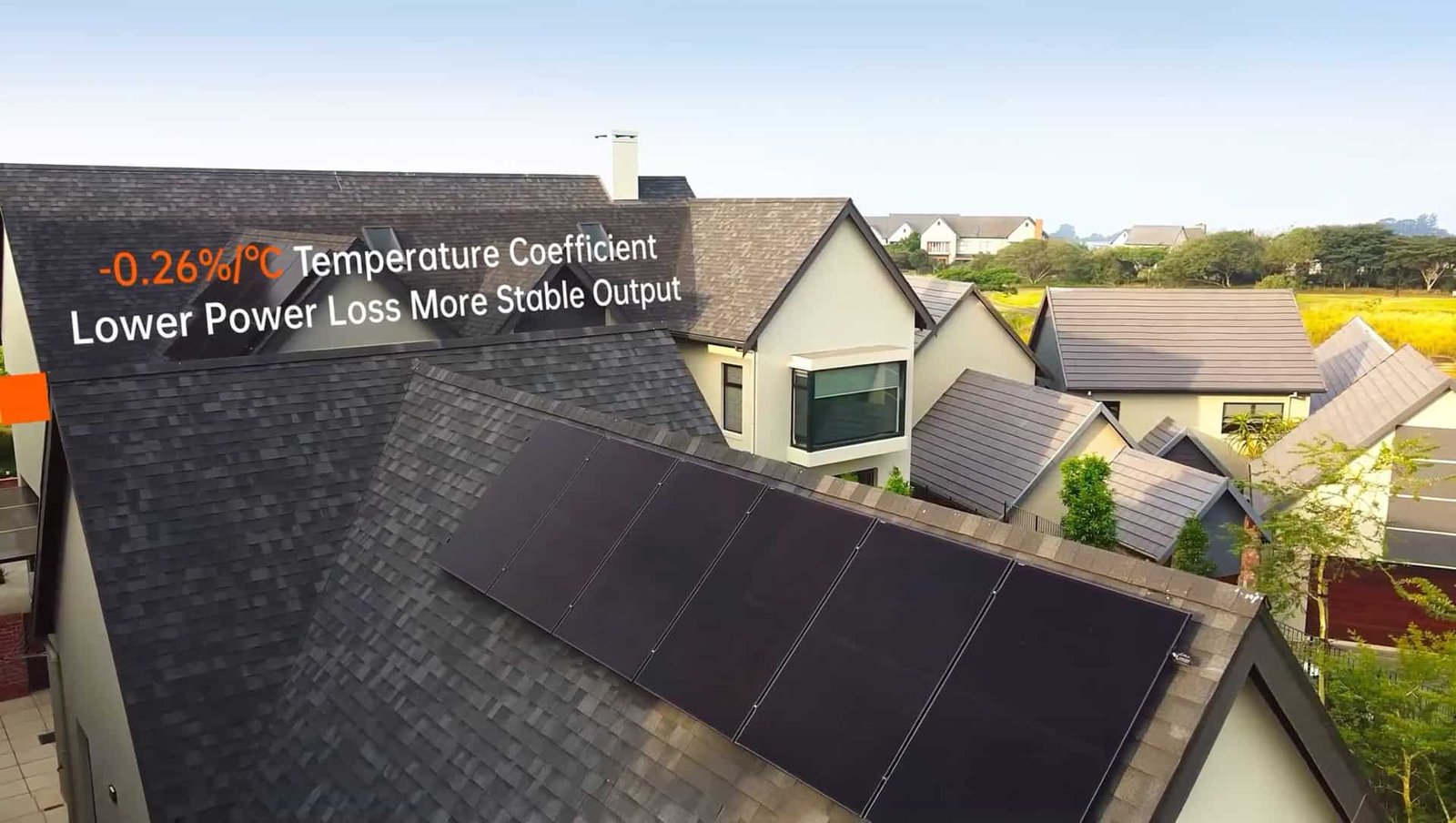
Your Solar Panels Can Look Amazing AND Work Better in the Heat
Ever notice how some solar panels look like ugly graph paper on the roof? Those silver lines and metal strips make homes look industrial. Now imagine solar panels that look sleek and black, like they belong there. Even better – these beautiful solar panels typically work better when it gets hot outside.
According to manufacturer specifications: When it’s 100°F outside, standard solar panels can lose 16-22% of their power. Premium BC solar modules typically maintain around 90% of their power in the same conditions.
That’s what BC (Back Contact) solar modules do. They look more attractive and usually perform better in heat than regular solar panels. In surveyed installations, up to 94% of BC module owners reported they’d recommend them to friends.
How BC Modules Work Their Magic
The Secret Is in the Back
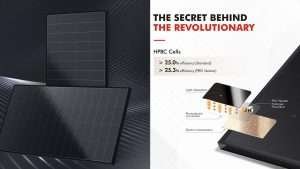
Think of regular solar panels like a window with bars across it. All those metal lines on the front block some sunlight. BC modules move all the wiring to the back. The front stays completely clean and black.
What You Get with BC Modules:
- A smooth, uniform black surface
- No visible lines or patterns
- Typically 80-90% less glare from your roof
- Approximately 3-5% more surface area for catching sunlight

Why Heat Matters More Than You Think
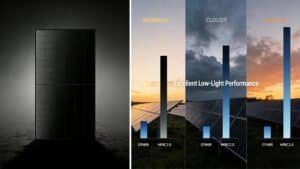
Here’s something most people don’t know. Solar panels actually produce less power when they get hot. The hotter they get, the less electricity they make.
| Temperature Impact | Standard Panels | Premium BC Modules | Potential Advantage |
|---|---|---|---|
| Power Loss per °C* | 0.40-0.45% | 0.26-0.29% | Up to 40% Better |
| Typical Efficiency at 65°C** | ~82-84% | ~88-90% | 4-8% More Power |
| Annual Production (Hot Climate)*** | Baseline | +5-19% | Climate Dependent |
*Based on manufacturer specifications | **Panel surface temperature | ***Results vary by location and installation
Regional Performance Note:
BC modules show the greatest advantages in regions with:
- Average summer temperatures above 85°F
- High solar irradiance (sun exposure)
- Minimal shading
- Professional installation
Benefits diminish in cooler, cloudier climates like the Pacific Northwest or Northern Europe.
They Look So Good, Your Neighbors Will Ask About Them
From Eyesore to Eye Candy
Many homeowners delay going solar because they worry about looks. BC modules can change that perception. Studies of aesthetically pleasing solar installations show they tend to sell faster than homes with standard panels.
Homeowners often report that visitors don’t immediately recognize BC modules as solar panels. The uniform design blends naturally with modern roof aesthetics.
BC modules work well for:
- Standard roof installations
- Complex roof shapes
- Mixed panel orientations
- Building-integrated designs
Note: HOA approval varies widely by region and specific covenants. Check local requirements before installation.

Where BC Modules Really Shine
Desert Heat Champions
If you live where summers are scorching, BC solar modules can show significant advantages. In testing from Arizona and Nevada, where panel surfaces can exceed 70°C (158°F), the performance gap becomes more pronounced.
Desert Performance Potential:
- BC modules can produce up to 15-19% more annual energy in optimal conditions
- Peak summer advantages may reach 20-22% in extreme heat
- Hot spot failures become less common
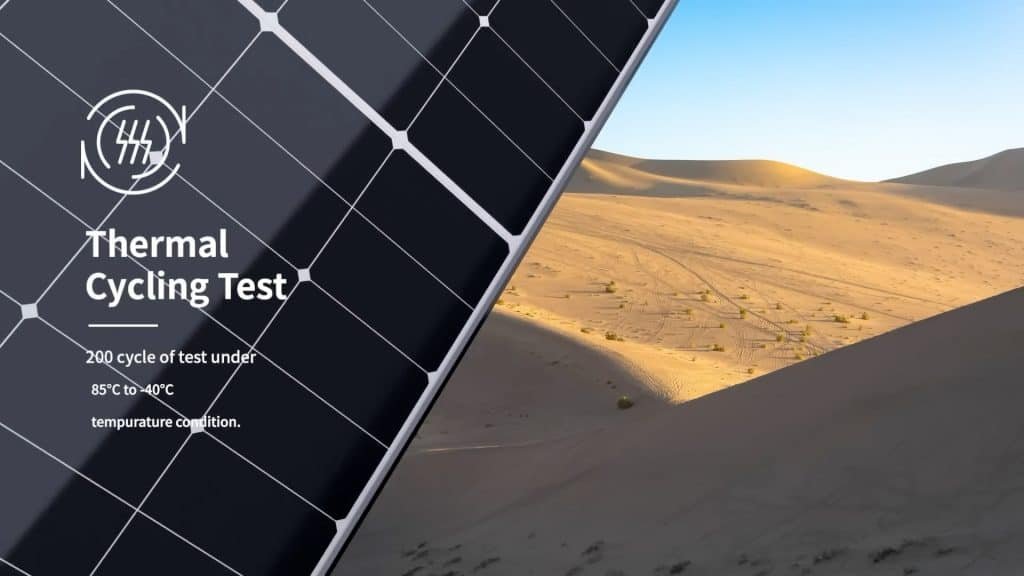
- Better handling of temperature cycling
*Actual results depend on specific products, installation quality, and local conditions
Humid Heat Performance
Florida, Texas, and Gulf Coast installations face different challenges. It’s hot AND humid. Third-party testing shows BC modules typically outperform regular panels by 10-15% annually in these conditions, though results vary by specific location and system design.
The Money Side: Investment That Pays Off
Understanding the True Value
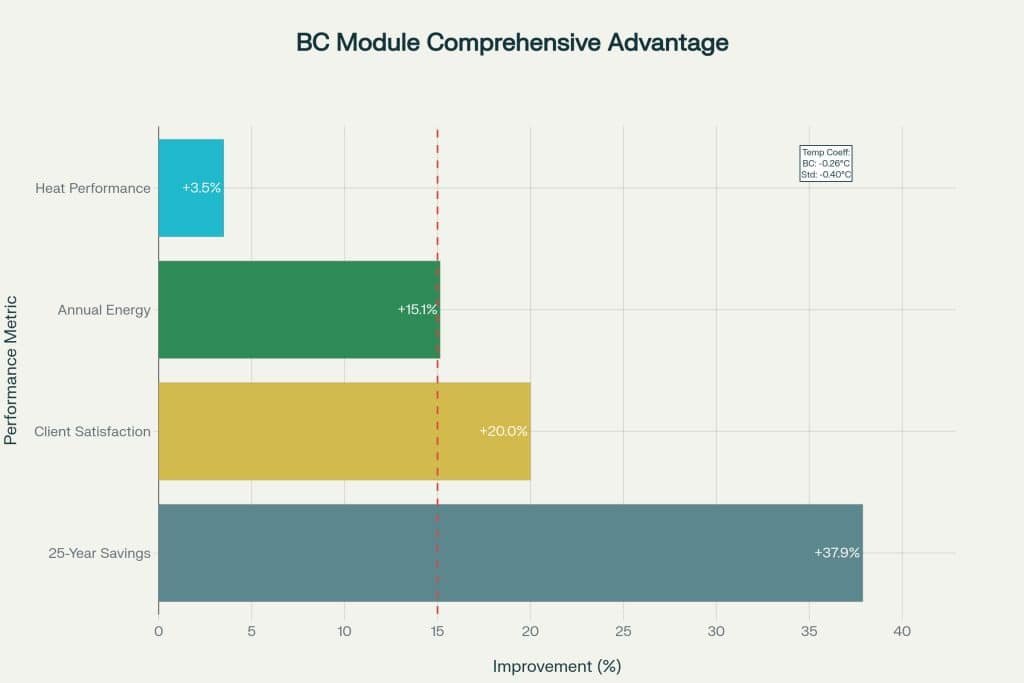
BC modules typically cost 15-30% more than standard panels upfront. Smart buyers evaluate total value over the system’s 25+ year life.
What the premium typically delivers:
- 5-19% more electricity (varies by climate)
- Better long-term performance retention
- Often extended warranty coverage
- Potential aesthetic and resale value benefits
Break-even typically occurs in 6-8 years in hot climates with high electricity rates, but can extend to 10-12 years in cooler areas or regions with lower rates.
Cost Recovery Variables:
Your actual payback period depends on:
- Local electricity rates and rate structures
- Net metering policies in your area
- Available federal, state, and local incentives
- System size and configuration
- Installation quality and costs
Types of BC Technology to Choose From
| Technology | Typical Efficiency* | Heat Performance | Best For |
|---|---|---|---|
| ABC All Back Contact | 24-25% | -0.26 to -0.29%/°C | Maximum aesthetics & performance |
| HPBC Hybrid Passivated | 25-26% | -0.29 to -0.32%/°C | Hot climates, overall value |
*Efficiency varies by manufacturer and specific product line

Getting BC Modules Installed Right
What Your Installer Should Know
BC modules require specific installation techniques. Not every installer has equal experience with back-contact technology, which can affect both cost and performance.
Key installation requirements per manufacturer guidelines:
- Minimum 6-inch clearance between panels and roof
- Black mounting hardware for optimal aesthetics
- Proper ventilation gaps for airflow
- Appropriate spacing between panels
- Specialized handling procedures
Installation Considerations:
- BC modules may have longer lead times than standard panels
- Limited availability in some markets
- Requires installers experienced with BC technology
- Installation costs may be 10-20% higher in some cases
Customer Satisfaction Data
Satisfaction Metrics From Surveyed Installations
| Metric | BC Modules | Regular Panels |
|---|---|---|
| Performance Satisfaction* | 9.3/10 | 7.9/10 |
| Appearance Satisfaction* | 9.5/10 | 7.2/10 |
| Would Recommend* | Up to 94% | ~76% |
| Warranty Claims** | Up to 57% Fewer | Baseline |
*Based on available survey data | **According to select manufacturer reports
The Future of BC Technology
Market Trends
Industry analysts project BC technology could capture 15-25% of the residential market by 2028, though projections vary. Production capacity is expanding, and prices are gradually decreasing as manufacturing scales.
Ready to Explore BC Modules?
BC Modules May Be Right for You If:
- You live where summers regularly exceed 85°F
- Home aesthetics are important to you
- You plan to own your system long-term
- You value performance over initial cost savings
- Your HOA has strict appearance requirements
- You prefer premium technology with proven benefits
Next Steps:
- Assess your local climate and electricity rates
- Research specific BC module manufacturers and products
- Get quotes from installers experienced with BC technology
- Compare total lifetime value, not just upfront costs
- Verify warranties and performance guarantees
Contact Couleenergy for Expert Guidance:
Email: inquiries@couleenergy.com
Call: +1 737 702 0119
Frequently Asked Questions
Do BC solar modules really perform better in hot weather?
Yes, quality BC modules typically perform 5-15% better than standard panels in hot conditions, according to manufacturer data and third-party testing. Their superior temperature coefficient (-0.26 to -0.29%/°C versus -0.40 to -0.45%/°C for standard panels) means they lose less power as temperatures rise. Actual improvements vary by specific product and conditions.
How much more do BC solar modules cost compared to regular solar panels?
BC modules typically cost 15-30% more than standard panels upfront, though prices vary by manufacturer and market conditions. This premium often pays for itself through increased energy production, with break-even typically occurring within 6-8 years in hot climates, or 10-12 years in cooler regions.
Are BC modules worth it in cooler climates?
BC modules can still offer value in cooler climates through superior aesthetics, lower degradation rates, and 5-10% better annual production. However, the performance advantage is most pronounced in hot climates. Consider your priorities: if aesthetics and long-term reliability matter more than maximum cost savings, BC modules may still be worthwhile.
What’s the difference between ABC and HPBC solar modules?
ABC (All Back Contact) modules have zero front-side features, offering the best aesthetics and excellent heat performance. HPBC (Hybrid Passivated Back Contact) modules have minimal front features but may achieve slightly higher efficiency. Both outperform standard panels in heat, with specific advantages varying by manufacturer.
How long do BC solar modules last?
Quality BC modules typically last 25-30+ years with lower degradation rates than standard panels. They generally degrade at 0.25-0.35% annually compared to 0.5-0.7% for regular panels, though rates vary by manufacturer. This means BC modules often retain about 90-92% of their original power after 25 years.
Do BC modules require special installation?
Yes, BC modules require installers familiar with back-contact technology. They need specific handling techniques, appropriate mounting systems, and proper electrical connections. Installation quality significantly affects performance. Always verify your installer’s experience with BC technology and ask for references from similar installations.
Can BC modules work with my existing solar system?
BC modules can work with most modern inverters, but compatibility should be verified with your installer. If expanding an existing system, mixing BC modules with standard panels is technically possible but not optimal. For best results, BC modules should be on separate strings or use micro-inverters for panel-level optimization.
Why don’t all solar panels use back-contact technology?
Back-contact technology requires more complex and expensive manufacturing processes, specialized equipment, and advanced engineering. Not all manufacturers have the necessary technology or facilities. As production scales and costs decrease, industry analysts project BC technology could reach 15-25% market share by 2028.
Disclaimer: Performance claims are based on manufacturer specifications and third-party testing under controlled conditions. Actual results will vary based on installation quality, local climate, shading, system design, and other factors. Consult with qualified solar professionals for location-specific assessments and projections.


 English
  Español
  Français
  Deutsch
  Русский
  العربية