
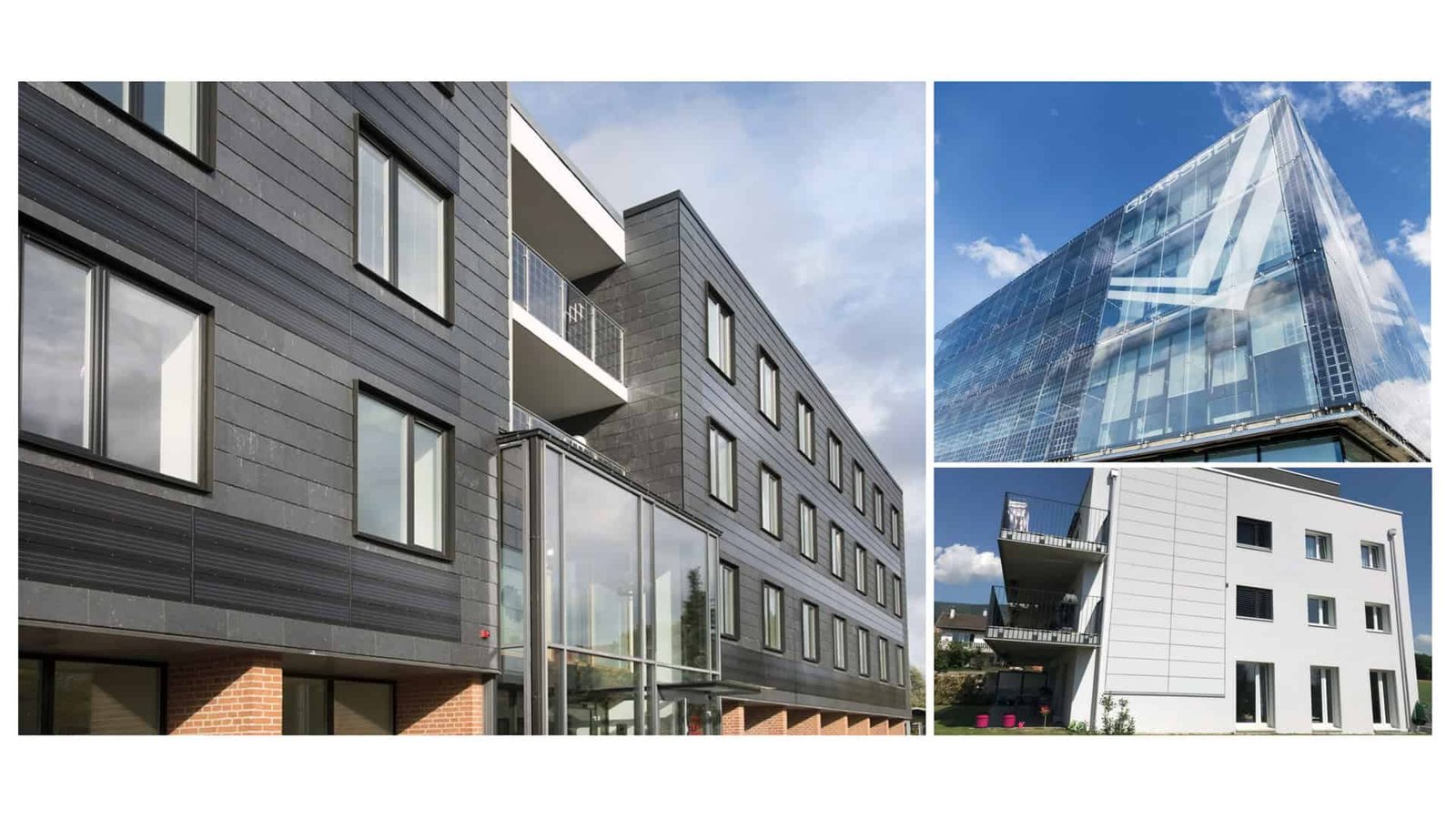
Quick Fact: The BIPV market is growing 20% annually, transforming buildings worldwide into power generators that still look stunning. (Based on 2024-2025 technology and market data)
Windows That Generate Power? Yes, It’s Real
Look out your office window. Now imagine that same window is making electricity. Right now. While you’re looking through it.
This isn’t science fiction. It’s happening today with something called Building-Integrated Photovoltaics, or BIPV for short. These are solar panels that don’t look like solar panels. They’re part of your building.
At Couleenergy, we manufacture these innovative solar solutions. We help buildings generate their own clean energy while maintaining architectural beauty.
Important: BIPV performance varies by geographic location, weather conditions, building design, and local regulations. The information here represents typical scenarios.
What Makes BIPV Different?
It’s Not Just Sitting on Top
Regular solar panels sit on your roof. They’re added on top of what’s already there. BIPV is different. It IS your roof. Or your windows. Or your walls.
Think about it this way:
- Remove a regular solar panel → You still have a roof underneath
- Remove a BIPV solar panel → You have a hole in your building
That’s because BIPV PV panels are building materials that also make electricity.
Amazing Ways Buildings Use BIPV
Windows You Can See Through That Make Power
Scientists have created solar panels you can see through. They catch invisible light (UV and infrared) while letting visible light through.
- Some are completely clear like regular glass (lower efficiency)
- Others have a slight tint but generate more power
- You get natural light, a view, AND electricity
Amazing Potential: The United States has 5-7 billion square meters of glass surfaces. Converting even a fraction of these to solar windows could significantly impact energy generation.
Walls That Work for You
Your building’s walls just stand there, right? Not with BIPV. Now walls can make electricity too.
These solar walls come in many colors:
- Classic black (highest efficiency)
- Professional gray
- Modern blue
- Terra cotta and custom colors (slightly lower efficiency)
Roofs That Do Double Duty
Solar roof tiles look like regular roof tiles. But they make electricity. You can’t tell the difference by looking at them.
Tesla makes these. So do many other companies. Your roof protects your house AND generates power—though most homes still need grid connection for night use and cloudy days.
How Well Does It Really Work?
Keeping Cool Makes More Power
| Temperature Effect | Impact on Performance |
|---|---|
| 10-15°C cooling from ventilation | 3-7% more electricity generation |
| Natural airflow behind PV panels | Longer system lifespan |
| Heat stress reduction | Better voltage output |
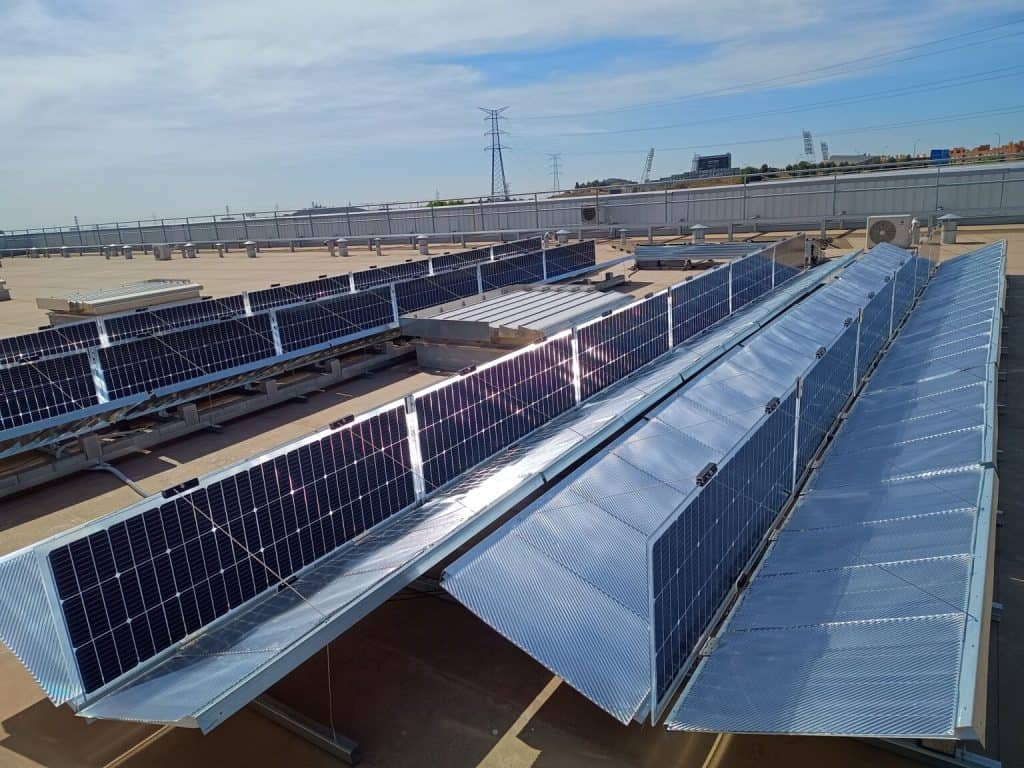
Vertical PV Panels Have Hidden Benefits
Performance Facts:
- Generate 70-80% compared to optimally tilted roof PV panels
- Work great in morning and evening when energy demand is high
- Bifacial panels can achieve up to 20-25% more power during these times
- Better winter performance when sun angle is low
- Rain washes vertical panels clean naturally (horizontal surfaces still need regular cleaning)
The Money Side: Why It Makes Sense
Understanding the Investment
Yes, BIPV costs more than regular building materials initially. But consider the complete picture:
| Regular Materials | BIPV Materials |
|---|---|
| Protect your building | Protect your building + Generate electricity |
| Never generate income | Generate savings for 25-30 years |
| Pure cost | Investment with typical 10-15 year payback |
Note: Actual payback periods vary based on local electricity rates, available incentives, system size, and sun exposure. Installation requires specialized contractors familiar with both construction and solar systems.
Smart Buildings Get Even Smarter
AI and Automation Enhance Performance
Modern BIPV systems use artificial intelligence to optimize performance:
- Predict optimal generation times based on weather
- Alert you to maintenance needs before problems occur
- Coordinate with HVAC systems for energy efficiency
- Manage lighting based on available solar power
- Integrate with battery storage where installed
Grid Integration and Energy Sales
Where net metering is available, you can sell excess power back to the grid. Check with your local utility company about:
- Net metering availability in your area
- Current buy-back rates
- Connection requirements and fees
- Time-of-use rate structures
Important Considerations
Realistic Expectations
- Partial Energy Solution: Most buildings generate 30-50% of their energy needs with BIPV
- Grid Connection Required: Nearly all buildings still need utility power for nights and peak demand
- Weather Dependent: Output varies with seasons and weather conditions
- Location Matters: Performance varies significantly by geographic location
- Maintenance Needed: While minimal, systems require periodic inspection and cleaning
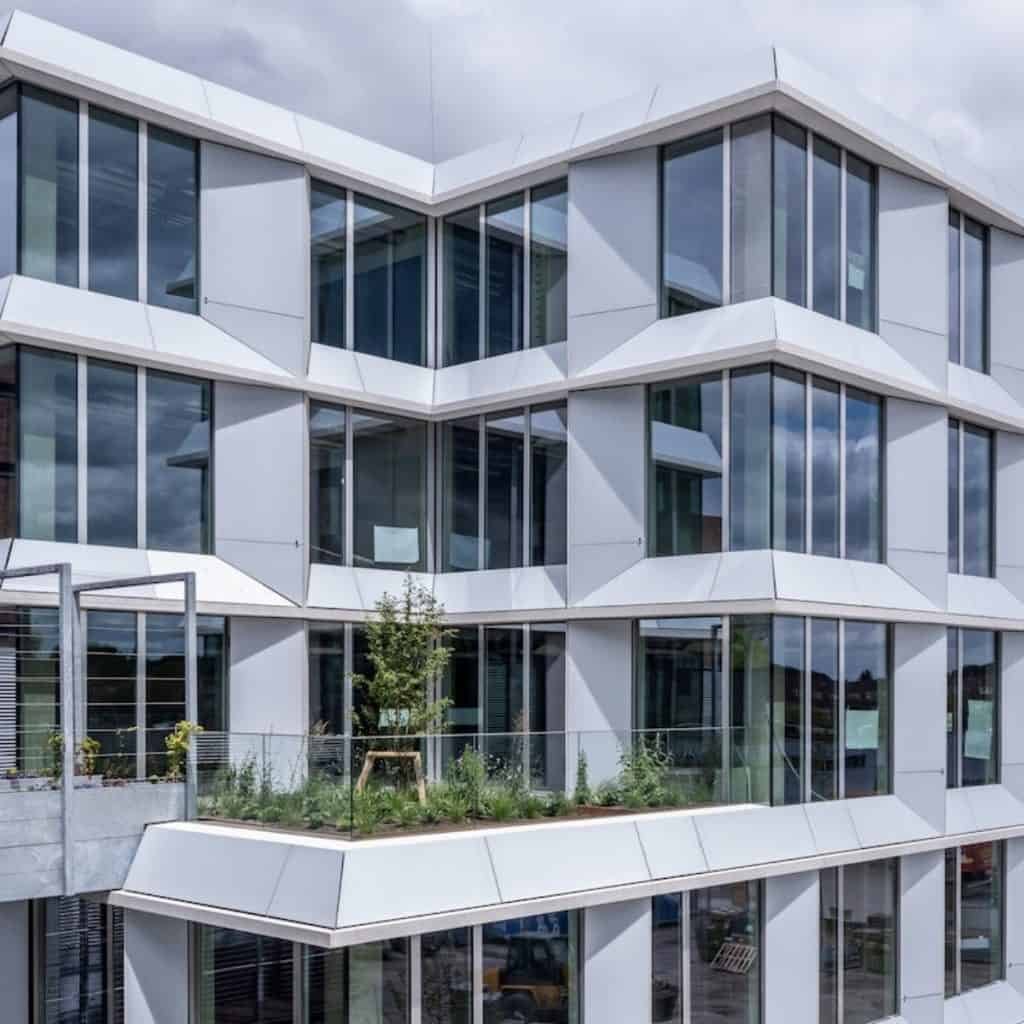
Making Buildings Beautiful
Design Options and Aesthetics
BIPV Customization Options:
- Colors: Various options available (darker colors typically generate more power)
- Textures: Multiple finishes to match architectural style
- Transparency: From opaque to semi-transparent to nearly clear
- Sizes: Custom dimensions for unique projects
Balance aesthetic preferences with performance requirements for best results.
Frequently Asked Questions
How much does BIPV cost compared to regular solar panels?
BIPV typically costs more upfront because it serves dual purposes—building material and power generator. However, when replacing conventional materials anyway, the net additional cost is lower. Total project costs include specialized design and installation.
For specific pricing on your project, contact us at info@couleenergy.com for a customized quote.
Can BIPV solar panels work in cloudy weather?
Yes, BIPV panels generate electricity on cloudy days, typically at 10-25% of their rated capacity. Thin-film BIPV performs relatively better in diffuse light conditions. Annual energy calculations account for local weather patterns.
How long do BIPV systems last?
Quality BIPV systems have 25-30 year lifespans. Most manufacturers provide 25-year warranties guaranteeing at least 80% power output. The building envelope functions (weatherproofing, insulation) typically last as long as the building structure.
Want warranty details for your project? Call us at +1 737 702 0119.
Can I add BIPV to my existing building?
Retrofitting is possible but significantly more complex and costly than new construction. It works best during major renovations when you’re already replacing roofing, windows, or facades. Structural assessment is essential.
What maintenance do BIPV panels require?
Vertical installations largely self-clean with rain. Horizontal surfaces need periodic cleaning (frequency depends on local conditions). Electrical components require professional inspection every few years. Smart monitoring systems help identify issues early.
We design maintenance plans specific to your installation—contact our team for details.
How much energy can BIPV realistically provide?
This varies greatly based on building size, orientation, location, and energy consumption. Commercial buildings typically offset 20-40% of their energy use. Some residential installations achieve 50-70% in optimal conditions. Most buildings still require grid connection.
Ready to Transform Your Building?
Buildings don’t have to just consume energy—they can generate it. BIPV technology is mature, proven, and improving annually. While not a complete energy solution for most buildings, BIPV significantly reduces energy costs and carbon footprints.
Why Consider BIPV Now?
- Technology is reliable with 25+ year track records
- Rising energy costs improve ROI annually
- Building codes increasingly favor on-site generation
- Property values increase with integrated renewable energy
- Contribute meaningfully to sustainability goals
Take the Next Step with Couleenergy
Your building could be generating its own clean energy.
New construction? Major renovation? Exploring options? We’ll provide realistic assessments and customized solutions.
Email: info@couleenergy.com
Call: +1 737 702 0119
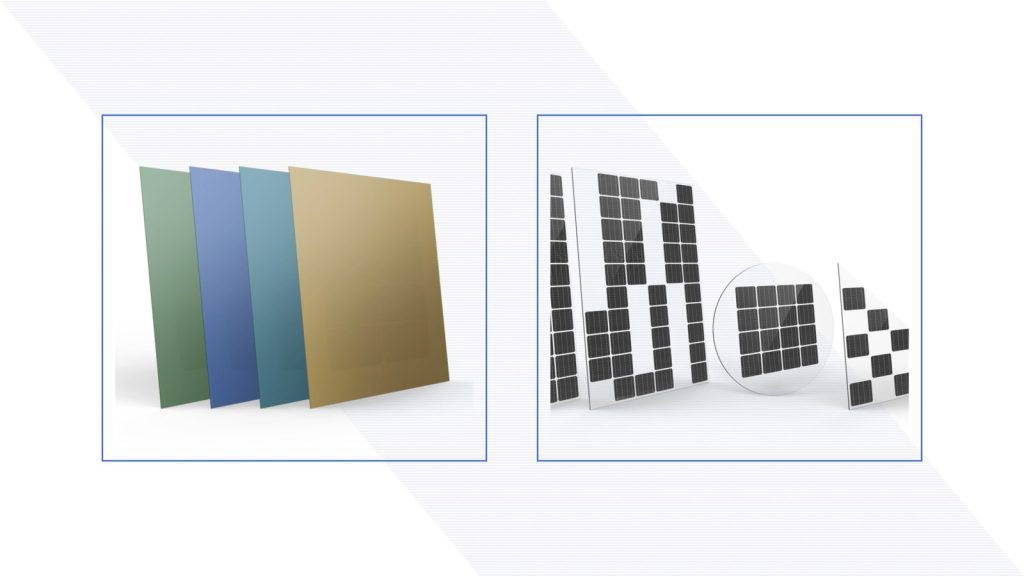
Possible Customization
Couleenergy solar modules can be tailored in many ways to match your project needs, including:
- Size & Shape – adjust dimensions or design unique outlines
- Appearance – customize glass color, cell color, or transparency levels
- Cell Layout – flexible arrangement and gap adjustments
- Thickness & Weight – optimized for lightweight or robust applications
- Performance – different efficiency levels and junction box options
- Mounting Compatibility – adapted for various structures and surfaces
- Additional Options – other variations available upon request
Couleenergy—Manufacturing innovative solar solutions for modern buildings. Your energy independence journey starts with realistic planning.
Contact Couleenergy to explore our complete range of BIPV solutions. Discover how we’re helping buildings generate clean energy while maintaining architectural excellence.

 English
  Español
  Français
  Deutsch
  Русский
  العربية