

⚡ Quick Answer: Picking the wrong solar panel can cost you thousands. The good news? We’ll walk you through everything you need to know about flexible and rigid solar panels so you can make the smart choice.
🎯 Bottom Line Upfront: Rigid solar panels win for homes and permanent setups. Flexible panels are your best bet for RVs, boats, and curved surfaces where regular panels just won’t work.
Let’s dive into the details so you can choose wisely.
📋 What’s the Real Difference?
Think of it like this: rigid panels are like a brick house – heavy, sturdy, built to last decades. Flexible panels are like a high-tech tent – lightweight, bendable, perfect for when you need to move around.
🏠 Rigid Solar Panels: The Heavy Hitters
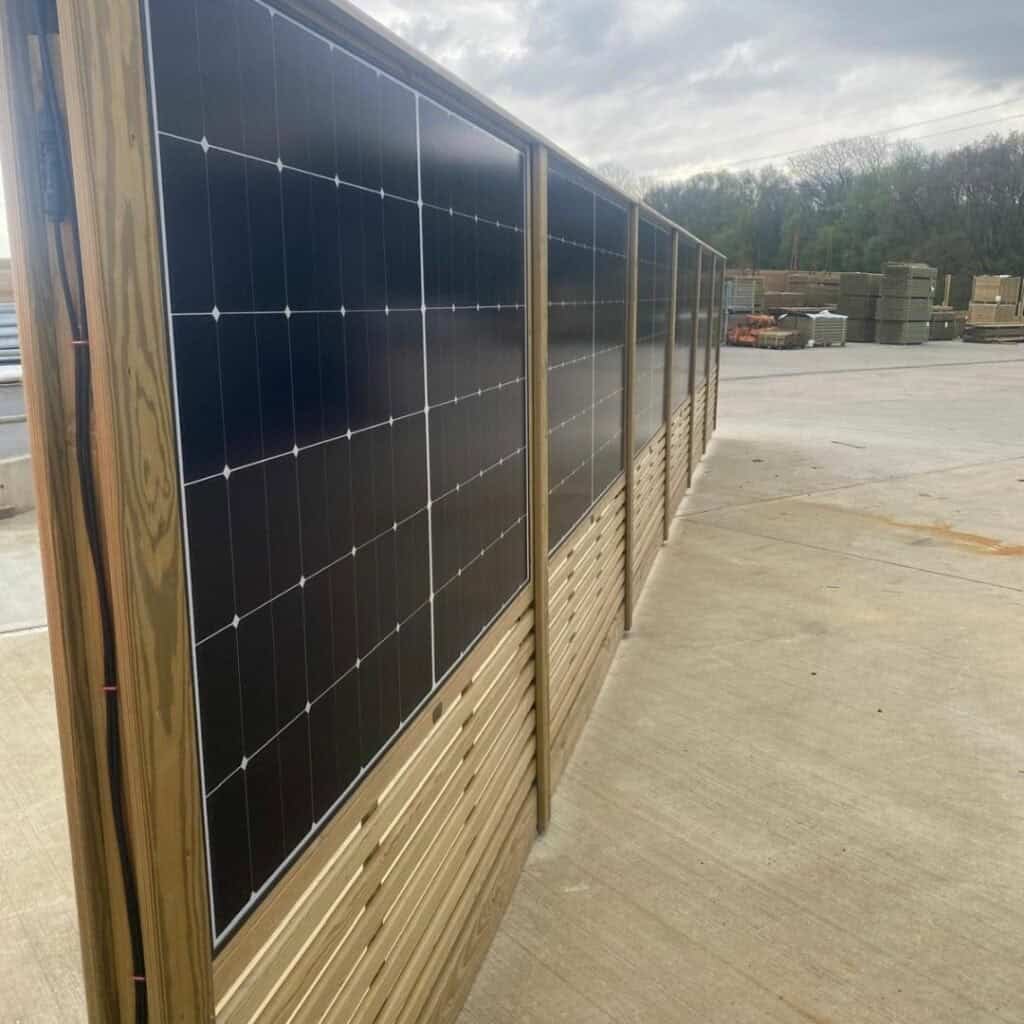
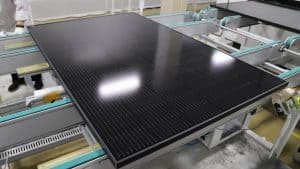
Rigid panels use thick glass and aluminum frames. They’re built like tanks. Weight varies by size – a small 100W panel weighs about 9 kg, while large 400W+ panels can weigh 23-36 kg each. You mount them on your roof or ground, and they sit there making power for 25-30+ years.
- ⚡Current efficiency: 18-25% (the best ones hit 24-25%)
- ⏰Lifespan: 25-30+ years
- ⚖️Weight: 9-36 kg (varies by wattage)
- 🎯Best for: Homes, businesses, permanent installations
🚐 Flexible Solar Panels: The Lightweight Champions
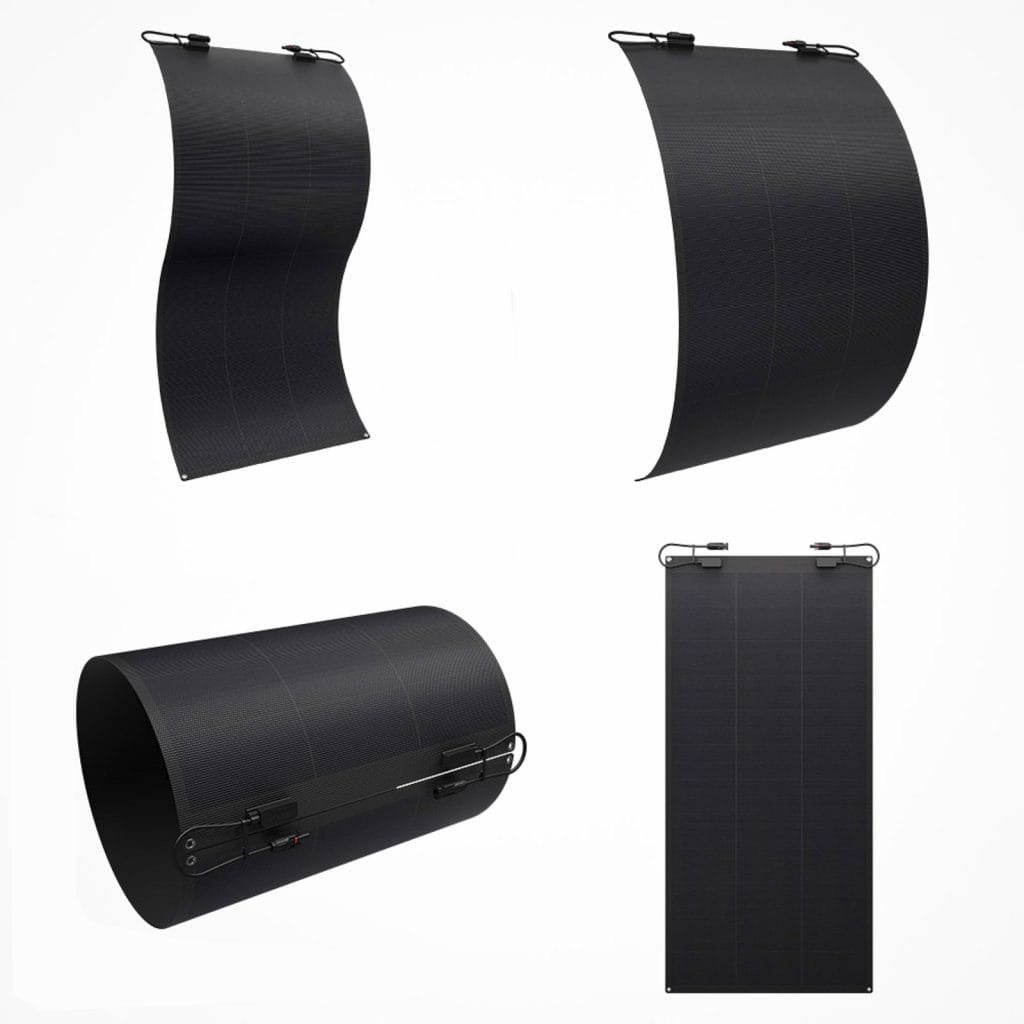
Flexible panels are completely different. They use special plastic coatings instead of glass. You can actually bend them up to 240 degrees without breaking them. Most weigh just 1-4 kg regardless of wattage.
- ⚡Current efficiency: 15-22% (advanced ones hit 20-22%)
- ⏰Lifespan: 5-15 years (depending on quality)
- ⚖️Weight: 1-4 kg each
- 🎯Best for: RVs, boats, camping, curved surfaces
⚠️ Important Note: All efficiency ratings based on Standard Test Conditions (STC): 25°C, perfect sunlight, clean panels. Real-world performance may vary due to weather, shading, and installation conditions.
🚀 The Game-Changing Technologies You Need to Know
🔬 HPBC: Making Flexible Panels Actually Good
Here’s something cool. New flexible panels use HPBC technology. What’s that? Simple – they moved all the wires to the back of the solar panel.
Why does this matter? Those front wires used to block 7-9% of the sunlight. Now that sunlight can actually hit the solar cells. The result? Way better performance.
💡 Key Breakthrough: HPBC flexible panels now hit 20-22% module efficiency. That’s getting close to rigid panel territory.
🛡️ ETFE Coating: The Tough Stuff
The best flexible panels use ETFE coating, not cheap PET plastic. Here’s why ETFE wins:
- ⏳Lasts up to 15 years (PET only lasts up to 5 years)
- ☀️Lets 95% of sunlight through (PET only manages 90-93%)
- 🧽Self-cleaning surface – rain washes the dirt off
- 🌊Handles salt water and UV rays like a champ
🚐 When Flexible Panels Make Perfect Sense
🛣️ RV Life: Light Weight = Happy Travels
Got an RV? Weight matters big time. Every pound affects your gas mileage and how your RV handles on the road.
⚖️ Regular Rigid Panels
91-181 kg for a decent system (10-20 panels × 9-18 kg each)
🪶 Flexible Panels
14-27 kg for the same power (10-20 panels × 1-3 kg each)
Plus, flexible panels can follow your RV’s curved roof. No gaps, better looks, less wind resistance.
⛵ Boats and Marine Use
Salt water destroys most things. ETFE flexible panels laugh at salt spray. They’re also way lighter, so your boat performs better. And they can fit into tight spaces where rigid panels would never work.
🏕️ Camping and Portable Power
Need power for a weekend trip? Flexible panels fold up, pack easy, and set up anywhere. Try doing that with 20-80 pound rigid panels.
🏠 When Rigid Panels Are Your Best Bet
🏡 Home Solar: Maximum Bang for Your Buck
For your house, rigid panels almost always win. Here’s why:
- ⚡Better efficiency: 22-25% vs 15-22% for flexible
- 📅Way longer life: 25-30 years vs 5-15 years
- 💰Lower cost per watt: Usually cheaper in the long run
- ✅Proven track record: Millions of systems running strong after decades
🔄 Ground-Mount Systems: Double the Power
Some rigid panels work on both sides (called bifacial). Mount them right, and you can get 11-27% more power from reflected sunlight. Try that with flexible panels – it won’t work.
🔧 When You Want “Set It and Forget It”
Rigid Panels
Need almost zero maintenance. Clean them once a year (or let the rain do it). Check the connections occasionally. That’s it.
Flexible Panels
Need more babysitting. Check for cracks, hot spots, and connection problems more often.
📊 The Real-World Performance Numbers
Let’s cut through the marketing fluff. Here’s what these panels actually do in the real world:
⚡ Efficiency Reality Check
| Panel Type | Efficiency Range | Real-World Notes |
|---|---|---|
| Premium rigid | 22-25% | Lab-tested, proven in field |
| Standard rigid | 18-22% | Most common, reliable |
| HPBC flexible | 20-22% | New tech, getting better |
| Standard flexible | 15-20% | Varies a lot by brand |
All numbers based on Standard Test Conditions (STC): 25°C, perfect sunlight, clean panels
📉 How Long They Actually Last
Rigid panels: Start strong, lose about 0.5% power per year. After 25 years, still making 85-90% of the original power.
ETFE flexible panels: Start strong, lose about 0.8% per year. Good ones last 10-15 years.
PET flexible panels: Cheaper upfront, but only last 5-8 years typically.
💰 Let’s Talk Money: Understanding the Investment
💵 Cost Considerations
Here’s what affects your solar investment:
🔧 Panel Cost Factors
- Rigid panels: Lower cost per watt, proven value
- Flexible panels: Higher cost per watt, specialty applications
- Installation: Professional vs. DIY affects total cost
🏠 System Investment Range
- Residential systems: Significant upfront investment
- Tax credits available: Federal and state incentives help
- RV systems: Much smaller investment, easier entry
📈 The Long-Term Value Story
Here’s where it gets interesting. That rigid system? It’ll probably still be cranking out power in year 30. The flexible system? You might replace it 2-3 times in that same period.
💡 Bottom Line: Rigid panels cost more upfront but usually win on total lifetime value. Flexible panels have lower entry costs but you’ll pay more over time through replacements.
🔧 Installation: DIY vs. Call the Pros
🛠️ Flexible Panels: Pretty DIY-Friendly
Most flexible panels are actually doable for DIY folks. Many stick on with adhesive or simple mounting hardware. No drilling holes in your roof.
But here’s the catch: Bad installation kills flexible panels fast. The #1 killer? Heat buildup from poor airflow.
🔥 Pro Tip: Always leave space for air to flow under the panels. Even just 1/4 inch makes a huge difference.
👷 Rigid Panels: Usually Need the Pros
Rigid panel installation typically needs professionals because:
- ⚠️Heavy panels (safety issue – can weigh 9-36 kg each)
- 📄Electrical permits required
- 🏠Need to check if your roof can handle the weight
- 🔌Grid connection is complex
- 📋Warranty often requires professional installation
🧹 Maintenance: What You’re Actually Signing Up For
🔍 Flexible Panel Upkeep
- Monthly: Quick visual check for cracks or hot spots
- Quarterly: Clean if they look dirty (usually rain does this)
- Yearly: Check all connections, test performance
- Cost: Higher maintenance needs if you do it yourself
🏠 Rigid Panel Upkeep
- Yearly: Visual inspection, maybe hose them off
- Every 3-5 years: Professional cleaning (optional in most climates)
- Every 10 years: Check mounting hardware
- Cost: Very low maintenance expenses
🔮 Technology Trends: What’s Coming Next
🏃 The Efficiency Race
- 🧪Laboratory breakthroughs: Some experimental cells hit 30-35% efficiency
- 📈Real-world reality: Commercial panels improve about 0.5% per year
- 💡Your takeaway: Don’t wait for “perfect” panels. Buy good ones now.
🚀 Flexible Panel Evolution
The flexible panel world is moving fast:
- Better materials extending life to 15+ years
- Higher efficiency getting closer to rigid panels
- Lower costs as production scales up
📊 Market Growth
Market research shows flexible panel growth ranging from 7-26% annually, with most estimates around 10-15% per year. Why? More RVs, more boats, more off-grid living. Demand is definitely there.
🎯 Making Your Choice: The Decision Framework
✅ Choose Flexible Panels If:
- Weight matters (RV, boat, backpack)
- You have curved surfaces
- You need portable power
- You’re okay with 10-15 year lifespan
- Budget is tight upfront
- You have shading issues (HPBC panels handle shade better)
✅ Choose Rigid Panels If:
- You want maximum long-term value
- You have adequate space
- You need serious power (2000+ watts)
- You prefer “install and forget”
- Professional installation is available
- You want 25+ year lifespan
🤝 The Hybrid Approach
Smart money often goes both ways:
- Rigid panels for your main power needs
- Flexible panels for specialty applications
Example: Rigid panels on your house, flexible panels on your RV.
🛡️ What About Quality and Warranties?
🚩 Red Flags to Avoid
Flexible panels:
- Warranties under 3 years
- No mention of ETFE coating
- Suspiciously cheap prices
- No certifications (IEC standards)
Rigid panels:
- Warranties under 25 years
- Unknown manufacturers
- No local support
- Prices way below market
✅ What Good Warranties Look Like
- Flexible panels:3+ year product warranty, performance guarantee
- Rigid panels: 25+ year performance warranty, 12+ year product warranty
🎯 The Bottom Line: Your Best Move
Here’s the straight truth after looking at all the data:
For permanent power (homes, businesses, fixed installations): Rigid panels win on efficiency, lifespan, and total value. The higher upfront cost pays off through decades of reliable power.
For mobile and specialty uses (RVs, boats, curved surfaces, portable power): Advanced flexible panels with HPBC and ETFE coating are often your only practical option. Just go in with realistic expectations about lifespan.
🎯 The Sweet Spot for Many People: Use both. Rigid panels where they work best, flexible panels where rigid panels can’t work.
🚀 Your Next Steps
Ready to move forward? Here’s what to do:
- 📋Figure out your real needs: Power requirements, space, weight limits, budget range
- 🔍Research specific products: Look for certifications, real customer reviews, warranty terms
- 💰Get multiple quotes: Compare total value, not just upfront costs
- 🏛️Check local incentives: Tax credits, rebates, net metering rules
- 🗓️Plan for the long term: Consider maintenance, replacement, expansion
Remember: The best solar panel is the one that actually gets installed and produces power for your specific situation. Don’t get paralyzed by perfection – get moving with good choices.
The solar revolution is happening now. Whether you choose flexible panels for their adaptability, rigid panels for their proven performance, or a smart combination of both, you’re investing in clean, reliable energy that’ll serve you well for years to come.
☀️ Start Your Solar Journey Today
📝 Disclaimer: All performance data based on Standard Test Conditions (STC) and industry averages as of 2025. Real-world performance may vary based on installation conditions, climate, shading, and maintenance. Cost estimates include typical ranges and may vary by location, installer, and specific equipment chosen. Market growth projections sourced from multiple industry reports (2024-2025) and may vary. Always consult with qualified professionals for system design and installation.
Want help choosing the right solar technology for your specific needs? Talk to manufacturers with proven track records and real-world experience. Good companies will ask about your actual requirements, not just try to sell you their most expensive option.
Couleenergy: info@couleenergy.com, +1 737 702 0119


 English
  Español
  Français
  Deutsch
  Русский
  العربية