

Are you dreaming of energy independence, looking to power a remote cabin, or preparing for a self-sufficient lifestyle? Off-grid solar power systems offer the freedom to generate electricity anywhere the sun shines – but choosing the right solar panels can feel overwhelming. This comprehensive guide will walk you through everything you need to know about selecting, purchasing, and installing monocrystalline solar panels for your off-grid system.
Why Off-Grid Solar Panels Are Different from Regular Residential Solar
If you’re researching solar panels, you’ve likely noticed that off-grid systems demand special considerations that don’t apply to grid-tied setups.
Unlike grid-connected systems where excess power flows to the utility grid and shortfalls are supplemented automatically, off-grid living means your system must generate and store 100% of your electricity needs. This fundamental difference drives every aspect of panel selection.
According to the National Renewable Energy Laboratory (NREL), off-grid solar systems require careful sizing to account for “worst-case scenarios” rather than average conditions – typically requiring 25-40% more capacity than equivalent grid-tied systems.
Step 1: Calculate Your Energy Needs Before Looking at a Single Panel
The most common mistake first-time buyers make? Purchasing panels before understanding their actual energy requirements.
Start with your energy consumption, not with solar panels. An accurately sized system saves thousands of dollars and prevents future headaches.
How to Calculate Your Daily Energy Requirements:
- List all your devices and appliances that will run on solar power
- Find the wattage rating of each item (usually on a label or in the manual)
- Estimate realistic daily usage hours for each device
- Multiply watts by hours to get watt-hours (Wh) for each item
- Add all watt-hours together for your daily total
Here’s a simple example for a small cabin:
| Appliance | Watts | Hours/Day | Daily Wh |
|---|---|---|---|
| LED lights (5) | 50 | 5 | 250 |
| Refrigerator | 150 | 8 | 1,200 |
| Laptop | 60 | 4 | 240 |
| Water pump | 300 | 0.5 | 150 |
| TOTAL | 1,840 |
After calculating your base needs, add a buffer for system inefficiencies. Research from NREL indicates system losses typically range from 14% to 30% depending on wire quality, inverter efficiency, and temperature effects. For off-grid systems specifically, a buffer of 25-40% is recommended, with higher buffers needed in extreme climates or for critical applications.
In this example with a 35% buffer: 1,840 Wh × 1.35 = 2,484 Wh daily requirement
This number becomes your foundation for determining how many solar panels you’ll need.
Step 2: Understanding Why Monocrystalline Panels Are Ideal for Off-Grid Systems
For off-grid living, solar panel efficiency and reliability aren’t just nice-to-haves – they’re essential. That’s why advanced monocrystalline solar panels have become the standard choice for serious off-grid installations.
Key Advantages of Monocrystalline PV Panels for Off-Grid Use:
- Higher efficiency rates: Commercial monocrystalline panels typically offer efficiencies of 17-22%, with premium models reaching up to 23%.
- Better performance in low-light conditions – crucial for cloudy days when you’re off-grid
- Superior high-temperature performance – though all panels lose efficiency in heat (more on this below)
- Longer lifespan – NREL studies show average degradation rates of 0.5-0.7% annually, resulting in approximately 82-87% of original output after 25 years of operation
- More power per square foot – important when roof or mounting space is limited
A 2023 study in the IEEE Journal of Photovoltaics found that monocrystalline panels consistently outperform other technologies in real-world off-grid applications by 10-20% across varying weather conditions, with the greatest advantages in low-light and high-temperature environments.

Step 3: Key Specifications to Look For When Comparing Panels
When evaluating monocrystalline solar panels for your off-grid system, these specifications matter most:
Power Rating (Pmax)
This tells you the solar panels’ maximum output under ideal testing conditions (STC: 25°C, 1000W/m² irradiance). For example, Couleenergy’s CLM-100M-33 has a power rating of 100 watts. Smaller photovoltaic panels like this are ideal for modular systems that can expand over time.
Voltage Parameters
- Vmp (Voltage at maximum power): The CLM-100M-33 delivers 18.5V at peak performance
- Voc (Open circuit voltage): 21.8V for the CLM-100M-33
These voltage specifications help determine how to configure your solar panels with your charge controller and battery system. For a 12V battery system, a solar panel with Vmp around 18V works well for efficient charging.
Current Specifications
- Imp (Current at maximum power): 5.41A for the CLM-100M-33
- Isc (Short circuit current): 5.82A for the CLM-100M-33
These values guide proper wiring selection and tell you how many solar panels can safely connect in parallel.
Temperature Coefficient
This critical but often overlooked specification tells you how much power output decreases as panel temperature rises. Most monocrystalline panels lose 0.35-0.45% of their rated output for every degree Celsius above 25°C (77°F).
In real-world conditions, panels often operate at 20-30°C above ambient temperature. In a location where summer temperatures reach 35°C (95°F), panel temperatures can reach 55-65°C, reducing actual output by 10-18% compared to rated specifications.
Durability Features
Off-grid installations often face harsh environments, making durability critical:
- Tempered glass strength: The CLM-100M-33 uses 3.2mm tempered glass for impact resistance
- Temperature range: Operational from -40°C to +85°C, crucial for extreme environments
- Junction box rating: IP67 waterproof rating prevents moisture damage
- Frame construction: Corrosion-resistant aluminum frames extend longevity
Step 4: How to Calculate How Many PV Panels You Actually Need
Now that you understand your energy requirements and panel specifications, you can determine exactly how many solar panels your system requires.
The formula combines your daily energy needs with your location’s solar conditions and system inefficiencies:
Number of Panels = Daily Energy Requirement (Wh) ÷ (Panel Wattage × Peak Sun Hours × System Efficiency Factor)The system efficiency factor (typically 0.65-0.8) accounts for real-world losses including:
- Charge controller losses (2-10%)
- Battery charging/discharging losses (10-20%)
- Inverter losses (5-15%)
- Temperature derating (0-18% depending on climate)
- Wiring losses (1-3%)
Finding Your Location’s Peak Sun Hours:
Peak sun hours vary significantly by location and season. The National Solar Radiation Database (NSRDB) maintained by NREL provides detailed solar insolation data for locations across the United States and internationally.
For example, according to NSRDB data, Arizona averages 5.7-7.2 peak sun hours annually, while the Pacific Northwest averages 3.4-4.8 hours, with significant seasonal variation (as low as 2.0 hours in winter months in some areas).
Important: Always design your system based on the lowest monthly average to ensure year-round reliability.
Example Calculation:
For our cabin example with 2,484 Wh daily needs, using 100W panels in a location with 4 daily sun hours in the worst month, and a system efficiency factor of 0.7:
2,484 Wh ÷ (100W × 4 hours × 0.7) = 8.87 panelsRounding up to whole panels: You would need 9 panels of 100W each for reliable year-round power.
Step 5: Quality Indicators That Separate Premium Panels from Budget Options
When your lights, refrigeration, and communications depend entirely on your solar system, quality becomes paramount. Here’s what distinguishes high-quality solar panels:
Certifications and Standards
Look for panels that meet or exceed these international standards:
- IEC 61215: Design qualification and type approval
- IEC 61730: Safety qualification
The CLM-100M-33 meets IEC 61215 and IEC 61730 standards, ensuring safety and performance reliability.
Warranty Protection
Quality manufacturers stand behind their products with strong warranties:
- Product warranty: Covers manufacturing defects and premature failure (10+ years ideal)
- Performance warranty: Guarantees output levels over time (25+ years standard)
Industry-standard warranties now typically guarantee 5 years for off-grid solar modules. Couleenergy’s panels include a 10-year product warranty and 25-year performance warranty – protection that reflects manufacturing confidence.
Physical Quality Markers
Before purchasing, look for these visual quality indicators:
- Cell alignment: Precise, uniform spacing between cells
- Soldering quality: Clean, consistent solder lines without excess material
- Backsheet condition: Smooth, uniform backing without bubbles or discoloration
- Frame construction: Sealed corners and clean finish on the aluminum frame
Step 6: Ensuring Compatibility with Other Off-Grid Components
Your solar panels must work harmoniously with the rest of your off-grid system. Here’s how to ensure compatibility:
Charge Controllers
The charge controller manages power flow from your solar panels to your batteries. For monocrystalline panels, Maximum Power Point Tracking (MPPT) controllers are strongly recommended.
Research published in the IEEE Journal of Photovoltaics indicates MPPT controllers typically provide 10-30% more energy harvest compared to PWM controllers, with the highest gains (25-30%) occurring in cold weather or when battery voltage is significantly lower than panel Vmp.
When selecting a controller for panels like the CLM-100M-33:
- Voltage capacity: Must handle the combined Voc of panels in series
- Current capacity: Must handle the combined Isc of panels in parallel
- Battery compatibility: Must match your battery chemistry and voltage
Battery Banks
Battery capacity is measured in kilowatt-hours (kWh) or amp-hours (Ah). For off-grid reliability, your battery bank should store at least 2-3 days’ worth of energy, accounting for depth of discharge limitations.
The correct formula for battery sizing is:
Battery Capacity (kWh) = (Daily Energy Needs × Days of Autonomy) ÷ DoD percentageWhere DoD (Depth of Discharge) is typically:
- 50% for lead-acid batteries
- 80-90% for lithium iron phosphate (LiFePO4) batteries
For our cabin example needing 2.5 kWh daily with lithium batteries (80% DoD):
(2.5 kWh × 3 days) ÷ 0.8 = 9.4 kWh battery capacity neededFor a 12V system, that’s approximately 780Ah (9,400Wh ÷ 12V)
According to the U.S. Department of Energy, lithium iron phosphate (LiFePO4) batteries have become increasingly popular for off-grid systems due to their 3,000-5,000 cycle lifespan (compared to 500-1,000 cycles for lead-acid), maintenance-free operation, and deeper discharge capability.
Inverters
Your inverter converts DC power from the batteries to AC power for standard appliances. For off-grid use, pure sine wave inverters are essential for running sensitive electronics.
Size your inverter based on the maximum simultaneous load you’ll run, plus a 25% buffer:
Inverter Size (W) = Maximum Simultaneous Load (W) × 1.25The National Electrical Code (NEC) and most inverter manufacturers recommend that continuous loads should not exceed 80% of the inverter’s rated capacity to prevent overheating and premature failure.
Step 7: System Monitoring for Off-Grid Reliability
Unlike grid-tied systems where performance issues might only affect your electric bill, off-grid system failures can leave you without power entirely. Monitoring is essential, not optional.
Critical Monitoring Parameters
At minimum, your off-grid system should monitor:
- Battery state of charge (SoC) – The percentage of energy remaining
- Daily energy production – To identify panel or system issues
- Daily energy consumption – To manage usage during low-production periods
- Charge/discharge rates – To ensure system components operate within safe parameters
Monitoring Solutions
Options range from simple to sophisticated:
- Basic monitors: Display battery voltage and current flow
- Mid-range systems: Track historical production and consumption data
- Advanced solutions: Provide remote monitoring via cellular/satellite connections with automated alerts
For remote off-grid locations, invest in monitoring systems with data logging capabilities to identify trends and potential issues before they cause system failure.
Step 8: International Purchasing Considerations for Off-Grid Solar Panels
For global buyers, purchasing directly from manufacturers like Couleenergy offers significant advantages:
Shipping and Logistics
Solar panels require special handling during international shipping. The CLM-100M-33 panels are efficiently packaged with 5 panels per carton and 190 panels per standard pallet, optimizing shipping costs while ensuring safe transport.
Import Considerations
Before ordering internationally, research:
- Import duties: Vary significantly by country (typically 0-25% for solar panels)
- Required documentation: Most countries require commercial invoices and certificates of origin
- Local certifications: Some regions have specific standards panels must meet
According to the International Trade Administration, many countries offer reduced duties or exemptions for renewable energy equipment, but documentation requirements vary widely.
Working with Manufacturers
Direct relationships with manufacturers like Couleenergy provide advantages for off-grid buyers:
- Technical support: Access to engineering expertise when designing your system
- Customization options: Possibility to adapt specifications for specific requirements
- Quality assurance: Reduced risk of receiving counterfeit or substandard products
- Volume pricing: Better rates for multi-panel purchases
Step 9: Installation Planning for Maximum Performance
Proper installation ensures your solar panels deliver optimal performance for decades:
Optimal Mounting Considerations
- Direction: Face panels true south in northern hemisphere (north in southern hemisphere)
- Tilt angle: Generally equal to your latitude for year-round production
- Seasonal adjustment: Consider adjustable mounts to optimize for winter production
- Elevation: Mount at least 18 inches above ground/roof surface for airflow
- Structural integrity: Ensure mounts can withstand local wind and snow loads
Off-Grid Specific Installation Tips
- Accessibility: Plan for regular cleaning and maintenance
- Series/parallel configuration: Wire according to your charge controller specifications
- Expansion readiness: Install combiner boxes with room for additional circuits
- Lightning protection: Include proper grounding for remote installations
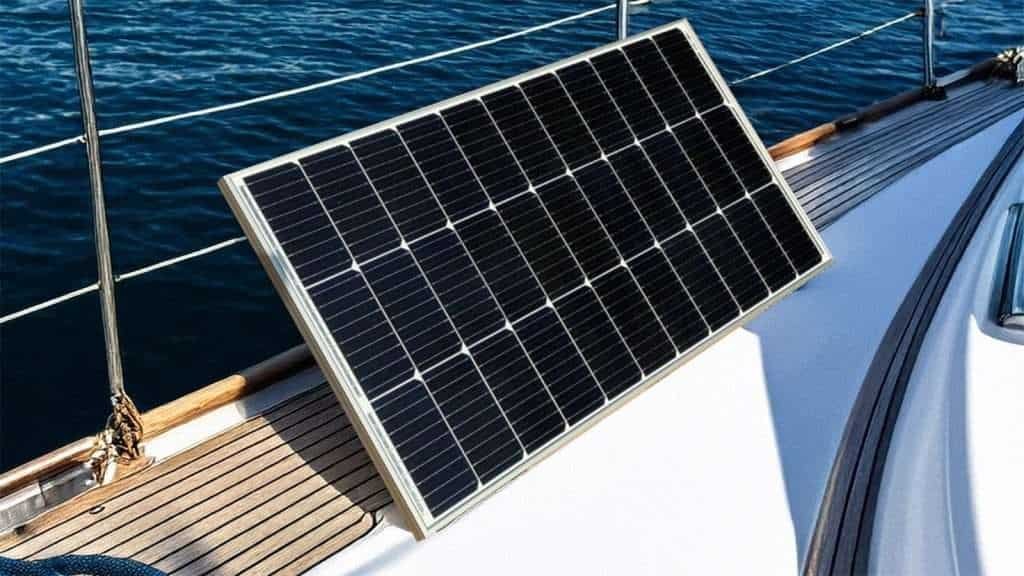
- Thermal management: Provide adequate airflow behind panels to reduce temperature-related losses
A study by Sandia National Laboratories found that improving airflow behind panels can reduce operating temperatures by 5-10°C, improving output by 2-5% in hot conditions.
Step 10: Maintenance Requirements for Long-Term Reliability
Off-grid systems require more regular maintenance than grid-tied systems due to their critical nature and battery components.
Recommended Maintenance Schedule
Monthly:
- Check battery water levels (for flooded lead-acid)
- Monitor system performance metrics
- Verify all connections remain tight and corrosion-free
Quarterly:
- Clean solar panels (more frequently in dusty/pollen-heavy areas)
- Inspect mountings for structural integrity
- Test backup power systems if applicable
Annually:
- Complete electrical system inspection
- Battery capacity testing
- Replacement of any degraded components
- Adjustment of panel angles if using seasonal tilting
Research from the Solar Energy Industries Association indicates that proper maintenance can extend system life by 5-10 years and prevent up to 95% of system failures.
Pro Tip: Create a digital maintenance log to track system performance over time. This historical data can help identify gradual degradation issues before they become critical failures.
Regional Adaptation Strategies for Off-Grid Solar
Different environments present unique challenges for off-grid solar panels. Here’s how to adapt your system:
Desert/High Sun Regions
- Increase panel tilt angle to reduce midday heat
- Consider ground-mount systems with better airflow
- Implement regular cleaning routines for dust removal
- Focus on high-temperature performance specifications
- Oversize battery storage rather than panel array for extended cloudy periods
Cold/Snowy Regions
- Install panels at steeper angles (latitude +15°) to shed snow
- Increase system capacity by 30-45% to account for shorter winter days
- Consider ground-mount systems for easier snow clearing
- Choose panels with strong frames for snow load resistance
- Install larger battery banks (4-5 days of autonomy) for extended cloudy periods
Coastal Areas
- Select panels with enhanced corrosion resistance
- Use marine-grade mounting hardware and fasteners
- Implement more frequent maintenance schedules
- Install additional protective measures against salt spray
- Consider microinverter or optimizer technology to minimize impact of partial shading
Frequently Asked Questions
Can I mix different wattage panels in my off-grid system?
While possible with MPPT controllers, it’s not recommended for off-grid systems. Mismatched solar panels reduce overall system efficiency and complicate troubleshooting.
Learn more on “Can You Mix Solar Panels with Different Wattages?“
How often do I need to clean my solar panels in an off-grid system?
Depends on your environment, but generally every 3-6 months. However, in dusty or pollen-heavy areas, monthly cleaning may be necessary. Research from the Solar Energy Industries Association shows that soiling can reduce panel output by 7-25% if left uncleaned.
What’s the minimum system I need for basic off-grid power?
For minimal needs (lights, phone charging, small electronics), start with at least 200W of panels, a 30A charge controller, and a 100Ah battery. This provides about 0.8-1 kWh of daily usable power in moderate sun conditions.
Can monocrystalline panels withstand extreme weather?
Yes, quality monocrystalline panels like the CLM-100M-33 are designed to withstand harsh conditions including hail (up to 1″ diameter at 50 mph), snow loads (typically 5,400 Pa/113 psf), and high winds when properly mounted.
How do I know if my solar panels are performing correctly?
Monitor your system’s daily energy production and compare it to expected output based on weather conditions. A sudden drop of more than 20% may indicate a problem requiring inspection. Modern monitoring systems can detect performance issues and provide alerts before critical failures occur.

Conclusion: Making Your Off-Grid Solar Investment Count
Selecting the right monocrystalline solar panels for your off-grid lifestyle requires careful consideration of your energy needs, local conditions, and quality factors. By following this comprehensive guide, you’ll make informed decisions that provide reliable, efficient power for your independent lifestyle.
Quality panels from reputable manufacturers like Couleenergy provide the foundation for decades of trouble-free off-grid power generation. The CLM-100M-33 100W panel exemplifies the ideal combination of efficiency, durability, and value that makes modern off-grid living practical and sustainable.
Starting with accurate energy calculations, selecting appropriate high-quality panels, ensuring proper system integration, and implementing regular maintenance will reward you with the reliability that off-grid living demands – and the freedom that comes with energy independence.
Connect with Couleenergy for Expert Assistance
Ready to start or upgrade your off-grid solar journey? Couleenergy specializes in high-efficiency monocrystalline solar panels for off-grid applications worldwide.
Contact Information
- Email: info@couleenergy.com
- Tel. and WhatsApp: +1 737 702 0119
- Website: couleenergy.com
How We Can Help
- Customized system design consultation
- Technical specification guidance
- International shipping expertise
- Volume pricing for large projects
Couleenergy is a specialized manufacturer of high-efficiency monocrystalline solar panels for global markets. We pride ourselves on offering custom-designed photovoltaic panels with low Minimum Order Quantities starting at just 100 units. Our engineering team can tailor dimensions, specifications, and performance characteristics to meet unique project requirements while maintaining strict quality standards and reliable worldwide shipping.



 English
  Español
  Français
  Deutsch
  Русский
  العربية