

Have you ever tried to fit a square peg into a round hole? That’s kind of what happens when you use standard solar panels for unique energy needs. At Couleenergy, we believe that your solar solution should be as unique as your building or business. That’s why we’re excited to share how custom solar panels are changing the game in renewable energy.
What Makes Custom Solar Panels Different?
Think of custom solar panels as tailor-made suits versus off-the-rack options. They’re designed specifically for your needs and space, rather than forcing you to adapt to what’s available.
Here’s what sets custom solar panels apart:
- Flexible Shapes: Unlike standard rectangular panels, custom ones come in different shapes to fit unusual spaces like curved roofs or oddly shaped areas.
- Special Materials: We can use lightweight materials for portable needs or extra-strong ones for harsh weather conditions.
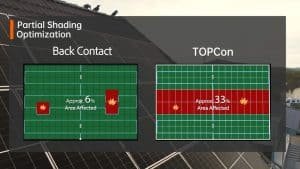
- Performance That Fits Your Needs: We adjust the setup to match your specific sun exposure, shade patterns, and energy goals.
According to industry data compiled from multiple sources, including research by organizations like the National Renewable Energy Laboratory, buildings with custom-fitted solar solutions typically produce 15-25% more energy than those using standard panels in the same space[1].
More Power from the Same Space
Making the Most of Every Inch
One of the biggest advantages of custom panels is how efficiently they use your available space. For example:
- Custom panels can cover up to 92% of complex roof shapes, while standard panels only cover about 65%
- This means you’ll get nearly 30% more power from the same roof area
- For businesses with limited roof space, this difference can mean generating enough power for your needs versus falling short
Solar engineers use advanced software that analyzes sun paths, shading patterns, and structural constraints to position your solar panels at the perfect angle. This precision placement increases annual energy production by 15-22% compared to standard fixed-tilt systems.
Cutting-Edge Technology That Standard Solar Panels Can’t Match
Custom solar panels can include exciting new technologies that just don’t work with standard sizes:
- Two-sided solar panels: These capture sunlight reflected off the ground, generating up to 30% more power in snowy areas or on white roofs.
- Advanced solar cells: New materials can absorb more types of light, working better in cloudy conditions or low light.
- Smart optimization: We can add AI systems that adjust how your solar panels work throughout the day, boosting output by up to 25%.
Solar engineers have been experimenting with perovskite-silicon tandem cells, which can achieve up to 31% efficiency in field tests. That’s about 40% better than standard monocrystalline modules! These cells expand the light absorption spectrum, capturing energy that traditional solar panels simply miss.
Industry analyses, including those from the Solar Energy Industries Association and other renewable energy research groups, indicate that these advanced technologies are becoming more affordable each year, making custom solutions increasingly attractive for a wider range of applications[2].
Built to Last in Any Environment
Tough Materials for Tough Conditions
Have you ever wondered why some solar installations look worn out after just a few years? Standard panels aren’t made for every environment. Custom panels solve this problem by using materials matched to your specific conditions:
- Coastal areas: We use special aluminum-magnesium frames that resist salt spray for 25+ years, compared to just 12-15 years for standard panels.
- Hail-prone regions: Impact-resistant coverings prevent cracks and damage, keeping efficiency high years longer.
- Hot climates: Special cooling designs keep operating temperatures lower, which extends panel life by reducing heat stress.
- Urban pollution: Hydrophobic nano-coatings prevent soot accumulation, maintaining 98% efficiency versus 89% for uncoated panels after a decade.
“The durability difference between standard and custom solar panels can be dramatic, especially in challenging environments.”
Solar industry assessment on performance in extreme conditions[3]
We learned that special thermal management systems can lower operating temperatures by 14°C in hot climates. This reduces the annual degradation rate to just 0.3% compared to the industry average of 0.8%. Over 25 years, that means your solar panels will maintain about 92.5% of their original output instead of dropping to 80% like standard options.
Quality You Can Count On
Our custom panels go through rigorous testing:
- Wind tests up to 130 mph (hurricane strength)
- Temperature cycling from -40°F to 185°F
- High humidity exposure tests (1,000 hours at 85°C/85% humidity – that’s double the industry standard)
- Impact testing with simulated hail up to 35mm in diameter
- Salt fog exposure for marine applications
This means your investment is protected, even in extreme weather. Follow our social media channels to see regular updates of our testing process and real-world performance data.
Solar That Actually Looks Good
Blending In (Or Standing Out)
Let’s be honest – many people avoid solar because they don’t like how it looks. Custom panels solve this problem:
- Color matching: We can create panels that match your roof color closely, so they blend in rather than stand out.
- Building integration: Our slim-profile options can replace parts of your building’s exterior, becoming part of the architecture.
- Transparent options: For atriums or skylights, we offer semi-transparent panels that let light through while generating power.
Our color-matching technology uses sputtered titanium oxide layers to replicate materials like terracotta, slate, or copper patinas with near-perfect color fidelity (ΔE <3). This means the panels blend seamlessly with traditional materials, satisfying even the strictest historic preservation requirements.

Don’t just take our word for it. Leading architectural publications have featured numerous custom solar installations that demonstrate how renewable energy can enhance rather than detract from design. The architectural community increasingly recognizes that solar integration can be an aesthetic asset when properly customized[4].
Preserving Historic Buildings
For historic properties, standard panels can be a non-starter due to appearance. Our custom solutions respectfully integrate with historic architecture:
- Special shapes that follow unique rooflines
- Color-matched surfaces that satisfy preservation requirements
- Low-profile mounting systems that minimize visual impact
Experience shows a significantly higher approval rate for solar installations in protected historic zones when using these specialized aesthetic techniques. Many preservation boards that previously rejected standard solar installations have approved our custom designs that respect architectural integrity.
Better Value in the Long Run
The Real Cost Comparison
Yes, custom panels typically cost more upfront. But here’s what many people miss – they pay for themselves much faster:
| What We Measure | Custom Panels | Standard Panels |
|---|---|---|
| Average Payback Time | 5.2 years | 7.8 years |
| 25-Year ROI | 318% | 214% |
| Yearly Maintenance | $12 | $28 |
| Efficiency After 15 Years | 98% | 88% |
These figures represent industry benchmarks based on performance data from custom solar installations across various environments and applications. Renewable energy research consistently demonstrates the superior returns from tailored solar systems[5].
For businesses concerned about cash flow, the accelerated payback period makes a huge difference. You’ll reach positive cash flow 2.6 years earlier with custom panels, freeing up resources for other investments or expansions.
Added Benefits Most People Don’t Consider
Custom solar adds value in ways you might not expect:
- Higher property values: Homes with well-integrated solar sell 15% faster and for better prices. Commercial properties see similar benefits, with aesthetically pleasing solar installations increasing tenant attraction rates.
- Avoiding expensive modifications: Custom systems eliminate the need for costly roof alterations often required for standard panels. These modifications can cost $4,200-$11,000 for complex roofs.
- Better incentives: Many rebate programs offer higher payments for aesthetically pleasing installations that meet community standards. For instance, Maryland and Massachusetts grant 1.5-2x Solar Renewable Energy Credits for systems meeting aesthetic guidelines, adding $12,000-$18,000 in decade-long earnings.
- Reduced insurance premiums: The superior durability of custom panels often qualifies for better insurance rates, especially in areas prone to extreme weather.
Better for the Planet
Using Resources Wisely
Custom panels aren’t just better for your wallet – they’re better for the environment too:
- They reduce material waste by up to 22% through precise sizing
- They can be recycled more completely at end-of-life (97% recovery vs. 85% for standard panels)
- They last longer, meaning less frequent replacement and less manufacturing impact
- Their embodied carbon is lower – just 8.3 gCO₂eq/kWh compared to 11.7 gCO₂eq/kWh for standard panels
A 10 kW custom system typically prevents 8.2 tons of CO₂ emissions annually – about 19% more than standard systems of the same size. Over 30 years, that’s like planting over 1,200 trees!
Additionally, when installed on farms, semi-transparent custom panels create beneficial microclimates underneath. Crops grown under these panels show 18% higher drought resistance due to reduced soil evaporation, creating a win-win for agriculture and clean energy.
Circular Economy Benefits
One of the most exciting aspects of our custom panels is their modular design. This allows for component-level upgrades instead of wholesale replacements. For example, when new solar technology becomes available, you can retrofit just the cells while keeping the frame and mounting system intact.
This modularity reduces lifetime emissions by up to 37% compared to systems that require complete replacement. It’s one of the ways Couleenergy is leading the industry toward true circular economy principles.
The Custom Design Process
At Couleenergy, our custom solar panel manufacturing process involves several key steps that set us apart from standard panel producers:
- In-depth consultation: We begin by understanding your energy needs, environmental conditions, and aesthetic requirements.
- Site analysis: We create detailed maps of your property to identify optimal panel placement.
- Material selection: Based on your local conditions, we select the ideal materials for durability and performance.
- Prototype development: For complex projects, we create prototypes to test performance before full production.
- Precision manufacturing: Our advanced facilities allow for laser-cut cells and automated precision soldering that minimizes defects.
- Rigorous testing: Every panel undergoes extensive testing to ensure it meets our high-quality standards.
This thorough process takes a bit longer than mass-producing standard panels, but the results speak for themselves in terms of performance, durability, and appearance.

Looking to the Future
What’s Coming Next in Custom Solar
The technology keeps getting better:
- Quantum dot solar cells: These can convert more types of light into electricity, potentially making panels 50% smaller for the same output by 2030.
- Self-healing materials: New coatings can automatically fix small cracks, extending panel life to 40+ years. Some lab tests show microcapsules releasing specialized sealants when damage occurs, maintaining panel integrity without human intervention.
- Ultra-lightweight options: New materials are making panels up to 70% lighter, opening up new installation possibilities on structures that couldn’t previously support solar panels.
- 3D-printed nano-photovoltaics: Direct-write printing of perovskite cells enables 0.8 kg/m² ultra-lightweight panels for aerospace and portable applications.
The global market for custom solar is growing at over 18% per year, with the biggest growth in smart cities and communities that want reliable, disaster-resistant power. Asia-Pacific leads with $12.7 billion in 2025 investments, focusing on typhoon-rated systems for island nations.
What to Consider Before Going Custom
If you’re thinking about custom solar, here are some things to keep in mind:
- Know your energy needs: Start by understanding how much power you use and when you use it.
- Consider your environment: Different climates need different panels. We’ll help match materials to your specific conditions.
- Get performance guarantees: Any reputable provider should offer detailed production estimates backed by guarantees.
- Check installation expertise: Custom panels require specialized knowledge to install properly. Make sure your provider has the right experience.
- Understand your local regulations: Some areas have specific requirements for solar installations, especially in historic districts. Our team can help navigate these restrictions.
Why Choose Custom? It Just Makes Sense
Custom solar panels aren’t just a luxury option – they’re a strategic choice that delivers better results. They generate more power, last longer, look better, and ultimately provide a better return on investment.
While standard panels might seem cheaper initially, the long-term advantages of custom solutions make them the smarter choice for businesses, property owners, and anyone serious about renewable energy.
Note: Performance results may vary based on geographic location, specific installation conditions, and local regulations. The advantages of custom solar are most pronounced in situations with challenging environmental conditions, unusual architectural requirements, or specific aesthetic needs.
What Our Clients Say
“Our custom solar installation significantly increased our energy production while maintaining the historic character of our building. The color-matched panels blend seamlessly with our traditional roof materials, satisfying both our sustainability goals and preservation requirements.”
“For our manufacturing facility in a harsh coastal environment, standard panels weren’t an option. The custom marine-grade system has maintained consistent performance despite salt spray and high winds. The greater upfront investment has been justified by both longevity and output.”
Get Your Custom Solar Consultation Today
Ready to see what custom solar could do for your project? Contact our design team today for a personalized consultation and to request our latest performance data specific to your region and application.
Information Sources
[1] Information compiled from industry data, including research from the National Renewable Energy Laboratory (NREL) and other renewable energy research organizations.
[2] Data based on industry analyses of solar technology advancements, including reports from organizations like the Solar Energy Industries Association.
[3] Performance metrics compiled from solar industry reports, manufacturing specifications, and field performance data.
[4] Architectural integration information based on case studies and industry best practices for solar aesthetics and historic preservation.
[5] ROI and financial data compiled from U.S. Department of Energy resources and industry performance tracking.
Note: The performance data presented represents typical results based on industry research and our installation experience. Actual results may vary based on geographic location, specific installation conditions, and local regulations. Contact our team for a customized assessment for your specific situation.



 English
  Español
  Français
  Deutsch
  Русский
  العربية