

Ever wonder what keeps your solar panels working for decades? The secret is often the backsheet – the protective layer on the back of solar panels. While you might not see it, this component is crucial for how long your solar system will last.
At Couleenergy, we help customers choose the right solar panels for their needs. This guide will help you understand backsheets and why they matter for your solar investment.
What Does a Solar Panel Backsheet Do?
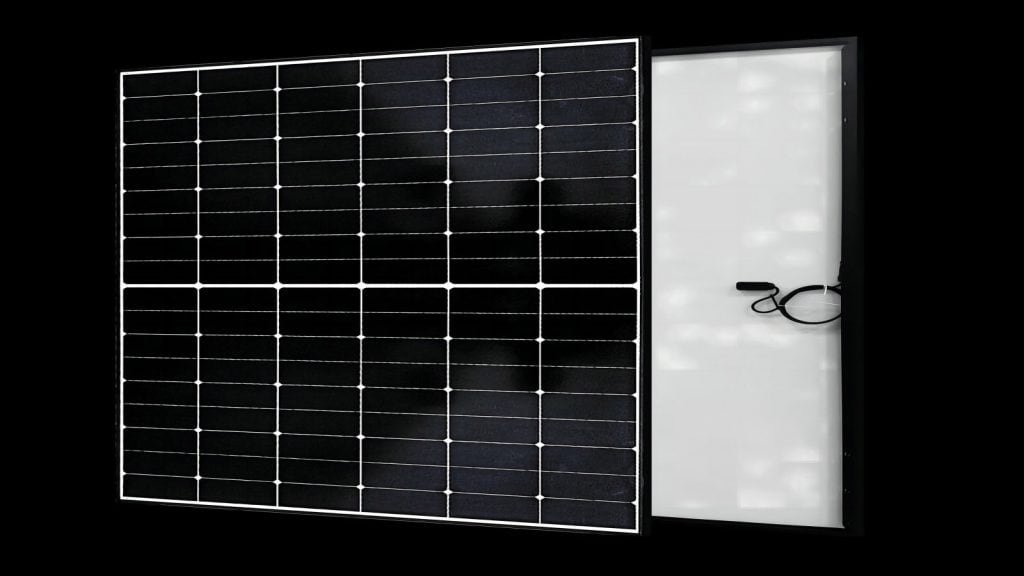
Think of a backsheet as your solar panel’s shield. It has three main jobs:
- Protects against weather – Keeps out rain, humidity, and blocks harmful UV rays
- Provides electrical safety – Prevents dangerous electrical leaks from high-voltage systems
- Adds physical strength – Helps panels withstand wind, hail, and daily stress
A good backsheet can help your solar panels last 25+ years. A poor one might lead to problems in just a few years.
Common Problem: Many solar buyers focus only on efficiency and price, ignoring the backsheet quality. This mistake can lead to early panel failure and costly replacements.
Types of Solar Panel Backsheets: From Premium to Budget
Premium Options: Fluoropolymer Backsheets
1. PVF (Tedlar®) Backsheets – Best for Harsh Conditions
What it is: Made with polyvinyl fluoride (often branded as Tedlar®) on both sides of a PET core.
Why choose it:
- Excellent UV protection
- Very low moisture penetration
- Works in extreme temperatures (-60°C to +85°C)
- Can last 25+ years in good conditions
Best for: Desert installations, extreme climates, and premium home systems.
Cost: On the higher end at approximately $0.80-1.10/m² (prices may vary)
2. PVDF (Kynar®) Backsheets – Great Performance at Lower Cost
What it is: Uses polyvinylidene fluoride (often branded as Kynar®) instead of PVF.
Why choose it:
- Strong UV protection
- Good moisture barrier
- Excellent in salty, coastal areas
- More affordable than PVF options
Best for: Commercial rooftops, coastal areas, and projects needing good value.
Cost: Mid-range at approximately $0.70-0.80/m² (prices may vary)
3. Single-sided Fluoropolymer Backsheets – Balanced Option
What it is: Has fluoropolymer only on the outside, with cheaper materials on the inside.
Why choose it:
- Decent UV protection
- Moderate moisture barrier
- 25-40% cheaper than double-sided options
- Good 15-20 year lifespan
Best for: Home installations in mild climates and budget-conscious projects.
Budget-Friendly Options
1. PET-Based Backsheets – Most Affordable Choice
What it is: Made mostly from treated polyester (PET) with protective coatings.
Why choose it:
- Very affordable
- Reasonable protection in dry climates
- Works well between -30°C to +90°C
- Typically lasts 10-15 years
Best for: Home systems in dry areas and price-sensitive markets.
Cost: Most economical at approximately $0.15-0.25/m² (prices may vary)
2. Polyolefin Backsheets – The Eco-Friendly Option
What it is: Made from polypropylene (PP) or polyethylene (PE) plastics.
Why choose it:
- 100% recyclable
- Better for the environment
- Good performance in moderate climates
- Mid-range cost
Best for: Eco-conscious buyers and projects in mild climates.
Cost: Moderate at approximately $0.35-0.45/m² (prices may vary)
Specialized Backsheets for Specific Needs
1. Transparent Backsheets for Dual-Sided Panels
These special backsheets let light through to the back of bifacial solar panels.
Benefits:
- 4-6% more power from the same panels
- Lighter than glass-on-glass designs
- Great for farm solar projects where crops grow underneath
2. Reinforced Backsheets for Extreme Conditions
Extra-strong backsheets for challenging environments.
Benefits:
- Much stronger than standard options
- Better fire protection
- Perfect for floating solar and areas with severe weather
How to Choose the Right Backsheet for Your Project
Use this simple chart to compare your options:
| Backsheet Type | Lifespan | Best Environment | Main Benefit |
|---|---|---|---|
| PVF (Tedlar®) | 25+ years | Harsh/Extreme | Maximum protection |
| PVDF (Kynar®) | 20-25 years | Coastal/Humid | Good value |
| Single-sided | 15-20 years | Moderate | Balanced performance |
| PET-based | 10-15 years | Dry/Mild | Low cost |
| Polyolefin | 15-20 years | Moderate | Eco-friendly |
| Transparent | 20+ years | Farm solar | Dual-sided power |
Match Your Backsheet to Your Environment
Hot, Sunny Desert Areas
For places with intense sun and heat, PVF backsheets offer the best protection. They help panels resist breaking down from constant UV exposure. Some studies show premium backsheets help panels keep 85-90% of their power after 15 years in desert conditions.
Coastal and Humid Regions
Salt spray and humidity can quickly damage solar panels. PVDF backsheets work well here because they resist corrosion better than cheaper options. Their higher fluorine content (59%) provides better protection.
Cold Climate Areas
If your area sees very cold temperatures, stick with double-sided fluoropolymer backsheets. PVF stays flexible down to -60°C, while PVDF works well to about -50°C. Cheaper options may crack in extreme cold.
Moderate, Dry Climates
In mild regions with lower humidity, you can often use more affordable options like single-sided fluoropolymer or PET backsheets and still get good performance.
Choosing By Project Type
Home Solar Systems
For most homes, single-sided fluoropolymer or high-quality PET backsheets offer a good balance of cost and durability. If you live in a humid area (over 65% average humidity), consider at least a single-sided fluoropolymer option.
Business and Commercial Rooftops
Commercial projects need to balance upfront costs with long-term reliability. PVDF or single-sided fluoropolymer backsheets typically offer the best value here. They provide good protection while keeping costs reasonable.
Large Solar Farms
For big utility projects, long-term performance is key. PVF backsheets are often worth the extra cost in harsh environments, while PVDF options work well in more moderate conditions.
Farm Solar (Agrivoltaics)
If you’re growing crops under solar panels, transparent backsheets are ideal. They allow 80-90% of plant-growing light to pass through while still generating solar power above.
Customer Success Stories
“We installed Couleenergy panels with PVDF backsheets at our coastal resort three years ago. Despite salt spray and high humidity, they’re still performing at 98% efficiency. Best investment we’ve made for our business.”
— Rupert Fenwick
“As a solar farm developer, we’ve tried many panel types. Couleenergy’s PVF backsheet panels cost a bit more upfront but have proven their worth. After 7 years in the desert heat, they show minimal degradation compared to our other installations.”
— Dorian Seabrook
What’s New in Backsheet Technology
The solar industry keeps improving backsheet technology:
- Better Dual-Sided Performance – New transparent backsheets are helping bifacial panels produce more power
- More Eco-Friendly Options – Recyclable materials are making solar more sustainable
- Improved Weather Protection – Advanced coatings are keeping moisture out better than ever
- Smart Features – Some new backsheets have built-in sensors to monitor panel health
Making the Right Choice: Your Backsheet Checklist
When selecting solar panels, ask these questions about the backsheet:
- What’s your local climate? (Temperature range, humidity, salt exposure)
- How long do you plan to use the system? (10, 20, or 25+ years)
- What’s your budget? (Premium, mid-range, or economy)
- Do you need special features? (Bifacial, extreme weather resistance)
- Does the backsheet meet certification standards? (Look for TÜV certification)
Conclusion: Don’t Overlook This Critical Component
The backsheet might be the “unsung hero” of your solar panels, but it greatly affects how long your system will last. At Couleenergy, we carefully select the right backsheets for each customer’s specific environment and needs.
While premium fluoropolymer backsheets work best in tough conditions, improved budget-friendly options now work well in milder climates. Understanding these differences helps you make a smarter solar investment.
Whether you’re installing a home system, commercial project, or specialized application, choosing the right backsheet helps ensure your solar panels deliver reliable power for decades.
Ready to find the perfect solar solution? Contact us today for a free consultation →
Couleenergy provides innovative solar solutions tailored to your specific needs and location. Our expert team helps you select the optimal solar technology for your project. info@couleenergy.com, +1 737 702 0119




 English
  Español
  Français
  Deutsch
  Русский
  العربية