
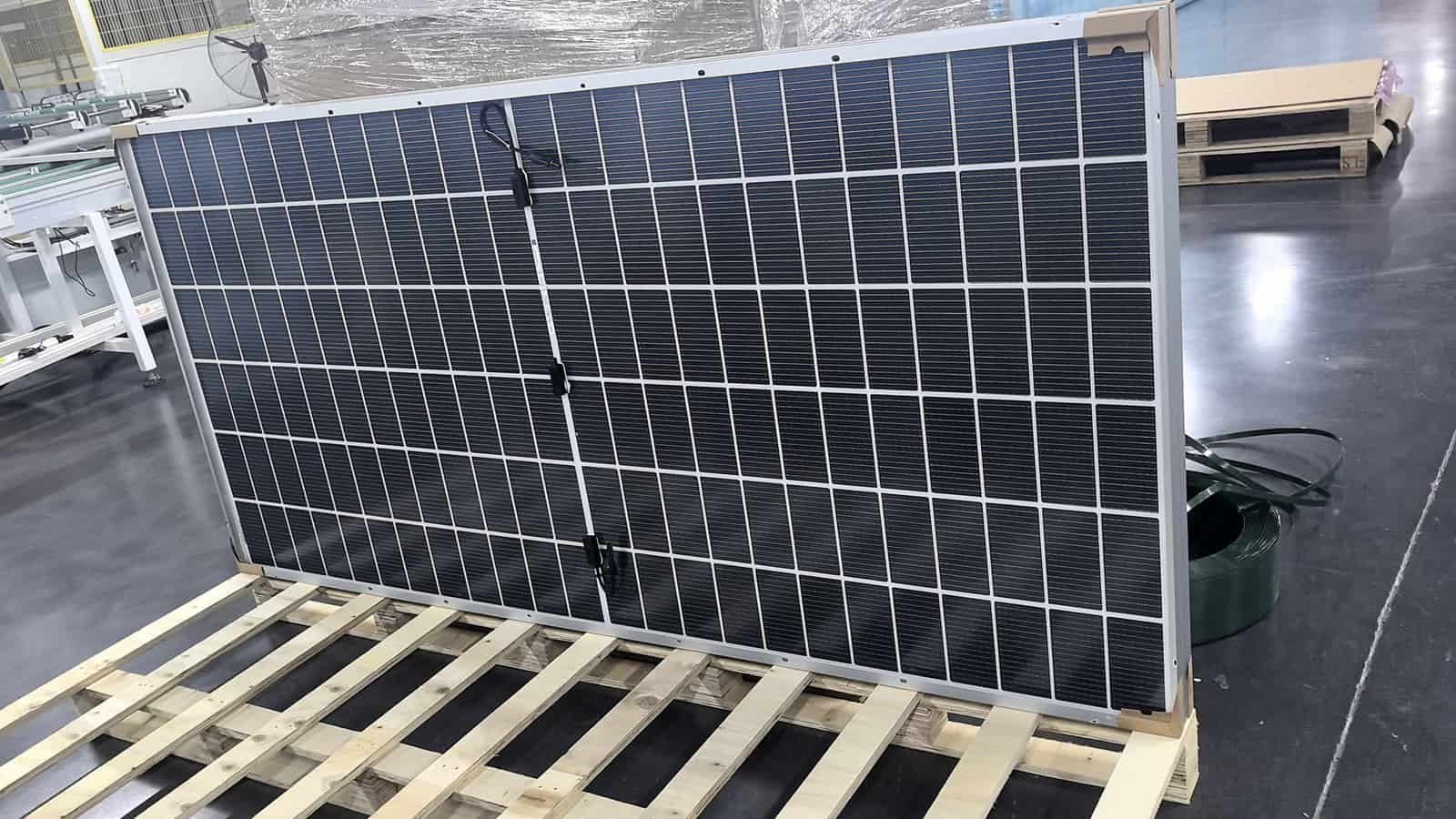
Sie haben das Modul gefunden, das Sie verkaufen möchten. Die Mindestbestellmenge des Werks beträgt mehrere Dutzend Container. Es gibt noch eine dritte Möglichkeit.
Jeder regionale Händler stößt irgendwann an dieselbe Grenze. Ihre Kunden fragen ständig nach hocheffizienten Rückkontaktmodulen. Die Hersteller, die diese fertigen, vergeben ihre Produktion auf Basis von Rahmenverträgen, die Jahre im Voraus abgeschlossen wurden. Ihr jährliches Volumen – fünf Container, acht, manchmal drei Paletten – reicht dafür nicht aus.
Dies ist keine Wertung Ihres Unternehmens. Es handelt sich um eine Rechenoperation innerhalb einer Gigawatt-Leitung, die nicht wegen einer kleinen Bestellung gestoppt werden kann.
Zusamenfassend: OEM-Lieferung (Original Equipment Manufacturer) bedeutet, dass ein Werk ein Modul nach vereinbarter Spezifikation fertigt und unter Ihrer Marke vertreibt. Bei Modulen mit Rückvertrieb ist dies für Abnehmer unterhalb der Mindestbestellmenge eines Tier-1-Lieferanten meist die einzige Möglichkeit, ein Premiumprodukt in den eigenen Katalog aufzunehmen und dabei die Kontrolle über Spezifikation, Dokumentation und Produktkontinuität zu behalten.
Im Folgenden finden Sie einen praktischen Leitfaden, keine Broschüre. Er behandelt die Modulspezifikation, die Einschränkungen beim String-Design, die in kalten Märkten häufig zu Problemen führen, die Funktionsweise der Garantieabwicklung bei Eigenmarkenprodukten, die Kosten für einige Paletten und eine Liste von Punkten, die Sie bei der Bewertung von OEM-Lieferanten – einschließlich uns – vermeiden sollten.
Lesen Sie die Abschnitte, die Sie benötigen. Sie sind in sich abgeschlossen.
Drei Beschaffungswege, wenn die Fabrik ablehnt
Jede Route hat ihren Preis. Informieren Sie sich, welchen Preis Sie zahlen, bevor Sie sich festlegen.
| Route | Was Sie gewinnen | Was es Sie kostet |
|---|---|---|
| Kaufen Sie die Marke über einen Händler. | Ein Name, dem Ihr Markt bereits vertraut. | Sie haben keine Kontrolle über Spezifikationen, Zuteilung oder Kontinuität. Sie verkaufen dieselbe Box wie alle anderen und konkurrieren daher ausschließlich über den Preis. Garantieansprüche durchlaufen eine Kette, die Sie nicht kontrollieren. |
| Wechseln Sie zu einem Standardmodul | Einfache Versorgung, geringes Einstiegsvolumen | Sie verlieren das Alleinstellungsmerkmal Ihres Produkts. Ihr Angebot beginnt wie jedes andere Angebot auf dem Schreibtisch des Kunden auszusehen. |
| OEM / Eigenmarke | Spezifikationskontrolle, Ihre Marke auf dem Produkt, ein direkter Ansprechpartner für die Entwicklung, eine Margensicherung, die nicht auf dem Preis basiert. | Sie bauen selbst Markenvertrauen auf und sind für die Garantiegespräche mit Ihren Kunden verantwortlich. Der Großteil dieses Leitfadens befasst sich damit, diesen Teil zu vereinfachen. |
Weg drei ist nicht automatisch der richtige. Wenn Ihre Zielgruppe ausschließlich auf Markenbekanntheit setzt und Sie kein Interesse daran haben, eine eigene Marke aufzubauen, bleiben Sie bei Weg eins und akzeptieren Sie die geringere Gewinnspanne. Niemand profitiert von einem Eigenmarkenprogramm, an das der Verkäufer nicht glaubt.
CLM-650M-72 Serie: 640–665 W n-Typ bifaziale Rückseitenkontaktierung
| Parameter | Wert |
|---|---|
| Nennleistung, Vorderseite bei STC | 640 / 645 / 650 / 655 / 660 / 665 W |
| Moduleffizienz | 23,7 % bis 24,6 % |
| Zelltechnologie | N-Typ-Rückkontakt, busbarfreie Vorderseite |
| Zellen | 144 halbe Stücke, 6 × 24 |
| Konstruktion | Bifaziales Doppelglas, 2,0 + 2,0 mm halbgehärtet |
| Abmessungen und Gewicht | 2382 × 1134 × 30 mm; 32,5 kg |
| Leistungstoleranz | 0 bis +3 % |
| Voc / Isc bei 665 W bin | 54,52 V / 15,38 A |
| Temperaturkoeffizienten | Pmax −0,260 %/°C; Voc −0,200 %/°C |
| Anschlussdose | IP68, drei Bypass-Dioden |
| Statische Last, vorne / hinten | 5400 Pa / 2400 Pa |
| Betriebsbereich | -40 °C bis +85 °C; 1500 V DC; max. 30 A Seriensicherung |
| Palettenmenge | 36 Stück |
Zwei Zeilen in dieser Tabelle sollten besonders sorgfältig gelesen werden, da Käufer sie regelmäßig falsch interpretieren.
Die Leistungstoleranz ist ausschließlich positiv. Die Module werden innerhalb ihrer Lagerbox nach 0 bis +3 % sortiert. Daher enthält eine mit 650 W gekennzeichnete Box kein 640-W-Modul. Die Blitzmessung ist, wie in jedem Werk, mit einer eigenen Messunsicherheit behaftet. Betrachten Sie die Sortierung daher eher als Mindestwert denn als Garantie für eine bestimmte Wattzahl.
Die Nennleistung bezieht sich nur auf die Vorderseite. Die rückseitige Verstärkung bei bifazialer Abstrahlung wird separat berechnet und ist nicht im Typenschild enthalten. Falls ein Konkurrenzangebot für ein Modul dieser Größe einen Wert im Bereich von 700 oder 800 Watt angibt, prüfen Sie, ob es sich um die Nennleistung für die Vorderseite oder die rückseitige Verstärkung handelt.
24,6 % gegenüber 25,6 %: Ist der Effizienzunterschied für Ihr Unternehmen relevant?
Die Effizienz von rückseitig kontaktierten Modulen hat sich rasant weiterentwickelt. Auf den Branchenmessen 2026 waren 25-Zoll-%-Module weit verbreitet, 24-Zoll-%-Module hatten sich als Standard etabliert und 23-Zoll-%-Module bildeten die Untergrenze. Mehrere Hersteller bieten mittlerweile in der Serienproduktion Module mit mehr als 25 Zoll % an. Einige verwenden dabei die exakte Grundfläche von 2382 × 1134 mm. Die Spitzenleistungsklasse hat die 690-Watt-Marke überschritten.
Wir werden nichts beschönigen, und Sie sollten jedem Anbieter, der das tut, misstrauen. Mit 24,6 % liegt dieses Modul über dem Standard, aber unter den Rekordhaltern. Ihr Kunde kann das in fünf Minuten nachschlagen, daher erübrigt sich jede weitere Erklärung.
Die Frage, die sich tatsächlich auf Ihre Gewinn- und Verlustrechnung auswirkt, ist eine andere: Kann man den Rekordhalter kaufen?
Diese Produkte stammen aus Fabriken, deren Kapazitäten durch Rahmenverträge im Gigawattbereich gesichert sind. Bei einer Abnahmemenge von nur wenigen Containern pro Jahr gehören Sie nicht zu diesen Anbietern. Sie erhalten Ihr Angebot über einen Zwischenhändler, zu einer von einem Dritten festgelegten Marge, ohne Einfluss auf die Spezifikationen und ohne Garantie, dass dasselbe Produkt in der nächsten Saison verfügbar ist.
Der eigentliche Vergleich besteht also nicht darin, einen Effizienzpunkt mit einem anderen zu vergleichen. Er besteht vielmehr darin:
- Ein erstklassiges Rückkontaktmodul Sie können bestellen, in Ihrem Umfang, unter Ihrer Marke, mit direktem Draht zu den Ingenieuren, die es gebaut haben
- Ein Modul mit geringfügig höherer Spezifikation, das Sie nur als Handelsware weiterverkaufen können, vorausgesetzt, Sie erhalten eine Zuteilung.
Auf einem Dach macht die Moduleffizienz nur eine geringfügige Veränderung des Jahresertrags aus. Im Vertriebsgeschäft hingegen ist der Besitz der eigenen Produktlinie alles andere als unbedeutend.
Die Haltbarkeit von Glas-Glas-Verbindungen hängt vom Verkapselungsmaterial ab, nicht vom Glas selbst.
Doppelglas wird als automatische Verbesserung der Haltbarkeit beworben. Die Begründung ist einleuchtend: Keine Polymer-Rückseite, daher kann nichts vergilben, reißen oder sich ablösen. Soweit es geht, stimmt das auch.
Es ist außerdem unvollständig, und es lohnt sich, diese Lücke zu verstehen, bevor man seinen eigenen Namen auf ein Modul setzt.
Frühe Glas-Glas-Module wiesen mitunter Qualitätseinbußen auf. Schneller als bei Konstruktionen mit Glasrückseite. Der Mechanismus ist chemischer, nicht konstruktionsbedingter Natur. Das EVA-Verkapselungsmaterial setzt mit der Zeit Essigsäure frei. Eine Rückseitenfolie ist bis zu einem gewissen Grad durchlässig und lässt diese entweichen. Ein versiegeltes Glas-Sandwich hingegen nicht, sodass sich die Säure im Inneren des Laminats konzentriert und Metallisierungskorrosion sowie Delamination verursacht. Feldstudien zeigten eine stärkere Bräunung des EVA-Materials bei Glas-Glas-Konstruktionen als bei solchen mit Glasrückseite.
Die Industrie hat dieses Problem durch den Einsatz von POE-Vergussmassen behoben, die kein Vinylacetat enthalten und daher keine Essigsäure erzeugen. Unabhängige beschleunigte Feuchtwärmetests zeigen, dass moderne Glas-Glas-Vergussmassen mit Glas-Rückseitenfolien vergleichbare Leistungen erbringen und führen die Verbesserung speziell auf diesen Wechsel zurück.
Nehmen Sie dies in Ihren Lieferantenfragebogen auf: Welches Vergussmaterial befindet sich im Laminat, EVA oder POE? Diese Frage lässt sich in einem Satz beantworten. Bei einem Glas-Glas-Modul ist dies eine der wenigen Materialfragen, die das Verhalten über zwanzig Jahre zuverlässig vorhersagen können. Ein Lieferant, der diese Frage nicht schnell beantworten kann, verrät Ihnen, wie gut er seine eigene Materialliste kennt.
Das umfassendere technische Bild – Schichtfunktionen, Feuchtigkeitswege, mechanische Belastung – wird in unserem Artikel behandelt. Vergleich der Rückkontakttechnologie.
Warum komplett schwarze rückseitig kontaktierte Module Verkaufsschlager sind, das Datenblatt erreicht nie
Wer an Hausbesitzer und Kleinunternehmen verkauft, weiß das bereits. Der Kunde schaut sich das Dach an, bevor er sich mit den Zahlen beschäftigt.
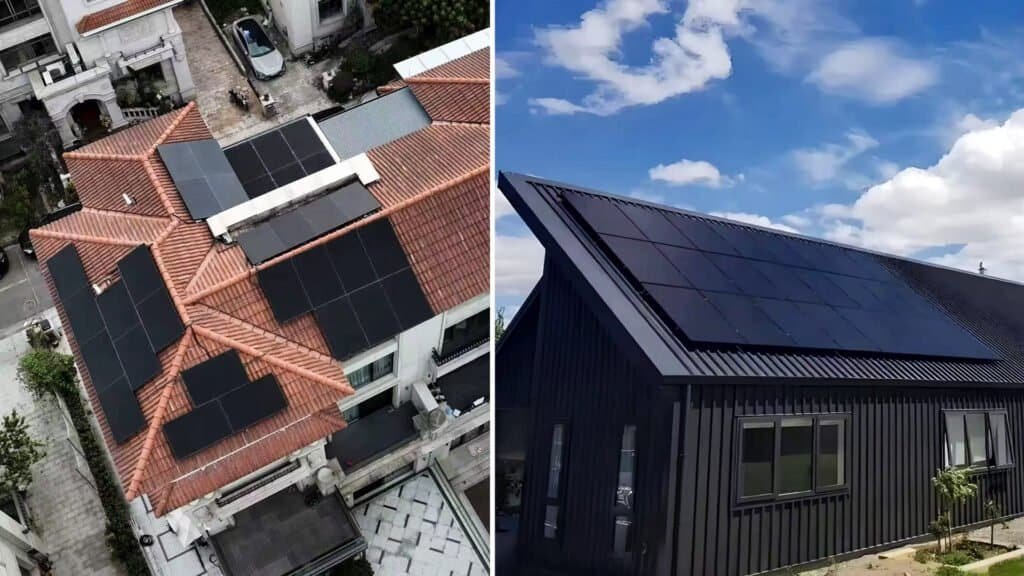
Eine rückseitig kontaktierte Zelle weist auf ihrer sonnenzugewandten Seite kein Metall auf. Keine silbernen Kontakte, keine Stromschienen, kein feines Gitter, das das Licht schräg einfängt. Vom Boden aus erscheint die Anordnung als eine einzige, durchgehende dunkle Fläche.
Daraus ergeben sich drei wirtschaftliche Konsequenzen:
- Es erfüllt die Anforderungen an ein sichtbares Dach. Fassaden, Gebäude im Stadtzentrum, an denkmalgeschützte Grundstücke und alle Projekte, zu denen ein Planungsbeamter oder dessen Ehepartner eine Meinung hat.
- Es unterstützt eine Premium-Stufe in Ihrem Katalog. Sie benötigen ein Produkt, das über die Standardproduktgrenze hinausgeht, und das Erscheinungsbild ist ein Unterschied, den der Kunde wahrnimmt, ohne etwas lesen zu müssen.
- Es lässt sich gut fotografieren. Ihre fertigen Projekte sind Ihre Werbung. Eine einheitliche schwarze Grafik eignet sich besser für eine Referenzgalerie als eine mit Rasterlinien.
Die Rahmenoberfläche gehört zu den unkomplizierteren Anpassungsmöglichkeiten. Ob schwarzer Rahmen, Silber oder eine spezielle Oberfläche für Ihr Projekt – sprechen Sie uns bei der Angebotserstellung darauf an, damit wir Ihnen die Auswirkungen auf die Lieferzeit mitteilen können.
String-Design in kalten Klimazonen: Die Zahlen, die die Leute in die Irre führen
Die meisten Marketingkonzepte für Module sind auf Wachstumsmärkte ausgerichtet. Wenn Sie in Polen, Rumänien, dem Baltikum oder den Karpaten verkaufen, gelten für Ihre Designs andere Rahmenbedingungen.
Kalte Morgenstunden, nicht heiße Nachmittage, wählen Sie Ihre Saitenlänge.
Die Leerlaufspannung steigt mit sinkender Temperatur. Der Leerlaufspannungskoeffizient beträgt hier −0,200 %/°C und ist damit niedriger als bei gängigen TOPCon-Modulen. Dies bedeutet einen geringeren Spannungsanstieg und ermöglicht längere Strings.
Beispielrechnung für den 665-W-Bereich. Die Leerlaufspannung (Voc) unter Standardtestbedingungen (STC) beträgt 54,52 V. Bei einer Zelltemperatur von −25 °C ergibt der Koeffizient ungefähr 59,97 V. Teilt man diesen Wert durch eine Grenze von 1000 V, ergibt sich ein oberer Grenzwert von … 16 Module pro Zeichenkette. Eine Grenze von 1500 V ergibt 25,01, was viel zu nahe an der Auslegungsgrenze liegt – nehmen wir 24.
Zwei Dinge sind zu beachten. Die Bindungsbeschränkung ist normalerweise Ihre Wechselrichter Die maximale Gleichstrom-Eingangsspannung ist nicht die Nennspannung des Moduls von 1500 V. Die meisten kleinen gewerblichen Wechselrichter arbeiten mit 1000 V oder 1100 V. Die Angabe von −25 °C dient lediglich der Veranschaulichung und entspricht nicht Ihrem Standort – verwenden Sie den niedrigsten jemals gemessenen Wert für den tatsächlichen Standort.
Die bifaziale Verstärkung äußert sich in Form von Strom, und Strom hat Grenzen
Die rückseitige Bestrahlungsstärke erhöht den Kurzschlussstrom (Isc) und die Impedanz (Impedanz), während die Leerlaufspannung (Voc) im Wesentlichen unverändert bleibt. Dies ist genau das Gegenteil dessen, worauf die meisten Entwickler Wert legen. Im oberen Bereich der Tabelle für die rückseitige Verstärkung im Datenblatt erreicht der Kurzschlussstrom (Isc) 19,03 A gegenüber 15,38 A bei der reinen Nennleistung für die Vorderseite.
Vergleichen Sie daher den oberen Grenzwert dieses Bereichs mit dem maximalen Eingangsstrom Ihres Wechselrichters pro MPPT, der Absicherung Ihrer Strings mit der Nennleistung der 30-A-Seriensicherung und der Dimensionierung Ihres DC-Kabels. Eine bifaziale Solaranlage, die nur für den Frontseitenstrom ausgelegt ist, kann an einem hellen Tag über einer hellen Oberfläche an ihre Leistungsgrenzen stoßen.
Mischen Sie keine Leistungseinheiten innerhalb einer Kette.
Das kostet die Händler richtig Geld und taucht in den Unterlagen der Lieferanten nur selten auf.
In Reihe geschaltete Module führen alle den gleichen Strom. Die Gesamtstromstärke der Reihe wird durch ihr schwächstes Glied bestimmt. Innerhalb dieser Reihe variiert die Stromstärke (Imp) von 14,33 A beim 640-W-Modul bis 14,72 A beim 665-W-Modul – eine Spanne von etwa 2,7 µT. Werden beide Modulklassen in einer Reihe geschaltet, wird die Stromstärke der Module mit der höheren Nennleistung über die gesamte Lebensdauer der Anlage in Richtung der niedrigeren Stromstärke verschoben.
Die Lösung liegt im Einkauf, nicht in der Entwicklung. Fragen Sie vor dem Versand nach der Behälteraufteilung, achten Sie darauf, dass jede Bestellung in einem einzigen Behälter aufbewahrt wird, und teilen Sie uns bei der Bestellung mit, ob Ihre Konstruktion einen separaten Behälter für die gesamte Menge erfordert.
Schneelast und bifazieller Gewinn: zwei Aussagen, die es wert sind, präzise formuliert zu werden
Schneelast
Die geprüfte statische Last an der Vorderseite beträgt 5400 Pa. Dieser Wert gilt für zugelassene Montagekonfigurationen. Es handelt sich nicht um eine generelle Zulassung.
Die tatsächliche Tragfähigkeit Ihrer Anlage hängt von der Klemmposition, der Schienenlänge und der Montageart ab. Lesen Sie dies zusammen mit der Montageanleitung und den nationalen Schneelastvorschriften. Fordern Sie die Zeichnung des Klemmbereichs vor dem ersten Projekt an, nicht erst nach einem Schadensfall.
Bifaziale Verstärkung
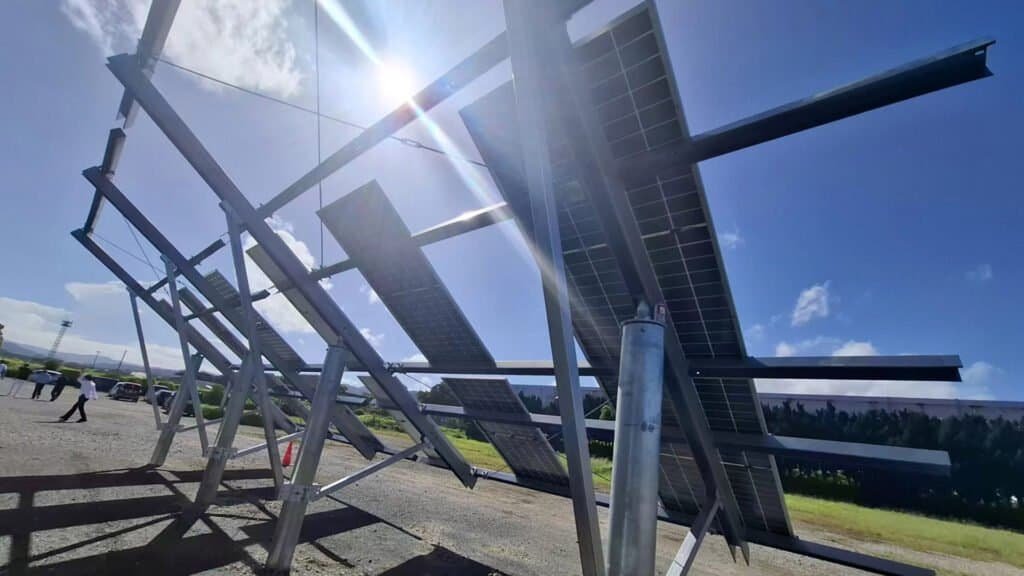
Die Verstärkung auf der Rückseite hängt vom Standort ab, nicht vom Modul. IEA PVPS Aufgabe 13 Wir untersuchten bifaziale Antennenarrays auf einachsigen Trackern über natürlichem Boden mit einer Albedo von etwa 0,2 bis 0,3. Diese Installationen erzielen im Allgemeinen Gewinne unter 10 %. Schneebedeckung erhöht diesen Wert deutlich.
Diese Zahl ist nur ein Richtwert, daher ist ihr Anwendungsbereich zu beachten. Sie beschreibt Tracker-Installationen über normalem Boden. Fest montierte und auf Dächern installierte Systeme verhalten sich anders, und Montagehöhe, Reihenabstand und Untergrund spielen eine viel größere Rolle als das Modul selbst.
Eine erhöhte Bodenmontage oder ein Carport über einer hellen Fläche eignet sich gut für bifaziale Antennen. Eine flächenbündig montierte Anlage auf dunklen Fliesen hingegen nicht. Und noch ein wichtiger Hinweis zum Thema Schnee: Das Wetter, das den Boden aufhellt, bedeckt in den dunkelsten Monaten des Jahres auch die Frontscheibe. Betrachten Sie den Gewinn in der Schneesaison als Modellparameter, nicht als ausschlaggebendes Kriterium.
Wer übernimmt die Garantie für ein Solarmodul einer Handelsmarke?
Diese Frage entscheidet über die Rentabilität eines Eigenmarkenprogramms. Ihr Kunde soll einem dreißigjährigen Versprechen vertrauen, das mit einem ihm unbekannten Namen verbunden ist. Eine berechtigte Frage. Sie brauchen eine klare Antwort, keine bloße Beschwichtigung.
Die Verpflichtung ergibt sich aus zwei miteinander verbundenen Verträgen. Ihr Kunde besitzt eine Garantie Ihres Unternehmens, ausgestellt auf Ihren Namen und gemäß Ihrem lokalen Recht. Dahinter steht unsere schriftliche Garantie für Sie, die dieselben Module anhand ihrer Seriennummer abdeckt. Sie verlassen sich nicht auf Kulanz. Sie besitzen ein Dokument.
Ansprüche werden anhand von Akten und nicht anhand von Argumenten geklärt. Jedes Modul lässt sich anhand der Seriennummer bis zum Produktionsdatum, der Fertigungslinie, der Stücklistenrevision, dem Elektrolumineszenzbild und dem Ergebnis des Blitztests zurückverfolgen. Ein verdächtiges Modul wird mit seinen eigenen Fertigungsunterlagen verglichen. Das ist der Unterschied zwischen einer Garantie als Marketinginstrument und einer Garantie als Prozess.
Sechs Dinge, die Sie schriftlich festhalten sollten, egal ob von uns oder von jemand anderem. Die verantwortliche juristische Person. Grenzwerte für die Verschlechterung im ersten Jahr und im Folgejahr. Welche Nachweise für einen Garantieanspruch erforderlich sind. Ob die Abhilfe Reparatur, Ersatzlieferung oder Gutschrift ist. Wer die Rücksendekosten trägt. Und was den Garantieanspruch ungültig macht. Kaufen Sie nicht bei einem Lieferanten, der diese sechs Punkte nicht schriftlich festhält.
[Die von Couleenergy bestätigten Garantiebedingungen für diese Serie – Produktgarantiezeitraum 15 Jahre, Leistungsgarantiezeitraum 30 Jahre, 11 TP3T im ersten Jahr und jährliche Degradationsgrenzen 0,351 TP3T (Jahr 2–30).]
Noch ein wichtiger Punkt: Eine Garantie ist immer nur so gut wie das Unternehmen, das sie gibt. Das gilt für jeden Anbieter in dieser Branche, auch für die bekannten. Was Sie tatsächlich überprüfen können, ist, ob ein Hersteller seine Produktion dokumentiert, technische Fragen direkt beantwortet und schriftliche Zusagen gibt. Beurteilen Sie uns anhand dieser drei Kriterien.
Mindestbestellmenge: Was man für ein paar Paletten tatsächlich bekommt
Dieses Format ermöglicht den Versand von 36 Modulen pro Palette. Konkret bedeutet das:
| Befehl | Module | Kapazität bei 655 W | Modulgewicht* |
|---|---|---|---|
| 1 Palette | 36 | etwa 23,6 kW | etwa 1,2 t |
| 2 Paletten | 72 | etwa 47 kW | etwa 2,3 t |
| 4 Paletten | 144 | etwa 94 kW | etwa 4,7 t |
*Nur Modulgewicht. Palette, Verpackung und Umreifung erhöhen die Versandkosten. Bitte fragen Sie vor der Frachtbuchung nach dem Bruttogewicht.
Eine Palette reicht für mehrere Prosumer-Installationen oder ein kleines Gewerbedach. Zwei Paletten sind eine sinnvolle Möglichkeit, das Produkt in Ihrem Markt zu testen, bevor Sie sich für ein Containerprogramm entscheiden.
Palettenmengen können in einer Sammelladung anstatt in einem vollen Container transportiert werden. Teilen Sie uns den Zielhafen oder die Zieladresse mit, und wir beraten Sie hinsichtlich der optimalen Route.
Die Mindestbestellmenge für diese Serie und die Menge, ab der Private-Label-Optionen verfügbar sind, werden auf Anfrage unter info@couleenergy.com mitgeteilt. Beides ist von der Konfiguration abhängig. Fragen Sie frühzeitig an – die Schwelle ist in der Regel niedriger als erwartet.
Was sollte ein Private-Label-Solarmodullieferant umfassen?
Private Label beschränkt sich oft auf einen Aufkleber auf einem Karton. Das ist wenig hilfreich. Was Sie brauchen, ist ein Dokumentensatz, den Sie einem Monteur, einem Prüfer oder einem Kunden aushändigen können, ohne den Hersteller zu erwähnen.
| Lieferbar | Warum es wirtschaftlich wichtig ist |
|---|---|
| Modulbezeichnung und Typenschild in Ihrem Branding | Ihr Modellcode und Ihr Logo auf dem Produkt, mit intakten regulatorischen Kennzeichnungen und Serienrückverfolgbarkeit. |
| Datenblatt in Ihrer Vorlage | Das Dokument, das Ihr Kunde herunterlädt. Ihr Layout, Ihre Farben, Ihr Kontaktbereich. |
| Installationsanleitung für Ihre Marke | Klemmzonen, Montagearten, Drehmomentwerte, Anschlusshinweise. Was die Monteure vor Ort benötigen. |
| Garantiedokument auf Ihren Namen | Ihr Kunde schließt einen Vertrag mit Ihnen ab, der durch unsere schriftliche Garantie an Sie abgesichert ist. |
| Karton- und Palettengrafik | Ihre Marke ist sichtbar, sobald der LKW geöffnet wird. Das ist wichtiger, als viele zugeben. |
| Produktfotografie und technische Beschreibung | Brauchbare Bilder und genaue Beschreibungen, damit Sie nicht die Website eines Konkurrenten kopieren. |
| Genehmigte Stückliste und Referenzmuster | Die schriftliche Referenz dient als Vergleichsgrundlage für spätere Chargen. Dadurch wird die Konsistenz überprüfbar und nicht nur garantiert. |
| Formelle Änderungsmitteilung | Komponenten werden nicht ausgetauscht und dies wird nachträglich nicht offengelegt. Sie werden informiert und stimmen zu. |
Neben der Beschriftung kann das Modul selbst konfiguriert werden: Leistungsaufnahme, Kabellänge, Steckertyp, Rahmenoberfläche und in einigen Fällen Zellenlayout oder Spannung.
Einige davon sind unkompliziert. Andere erfordern erneute Tests, um die Designqualifizierung aufrechtzuerhalten, weil IEC 61730-1 erfordert eine erneute Bewertung bei jeder Änderung der Materialien, der Konstruktion oder der internen Abstände, wobei der entsprechende Umfang der erneuten Prüfung festgelegt wird in IEC TS 62915. Wir sortieren jede Anfrage in vorqualifiziert, erneute Tests erforderlich oder Neuentwicklung, bevor wir ein Angebot erstellen – nicht erst, nachdem Sie sich entschieden haben.
Der OEM-Prozess, von der ersten Anfrage bis zur Nachbestellung
| Bühne | Was geschieht |
|---|---|
| 1. Anfrage | Zielland, ungefähres Jahresvolumen, Zielsort, Eigenmarke oder nicht. Wir sagen, was möglich ist und was nicht. |
| 2. Technischer Vorschlag | Datenblatt, Qualifikationsstatus für Ihren Zielmarkt, Garantiebedingungen und eine schriftliche Erklärung über jegliche Anpassungen, die eine erneute Prüfung auslösen. |
| 3. Beispiel | Physische Module zur Inspektion, zum Testen oder zur Präsentation bei Kunden. Kleine Stückzahl. Die meisten Unklarheiten werden hier beseitigt. |
| 4. Genehmigung | Stückliste festgelegt, Label-Artwork freigegeben, Referenzmuster beiseitegelegt. Alles Weitere wird daran gemessen. |
| 5. Erste Ordnung | Die Produktion umfasst eine Inline-Prüfung, eine abschließende Elektrolumineszenz- und kalibrierte Blitzprüfung sowie eine Versandprüfung. Inspektionen durch Dritte sind willkommen. |
| 6. Neu bestellen | Die Fertigung erfolgt nach derselben festgelegten, gesperrten Stückliste. Jegliche Änderungsvorschläge werden Ihnen vorab schriftlich mitgeteilt. |
Schritt drei wird von Käufern in Eile oft übersprungen und später bereut. Nehmen Sie die Muster. Legen Sie eines auf ein Dach. Stellen Sie eines vor Ihren skeptischsten Kunden. Ein Lieferant, der von diesem Schritt abrät, möchte Ihnen etwas Wichtiges mitteilen.
Neun Dinge, die Sie beim Kauf von OEM-Solarmodulen vermeiden sollten
Jeder der unten aufgeführten Artikel hat einen echten Käufer echtes Geld gekostet. Nutzen Sie die Liste ruhig auch für uns.
| Warnschild | Warum es wichtig ist |
|---|---|
| Eine Nennleistung, die stillschweigend bifazialen Gewinn beinhaltet. | Die Angabe von 800 W bei einem Modul dieser Größe bezieht sich auf die rückseitige Verstärkung und ist keine Nennleistung. Fragen Sie immer nach dem STC-Wert für die Vorderseite. |
| “IEC-zertifiziert” ohne Zertifikatsnummer | Nach einem Standard gefertigt zu sein, bedeutet nicht, dass es danach zertifiziert ist. Fragen Sie nach der Zertifikatsnummer, der Standardausgabe, der ausstellenden Stelle, dem Anwendungsbereich und dem Hersteller. |
| Ein Zertifikat, das ein anderes Modell oder eine andere Pflanze nennt. | Die Zertifizierung ist an einen bestimmten Design- und Produktionsstandort gebunden. Ein Zertifikat für ein Schwesterprodukt gilt nicht für Ihre Lieferung. |
| Containermengen ohne zugehörigen Ladeplan | Die Angaben zur Verpackung in Datenblättern werden oft kopiert statt überprüft. Verlangen Sie eine validierte Ladezeichnung und das Bruttogewicht. |
| Gemischte Energiebehälter wurden ohne Vorankündigung geliefert | Serienketten sind durch ihr schwächstes Modul begrenzt. Unangekündigtes Bin-Mixing führt unbemerkt zu Ertragseinbußen über die gesamte Lebensdauer des Arrays. |
| Verweigerung der Lieferung von EL-Bildern oder Flash-Daten über serielle Schnittstelle | Ohne modulbezogene Aufzeichnungen wird ein Garantieanspruch zu einer Verhandlung statt zu einer Untersuchung. |
| Zurückhaltung bei der Probensendung | Für eine seriöse Fabrik ist die Mustererstellung kostengünstig. Ein hoher Widerstand bedeutet in der Regel, dass die Probe nicht zur Tonhöhe passt. |
| Stücklistenaustausch nach Versand offengelegt | Eine stillschweigende Änderung an Vergussmasse, Anschlussdose oder Glas kann den Zertifizierungsumfang aufheben und das Verhalten im Feld verändern. |
| Eine Garantie ohne Angabe einer juristischen Person | Ein dreißigjähriges Versprechen von einer ungenannten Partei ist kein Versprechen. Ermitteln Sie, welche Partei im Dokument aufgeführt ist. |
Ein zehnter, weniger offensichtlicher Punkt: die Jagd nach der höchsten veröffentlichten Effizienz anstatt nach dem besten Produkt, das man zuverlässig beziehen kann. Spezifikationen, die man nicht kaufen kann, verkaufen sich nicht.
Wo dieses Modul die falsche Wahl ist
Kleinere Wohnungsrenovierungen. Mit 2382 mm Länge und 32,5 kg Gewicht ist dieses Gerät nur für zwei Personen geeignet und bei Wind auf einem Schrägdach schwer zu handhaben. Es eignet sich für Gewerbedächer, Carports und Bodenmontage. Wenn Sie hauptsächlich Nachrüstungen im privaten Bereich durchführen, fragen Sie nach kleineren Ausführungen.
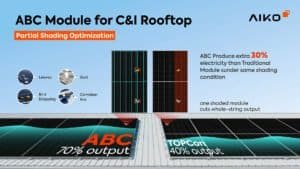
Projekte, die aufgrund ihres Schattenvorteils verkauft wurden. Rückseitig beschattete Zellen kommen innerhalb gewisser Grenzen gut mit Teilverschattung zurecht. Tests zeigen, dass der Vorteil bei etwa drei oder weniger beschatteten Zellen, verteilt auf verschiedene Teilsaaten, besteht; ab etwa vier Zellen ist er nicht mehr vorhanden. Veröffentlichte Feldvergleiche Wir haben in einigen Fällen andere Zelltechnologien hinsichtlich des Leistungsverhältnisses übertroffen. Wir veröffentlichen keine Angaben zum Abschattungsgrad. Sollte dies für ein Projekt relevant sein, fordern Sie bitte Testdaten mit Angabe der Abschattungsgeometrie an.
Märkte, die wir noch nicht bestätigt haben. Der Qualifizierungsstatus wird pro Modell und Werk angegeben. Laufende Tests werden explizit erwähnt, anstatt eine Abdeckung zu implizieren. Der Marktzugang variiert je nach Land; bitte geben Sie daher vor der Bestellung das Zielland an.
Das ist alles andere als Bescheidenheit. Ein Lieferant, der die Spezifikationen übertreibt, um einen ersten Auftrag zu ergattern, wird dasselbe bei der Lieferung tun, von der Ihr Ruf abhängt.
OEM-Solarmodulbeschaffung: Häufig gestellte Fragen
Wie hoch ist die Mindestbestellmenge für OEM-Rückkontaktmodule?
Kleinere Erstbestellungen sind hier üblich, und Palettenmengen können in einer Sammelladung anstatt in einem vollen Container versendet werden. Die genaue Mindestbestellmenge hängt von Ihrer Konfiguration und davon ab, ob Sie eine Eigenmarke wünschen. Geben Sie dies daher bitte bei Ihrer Anfrage an.
Wird meine zweite Bestellung mit meiner ersten übereinstimmen?
Das ist der Zweck der gesperrten Stückliste und des Referenzmusters. Nachbestellungen werden gemäß der genehmigten Referenz gefertigt, und jede geplante Änderung wird vorab schriftlich mitgeteilt.
Kann ich bei der ersten Bestellung meine eigene Marke verwenden?
Oft ja, allerdings verlängert die Genehmigung von Etikett und Grafik die Bearbeitungszeit. Geben Sie dies am besten schon bei der Anfrage an, damit es von vornherein eingeplant und nicht nachträglich angepasst wird.
Hat die Anpassung Auswirkungen auf die IEC-Qualifizierung?
Das ist möglich. Änderungen an Materialien, Design oder internen Abständen erfordern eine erneute Prüfung, deren Umfang in IEC TS 62915 definiert ist. Etiketten, Verpackung, Kabellänge und Behälterauswahl fallen üblicherweise unter die zulässige Produktfamilie. Abmessungen, Glas, Vergussmasse und Zellenanordnung hingegen in der Regel nicht.
Was sage ich einem Kunden, der fragt, wer das Produkt hergestellt hat?
Was auch immer Sie ihnen mitteilen möchten. Manche Partner präsentieren das Produkt unter ihrer eigenen Marke und nennen uns auf Nachfrage als Produktionspartner. Andere behandeln es vertraulich. Wir richten uns nach Ihren Vorgaben – schriftlich.
Verkaufen Sie direkt in meinem Markt und stehen Sie im Wettbewerb mit mir?
Fragen Sie vor der Bestellung nach und lassen Sie sich die Antwort schriftlich geben. Gebietsvereinbarungen hängen vom Markt und der Bestellmenge ab. Es ist eine berechtigte Frage, die Sie jedem Lieferanten stellen sollten.
Ist die angegebene Wattzahl die Front-Side-Leistung oder beinhaltet sie auch die bifaziale Verstärkung?
Jeder Wert zwischen 640 W und 665 W entspricht der frontseitigen STC-Leistung ohne rückseitigen Beitrag. Der rückseitige Gewinn wird für den jeweiligen Standort separat modelliert.
Bieten Sie auch andere Modulformate an?
Ja – flexible ETFE-Platten, halbstarre und kleinere starre rückseitig kontaktierte Module sowie gebäudeintegrierte Produkte mit Doppelverglasung. Viele Partner beginnen mit einer Produktlinie und erweitern ihr Angebot. Siehe die kundenspezifisches Rückkontaktmodul-Sortiment.
OEM-Anfrage starten
Kein Projektlayout oder Ertragsmodell erforderlich. Fünf Zeilen genügen für eine brauchbare technische Antwort:
- Ihr Land und die Art der Kunden, an die Sie verkaufen
- Ungefähr wie viel Volumen Sie pro Jahr erwarten können.
- Welcher Strombehälter interessiert Sie?
- Ob Sie Ihre eigene Marke auf dem Produkt haben möchten
- Alles, was Ihre Kunden immer wieder nachfragen und was Sie derzeit nicht liefern können
Sie erhalten eine Antwort von jemandem, der das Produkt kennt, keine Preisliste.
Fordern Sie ein OEM-Angebot an
OEM & ODM · Niedrige Mindestbestellmenge · Kundenspezifische Größe, Leistung & Form · Schnelle Mustererstellung
couleenergy.com | +1 737 702 0119 | info@couleenergy.com




 Deutsch
  English
  Español
  Français
  Русский
  العربية