
Behind-the-Meter Solar: Guide to Distributed Solar Energy
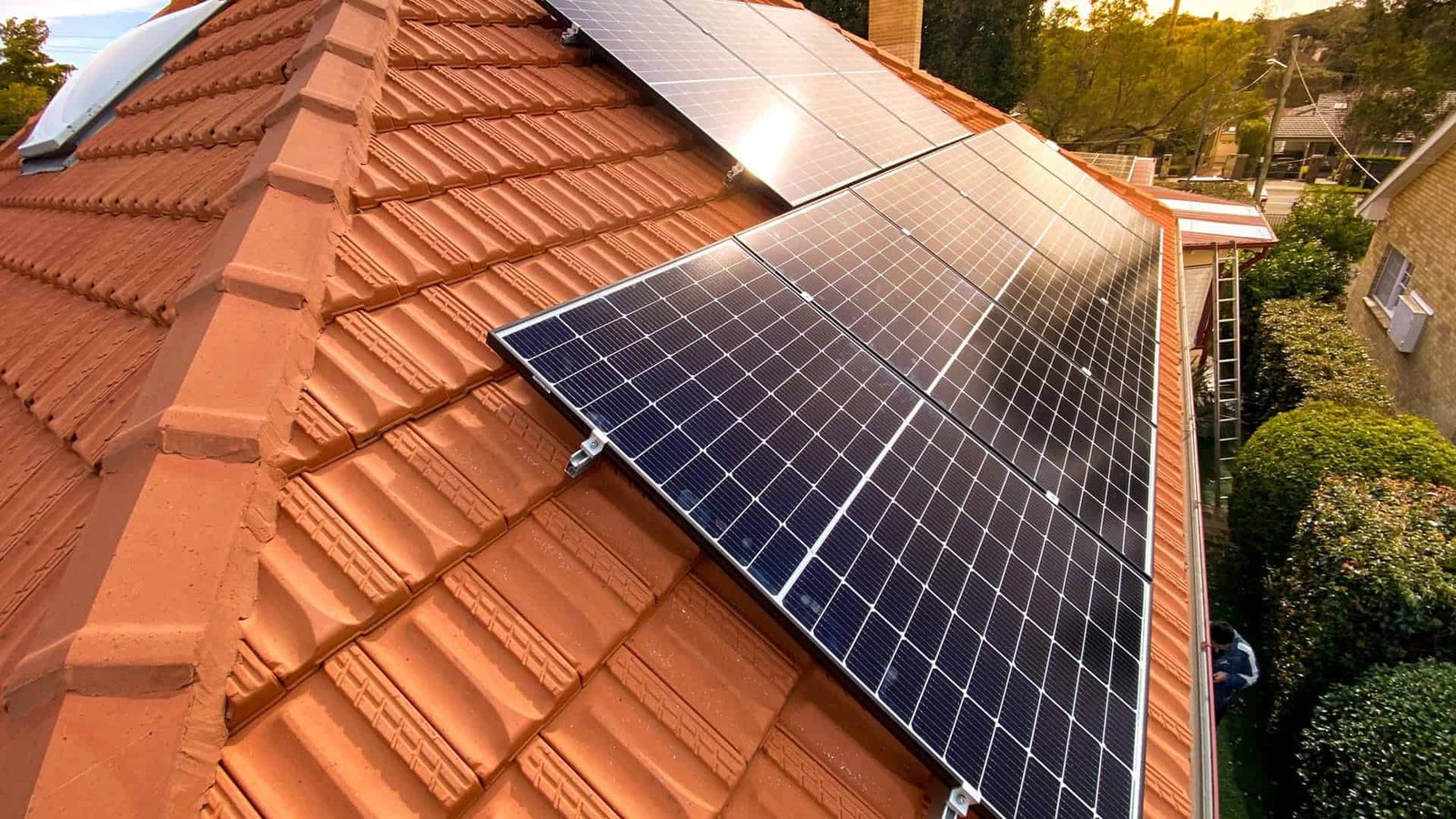
Behind-the-meter (BTM) solar is transforming how businesses and homeowners generate electricity. Unlike massive solar farms connected to the utility grid, BTM systems sit right where you need them—on rooftops, over parking lots, or next to buildings. They produce clean energy exactly where it gets used.
⚡ What Is Behind-the-Meter Solar?
Think of “the meter” as the boundary between you and your utility company. Behind-the-meter solar means the panels sit on your side of that boundary. You generate power for your own use before buying anything from the grid.
When your solar panels produce electricity, it flows directly into your building. Only when you need more than your panels can produce does electricity come from the utility. This reduces your electricity bills immediately.
BTM vs. Utility-Scale Solar: Key Differences
| Feature | Behind-the-Meter Solar | Utility-Scale Solar |
|---|---|---|
| Location | At homes, businesses, or facilities | Large solar farms |
| Who It Serves | The property where installed | Many customers across wide areas |
| Size Range | Small residential to multi-MW commercial | Typically 1 MW to hundreds of MW |
| Connection Point | Customer’s side of utility meter | Directly into transmission grid |
| Infrastructure Needs | Minimal – uses existing building space | Extensive land and transmission lines |
💡 Key Insight: BTM solar gives you direct control over your energy generation. You’re not just a consumer anymore—you become a producer too.
📈 Why This Matters for Your Business
The distributed solar market represents one of the fastest-growing segments in renewable energy. For manufacturers, installers, and system integrators, understanding BTM solar opens doors to diverse customer bases and resilient revenue streams.
🚀 Why Behind-the-Meter Solar Is Growing Fast
Several powerful trends are driving explosive growth in distributed solar worldwide.
1. Electrification Is Accelerating
Everything is going electric. Transportation, heating, manufacturing—all shifting from fossil fuels to electricity. This means power demand is surging, not shrinking.
📊 Data Point: According to recent analysis by ICF, a leading energy consulting firm, U.S. electricity demand is projected to grow 25% by 2030 and 78% by 2050 from 2023 levels. Electric vehicles, heat pumps, data centers, and industrial electrification all need massive amounts of power.
This growth pattern isn’t unique to the United States. Global electricity demand has been increasing at approximately 3% annually since 1980. Between 2018 and 2023, electricity accounted for the majority of growth in global final energy demand.
BTM solar helps meet this demand without building new centralized power plants or expanding transmission networks.
2. Technology Costs Have Dropped Dramatically
Solar panel efficiency keeps improving while installation costs keep falling. Modern panels convert 15-22% of sunlight into electricity—with premium models reaching even higher efficiency. What once seemed expensive now makes solid financial sense for many businesses and homeowners.
Today’s solar systems last 25+ years, perform better, and require less maintenance than earlier generations. This improved reliability makes them attractive long-term investments.
3. Climate Goals Drive Adoption
Businesses face increasing pressure to reduce carbon emissions. Customers, investors, and regulators all expect action on climate change.
BTM solar provides an immediate, visible way to demonstrate environmental commitment. Many corporations now require suppliers to use renewable energy, creating additional motivation for solar adoption across supply chains.
🌟 Ten Powerful Benefits of BTM Solar
Behind-the-meter solar delivers advantages that extend far beyond the property where it’s installed. These benefits are supported by extensive industry research, government data, and peer-reviewed studies.
💰 1. Immediate Cost Savings
Every kilowatt-hour your panels produce is one you don’t buy from the utility. For businesses with high daytime energy use, the savings add up quickly.
🔒 2. Energy Independence
Solar reduces your vulnerability to electricity price spikes and utility rate increases. You control more of your energy supply.
👷 3. Superior Job Creation
Residential solar creates 26.6 jobs per MW. Commercial creates 19.1 jobs per MW. Utility-scale? Just 2.1 jobs per MW.
🌱 4. No New Land Required
Uses existing rooftops and structures. Zero habitat destruction, no farmland conversion, no community displacement.
⚡ 5. Reduced Grid Infrastructure
According to the U.S. EIA, ~5% of electricity is lost in transmission. BTM solar eliminates these losses for onsite generation.
❄️ 6. Built-In Cooling Effect
Research shows solar panels reduce roof heat transfer by 38%, keeping buildings 5°F cooler in summer.
🔥 7. Wildfire Risk Reduction
Reduces reliance on vulnerable transmission lines that have sparked major wildfires.
🔋 8. Grid Resilience
When paired with battery storage, provides backup power during outages and peak demand periods.
🌍 9. Emissions Reductions
Every kilowatt-hour generated displaces fossil fuel electricity, reducing carbon and air pollution.
📈 10. Enhanced Property Value
Buildings with solar become more attractive to tenants and buyers who value sustainability.
💼 Deep Dive: Job Creation Advantage
According to the Solar Foundation’s National Solar Jobs Census data:
- Residential solar: 26.6 jobs per megawatt (MW) of capacity
- Commercial solar: 19.1 jobs per MW
- Utility-scale solar: 2.1 jobs per MW
That means residential BTM solar generates more than 12 times the employment of utility-scale projects. These are local jobs—installation, maintenance, sales, project management—that can’t be outsourced.
✅ Industry Data: The U.S. solar industry employed approximately 264,000 people as of 2022, with continued growth driven substantially by distributed installations. Installation and project development firms account for nearly two-thirds of all solar jobs.
❄️ The Surprising Cooling Benefit
Research from UC San Diego’s Jacobs School of Engineering found that solar panels reduce roof heat transfer by approximately 38%, keeping building ceilings about 5 degrees Fahrenheit cooler than uncovered roof sections.
Panels absorb sunlight and convert 15-22% of it to electricity. The panels themselves shade the roof, and wind flowing between the panels and roof surface carries heat away. This means less heat penetrates into the building below.
Research Finding: Studies in Phoenix, Tucson, and across Arizona showed 8-11% reductions in cooling energy demand compared to buildings with conventional roofs.
Note: This cooling benefit applies at the individual building level. At extremely high citywide deployment levels (approaching 100% roof coverage), urban heat dynamics can become more complex—but this doesn’t diminish the building-specific benefits that most installations experience.
🎯 Who Benefits Most from BTM Solar?
Not every business or building is equally suited for solar. The ideal candidates share specific characteristics.
Perfect Candidates for BTM Solar
🏭 Manufacturing Facilities
Manufacturing facilities lead the list. They consume enormous amounts of energy during daytime hours, have large roof areas, and face electricity costs that directly impact profitability. Energy use often aligns perfectly with solar production.
📦 Warehouses & Logistics Centers
According to UK industry data, warehousing accounts for approximately one-third of all commercial roof space—representing enormous solar potential. These buildings feature vast, flat, unobstructed roofs that are ideal for solar panels.
🛒 Large Retail Operations
Supermarkets and shopping centers need constant electricity for lighting, HVAC, and especially refrigeration systems. Retail chains also value the brand benefits—visible solar installations signal environmental commitment.
💻 Data Centers
These facilities consume massive amounts of electricity continuously. Their steady, predictable energy use makes solar economics very attractive. They’re willing to invest in proven, high-quality equipment with strong warranties.
🏢 Office Buildings
Offices offer perhaps the best alignment between energy use and solar production. Offices consume most electricity during business hours—exactly when solar panels produce peak power. This timing creates excellent economics and high self-consumption rates.
🏨 Hotels & Hospitality
Operations run around the clock with significant energy needs: HVAC, laundry, hot water, kitchens, and lighting. Hotels can market their solar installations to eco-conscious guests.
🎓 Schools & Universities
Educational institutions have substantial daytime energy loads and large roof areas across multiple buildings. They often have explicit environmental missions that solar helps fulfill.
🏥 Healthcare Facilities
Hospitals run continuously with critical power needs and value energy resilience highly. Solar paired with battery storage provides both cost savings and backup capacity.
✅ Common Characteristics of Ideal BTM Customers
Look for these factors when identifying good solar candidates:
- High daytime energy consumption that aligns with solar production
- Large available roof space or adjacent land for ground-mounted systems
- Stable, long-term property ownership to capture full system benefits
- Strong credit and financial stability for financing options
- Corporate sustainability commitments that drive renewable energy adoption
- High electricity costs that make solar savings more attractive
🛠️ Overcoming the Top Challenges
Even ideal candidates face obstacles when considering BTM solar. Understanding these challenges helps you address them effectively.
Challenge 1: Upfront Capital Investment
Solar systems require significant initial investment. Many businesses struggle with the capital commitment, even when long-term economics make sense.
Solutions:
- Explore flexible financing: Power Purchase Agreements (PPAs), leases, or specialized green loans
- Start with modular systems that can expand over time
- Investigate available tax credits, grants, and incentive programs
- Consider partnerships with solar developers who handle upfront costs
Challenge 2: Complex Financial Analysis
Decision-makers need clear, defensible numbers. Comparing financing options and calculating true returns can be overwhelming.
Solutions:
- Work with experienced solar partners who provide detailed ROI analysis
- Request case studies from similar businesses in your industry
- Use energy monitoring platforms that demonstrate real-time performance
- Seek performance guarantees that reduce investment risk
Challenge 3: Permitting & Planning Requirements
Commercial solar often requires planning permission, especially for larger installations. Local regulations, zoning laws, and environmental assessments can create delays.
Solutions:
- Partner with installation companies experienced in local permitting processes
- Start the permitting process early in your project timeline
- Work with solar providers who maintain relationships with planning authorities
- Request template documentation that speeds approvals
Challenge 4: Grid Connection Delays
Getting utility approval for grid interconnection can take months. Some areas have limited grid capacity, requiring expensive upgrades.
Solutions:
- Choose solar partners with established utility relationships
- Ensure your installer provides complete technical documentation quickly
- Select grid-interactive equipment that simplifies utility approval
- Build interconnection timelines into your project schedule
Challenge 5: Roof Structural Concerns
Older buildings may not support solar panel weight without reinforcement. Structural assessments and potential upgrades add complexity.
Solutions:
- Consider lightweight panel options designed for limited load capacity
- Evaluate alternative installations: ground-mounted systems or parking lot carports
- Work with solar providers who coordinate structural engineering assessments
- Factor reinforcement costs into your initial feasibility analysis
Challenge 6: Split Incentives Problem
In leased buildings, tenants pay electricity bills but landlords must invest in solar. This misalignment kills many potential projects.
Solutions:
- Develop green lease agreements that share solar benefits between parties
- Create shared-savings frameworks where both landlord and tenant win
- Educate both parties on property value increases and operating cost reductions
- Facilitate conversations between property owners and tenants
Challenge 7: Technical Expertise Gap
First-time solar buyers often lack in-house energy expertise. System sizing, equipment selection, and performance optimization require specialized knowledge.
Solutions:
- Work with solar providers offering comprehensive technical support
- Seek partners who provide design assistance and performance optimization
- Request installer training and detailed documentation
- Assign dedicated account managers for larger projects
Challenge 8: Reliability & Quality Concerns
Businesses worry about equipment degradation, installer quality, and whether systems will perform as promised.
Solutions:
- Choose manufacturers with strong warranties and proven track records
- Review independent third-party testing results
- Examine real performance data from existing installations
- Verify all relevant certifications and quality standards
Challenge 9: Misconceptions About Payback
Many people think solar takes decades to pay back. This outdated perception persists despite dramatically improved economics. Today’s systems typically deliver positive returns much faster than older installations.
Solutions:
- Share realistic payback examples from comparable installations in your industry
- Emphasize total cost of ownership over 25+ year system lifetime
- Demonstrate how battery storage and time-of-use rates improve returns
- Use customer testimonials from businesses achieving strong results
- Highlight how incentives and tax benefits accelerate returns
Challenge 10: Regulatory Compliance
Commercial installations must comply with building codes, electrical safety standards, and interconnection requirements.
Solutions:
- Ensure equipment has all relevant certifications for your market
- Work exclusively with licensed, certified installers
- Request complete compliance documentation packages
- Verify regulatory requirements before project commitment
📊 Maximizing Your BTM Solar Investment
Getting the most value from behind-the-meter solar requires smart planning and ongoing optimization.
1. Optimize System Sizing
Right-sizing your solar installation balances upfront investment with energy production. Too small, and you miss savings opportunities. Too large, and you export excess power without adequate compensation.
Analyze your energy consumption patterns carefully. Consider seasonal variations, business growth plans, and potential future electrification needs.
2. Consider Battery Storage Integration
Pairing solar with energy storage dramatically increases value. Batteries let you:
- Store excess solar generation for use during peak rate periods
- Reduce demand charges that penalize high power consumption
- Provide backup power during grid outages
- Increase self-consumption significantly above solar-only systems
💡 Industry Data: Solar-only systems typically achieve self-consumption rates of 30-60% depending on building type and usage patterns. Adding battery storage can push this to 70-90% or higher, especially for facilities with continuous operations.
Battery economics continue improving as costs fall and utility rate structures evolve. Storage often transforms marginal solar projects into compelling investments.
3. Leverage Time-of-Use Rates
Many utilities now offer time-of-use electricity pricing. Rates vary by time of day, with highest prices during peak demand periods.
Solar paired with batteries lets you strategically consume stored energy during expensive peak hours. This optimization can significantly boost your financial returns.
4. Monitor & Maintain Performance
Modern solar systems include monitoring platforms that track real-time production and identify issues quickly.
Regular maintenance keeps systems performing optimally: panel cleaning, inverter checks, and connection inspections. Well-maintained systems deliver promised performance for decades.
5. Plan for Future Expansion
Install infrastructure that allows easy system expansion. Extra conduit, appropriately sized inverters, and space for additional panels make future growth seamless.
Many successful businesses start with smaller systems, verify performance, then expand as confidence and capital allow.
🔮 The Future of Behind-the-Meter Solar
BTM solar isn’t a temporary trend—it’s a fundamental shift in how we generate and consume electricity.
Supportive Policy Trends
Governments worldwide recognize distributed solar’s benefits. Policies increasingly support BTM installations through:
- Tax incentives and accelerated depreciation
- Streamlined permitting processes
- Fair compensation for excess generation
- Building codes that encourage or require solar
While specific policies vary by jurisdiction, the overall trend favors distributed generation.
Technology Improvements Continue
Solar panels become more efficient each year. Inverters get smarter. Batteries cost less and last longer. Installation methods improve.
These continuous advancements make solar economics better for each new customer. Systems installed today perform better and cost less than those from just a few years ago.
Integration with Other Technologies
BTM solar increasingly connects with other clean technologies:
- Electric vehicle charging stations powered by solar
- Heat pump systems using solar electricity
- Smart building management systems optimizing energy use
- Virtual power plants aggregating distributed solar for grid services
This integration creates additional value streams and use cases.
Growing Corporate Commitment
Businesses face mounting pressure to decarbonize. Investors, customers, and employees all expect climate action.
BTM solar provides immediate, measurable emissions reductions. It’s visible, verifiable, and actionable—exactly what corporate sustainability programs need.
🚀 Getting Started with BTM Solar
Ready to explore behind-the-meter solar for your business or property? Follow these practical steps.
Step 1: Assess Your Energy Profile
Review your electricity bills for the past year. Identify:
- Total annual consumption
- Peak demand periods
- Seasonal variations
- Current electricity costs and rate structures
Understanding your energy use patterns determines whether solar makes financial sense.
Step 2: Evaluate Your Physical Site
Examine available installation locations:
- Roof size, condition, orientation, and shading
- Structural load capacity
- Ground-mounted system possibilities
- Parking lot or carport opportunities
Most commercial buildings have excellent solar potential, but site-specific factors matter.
Step 3: Understand Financial Options
Research financing approaches suitable for your business:
- Direct purchase vs. PPAs vs. leases
- Available incentives and tax benefits
- Required approval processes in your organization
- Expected returns and payback periods
Different financing structures work better for different organizations.
Step 4: Request Professional Assessments
Connect with experienced solar professionals who can:
- Conduct detailed energy audits
- Design system configurations
- Model financial returns
- Navigate permitting and interconnection
- Provide installation and ongoing support
Professional guidance helps you avoid costly mistakes and optimize your investment.
Step 5: Compare Proposals Carefully
When evaluating solar proposals, consider:
- Total system cost and financing terms
- Equipment quality and warranties
- Installer experience and references
- Projected performance and savings
- Ongoing maintenance and monitoring
Remember: The lowest upfront cost rarely delivers the best long-term value. Quality, reliability, and support matter enormously.
Ready to Take the Next Step?
Behind-the-meter solar offers compelling benefits for businesses with the right characteristics. Lower electricity costs, energy independence, environmental impact, and enhanced resilience make BTM solar an attractive investment.
Success requires understanding your specific situation, addressing real challenges, and working with experienced partners who deliver quality results.
Contact our team for a personalized assessment:
📧 Email: info@couleenergy.com
📞 Phone: +1 737 702 0119
We’ll help you understand your solar potential, navigate the complexities, and make informed decisions about your energy future.
About This Guide: This guide is based on data from authoritative sources including the U.S. Energy Information Administration, ICF energy consulting, the Solar Foundation’s National Solar Jobs Census, peer-reviewed research from institutions including UC San Diego, and current industry reports. Behind-the-meter solar represents more than just a technology choice—it’s a strategic decision that affects your operating costs, environmental footprint, and long-term competitiveness.
Table of Contents


Inquiry
Let’s Power Your Vision
Related Posts


How Bipolar Hybrid Passivation Delivers 2-10% More Energy Yield in Real-World Conditions
Read More »
 English
  Español
  Français
  Deutsch
  Русский
  العربية