
Ready to invest in 260W HPBC solar panels? Smart move. But before you click “confirm order,” let’s make sure you’re asking the right questions. This guide helps you navigate quotes, minimum order quantities, and OEM pricing—so you order with confidence, not confusion.
By the end, you’ll know exactly what to verify. And you’ll be ready to check Couleenergy’s HPBC Buyer Checklist or request your tailored quotation today.
Why HPBC Technology Matters for Your Project
Before we dive into procurement questions, let’s quickly cover what makes HPBC solar panels worth your attention.
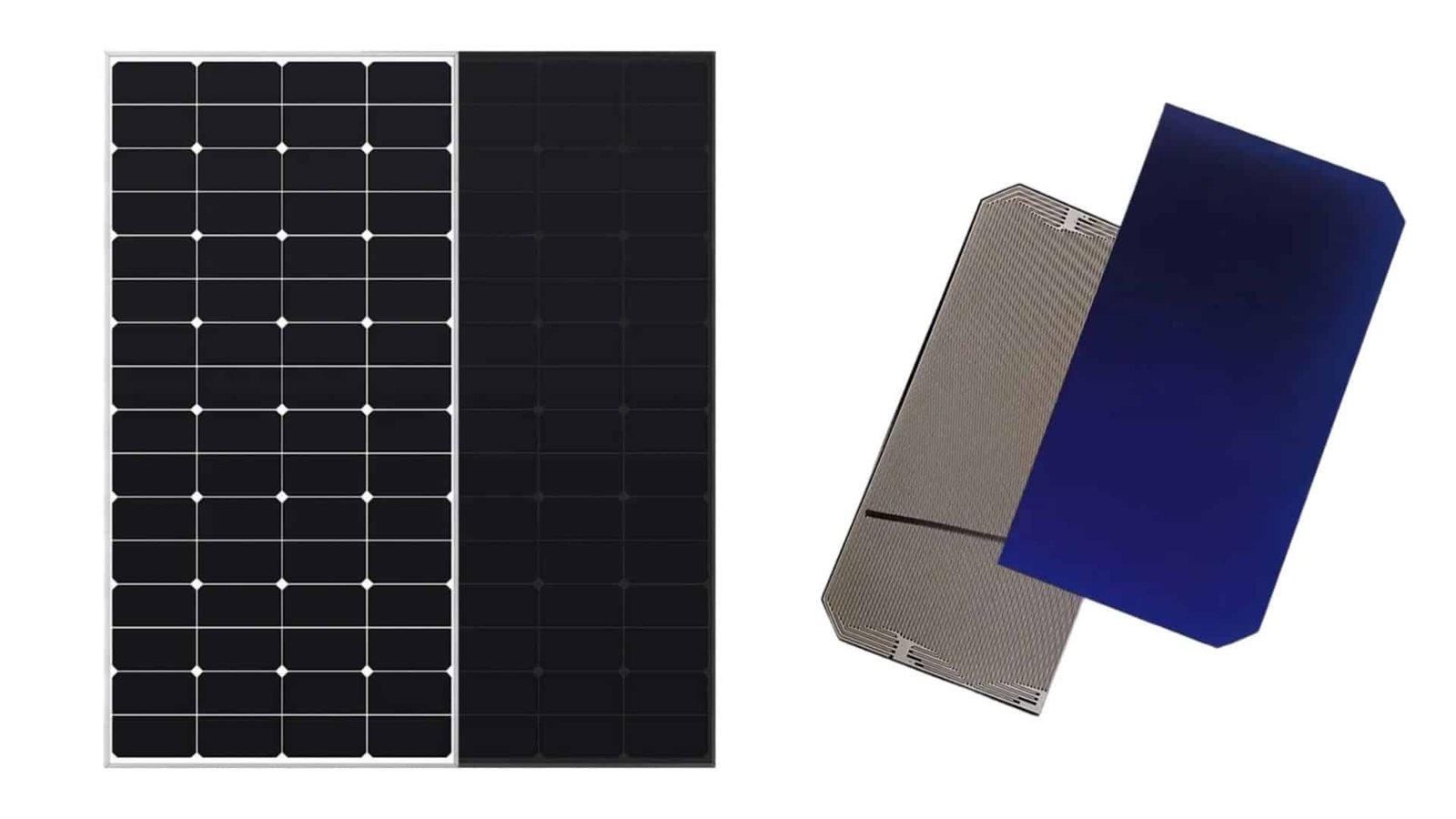
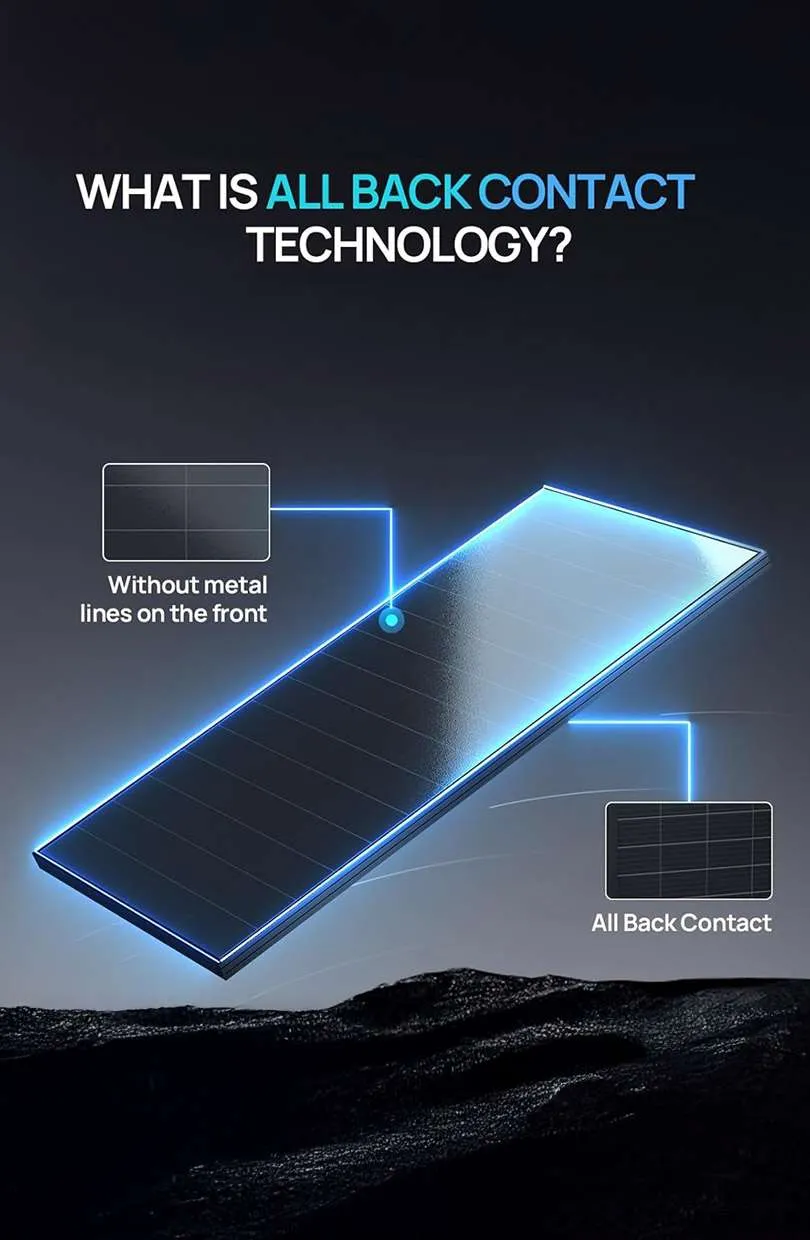
HPBC (Hybrid Passivated Back Contact) solar panels represent advanced solar technology. Unlike traditional panels with metal grid lines blocking sunlight, HPBC moves all electrical connections to the back. The front surface stays completely clear.
What does this mean for you?
- Higher efficiency – HPBC technology achieves 22-24.8% module efficiency in commercial production, with LONGi’s HPBC 2.0 achieving a world-record 25.4% efficiency versus 21-23% for mainstream TOPCon panels
- Better heat performance – temperature coefficients as low as -0.26%/°C compared to standard panels at -0.35% to -0.40%/°C
- Sleek aesthetics – all-black design with no visible busbars
- Improved shade tolerance – back-contact panels show 15-33% better performance in controlled partial shade testing, though real-world results depend on shading patterns
When you purchase 260W HPBC solar panels from a manufacturer in China, you’re investing in technology that delivers more power per square foot and better long-term returns.
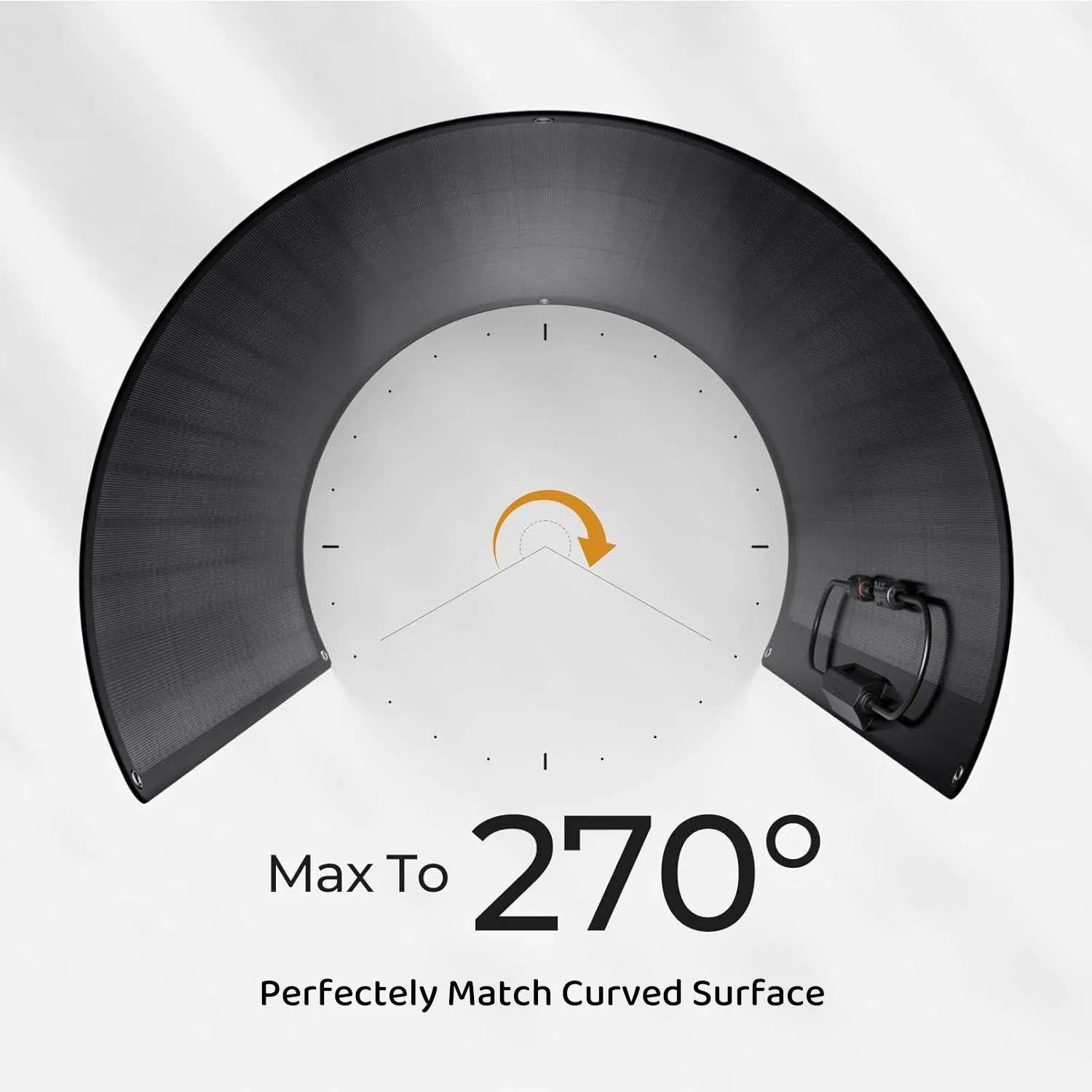
📌 About the 260W format: This guide focuses on 260W solar modules—a compact format ideal for space-constrained applications, RVs, boats, balcony systems, and distributed installations. For standard residential rooftop systems, HPBC solar panels typically range from 400-670W. The 260W size offers flexibility for mobile, portable, and architectural integration projects where smaller, lighter modules provide installation advantages.
Important note: Since 260W is not a standard production size for most HPBC manufacturers (who typically produce 400W+ panels), custom 260W orders may involve higher MOQs, longer lead times, and premium per-watt pricing compared to standard-size panels.
1. What Should Your Quote for 260W HPBC Solar Panels Include?
Start with clarity. A complete quote saves you from surprises later.
Essential quote components:
- Unit price per panel – Know what you’re paying per solar module
- Total order value – Clear bottom line for your budget
- Shipping and logistics – FOB, CIF, or EXW terms matter significantly
- Insurance coverage – Protection during transit
- Payment terms – Deposit amount, balance schedule, accepted methods (T/T, L/C)
- Warranty details – Product warranty (typically 12-15 years) and performance warranty (usually 25-30 years)
- Certifications included – IEC61215, IEC61730, CE, TUV documentation
- Lead time – Production plus shipping duration (total timeline, not just production)
- Tariff implications – Ask about destination country import duties (rates vary and change frequently)
💡 Pro tip: Ask for an itemized breakdown showing:
- Panels: 70-80% of total cost
- Shipping: 15-20%
- Documentation/customs: 5-15%
This helps your finance team approve faster and lets you compare suppliers fairly.
2025 Market Context: Chinese solar manufacturing currently has overcapacity due to rapid expansion, creating a buyer’s market. This may provide negotiation leverage on pricing and MOQ, especially during off-peak seasons (post-Spring Festival, summer months). However, quality varies significantly between manufacturers—don’t sacrifice quality for low prices.
When requesting a quote for 260W HPBC solar panels, specify your delivery location. Shipping costs vary significantly between ports. A quote to Los Angeles differs from one to Rotterdam or Dubai.
2. Understanding MOQ: How Minimum Order Quantities Affect Your Purchase
MOQ—Minimum Order Quantity—determines both scale and pricing.
Key questions about MOQ for 260W HPBC solar panels:
- What’s the minimum order for standard specifications?
- Can you mix different solar module types to meet MOQ?
- Do higher volumes unlock better pricing tiers?
- What’s the MOQ for OEM or customized orders?
- Can you start with a pilot batch before committing to full production?
Why MOQ matters:
Manufacturers set minimum quantities to maintain profitability. Production setup costs, material procurement, and quality control all factor into these thresholds.
For 260W HPBC panels, realistic MOQ ranges:
| Order Type | Typical MOQ | Notes |
|---|---|---|
| Standard-size HPBC (400W+) | 100-200 pieces | If manufacturer has 260W in regular production |
| Custom 260W sizing | 200-500 pieces | For non-standard wattage requiring custom production run |
| OEM customization | 300-500 pieces | Custom branding, specifications, and sizing combined |
| Full container orders | 500-1,000+ pieces | Best pricing; depends on shipping container capacity |
⚠️ Important reality check: MOQs for HPBC solar panels tend to be higher than standard TOPCon or PERC panels (which can sometimes go as low as 36-100 pieces) due to specialized production requirements. Additionally, if 260W is not a manufacturer’s standard production size, expect:
- Higher MOQ: Custom production runs typically require 200-500 pieces minimum
- Longer lead times: Add 2-4 weeks for tooling and setup
- Premium pricing: Custom sizing costs more per watt than standard products
Established producers with high demand rarely negotiate MOQ below their stated minimums. Smaller manufacturers may offer more flexibility but require thorough quality vetting.
Smart strategies if MOQ seems high:
- Blanket orders with scheduled releases – Commit to the total quantity but take delivery in batches. This reduces storage needs and improves cash flow.
- Ask about pilot programs – Some manufacturers offer small test batches (50-100 pieces) before full production commitment, though at higher per-unit cost.
- Negotiate timing – During slow manufacturing seasons (typically after Chinese Spring Festival in Feb-Mar, summer months), suppliers may be more flexible.
- Partner with distributors – If direct manufacturer MOQ is too high, consider working with authorized distributors who’ve already met minimum quantities.
- Verify stock availability – Some manufacturers keep limited stock of popular sizes. If 260W is in stock, MOQ may be lower than custom production.
Understanding MOQ 260W HPBC solar panels helps you plan inventory, negotiate better terms, and avoid tying up capital in excess stock.
3. Navigating OEM Pricing for 260W HPBC Solar Modules
Want solar panels branded with your company name? OEM (Original Equipment Manufacturer) services make it possible.
OEM pricing 260W HPBC solar module considerations:
Base vs. OEM pricing tiers:
- Standard panels cost less but carry the manufacturer’s brand
- OEM branding typically adds 10-20% premium per unit
- Higher volumes reduce the per-panel customization cost
- Expect higher MOQs for OEM orders (usually 300-500 pieces minimum for custom-sized HPBC)
What OEM customization includes:
- Custom logo printing on panel surface or frame
- Private labeling with your company information
- Branded packaging and cartons
- Custom junction box positioning
- Frame color options (all-black, silver, or custom anodizing)
- Specific voltage/current configurations for your target market
- Certification under your brand name (additional costs apply)
Hidden OEM costs to clarify upfront:
| Cost Item | Typical Range | One-time or Recurring |
|---|---|---|
| Design and tooling fees | $500-2,000 | One-time |
| Sample production | 2-5 panels + shipping | Per approval cycle |
| Extended lead time | Add 2-4 weeks | Per order |
| MOQ premium | Often double standard MOQ | Ongoing |
| Custom sizing (260W) | 10-25% price premium | Per unit, ongoing |
Critical question: Can you provide OEM samples before full production runs?
Always verify samples meet your specifications. Check:
- Logo quality and placement accuracy
- Frame finish consistency
- Electrical output matches rated specifications
- Packaging quality and branding clarity
- Physical dimensions match requirements exactly
Test samples thoroughly. It’s easier (and cheaper) to adjust now than after producing 500 solar panels.
✓ Why OEM pricing matters: Building your own brand increases customer loyalty and profit margins. When customers recognize your name on high-quality panels, they’re more likely to reorder and recommend you. The upfront investment in OEM branding often pays dividends through repeat business and premium pricing power.

4. What’s the Real Lead Time From Order to Delivery?
Timelines matter. Missing a project deadline costs money and damages relationships.
Critical timing questions:
- What’s your current production capacity and backlog?
- How long for standard-size HPBC panel production vs. custom 260W modules?
- Does customization extend the timeline?
- What happens during peak manufacturing seasons?
- Can you accommodate rush orders? What’s the premium?
- How long for quality testing and certification?
- What’s the shipping duration to my destination port?
Realistic timeframes (updated for 2025):
| Phase | Duration | Notes |
|---|---|---|
| Standard production (in-stock sizes) | 2-4 weeks | From order confirmation |
| Custom 260W production | 4-6 weeks | If not standard size; includes tooling |
| OEM/custom specifications | 4-8 weeks | Branding + custom sizing combined |
| Quality testing & documentation | 1 week | Flash test, EL imaging, certification |
| Sea freight (North America) | 3-5 weeks | Port to port; West Coast faster than East |
| Sea freight (Europe) | 4-6 weeks | Port to port; varies by destination |
| Sea freight (Asia/Middle East) | 2-4 weeks | Port to port; regional variations |
📊 Total timeline example for custom 260W HPBC:
Order confirmed → 5 weeks custom production → 1 week testing → 4 weeks shipping = 10 weeks minimum
Add buffer for:
- Peak season delays (especially around Chinese Spring Festival in Jan-Feb)
- Port congestion (can add 1-2 weeks)
- Customs clearance variations (2-7 days typically)
- Weather delays during typhoon season (Aug-Oct in Asia)
- Chinese public holidays (Golden Week Oct 1-7, Dragon Boat Festival, Mid-Autumn Festival)
Important reality: Lead times quoted by manufacturers usually refer to PRODUCTION ONLY, not door-to-door delivery. Always clarify whether quoted times include shipping or just manufacturing. For custom-sized panels like 260W (if not standard), add extra production setup time.
Pro tip: Add 20-25% buffer time to all manufacturer estimates for custom orders. A “6-week” timeline should be planned as 8 weeks in your project schedule. For standard production sizes, 15% buffer is usually sufficient.
5. Which Certifications and Test Reports Must You Verify?
Quality assurance protects your investment and your reputation.
Essential certifications for HPBC panels:
International standards:
- IEC61215 – Design qualification and type approval for terrestrial photovoltaic modules (IEC standard reference)
- IEC61730 – Photovoltaic module safety qualification
- CE marking – European Conformity compliance (mandatory for EU markets)
- TUV certification – Independent German testing authority verification
- UL 1703 – Flat-plate photovoltaic modules (required for North American markets)
Factory quality certifications:
- ISO9001 – Quality management systems
- ISO14001 – Environmental management
- ISO45001 – Occupational health and safety
Performance test reports to request:
| Test Type | Purpose | Why It Matters |
|---|---|---|
| Flash test data | Individual panel power verification | Should be provided for each panel in your batch |
| EL imaging | Detect micro-cracks and cell defects | Electroluminescence camera reveals invisible damage |
| PID resistance | Potential-Induced Degradation testing | Critical for long-term performance; measures voltage stress resistance |
| Salt mist corrosion | Coastal environment durability | Essential for installations within 5 miles of ocean |
| Ammonia resistance | Agricultural application suitability | Important for farm installations near livestock |
| Temperature cycling | Thermal stress endurance | IEC 61215 requires 200-600 cycles; ensures reliability |
| Mechanical load testing | Wind and snow load resistance | Typically tested to 2400 Pa wind, 5400 Pa snow loads |
🚩 Red flags that should concern you:
- Supplier won’t share certification documents or delays providing them
- Certificates are expired or from unknown testing bodies
- No batch traceability system in place
- Refuses third-party inspection before shipment (SGS, Bureau Veritas)
- Can’t provide factory audit reports from past year
- Certificates show different company names than current supplier (possible reseller)
- Certification numbers don’t verify when checked with issuing bodies
Best practice: Request certified test reports for the specific batch you’re ordering, not generic company certifications from years ago. Batch-specific documentation proves quality control for YOUR order.
Verify authenticity: Check certification numbers directly with issuing bodies (TUV, IEC, UL). Counterfeit certificates exist in the solar industry. Call or email the certification body to confirm validity.
6. How Are Shipping and Logistics Managed?
Proper logistics planning prevents expensive mistakes and delays.
Understanding Incoterms 2020:
| Term | Meaning | Responsibility |
|---|---|---|
| EXW | Ex Works | You handle everything from factory gate; lowest cost but highest responsibility |
| FOB | Free On Board | Manufacturer loads onto ship; you handle sea freight and import duties |
| CIF | Cost, Insurance, Freight | Manufacturer handles shipping to your port; simplest for buyers |
| DDP | Delivered Duty Paid | Manufacturer handles everything including import duties; highest cost, least hassle |
Understanding the difference matters: A panel quoted at $X FOB might cost 20-30% more than the same panel at $X EXW after you add shipping and insurance. Always compare total landed cost, not just unit price.
💡 Tariff awareness: Import tariffs on solar panels vary significantly by destination country and change frequently based on trade policies. For example:
- US tariffs on Chinese solar products vary by product type and origin
- EU has anti-dumping measures on certain products
- Some countries offer preferential rates for renewable energy equipment
Action required: Consult with licensed customs brokers for current rates specific to your destination. Some buyers consider Chinese-owned factories in Southeast Asia (Vietnam, Thailand, Malaysia) to potentially reduce tariff exposure, though this adds complexity.
Packaging and protection:
- Export cartons should be 5-layer corrugated minimum with corner protection
- Typically 30-37 panels per wooden pallet (varies by panel size)
- Moisture barriers and desiccant packets included
- Container loading photos provided before shipment
- Panels individually wrapped or separated with foam/cardboard
- Heat-treated (ISPM-15 compliant) or fumigated wood pallets for international shipping
- Clear labeling with handling instructions and orientation arrows
Documentation needed for customs clearance:
- Commercial invoice with accurate HS codes (harmonized tariff classification)
- Packing list with serial numbers, weights, and dimensions
- Bill of lading (B/L) for sea freight or airway bill for air freight
- Certificate of origin (Form A, EUR.1, USMCA certificate, etc.)
- Marine cargo insurance certificate
- Test reports and warranty certificates
- CE declaration of conformity (for EU shipments)
- Product safety data sheets if required by destination country
✓ Smart move: Request tracking updates and proactive communication. Good suppliers provide:
- Container number and vessel name
- Estimated departure and arrival dates
- Updates if delays occur (weather, port congestion, customs holds)
- Documentation package emailed 48 hours before vessel arrival
- Local contact at destination port if available

7. What After-Sales Support and Technical Assistance Is Available?
Great products need great support. Verify this before ordering.
Technical support channels to confirm:
| Support Type | Acceptable Standard | Notes |
|---|---|---|
| Email response time | 24-48 hours maximum | Critical for urgent issues; verify weekend coverage |
| Phone support | Available during overlap hours | Consider 12-hour time zone difference with China |
| Video consultation | Available for complex issues | WeChat, Zoom, Microsoft Teams |
| On-site support | For orders 1,000+ panels | Usually at buyer’s expense; verify availability |
| Language support | Fluent technical English | Critical for clear communication on specifications |
Support services to verify:
Installation guidance:
- Comprehensive wiring diagrams and installation manuals (in English)
- Training materials for your installation teams
- Video tutorials for proper mounting and electrical connection
- System design assistance for optimal configuration
- Compatibility verification with your inverters and mounting systems
Troubleshooting assistance:
- Remote diagnostic support via monitoring data analysis
- Field testing guidance using standard multimeters and IV curve tracers
- System optimization recommendations for underperforming installations
- Common issue resolution database or knowledge base
- Escalation process for complex technical problems
Spare parts and replacements:
- Availability of replacement solar panels from the same batch (manufacturers typically keep 2-5 year stock)
- Lead time for spare parts under warranty (30-90 days typical)
- Who covers shipping for warranty replacements? (Critical clarification needed)
- Warranty claim process timeline documented in writing
- Availability of replacement junction boxes, cables, connectors
Critical question to ask: If I face performance issues six months after installation, what’s your complete response process from initial contact to resolution? Please provide this in writing.
Document the answer. It reveals whether they:
- Have structured support processes (not ad-hoc responses)
- Stand behind their products long-term
- Provide realistic timelines (not vague promises)
- Take responsibility or deflect to installation errors
- Have dedicated support staff (not just sales team)
Real-world example of good support commitment:
“We provide 24-hour email response on business days, remote diagnostics within 48 hours, and replacement panels shipped within 2 weeks for valid warranty claims. Shipping costs for warranty replacements are covered by us for the first 5 years. After 5 years, customer pays shipping but replacement panels are free if defect is confirmed.”
This specificity builds confidence. Vague answers like “we’ll help you” or “contact us if there’s a problem” mean nothing when you actually need support.
8. Understanding Warranty Terms and Degradation Rates
Warranties protect your long-term investment. Know exactly what’s covered.
Two types of warranties:
1. Product warranty (workmanship and materials):
- Typical duration: 10-25 years, with 12-15 years being industry standard for quality panels
- Covers: Manufacturing defects, material failures, junction box issues, frame corrosion, delamination
- What’s NOT covered: Damage from improper installation, accidents, unauthorized modifications, extreme weather beyond rated specifications, normal wear and tear
2. Performance warranty (power output guarantee):
- Typical duration: 25-30 years, guaranteeing panels maintain 80-90% of original power output
- Premium manufacturers (like Maxeon): Up to 40-year warranties
- Guarantees: Minimum power output at year 25 (typically 84-92% depending on quality tier)
- Linear vs. tiered: Linear warranties offer more predictable degradation over time
Warranty Comparison:
| Warranty Type | Standard Tiered | Premium Linear |
|---|---|---|
| Year 1 | ≥98% of rated power | ≥98.5% (max 1.5% first-year degradation) |
| Year 5 | ≥95% of rated power | ≥96.5% (steady 0.4% annual decline) |
| Year 10 | ≥90% of rated power | ≥94.5% (predictable linear decline) |
| Year 25 | ≥84% of rated power | ≥89% of rated power |
| Annual degradation | Varies by tier; potential drops at transitions | Maximum 0.40% annually throughout warranty period |
Critical warranty questions:
- Is the warranty backed by third-party insurance? (Munich RE, Swiss RE, Allianz protect if manufacturer closes business)
- What’s the actual claim process? (Timeline from claim submission to resolution, required documentation, who pays shipping?)
- Does warranty transfer if you sell your business? (Most are transferable with notification; verify paperwork requirements)
- What’s specifically excluded from coverage? (Read fine print carefully; common exclusions include installation errors, environmental damage)
- Who covers labor costs for warranty work? (Often not included; some premium warranties cover labor for first 10 years)
- Are there geographical restrictions? (Some warranties only valid in certain regions or require local service centers)
- What documentation must you maintain? (Installation records, maintenance logs, performance data often required for claims)
🚩 Red flags in warranty documents:
- Vague language without specific percentages (“approximately,” “around,” “about”)
- No mention of who covers shipping/labor for warranty service
- Warranty void for any third-party installation (unreasonable restriction)
- No clear claim process, timeline, or required documentation stated
- Warranty only in Chinese language without English translation
- No mention of warranty insurance or manufacturer’s financial backing
- Unusually strict maintenance requirements that could void coverage
Pro tip: Get warranty documents BEFORE finalizing your purchase. Review carefully with legal counsel for large orders. Many buyers discover warranty limitations only when making a claim—too late to negotiate better terms.
9. How to Evaluate Real Performance Data and Case Studies
Marketing claims are easy. Verified performance data matters more.
Evidence to request from suppliers:
Field performance data:
- Long-term output data from installed projects (minimum 1-2 years of verified data)
- Performance in various climate conditions (hot, cold, humid, dusty, coastal)
- Actual vs. predicted energy generation comparisons with explanations for variances
- Real degradation rates measured over time (not just theoretical projections)
- Performance monitoring screenshots or reports from actual installations
Reference projects:
- Case studies from similar applications (residential, commercial, off-grid, agricultural)
- Customer testimonials with verifiable project details and contact information
- Photos and videos of completed installations showing quality workmanship
- Geographic diversity of reference projects (not all in one location)
- Contact information for reference customers with their permission
Third-party validation:
- Independent testing from NREL (National Renewable Energy Laboratory) or Fraunhofer ISE
- PVEL (PV Evolution Labs) scorecard rankings for reliability and performance
- DNV GL, TUV, or Intertek certification reports with specific test results
- Performance monitoring data from independent third-party systems
- Industry awards or recognitions from reputable organizations
✓ What strong evidence looks like:
- Multiple installations with 2+ years of verified performance data
- Low failure rates (<0.5% in first 5 years is excellent; <1% is acceptable)
- Performance matching or exceeding initial projections consistently
- Good performance in challenging conditions (high heat, shade, humidity)
- Positive feedback from users you can independently verify
- Third-party testing confirming manufacturer specifications
- Transparent about problems encountered and how they were resolved
Questions to ask directly:
- Can you share performance data from installations similar to my project in climate and application?
- Do you have case studies showing long-term output specifically for 260W HPBC panels?
- May I contact 2-3 reference customers in my region or industry?
- What’s your documented panel failure rate in the first 5 years based on actual field data?
- Have you had any product recalls or widespread quality issues? If so, how were they handled?
⚠️ Warning signs:
- Only laboratory data available; no real-world field performance evidence
- Unwilling to provide reference customer contacts or makes excuses
- Can’t demonstrate long-term performance tracking systems
- No independent verification of any performance claims
- All testimonials are anonymous, undated, or unverifiable
- References are all from company’s own projects, not independent customers
- Defensive or evasive when asked about failure rates or problems
Smart verification: If given reference contacts, actually call or email them. Don’t skip this step. Ask:
- How long have panels been installed and performing?
- Any performance issues, failures, or warranty claims?
- How responsive was the manufacturer’s support?
- Would you buy from them again? Why or why not?
- Any surprises (good or bad) after installation?
- How does actual performance compare to projections?
Real feedback from actual customers reveals more than any marketing brochure.
10. Getting a Complete, Transparent Cost Breakdown
Final pricing includes more than panel costs. Verify everything upfront.
Complete quotation must include:
| Cost Category | Typical % of Total | What It Includes |
|---|---|---|
| Panel costs | 70-80% | Modules, customization fees, testing, packaging |
| Shipping & logistics | 15-20% | Freight, port fees, inland transport |
| Documentation & customs | 5-15% | Clearance, broker fees, compliance documentation |
| Import duties/tariffs | Varies widely | Destination-specific; consult customs broker |
Critical question: Can you provide a detailed proforma invoice showing total landed cost to my port or door, including all fees, taxes, and potential additional charges? Please itemize every cost element.
Key insight: Always calculate complete delivered cost, not just FOB or EXW pricing. Hidden costs in shipping, duties, and documentation can eliminate apparent savings.
Common hidden fees to watch for:
- “Documentation fees” or “processing fees” added at final invoice time
- Higher-than-quoted shipping costs due to fuel surcharges or routing changes
- Insurance not included in initial quote (should always be included)
- Customs broker fees not disclosed upfront
- Minimum freight charges for small orders (less-than-container-load premiums)
- Packaging “upgrades” presented as mandatory for international shipping
- Currency conversion fees if paying in different currency than quoted
- Banking fees for international wire transfers (both sending and receiving banks charge)
✓ Transparency indicators (green flags):
- All costs shown clearly in initial quote with no asterisks or fine print exceptions
- Clear explanation of what each line item covers
- Written confirmation that quote represents complete final pricing
- No “approximate,” “estimated,” or “subject to change” language for firm quotes
- Validity period clearly stated (30-60 days typical for firm quotes)
- Payment terms documented in writing with no ambiguity
- Willing to provide itemized breakdown without hesitation
Best practice: Get everything in writing. Email confirmations aren’t enough—request formal proforma invoice on company letterhead with all terms, signed and stamped, before paying any deposit.
Your HPBC Buying Checklist: Final Verification
Before signing that purchase order, verify these critical points:
- Technology and specifications confirmed (genuine HPBC, 23%+ module efficiency, not rebranded older tech)
- Efficiency and performance data verified (temp coefficient ≤-0.29%/°C)
- MOQ and pricing clearly documented in writing (understand custom sizing implications)
- OEM customization options agreed with approved samples tested
- Certifications and test reports provided (IEC, TUV, CE verified with issuing bodies)
- Lead time confirmed in writing (production + shipping + buffers + customs)
- Warranty terms crystal clear (linear preferred, insurance-backed, claim process documented)
- Shipping and logistics detailed (complete cost breakdown, Incoterms specified, tariffs addressed)
- After-sales support confirmed (24-48hr response commitment in writing)
- Payment terms agreed (30-50% deposit standard; balance before shipment or against B/L copy)
- Reference projects reviewed (contacted customers, verified installations)
- Total landed cost calculated (all fees, duties, shipping, insurance included)
- Contract reviewed (legal counsel for orders >$20,000 recommended)
- Factory verification completed (virtual tour minimum; in-person for large orders)
- Quality inspection rights confirmed (third-party SGS/Bureau Veritas before shipment)
Why Choose Couleenergy for Your 260W HPBC Solar Panel Orders?
What makes Couleenergy different:
🏆 100% Employee-Owned Commitment
Every team member has a stake in your success. You get genuine dedication and accountability, not just commission-driven sales tactics. When we succeed, our people succeed—creating aligned incentives for quality and service.
📦 Flexible MOQ for 260W HPBC Solar Panels
Start with batches as low as 100 units for standard specifications. Test the technology and build confidence before scaling to larger orders. We understand that not every buyer needs container loads.
🎨 Full OEM/ODM Customization
- Custom wattage specifications including 260W compact format
- All-black options for premium aesthetics
- Private labeling with your branding and logo
- Branded packaging designed for your target market
- Technical specifications tailored to regional requirements
✅ Proven Quality Certifications
IEC61215, IEC61730, and ISO9001/14001/45001 standards met. Plus batch-specific test reports (flash test, EL imaging, PID testing) provided with every shipment—not generic company certificates.
💰 Transparent OEM Pricing for 260W HPBC Solar Modules
No hidden fees or surprise charges at invoice time. Detailed proforma invoices showing exactly what you pay and receive. All costs disclosed upfront including customization fees, shipping, and documentation.
🚚 Fast, Reliable Delivery
Typical lead times: 2-6 weeks production for standard sizes. Established relationships with major freight forwarders ensure smooth logistics.
💬 Expert Technical Support
24-hour email response commitment documented in writing. Virtual diagnostics via video call. Installation guidance and training materials in English. Long-term support that extends years beyond the sale.
🌍 Global Reach, Local Understanding
Serving customers in 39+ countries with experience in regional requirements, certifications, and market needs. We understand the challenges of international procurement and customs procedures.
Whether you need a sample batch for testing or a container-load for distribution, Couleenergy delivers HPBC solar panels with verified performance and reliable service—backed by people who genuinely care about your project’s long-term success.
📧 Email: info@couleenergy.com
📞 Call +1 737 702 0119
The future is bright—let’s build it together.
Further Reading & Authoritative Sources
To verify the technical information in this guide and deepen your understanding of HPBC solar technology, consult these authoritative sources:
- LONGi Solar – HPBC Technology World Record
25.4% Module Efficiency Achievement – Official documentation of record-breaking HPBC 2.0 efficiency certified by Fraunhofer ISE (2024) - Clean Energy Reviews – Solar Panel Efficiency Rankings
Most Efficient Solar Panels 2025 – Independent analysis of current solar panel efficiency rankings and emerging technologies - International Electrotechnical Commission – Solar Standards
IEC 61215 Standard Documentation – Official source for photovoltaic module design qualification and type approval standards - EnergySage – Solar Panel Warranty Guide
Understanding Solar Warranties – Comprehensive warranty information and industry standards for product and performance guarantees - National Renewable Energy Laboratory – Efficiency Charts
Best Research-Cell Efficiency Chart – Official tracking of solar cell and module efficiency world records - Solar.com – Temperature Coefficient Guide
Temperature Coefficient Explained – Understanding how temperature affects solar panel performance - Couleenergy – OEM Solar Panel Manufacturing Guide
Complete OEM Manufacturing Guide – Detailed information on back-contact technology and custom panel ordering
About Couleenergy: A 100% employee-owned solar panel manufacturer based in Zhejiang, China, specializing in custom solar modules powering projects in 39+ countries worldwide. From flexible HPBC panels to balcony systems and BIPV integration, Couleenergy delivers tailored, future-ready solar solutions with genuine dedication and accountability. Every team member has a stake in your project’s success—so you get exceptional service, not just sales.
 English
  Español
  Français
  Deutsch
  Русский
  العربية