

You’ve invested in a photovoltaic system. Now you’re wondering: should you add plastic protection? Or maybe you just received new solar modules and noticed a film already on them. What should you do?
This guide answers both questions. We’ll cover when plastic helps, when it hurts, and how to handle protective films the right way.
The Two Types of Plastic You’ll Encounter
Factory Protective Film (Remove This!)
⚠️ Critical: Your brand-new solar modules likely arrived with a thin, clear film. This temporary cover protects the glass during shipping and installation. You must remove it before activating your solar system.
Why manufacturers add it:
- Guards against scratches in transit
- Keeps dust off during handling
- Allows installers to inspect solar panels safely
This shipping film is designed only for temporary protection and should be removed to ensure optimal performance once installation is complete.
Aftermarket Plastic Covers (Think Carefully)
These are protective layers people consider adding after installation. They range from thin UV-stable films to rigid polycarbonate sheets.
People consider them for:
- Storm protection (especially hail)
- Debris shields in tree-heavy areas
- Dust reduction in sandy climates
- Scratch prevention on construction sites
Should You Remove the Factory Film? Absolutely.
Leaving that shipping film on creates serious problems.
⚡ Power Loss Starts Immediately
Even ultra-clear factory films reduce light transmission by 1–4%, decreasing your power generation from day one.
🌡️ Heat Build-Up
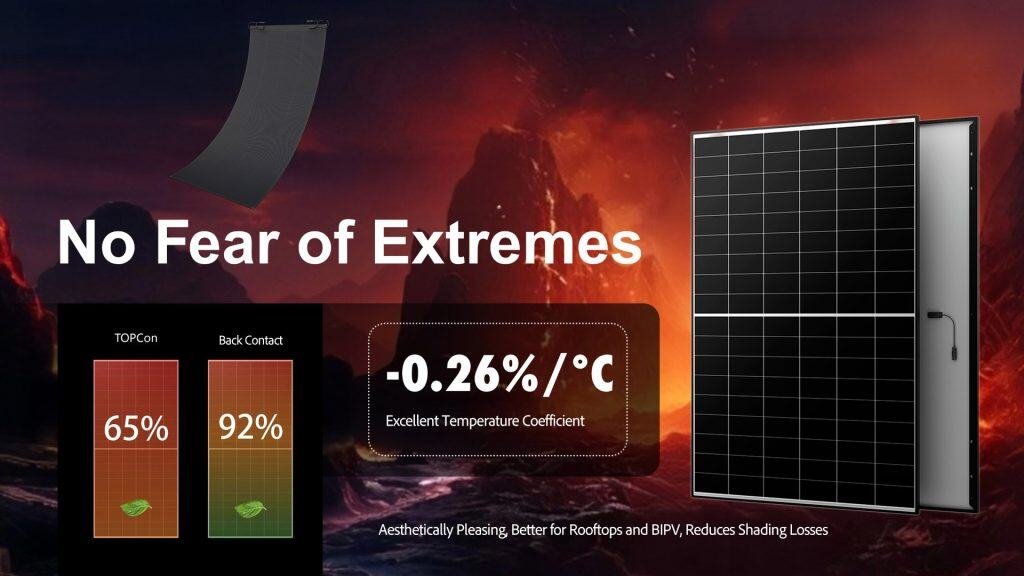
Plastic traps extra heat, raising module temperature. Research shows that photovoltaic modules typically lose 0.3–0.5% efficiency per degree Celsius above the optimal 25°C operating temperature. The insulating effect of plastic covering can cause additional performance losses.
☀️ UV Degradation
UV exposure causes the film to yellow or crack over months, making removal progressively harder and risking adhesive residue on your solar modules.
📋 Warranty Concerns
Installation manuals typically specify that protective shipping films must be removed before commissioning. Always check your specific manufacturer’s documentation before activating your system.
How to Remove Factory Film Correctly
Best Time: Right After Installation
Remove the film before your system goes live. Pick a mild day—early morning or late afternoon works best. Avoid strong sun and extreme heat.
What You’ll Need
- Clean gloves (prevents fingerprints)
- Soft, lint-free cloth
- Isopropyl alcohol (70% solution)
- Spray bottle
Step-by-Step Process
- Find the Starting Point – Look for a tab or corner where the film lifts easily. Most films have a pull tab. If not, gently lift a corner with your fingernail.
- Peel Slowly at 45 Degrees – Pull the plastic back on itself at a 45-degree angle. Go slow and steady. This prevents tearing the film into small pieces that are harder to clean up.
- Clean Any Leftover Adhesive – Spray isopropyl alcohol on any sticky spots. Wipe gently with your lint-free cloth. Don’t scrub hard—you might scratch the anti-reflective coating.
- Do a Final Check – Inspect the glass for any remaining adhesive or marks. If you spot residue, repeat the alcohol wipe.
What If the Film Has Been On Too Long?
Sometimes installers forget. Sometimes buyers don’t realize they need to remove it. If your film has yellowed or become brittle:
- Try plastic-safe adhesive remover (test on a small corner first)
- Consider professional help if residue covers large areas
- Contact your installer—they may clean it at no charge
Need Help with Stubborn Film?
For questions about stubborn film removal or professional assistance, reach out to our experts.
Should You Add Plastic Protection? It Depends.
Unlike factory film (which you must remove), aftermarket plastic covers have specific valid uses. But they’re not right for everyone.
When Plastic Covers Make Sense
✓ Temporary Storm Protection
If a severe hailstorm is forecast, a removable cover might prevent damage. Remove it immediately after the storm passes.
✓ Construction Site Shields
Active building sites throw dust, debris, and tools around. A temporary protective sheet keeps your array safe until construction ends.
✓ High-Debris Environments
If you live under large trees that drop branches regularly, a durable polycarbonate shield might save you from costly module replacement.
✓ Dust and Sand Climates
Desert areas create fine abrasion from windblown particles. A sacrificial film takes the wear instead of your solar module glass.
When to Skip the Plastic
- Maximum Efficiency Matters – If you need every watt, even a 2% loss hurts
- Bifacial Solar Modules – These capture light from both sides; plastic eliminates the back-side benefit
- Active Cooling Systems – Plastic insulation defeats the cooling purpose
- Already-Protective Glass – Modern tempered glass is designed for decades of weather exposure
Types of Plastic: What Works, What Doesn’t
Not all plastics are created equal. Some protect without major performance loss. Others cause more harm than good.
📊 About These Performance Numbers: The light transmission percentages below represent typical additional losses when aftermarket plastic is placed over existing module glass. Actual impact depends on plastic quality, thickness, air gap between plastic and glass, and installation method.
UV-Stable Polycarbonate Sheets
| Property | Details |
|---|---|
| Typical Additional Light Loss | Approximately 5–10% beyond existing glass |
| Best For | Long-term debris shields on rooftops |
| Advantage | Won’t yellow or crack from sun exposure |
| Drawback | Thicker and heavier than films |
| Typical Lifespan | 5–10 years in outdoor conditions |
This is your go-to for permanent protection in harsh environments. The higher light loss is acceptable when you’re preventing solar module replacement.
PET (Polyethylene Terephthalate) Film
| Property | Details |
|---|---|
| Typical Additional Light Loss | Approximately 2–4% beyond existing glass |
| Best For | Temporary protective layers or factory coatings |
| Advantage | Ultra-thin, minimal impact on light transmission |
| Drawback | Can yellow after 2–3 years of UV exposure |
| Typical Lifespan | 2–5 years depending on climate |
Choose this for short-term protection or when maximum efficiency matters.
Acrylic (PMMA) Sheets
| Property | Details |
|---|---|
| Typical Additional Light Loss | Approximately 4–8% beyond existing glass |
| Best For | DIY projects, lightweight portable panels |
| Advantage | Clear as glass, easy to work with |
| Drawback | Scratches more easily than polycarbonate |
| Typical Lifespan | 3–7 years with proper maintenance |
Good middle ground between cost and clarity. Works well for movable installations.
Standard Polyethylene Tarps
| Property | Details |
|---|---|
| Light Blocked | 100% (opaque) |
| Best For | Emergency overnight storm covers |
| Advantage | Cheap and quick to deploy |
| Drawback | Blocks all energy production |
| Typical Lifespan | Several months to 2 years |
Use these only as temporary emergency shields. Remove before sunrise. Never leave them on during daylight hours.
How Plastic Affects Your Energy Output
Important Note: The performance figures below are estimates based on typical materials and installations. Actual results vary depending on plastic quality, thickness, installation method, and environmental conditions.
Light Transmission Loss
Every plastic material blocks some light—even when it looks perfectly clear. The percentages above represent additional light loss beyond what your solar module’s existing tempered glass already accounts for.
Even high-quality PET film adds 2–4% light loss. Over a year, that compounds into reduced energy production.
Think of it this way: a 10-kilowatt system losing 3% produces 300 watts less at peak. That’s roughly equivalent to losing one full solar module’s output.
Heat Buildup Problems
Plastic insulates. It traps heat between itself and the solar module glass. This raises the operating temperature.
Photovoltaic modules are tested at 25°C (77°F). According to industry testing standards, for every degree above that baseline, efficiency drops about 0.4–0.5%. Additional insulation from plastic covers can raise operating temperatures several degrees on hot days, potentially causing an additional 2–4% efficiency loss from heat alone.
When you combine light transmission losses with heat-related losses, total output reduction typically ranges from 3–8%, depending on the plastic type, thickness, and climate conditions.
Moisture Trapping Risks
Poor installation leaves gaps. Moisture gets in but can’t escape. Now you have:
- Mold and mildew growth
- Corrosion on electrical contacts
- Delamination of module layers
- Hot spots that damage cells
This is why proper installation matters if you choose to add plastic.
How to Apply Aftermarket Plastic Covers Safely
If you’ve decided protection is worth the efficiency trade-off, do it right.
Step 1: Choose the Right Material
Match the plastic to your needs:
- Long-term protection: UV-stable polycarbonate
- Minimal efficiency loss: Thin PET film
- Emergency storm cover: Heavy polyethylene tarp (remove after storm)
Step 2: Clean the Surface
Dust and dirt create bubbles. Use a soft brush and deionized water. Let modules dry completely before applying anything.
Step 3: Measure and Cut Precisely
Cut your plastic slightly larger than the module. This overlap makes sealing easier and prevents water from sneaking under edges.
Step 4: Apply with Care
For adhesive films:
- Peel backing slowly
- Use a squeegee to push out air bubbles
- Work from center outward
For rigid sheets:
- Apply neutral-cure silicone sealant around edges
- Secure with UV-resistant clips or stainless steel fasteners
- Never drill through the module itself
Step 5: Monitor Performance
Check your inverter readings after installation. A small drop (1–3%) is normal for thin films. Larger losses mean trapped dirt, poor adhesion, or air pockets.
Step 6: Maintain Regularly
Inspect every 3–6 months:
- Look for yellowing or cracking
- Check adhesion at edges
- Clean debris buildup
- Replace if clarity decreases noticeably
Better Alternatives to Plastic Covers
Before adding plastic, consider these options that don’t sacrifice efficiency.
Proper Installation is Your First Defense
Work with qualified installers. Correct angle and secure mounting prevent most damage. Proper tilt helps water and debris slide off naturally.
Choose Quality Solar Modules from the Start
Higher-grade solar modules come with stronger tempered glass. They’re designed for decades of exposure. The slight upfront cost increase beats ongoing plastic replacement.
Quality photovoltaic modules feature multiple protective layers built into their design, including tempered glass, encapsulation materials, and weather-resistant backsheets that provide comprehensive protection without aftermarket additions.
Trust the Engineering (With Some Caveats)
Modern modules undergo rigorous testing:
- Impact resistance (simulated hail)
- UV exposure (25+ years equivalent)
- Thermal cycling (extreme temperature changes)
- Humidity freeze (moisture intrusion tests)
Your modules are tougher than you think. The tempered glass covering is specifically engineered to withstand decades of outdoor exposure.
⚠️ Important Note on Hail Resistance
While standard solar modules are certified to withstand 1-inch (25mm) hail at typical velocities, severe storms with 2+ inch hailstones can cause damage even to certified modules. According to the U.S. Department of Energy, basic IEC 61215 certification is not sufficient for severe hail-prone areas.
If you live in high-risk regions (Texas, Oklahoma, Nebraska, Colorado, Kansas):
- Consider solar modules with thicker glass (4mm vs standard 3.2mm)
- Look for solar modules that have passed advanced hail tests (RETC Hail Durability Test or PVEL Hail Stress Sequence)
- Ensure comprehensive insurance coverage—standard homeowner’s policies may have limits
- For ground-mount systems, consider tracking systems with automatic “hail stow” positioning
- Install at steeper tilt angles when possible (reduces direct impact force)
Special consideration for bifacial modules: Glass-on-glass bifacial modules typically use thinner, heat-strengthened glass (not fully tempered), making them more vulnerable to hail damage than traditional single-glass solar modules with thicker tempered glass.
Clean Modules, Don’t Cover Them
Rain naturally cleans most installations. For extra maintenance, use a hose and soft brush. This takes less time than managing plastic covers and doesn’t cost you efficiency.
Check Your Insurance
Homeowners’ insurance typically covers storm damage to photovoltaic installations. Severe hail or falling trees are insurable events. A claim might be more cost-effective than ongoing plastic protection.
Important: Verify your policy specifically covers rooftop or ground-mounted PV systems. Some policies require additional riders for full coverage.
Real-World Scenarios: When Plastic Helps vs. Hurts
The following are illustrative examples that demonstrate typical outcomes in different situations:
Scenario 1: The Desert Installation
Location: Arizona desert with frequent dust storms
Solution: Thin PET anti-dust film applied at factory
Result: Approximately 2% efficiency loss, but cleaning needs drop from weekly to monthly. Net benefit over time from reduced maintenance labor and water usage.
Scenario 2: The Construction Site
Location: New development with active building nearby
Solution: Temporary polycarbonate shields during construction phase
Result: 6–8% efficiency loss for three months, but solar modules avoided debris damage. Shields removed after construction completed. System returned to full efficiency.
Scenario 3: The Forgotten Film
Location: Suburban rooftop installation
Problem: Factory film left on for eight months
Result: Approximately 4–5% efficiency loss, yellowed film required professional removal with adhesive remover. Output recovered after proper cleaning. Lesson: Always remove shipping films immediately.
Scenario 4: The Hail Cover Mistake
Location: Texas, severe storm forecast
Problem: Homeowner left opaque tarp on for three days after storm passed
Result: Zero production for three days, moisture trapped under the tarp caused minor corrosion on junction boxes. Better to rely on the module’s built-in hail resistance or insurance coverage. If using emergency covers, remove immediately after storm.
Common Questions Answered
Does plastic void my warranty?
Critical: Installation manuals vary by manufacturer. Before removing OR adding any protective layers:
- Read your specific module’s installation manual thoroughly
- Contact the manufacturer directly if instructions are unclear
- Request and document their guidance in writing
- Understand that some manufacturers prohibit unauthorized modifications, while others may allow them
Important distinction: Factory protective shipping films should be removed per most installation manuals. However, some specialty modules have permanent protective layers that are integral to the design—these should NOT be removed.
Can I use regular plastic sheeting?
Standard plastic sheets are not UV-stable. They’ll yellow, crack, and degrade rapidly. If you add protection, use materials specifically designed for outdoor photovoltaic applications with UV stabilizers.
Will plastic protect against hail?
The answer is nuanced:
- Thin films: Offer minimal protection against hail impact
- Rigid polycarbonate: May absorb some impact from smaller hailstones (under 1 inch)
- Reality check: Standard certified modules already withstand 1-inch hail. For severe storms with 2+ inch hailstones, even rigid plastic covers may not provide adequate protection
- Better approach: In hail-prone areas, invest in solar modules with thicker glass (4mm) and comprehensive insurance rather than relying on aftermarket covers
How do I know if my area is hail-prone?
Check historical hail data:
- Review Storm Prediction Center hail climatology
- Consult with local installers familiar with regional weather patterns
- Ask your insurance company about hail risk ratings for your zip code
Can I put plastic on just for winter?
If you’re protecting against snow load, plastic won’t help—it adds weight. If you’re worried about ice scratching modules, modern tempered glass handles this without issue. Let snow melt naturally or use a soft snow rake designed for photovoltaic systems.
Making Your Decision
Here’s a simple decision framework:
| Situation | Recommendation |
|---|---|
| Factory film on new modules | ✅ Remove immediately per installation manual |
| Active construction zone | ✅ Consider temporary protection |
| Extreme dust/sand conditions | ✅ May benefit from protective film |
| Severe storm forecast | ⚠️ Temporary cover only, remove immediately after |
| High hail risk area | ⚠️ Better to upgrade modules + insurance than rely on plastic |
| Maximum efficiency needed | ❌ Skip additional plastic |
| Bifacial modules | ❌ Skip additional plastic (eliminates back-side benefit) |
| Active cooling system | ❌ Skip additional plastic |
| Typical residential setting | ❌ Skip additional plastic |
Always use professional-grade materials if you do add plastic. UV-stable only.
Monitor performance after any changes. Your inverter data tells the truth.
About Performance Data in This Article
The efficiency losses, temperature increases, and material lifespans mentioned throughout this article are estimates based on typical materials and standard installation practices. Actual performance varies depending on:
- Specific plastic quality and thickness
- Your local climate and weather patterns
- Installation method and air gap presence
- Module type and existing protective coatings
- Operating temperature and humidity conditions
For precise performance predictions for your situation, consult with your installer or the plastic material manufacturer.
The Bottom Line
Plastic covers are a tool, not a requirement. They solve specific problems but create others.
Factory protective film must come off. No exceptions. It’s designed for shipping, not operation.
Aftermarket plastic protection makes sense in limited scenarios. When it does, use quality materials and proper installation techniques.
For most homeowners, the best protection is simple: quality solar modules with appropriate glass thickness for your climate, professional installation, and routine cleaning. Your photovoltaic system is engineered to stand up to decades of weather. Trust that engineering—but understand its limits, especially in severe hail zones.
Need Expert Guidance?
If you’re unsure whether plastic protection fits your situation, get expert advice. Our team can provide personalized guidance on protecting your investment based on your specific climate and installation.
Remember: your photovoltaic system generates the most value when it can see the sun clearly. Every barrier costs you energy. Make sure the protection is worth the price.


 English
  Español
  Français
  Deutsch
  Русский
  العربية