
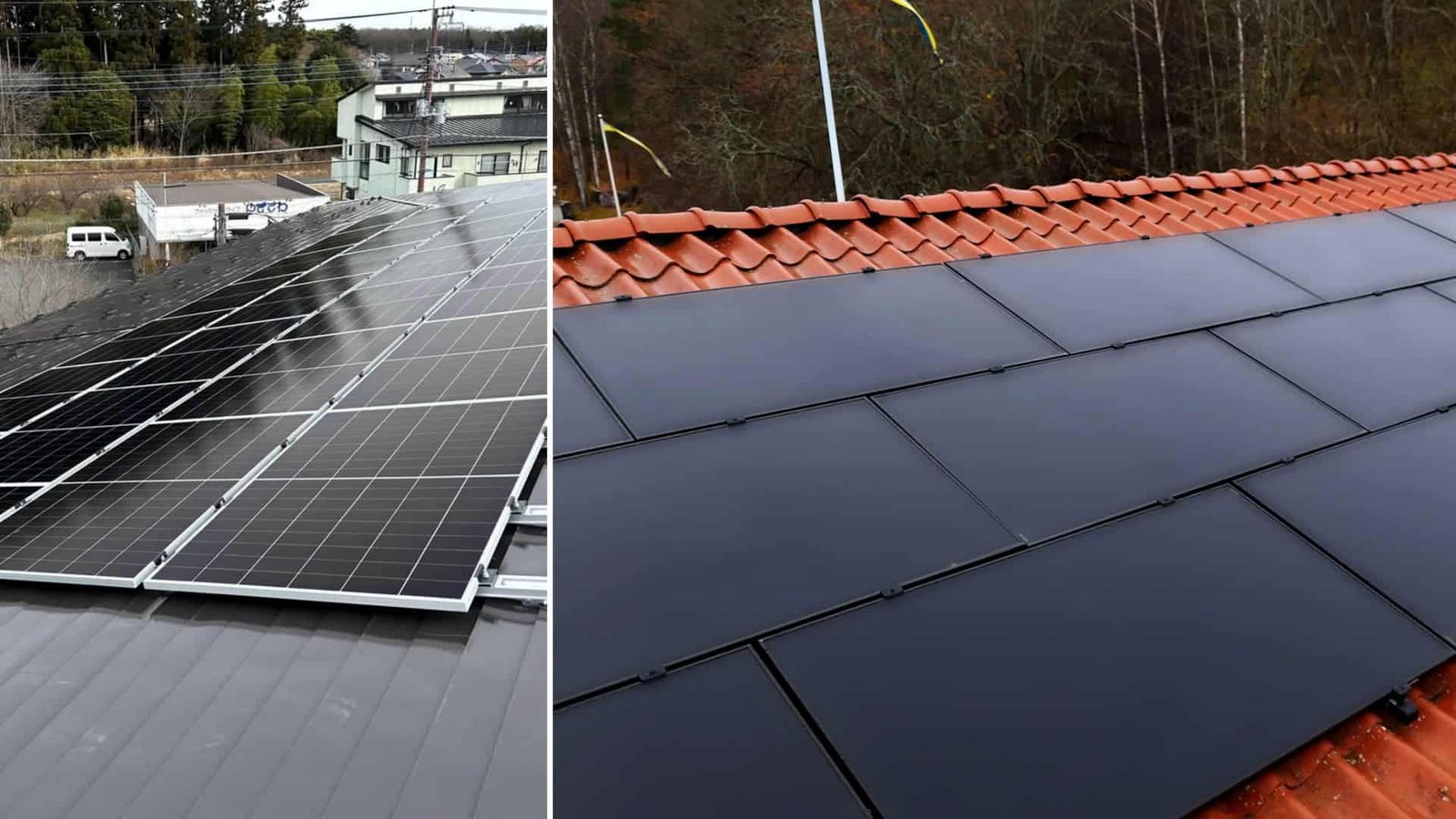
China’s VAT removal and production cuts to push up prices globally.
🔴 The Era of Cheap Solar Has Ended
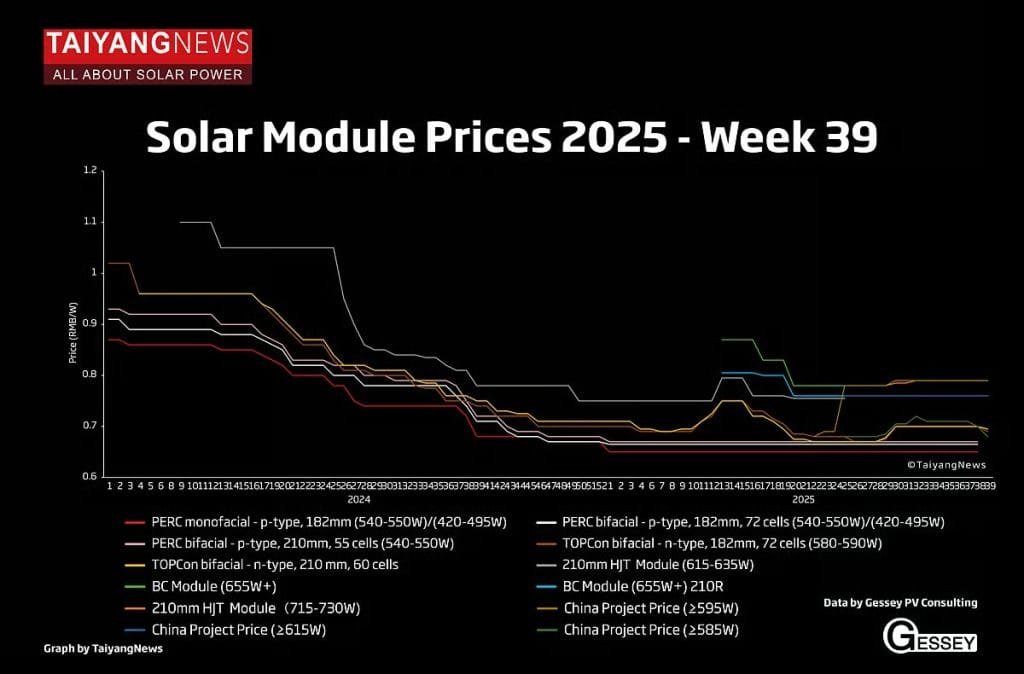
For the past year and a half, solar developers enjoyed unprecedentedly low prices. Chinese manufacturers sold solar modules at rock-bottom rates—sometimes as low as $0.07 to $0.09 per watt. Many thought this was the new normal. It wasn’t.
Wood Mackenzie’s October 2025 analysis confirms that PV module prices are jumping approximately 9% in Q4 2025, with further increases expected through 2026. This isn’t a temporary blip. It represents a structural market correction that will reshape solar procurement strategies worldwide.
💡 Why This Matters: Solar modules typically represent 30-50% of total project costs. A 9% PV module price increase translates to 3-5% higher overall project costs. This directly impacts investment returns, competitive bidding, and long-term planning.
The cheap pricing era emerged from massive oversupply, with Chinese manufacturers flooding the market and selling at losses just to move inventory. But coordinated government intervention has changed the game. The rules have been rewritten.
📈 Three Forces Driving Prices Up
| Factor | Impact | Timeline |
|---|---|---|
| Polysilicon Consolidation | 55-70% utilization rates | Throughout 2025 |
| Manufacturing Slowdown | 55-60% module operating rates | Mid-2025 onwards |
| VAT Rebate Reduction | 13% → 9% export rebate | Dec 2024 policy, Q4 2025 impact |
1️⃣ Polysilicon Industry Consolidation
Chinese polysilicon capacity expanded fourfold between 2022 and 2024, creating massive oversupply that drove prices to unsustainable lows. Beijing responded with strict production guidelines.
New government mandates have reduced production rates to 55-70% among leading polysilicon producers. This deliberate supply restriction has pushed polysilicon prices sharply higher throughout 2025.
Lower polysilicon production means higher input costs—costs that flow directly through the supply chain to module buyers.
2️⃣ Module Manufacturing Slowdown
The ripple effect spread quickly. Module operating rates among leading manufacturers dropped to 55-60% by mid-2025, while obsolete PERC production lines were phased out, further reducing available capacity.
After months of selling below cost, manufacturers are pulling back. Reduced output means tighter supply and higher prices. The market has shifted from oversupply to strategic capacity management.
3️⃣ VAT Export Rebate Reduction
Here’s the decisive factor: In December 2024, China reduced its VAT export rebate on solar modules and storage systems from 13% to 9%. While this policy took effect months ago, the market impacts are hitting hard in Q4 2025.
“Module manufacturers have already warned international customers to expect approximately 9% price increases in Q4 as a result of the VAT rebate reduction. With no possibility of alternative supply in the short term, developers will have little choice but to absorb these higher costs.”
— Yana Hryshko, Senior Research Analyst, Wood Mackenzie
Since China supplies over 80% of global solar modules and 90% of lithium iron phosphate battery packs used in energy storage, this policy change directly impacts global benchmark pricing.
ℹ️ Key Insight: Energy storage faces similar pressure. Battery prices are climbing by comparable percentages. U.S. projects sourcing Chinese equipment will feel this impact most acutely, with storage project costs rising alongside module prices.
💼 What This Means for Your Projects
📝 Contract Renegotiations
Even developers who secured supply agreements earlier in 2025 will face renegotiation for production scheduled after November 2025. Fixed-price contracts may not hold.
📊 Financial Models
For utility-scale projects, a 9% PV module price increase means 3-5% higher overall costs, reduced IRR, and adjusted LCOE. Recalculate your models now.
🌍 Limited Alternatives
Non-Chinese manufacturers cannot fill the gap quickly. Regional suppliers exist, but with limited capacity and premium pricing.
📈 Budget Adjustments
Add 10-15% equipment cost contingency for 2026 projects. Model multiple price scenarios to understand risk exposure.
🎯 How to Navigate Rising Costs
⏰ Lock in Prices Before Further Increases
Time is critical. Prices will likely continue rising through 2026. Wood Mackenzie characterizes this as a structural correction toward sustainable margins, not a temporary fluctuation.
Action steps:
- ✅ Accelerate Q4 2025 orders to capture current pricing before year-end increases
- ✅ Negotiate firm pricing for deliveries through mid-2026
- ✅ Request price protection clauses tied to specific policy changes in new contracts
- ✅ Consider volume commitments for better rate locks with preferred suppliers
🌐 Diversify Your Supply Chain
Don’t rely on single-source procurement. Explore multiple sourcing options:
🏭 Regional Manufacturers
- Southeast Asian suppliers using non-Chinese materials
- Higher compliance with U.S. trade requirements
- Premium pricing but lower tariff exposure
🚀 Emerging Producers
- India’s expanding manufacturing capacity
- Vietnam’s growing module production
- Domestic content options in Europe and North America
⚡ Leverage Technology Advances
New PV module technologies can offset price increases through superior performance:
| Technology | Efficiency | Key Benefit |
|---|---|---|
| TOPCon Modules | 24-25% | Fewer modules needed for target capacity |
| Bifacial Panels | +10-20% yield | Capture energy from both sides |
| Back Contact (HPBC/ABC) | 25-26% | All connections on rear, maximum light capture |
| Large-Format Cells | Varies | Lower balance-of-system expenses |
Emerging back contact technologies like HPBC (Hybrid Passivated Back Contact) and ABC (All Back Contact) are pushing efficiency boundaries beyond 25%, with all electrical connections moved to the panel’s rear for improved aesthetics and performance.
💰 Strengthen Financial Planning
Build realistic buffers into new projects:
- Contingency Planning: Add 10-15% equipment cost contingency for 2026 projects
- Scenario Modeling: Stress-test project economics against further increases
- Financing Strategy: Secure commitments early, before lenders adjust terms
- Stakeholder Communication: Reset expectations about new cost environment
🌟 The Bigger Picture: Industry Health
This price increase signals market maturation, not failure.
“This shift will ultimately benefit the industry’s long-term health. For manufacturers, it represents a welcome opportunity to reinvest and innovate. For developers globally, it means adjusting procurement expectations. And for policymakers, it’s a timely reminder of the risks inherent in concentrated supply chains.”
— Yana Hryshko, Wood Mackenzie
Sustainable pricing supports:
- 💡 Innovation: R&D funding for breakthrough technologies like tandem cells
- ⭐ Quality: Less pressure to cut corners on manufacturing
- 📊 Stability: Predictable margins help supply chain planning
- 🏆 Competition: Healthy profitability attracts new market entrants
📅 Take Action Now: Your Timeline
This Week:
- Review your Q4 2025 and 2026 project pipeline
- Contact suppliers about current inventory and pricing
- Identify projects needing immediate module commitments
- Start internal budget adjustment discussions
This Month:
- Update all financial models with new cost assumptions
- Renegotiate existing contracts where possible
- Explore alternative suppliers and technologies
- Engage legal counsel on price escalation clauses
This Quarter:
- Lock in firm pricing for Q1-Q2 2026 deliveries
- Build stronger multi-vendor relationships
- Adjust bidding strategies for new opportunities
- Develop procurement playbook for higher prices
Looking Ahead to 2026:
- Monitor policy developments in manufacturing regions
- Track new global capacity coming online
- Stay informed on emerging technologies
- Reassess supply chain strategy quarterly
🚀 Your Next Steps
PV module price increases will test project economics across the industry. But prepared developers will navigate this transition successfully.
The key is acting decisively while maintaining strategic flexibility. Don’t panic-buy at inflated prices. Do make informed decisions based on project-specific needs, timelines, and risk tolerance.
📚 Resources to help you succeed:
- Supply chain experts: Work with specialists tracking real-time pricing
- Industry intelligence: Join SEIA, SolarPower Europe, or regional associations
- Procurement partners: Consider specialized services that aggregate demand
- Policy monitoring: Stay current on trade policy and incentive changes
The solar industry’s fundamentals remain strong. Higher prices reflect a healthier market structure moving toward sustainable margins, not fundamental problems with solar economics. Projects will still deliver attractive returns—they just require sharper analysis, better planning, and more sophisticated procurement strategies.
🌞 Need Custom Solar Solutions?
Navigate the changing market landscape with expert guidance and tailored solar solutions.
Contact Couleenergy:
📧 info@couleenergy.com
📞 +1 737 702 0119
📖 Article sources: Wood Mackenzie October 2025 solar market analysis, PV Magazine, PV Tech industry reports, and global solar supply chain data.
✍️ Categories: Solar Energy, Market Analysis, Industry Trends, Procurement Strategy
🏷️ Tags: solar modules, PV prices, solar procurement, China policy, energy storage, solar market 2025




 English
  Español
  Français
  Deutsch
  Русский
  العربية