

⚠️ Reality Check: Your solar panels can drop to 80% capacity or less during peak tropical heat hours. In extreme cases, studies show solar panels degrading up to 3% per year in harsh tropical conditions—that’s 6 times faster than standard warranty estimates.
Your Solar Panels Are Losing Money in the Tropical Heat
Here’s what nobody tells you about tropical solar. Those solar panels baking on your roof? During the hottest part of the day, they’re probably running at 80-85% power. Sometimes less.
I know what you’re thinking. More sun equals more power, right? Wrong. Solar panels hate heat. And in the tropics, heat is all you get.
For every degree above 25°C, panels lose power. Your roof hits 65°C daily. That’s 16% of your power gone with standard panels. During the hottest, sunniest part of the day. When electricity costs the most.
But here’s the good news. The right solar panels actually work in tropical heat. They cost more upfront, but they last twice as long. And they keep producing power when cheap solar panels fail.
Let me show you what really works.
Why Paradise Punishes Regular Solar Panels
🔥 Heat Kills Solar Power (Here’s Why)
Think about your phone on a hot day. Gets slow, right? Same with solar panels.
When solar panels heat up, electricity flows slower. Like traffic in a jam. The hotter it gets, the worse it gets. Standard panels lose 0.35% to 0.45% power for every degree of heat. Do the math. At 65°C, you’ve lost 14-18% of your power.
14-18% Power Loss at 65°C Roof Temperature (Standard Panels)
But it’s worse than that. Heat doesn’t just reduce power today. It damages solar panels forever:
- ⚡ Connections crack from thermal cycling
- ⚡ Seals break down faster
- ⚡ Parts wear out prematurely
- ⚡ 25-year panels might last only 10-15 years
💧 Humidity Makes Everything Worse
Water is sneaky. It doesn’t just sit on solar panels. It gets inside them.
How? Through tiny cracks. Around edges. Through degraded seals. Once inside, bad things happen:
- Metal parts rust and corrode
- Electricity leaks out (PID – Potential Induced Degradation)
- Power drops 2-3% immediately
- After 5 years: Up to 30% power loss possible
Near the ocean? Salt spray travels 100+ meters inland. It corrodes everything. Unprotected solar panels near oceans often fail in 5-7 years. Marine-rated panels with proper coatings last much longer—but you need to specifically choose them.
🌪️ Weather That Never Stops
Tropical weather is tough. Hot mornings. Afternoon storms. Humid nights. Every day.
| Weather Factor | Impact on Panels | Real-World Timeline |
|---|---|---|
| Daily Temperature Cycling | Materials expand/contract | Micro-cracks after 1-2 years |
| UV Radiation (40% stronger) | Breaks down plastics | Yellowing after 3-5 years |
| Tropical Storms | Physical damage risk | Depends on mounting system quality |
| Salt Spray (coastal) | Corrosion | 5-7 years without protection |
Research Reality: A 12-year study in Ghana found solar panels degrading at 3.19% annually—that’s 6 times faster than standard warranty rates. Some panels lost 41% of their power in just 12 years.
The Technology That Actually Works
⭐ Back Contact Panels: Built for Heat
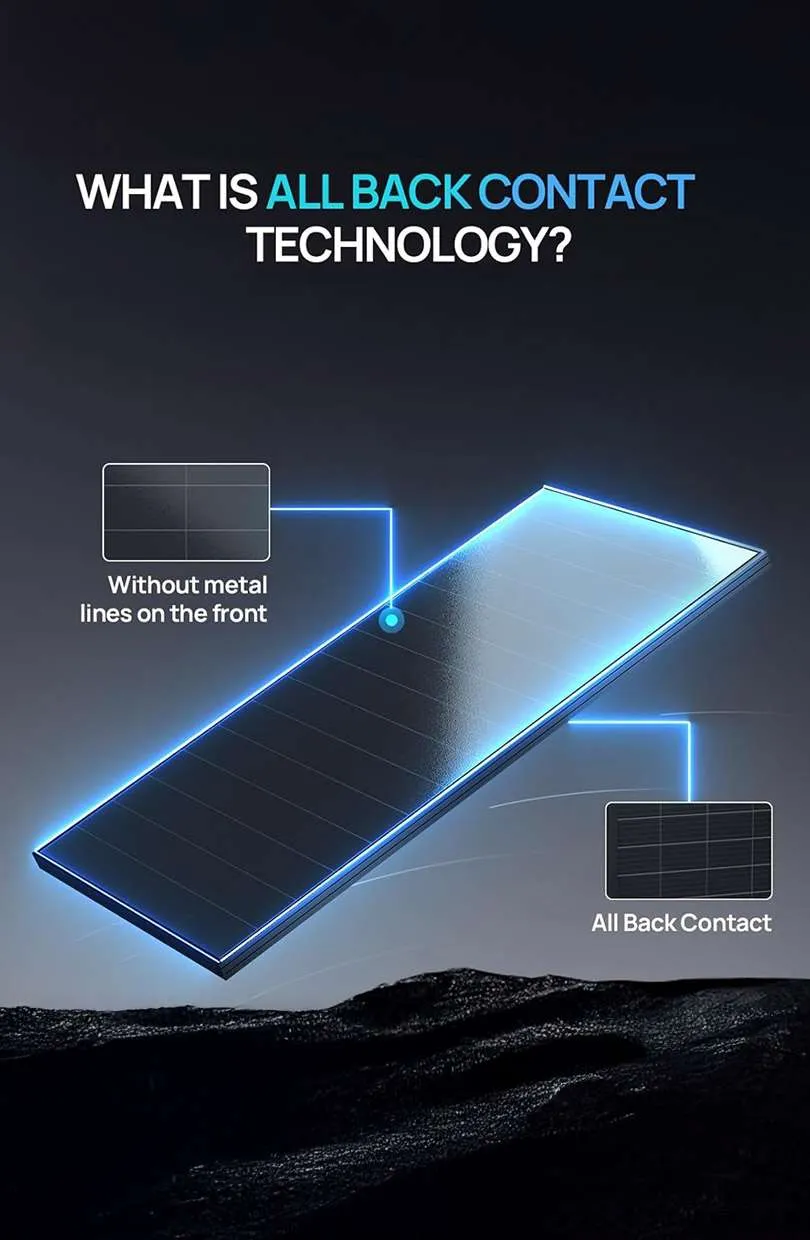
Here’s what changes everything. Back contact technology (IBC – Interdigitated Back Contact).
Regular panels have metal strips on front. These create shadows. Block light. Generate heat. Back contact panels move everything to the back. Simple change. Big results.
✅ Back Contact Real Performance:
- No front shadows = 7% more power immediately
- Run 5-15°C cooler than standard panels (verified by manufacturers)
- Temperature coefficient: -0.29% to -0.30%/°C (vs -0.35% to -0.45% standard)
- Efficiency: 22-25% (vs 17-18% standard panels)
- Power at 65°C: 88% retained (vs 82-86% standard)
That 6-7% difference at high temperature? It adds up. More power every day. For decades.

🚀 HPBC: The Next Level
HPBC (Hybrid Passivated Back Contact) takes it further. This isn’t just better. It’s different.
HPBC creates multiple paths for electricity. Like having backup roads when traffic jams. Proven benefits include:
- ✨ Shade tolerance: Power flows around obstacles
- ✨ Hot spot reduction: 70% less damage (manufacturer testing)
- ✨ Cell efficiency: 24.4-25.2% even in extreme heat
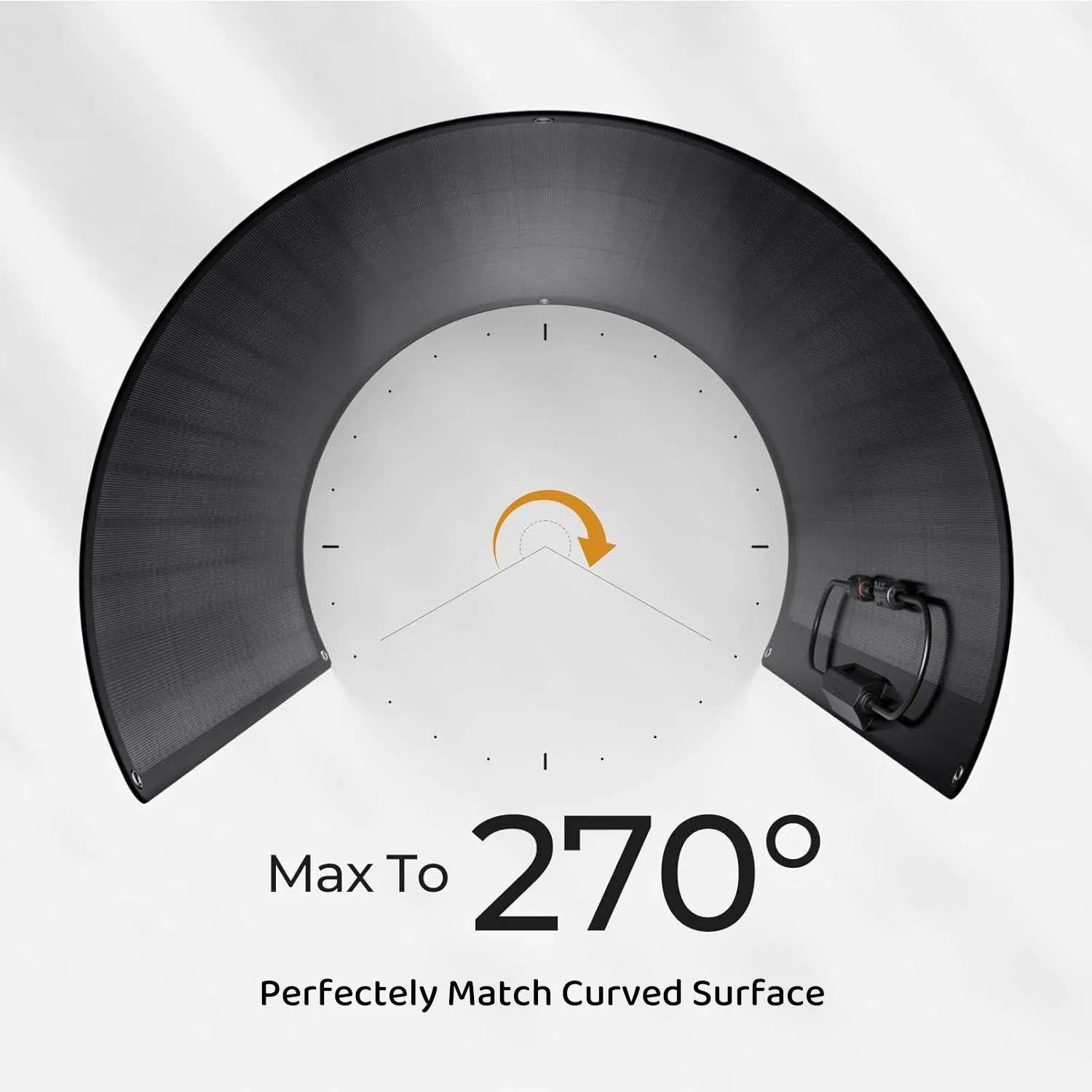
- ✨ Flexible options: With ETFE coating
ETFE Coating Benefits (Manufacturer Claims):
- Flexible installation options
- Lighter than traditional glass panels
- Completely waterproof
- Lasts 10-15 years (vs 3-7 for standard flexible)
- Self-cleaning surface properties
📊 Understanding Panel Technology Differences
| Technology | Lab Efficiency | Tropical Reality | Realistic Lifespan |
|---|---|---|---|
| Standard Panels | 17-18% | 14-16% | 10-15 years |
| Premium PERC | 20-22% | 17-19% | 15-20 years |
| IBC/Back Contact | 22-25% | 20-22% | 25-30 years |
| HPBC | 24-25% | 21-23% | 25-30 years |
Your Guide to Choosing Tropical Solar
📋 The Numbers That Really Matter
Critical Specifications for Tropical Solar:
- Temperature Coefficient: Must be -0.32%/°C or better (lower is better)
- Efficiency Rating: Minimum 20% for premium, 22% for back contact
- Degradation Rate: Look for 0.4-0.5% yearly (but expect worse in extreme tropics)
- Product Warranty: 10 years minimum
- Performance Warranty: 25 years minimum (verify it covers tropical degradation)
Essential Certifications:
- 📜 IEC 61215 (thermal cycling, humidity – critical for tropics)
- 📜 IEC 61730 (safety requirements)
- 📜 IEC 61701 (salt mist – essential for coastal)
- 📜 IEC 62716 (ammonia resistance for agricultural areas)
🔧 Installation Done Right
| Installation Factor | Requirement | Verified Benefit |
|---|---|---|
| Mounting Height | 6-8 inches minimum above roof | 5-10°C cooler = 2-4% more power |
| Tilt Angle | 15-30 degrees (latitude dependent) | Self-cleaning + optimal airflow |
| Cable Rating | 90°C minimum (not standard 75°C) | Prevents heat damage |
| Mounting System | 150+ mph wind rating minimum | Hurricane survival capability |
Hurricane Reality: Panels themselves rarely fail in storms. It’s the mounting systems that matter. Invest in quality mounting rated for 150+ mph winds if you’re in hurricane zones.
🧹 Maintenance That Works
Proven Maintenance Schedule:
- Weekly: Visual inspection (5 minutes)
- Monthly: Cleaning near ocean (salt removal critical)
- Quarterly: Cleaning inland areas
- Annually: Professional inspection and electrical testing
- Post-storm: Immediate inspection and documentation
💰 The Real Cost of Tropical Solar
Honest Truth: Quality panels cost 20-30% more upfront. But they produce 10-15% more daily. Degrade 3-4 times slower. Last twice as long. The math is clear.
| Panel Type | Initial Cost | Tropical Degradation | Realistic Lifespan | True Payback |
|---|---|---|---|---|
| Standard | Lower | 1.5-3% yearly | 10-15 years | 6-10 years* |
| Premium | 20-30% higher | 0.5-1% yearly | 25-30 years | 8-15 years** |
*But needs replacement sooner
**Varies significantly by location: Singapore 6-10 years, remote islands 12-15+ years

Common Mistakes That Cost Thousands
⚠️ Avoid These Costly Errors:
- Buying on price alone: Calculate 25-year total cost including replacements
- Ignoring salt exposure: Coastal needs marine-rated panels and hardware
- Cheap mounting systems: They fail first in storms, taking panels with them
- No monitoring: Can’t fix what you don’t track
- Poor ventilation: Flush mounting costs 5-10% power permanently
- Wrong panel type: Standard panels in harsh tropics = early failure
Your Action Plan for Tropical Solar
📅 When to Go Solar
Now is good, but be realistic:
- ✅ Technology proven with millions installed globally
- ✅ Energy costs rising yearly everywhere
- ✅ Incentives available (but research your specific location)
- ⚠️ Expect longer payback than advertised (8-15 years typical)
- ⚠️ Factor in higher maintenance costs for tropical conditions
📝 Your Step-by-Step Plan
- Energy Audit: Check 12 months of bills, note peak usage patterns
- Site Assessment: Get professional evaluation including salt exposure analysis
- Technology Selection: Match panels to your specific tropical conditions
- Get Multiple Quotes: Minimum three, compare warranties carefully
- Verify Warranties: Ensure they cover accelerated tropical degradation
- Plan Maintenance: Budget for regular cleaning and inspections
🌟 Ready to Go Solar the Right Way?
Get expert guidance on tropical solar solutions designed for paradise conditions.
📧 Email: info@couleenergy.com
📱 Phone: +1 737 702 0119 (WhatsApp available)
📦 Custom solutions from 100 panels minimum
FAQs: Your Tropical Solar Questions Answered
❓ Do solar panels work in high humidity?
Yes, but efficiency drops. Quality panels with proper sealing handle 85% humidity adequately. However, research shows standard panels can lose 30% power after 5 years in extreme humidity. Look for solar panels with excellent damp heat test results (IEC 61215). Premium panels with quality backsheets and sealed edges resist moisture much better. Be prepared for higher degradation than manufacturer estimates.
❓ What is the best tilt angle for solar panels in tropical countries?
Generally 15-30 degrees, specifically your latitude minus 5-10 degrees. This optimizes year-round sun exposure since tropical sun stays relatively high. The angle also helps with self-cleaning during rain and improves airflow for cooling. Steeper angles improve cooling but may reduce total energy capture. Consider local weather patterns—areas with heavy rainfall benefit from steeper angles.
❓ How often should I clean solar panels in tropical climates?
Monthly near the ocean for salt removal—this is critical. Quarterly inland unless near dusty areas. Always clean early morning or late evening when solar panels are cool to prevent thermal shock. Use soft water and mild soap only. Never use abrasive materials. Professional cleaning twice yearly is recommended. After storms, inspect immediately for debris and damage.
❓ Can solar panels withstand hurricanes?
The panels themselves can survive if properly mounted. The key is the mounting system—it must be rated for 150+ mph winds minimum. Many Caribbean installations have survived Category 3 hurricanes with proper mounting. The mounting system fails first, not the panels. Insurance is still essential. Verify your installer uses hurricane-rated mounting hardware and proper installation techniques.
❓ Why do solar panels lose efficiency in heat?
Heat increases electrical resistance inside panels—like thick honey flowing slower than water. Every degree above 25°C reduces power output. Standard panels lose 0.35-0.45% per degree. Premium panels with better temperature coefficients lose only 0.29-0.32% per degree. This difference becomes significant when roof temperatures reach 65-70°C regularly.
❓ How long do solar panels really last in tropical climates?
Standard panels: 10-15 years before significant degradation. Premium panels with good temperature coefficients: 20-25 years realistically. The harsh truth? Studies show 3% annual degradation in worst tropical conditions. Better materials, superior sealing, and lower operating temperatures make premium panels worth the investment. Don’t trust 25-year warranties unless they specifically cover tropical degradation rates.
❓ What’s the real payback period for solar in the tropics?
Honestly? 8-15 years for most systems. Not the 3-5 years often advertised. Singapore shows 6-10 years in best cases. Remote islands often exceed 15 years. Factors include: local electricity rates, actual (not theoretical) system degradation, real maintenance costs, and whether incentives actually apply to your situation. Premium panels take longer to pay back but last much longer, making them better long-term investments.
Transform Your Tropical Challenge into Energy Independence
Paradise doesn’t have to punish your solar panels. With the right technology and realistic expectations, tropical sun becomes your advantage, not your enemy.
Don’t let heat steal your solar investment. Choose panels built for paradise—and understand what you’re really getting into.

 English
  Español
  Français
  Deutsch
  Русский
  العربية