

🌞What Are Vertical Solar Panels?
Imagining them standing upright like a fence or mounted on the side of a building. That’s vertical solar in a nutshell.
Here’s what makes them different:
- They stand up instead of lying down – pretty straightforward
- They face east and west instead of pointing south
- They catch sunlight from both sides (most use bifacial technology)
- You can put them almost anywhere – walls, fences, balconies, even between crop rows
Think of them as the Swiss Army knife of solar panels. They’re designed to work in places where traditional panels just won’t fit or make sense.
📈Why Everyone’s Talking About Them
The Numbers Don’t Lie
Something pretty amazing is happening in Europe right now. According to official data from Germany’s Federal Network Agency (Bundesnetzagentur), Germany hit over 1 million balcony solar installations as of June 2025. That’s not a typo – over one million tiny solar systems plugged into people’s apartments.
🚀 Verified Growth Stats from Official Sources
- Germany’s balcony solar capacity nearly doubled in just one year (2024-2025)
- Total installed capacity reached nearly 1 gigawatt by June 2025
- Average system size increased as technology improved
- Growth driven by simplified regulations and falling prices
They Actually Work Better Sometimes
This might surprise you, but researchers at the University of York conducted a comprehensive year-long study and published their findings in Scientific Reports (a peer-reviewed journal) in August 2024. Here’s what they discovered:
| Time Period | Vertical Panel Advantage | Verified Source |
|---|---|---|
| Morning hours | 27% better performance | University of York, Scientific Reports, 2024 |
| Evening hours | 23% better performance | University of York, Scientific Reports, 2024 |
| Winter months | Up to 25% more energy | University of York, Scientific Reports, 2024 |
| Heat management | 2.5% efficiency boost | Netherlands TNO Research, 2023 |
Wait, there’s more. Netherlands research organization TNO found that these solar panels run significantly cooler because they’re standing up. That means they’re about 2.5% more efficient overall because heat makes solar panels perform poorly.
Perfect for City Living
Here’s the thing – over half of Europeans live in apartments. Regular solar was never an option for these folks. But vertical panels? Game changer.
You can:
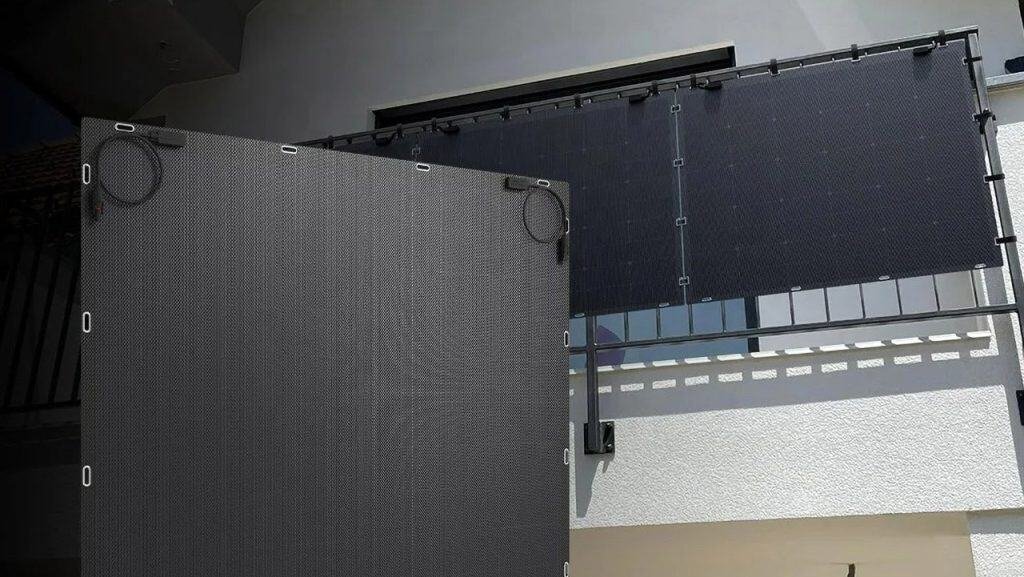
- Hang them on your balcony (no permits needed in most places)
- Mount them on building walls
- Install them as fencing
- Plug small ones right into your wall outlet (seriously!)
🌍Where They Work Best
Northern Places Are the Sweet Spot
If you live somewhere cold and snowy, you’ve hit the jackpot. Places like Minnesota, Alaska, northern Maine, or anywhere in Canada see the biggest benefits.
Why? The sun sits low in the winter sky up north. Regular solar panels can barely see it, but vertical panels catch those low rays perfectly.
Real example: Norway’s national soccer stadium (Ullevaal Stadium) installed 1,242 vertical panels on their roof in a system that generates significant electricity annually. According to Over Easy Solar’s analysis, these panels actually make more money in February than comparable regular panels make in June. In February! In Norway!

Snowy Areas Love These Things
Snow is usually solar’s enemy. It piles up on regular panels and blocks them completely. But vertical panels? Snow just slides right off.
Even better, that white snow acts like a giant mirror, bouncing extra light onto the back of the PV panels. Research suggests this can boost winter performance, though the exact gains vary by snow conditions and panel height.
Cities Are Perfect Too
Urban areas have two big problems: no space and lots of shadows. Vertical panels solve both.
You can:
- Turn boring building walls into power plants
- Install them on tiny balconies
- Use them where regular panels would be shaded by other buildings
- Make them look good while making power

Hot, Dusty Places Benefit Too
In desert areas, dust is solar’s worst enemy. It covers panels and kills their performance. Research suggests that when solar panels stand upright, wind and gravity help keep them cleaner, though specific performance gains vary by location and climate conditions.
⚖️The Good and Bad
Let’s be honest about what you’re getting into.
✅ The Good Stuff
Winter Performance is Amazing
Remember that University of York study? Vertical bifacial panels made 25% more power in winter compared to traditional tilted panels. That’s huge if you live somewhere with expensive winter electricity.
They Use Space Nobody Else Wants
- Walls that just sit there doing nothing
- Balcony railings
- Property lines where you need fencing anyway
- Farm fields (you can grow crops between the panels)
Way Easier to Keep Clean
Rain naturally washes vertical panels. Snow slides off. You don’t need to climb on your roof with a squeegee.
They Make Power When You Need It
Regular panels dump all their power at noon when nobody’s home. Vertical panels make power in the morning (when you’re getting ready for work) and evening (when you’re cooking dinner).
❌ The Not-So-Good Stuff
Installation Can Cost More
Here’s the reality check. Installation complexity varies significantly by application type and region:
- Small balcony systems: Often competitive with traditional solar
- Building wall installations: Typically require specialized mounting and expertise
- Ground-mount systems: Generally more complex due to structural requirements
- Building-integrated systems: Most complex due to architectural integration needs
Less Total Power Per Year
This is the big trade-off. Vertical panels typically make 20-30% less total electricity over a whole year compared to perfectly angled regular panels.
But remember – they make that power when it’s often worth more money.
Harder to Find Experienced Installers
Not every solar company knows how to do vertical installs properly. You might need to shop around more to find someone with actual experience.
Permits Can Be More Complex
Building departments don’t always know what to do with vertical installations. Budget extra time for paperwork, especially for building-mounted systems.
⚠️ Important Reality Check
Installation complexity and economics vary dramatically by location, installer experience, and project type. Always get multiple quotes from installers with verified vertical solar experience. What works in one area might be very different in your region.

🔧Which Technology to Choose
This gets a bit technical, but stick with us – it matters for your long-term satisfaction.
The Best Options for Vertical (Based on Current Market Data)
| Technology | What It’s Good At | Best For | 2025 Reality Check |
|---|---|---|---|
| HJT (Heterojunction) | Top performance, works great in low light | Maximum power, premium builds | Premium technology, increasing availability in 2025 |
| TOPCon | Great performance, reasonable pricing | Best balance for most people | Sweet spot for most applications |
| Back-Contact (BC) | Looks fantastic, no visible wires | Beautiful building facades | Specialized applications, requires specific setup |
| Bifacial PERC | Mature, reliable technology | Budget-conscious installations | About 15-20% less performance than newer technologies |
💡 What Industry Experts Recommend
For most people in 2025, TOPCon solar panels offer the best balance of performance and value.
- If you’re doing a small balcony system, any decent bifacial panel will work fine. Don’t overthink it.
- If you’re covering a whole building facade and aesthetics matter, consider investing in back-contact or HJT panels.
- For agricultural applications, focus on durability and bifaciality over peak efficiency.

🏗️Different Ways to Install Them
🏠 Balcony Solar (The Easy Button)
This is where all the action is right now. You buy a kit online, mount it on your balcony railing, and plug it into the wall. Seriously, it’s that simple.
What you get:
- Small-scale power generation for your apartment
- Plugs right into a regular outlet
- Can meaningfully reduce your electric bill
- No permits needed (in most European jurisdictions)
- Moves with you if you relocate
Perfect for: Renters, apartment dwellers, anyone who wants to test solar without major commitment
🏢 Building Integration (The Sophisticated Option)
This is where panels actually become part of the building – replacing windows, wall panels, or siding materials.
What you get:
- Beautiful, seamless architectural integration
- Building materials AND power generation combined
- Serious property value enhancement
- Maximum visual appeal factor
Reality check: Complex and requires specialized expertise. Best suited for new construction where panels can replace expensive facade materials.
🔗 Solar Fencing (The Practical Option)
Need a fence anyway? Make it generate power while defining your property.
What you get:
- Property boundary that produces income
- Privacy screening AND power generation
- Dual purpose improves economic viability
- Modular design allows future expansion
Perfect for: Rural properties, commercial facilities, anyone with land boundaries to define

🌾 Agricultural Integration (The Smart Farming Option)
Install solar panels between crop rows. Keep farming, add clean energy revenue.
What you get:
- Two revenue streams from the same land
- Some crops actually benefit from partial shade
- Wide spacing allows normal equipment operation
- Environmental benefits plus economic diversification
Reality check: Requires careful planning for equipment access, crop selection, and local agricultural regulations
💰Will They Save You Money?
This is what everyone really wants to know. The answer depends on several key factors specific to your situation.
Understanding the Economics
The financial picture for vertical solar varies significantly based on:
💡 Key Economic Factors
- Application type: Balcony systems typically have the fastest payback periods
- Geographic location: Northern climates and urban areas often see better returns
- Electricity rates: Time-of-use pricing can favor morning/evening production
- Dual functionality: Systems that replace needed items (fencing, building materials) improve economics
- Local incentives: Rebates and tax credits vary dramatically by region
Financial Considerations by Application Type
Small Balcony/Plug-in Systems:
- Generally have the most attractive payback periods
- Lower complexity means lower installation requirements
- Perfect for testing solar economics before bigger investments
Residential Vertical Systems:
- Economics improve with time-of-use electricity rates
- Winter performance advantages matter more in northern climates
- Consider total cost of ownership over 20+ years
Commercial Building Integration:
- Best suited for new construction or major renovations
- Can provide building material replacement value
- Often justified by multiple benefits beyond just electricity production
⚠️ Financial Reality Check
Solar economics are highly location-specific and change frequently based on electricity rates, incentives, and local market conditions. Always get current quotes from multiple qualified installers and consider your specific usage patterns, roof situation, and long-term plans.
The Economic Factors That Really Matter
Your vertical solar investment becomes more attractive when:
- Your utility charges time-of-use rates with higher morning/evening prices
- You live in areas with expensive winter electricity (northern climates)
- Your vertical panels replace something you need anyway (fencing, building materials)
- You have access to good local rebates or tax credits
- You have limited roof space, making vertical your only solar option
- Your property has premium land/roof space costs (urban areas)
🚀Getting Started
Figure Out If It Makes Sense for Your Situation
Ask yourself these specific questions:
📍 Geographic Assessment:
- Do you live north of about 40°N latitude? (Higher latitudes see bigger vertical advantages)
- Get snow cover for more than 60 days per year?
- Live in an urban area with space constraints?
- Deal with significant dust, leaves, or debris on horizontal surfaces?
💵 Financial Readiness:
- What’s your current monthly electricity bill pattern? (Higher bills generally = better solar economics)
- Does your utility offer time-of-use rates with morning/evening premiums?
- Are there local rebates, tax credits, or other solar incentives in your area?
- Can you handle upfront investment or access solar financing options?
🏡 Property Suitability:
- Have a south-facing wall, balcony, or available land for vertical installation?
- Need fencing, privacy screening, or building materials anyway?
- Is your roof unsuitable for traditional panels? (age, material, shading, access)
- Are you renting? (Vertical systems often work for renters when roof solar doesn’t)
Your Next Steps (Recommended Action Plan)
- Start small if you’re unsure. Try a balcony system first to learn how solar works for your specific situation.
- Research local installers with verified vertical solar experience. Not all solar companies do vertical installations properly.
- Understand local regulations. Some areas have streamlined vertical solar rules, others have outdated restrictions.
- Explore financing options. Solar loans and leasing are increasingly available for vertical systems.
- Consider hybrid approaches. Some properties benefit from combining traditional roof panels with vertical installations.
💡 Professional Installation Tips for Optimal Performance:
- Orient panels east-west when possible (maximizes morning and evening production)
- Elevate ground installations appropriately for better light reflection
- Use light-colored surfaces beneath panels (concrete, white gravel) for free albedo boost
- Plan adequate spacing between panel rows for wind flow and maintenance access
- Design for easy access – you’ll want to rinse panels occasionally for peak performance
❓Frequently Asked Questions
Q: Do vertical solar panels work in cloudy weather?
Yes, vertical panels work in cloudy conditions just like traditional panels. In fact, they may perform relatively better in diffuse light conditions because they can capture light from multiple directions. However, all solar panels (vertical or horizontal) produce less electricity on cloudy days compared to sunny ones.
Q: How much maintenance do vertical solar panels need?
Vertical panels generally require less maintenance than horizontal ones. Rain naturally washes them, snow slides off easily, and they don’t accumulate debris like horizontal panels do. Most systems just need occasional visual inspections and maybe a rinse with a garden hose a few times per year.
Q: Do vertical panels work better in winter than traditional panels?
Yes, research shows vertical panels significantly outperform traditional panels in winter, especially in northern climates. The University of York study found up to 25% better winter performance. This happens because vertical panels are perfectly positioned to catch low-angle winter sunlight that horizontal panels miss.
Q: Can I use vertical panels for farming?
Yes! Vertical agrivoltaics is a growing field. Panels are spaced wide enough apart (typically 12-15 meters) to allow farming equipment to operate normally. Some crops actually benefit from the partial shade. However, you’ll need to carefully plan for equipment access and choose compatible crops.
Q: How long do vertical solar panels last?
Vertical panels use the same solar cell technology as traditional panels, so they typically last 25-30 years with minimal performance degradation. The mounting systems are often simpler and may be more durable since they don’t bear the weight loads that horizontal systems do.
🎯The Bottom Line
Here’s what the research and real-world data tell us: Vertical solar panels aren’t going to work for everyone, but they’re exceptionally well-suited for specific situations.
✅ Strong Evidence Supports Vertical Solar If:
- You live in northern climates with snowy winters (verified 25% winter advantage)
- You’re in urban areas with space constraints (perfect for balconies, walls, fencing)
- You’re renting and can’t install traditional roof systems
- You need dual-purpose installations (fencing, building materials, agricultural land use)
- Your utility has time-of-use rates favoring morning/evening production
🤔 Traditional Panels Likely Better If:
- You have ample, unshaded roof space facing south
- You live in low latitudes where the sun gets very high (closer to equator)
- Maximum total annual energy production is your only priority
- You want the simplest, most established installation approach
The research-backed reality: Vertical panels solve energy access problems that traditional solar simply cannot address. While they may not always produce the maximum total annual energy, they excel in winter performance, urban applications, and morning/evening production timing that often has higher economic value.
The solar industry is diversifying beyond rooftops, and vertical installations are leading this expansion. Whether it’s a simple balcony system in Berlin or a sophisticated building-integrated facade in New York, there’s likely a vertical solution that makes sense for your specific situation.
The future of solar energy extends far beyond traditional rooftops – it’s vertical, versatile, and ready to meet the unique challenges of modern energy needs.
📚 Key Sources & References
Primary Research:
- Badran, G. & Dhimish, M. (2024). “Comprehensive study on the efficiency of vertical bifacial photovoltaic systems: a UK case study.” Scientific Reports, Nature Publishing Group.
- Netherlands Organisation for Applied Scientific Research (TNO) – Vertical PV Heat Transfer Study, 2023
Government Data:
- German Federal Network Agency (Bundesnetzagentur) – Official Solar Installation Registry, 2024-2025
- Over Easy Solar AS – Norway Ullevaal Stadium Installation Data, 2The Complete Guide to Vertical Solar Panels: Everything You Need to Know in 2025024
Industry Sources:
- German Solar Industry Association (BSW Solar) – Market Analysis Reports
- European balcony solar market data from Clean Energy Wire, PV Magazine, Renewable Energy Industry publications



 English
  Español
  Français
  Deutsch
  Русский
  العربية