

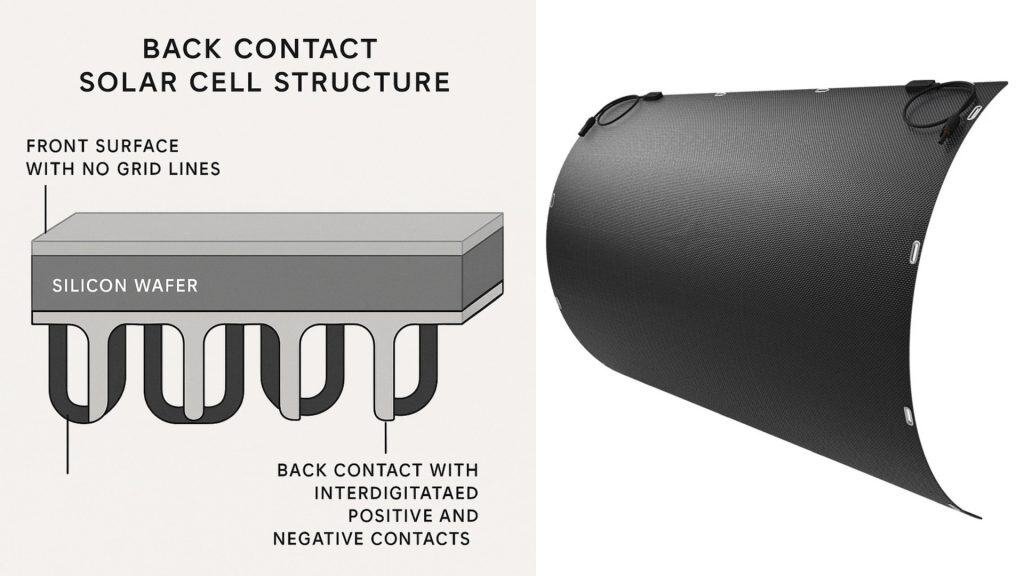
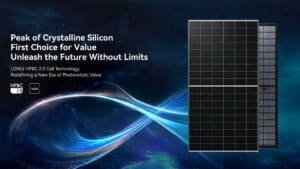
HPBC (Hybrid Passivated Back Contact) solar panels represent one of the most significant advances in photovoltaic technology, addressing fundamental limitations that have constrained traditional solar panel performance for decades. Unlike conventional panels with visible grid lines and front-side contacts that block incoming sunlight, HPBC technology relocates all electrical connections to the panel’s rear surface, creating substantial improvements in efficiency, aesthetics, and thermal performance.
Current Market Context: HPBC technology has rapidly evolved from research to commercial production, with leading manufacturers like LONGi achieving record-breaking 25.4% module efficiency in 2024. While still premium-positioned compared to mainstream PERC technology, HPBC is now in active commercial deployment with 24.8% efficiency modules shipping globally.
Couleenergy has established itself as a manufacturer specializing in HPBC solar panels, offering both rigid and flexible solutions with competitive minimum order quantities and direct-to-customer manufacturing. Their approach makes advanced solar technology more accessible to smaller projects and custom applications.
What is HPBC Technology and How Does It Work?
The Science Behind Back Contact Design
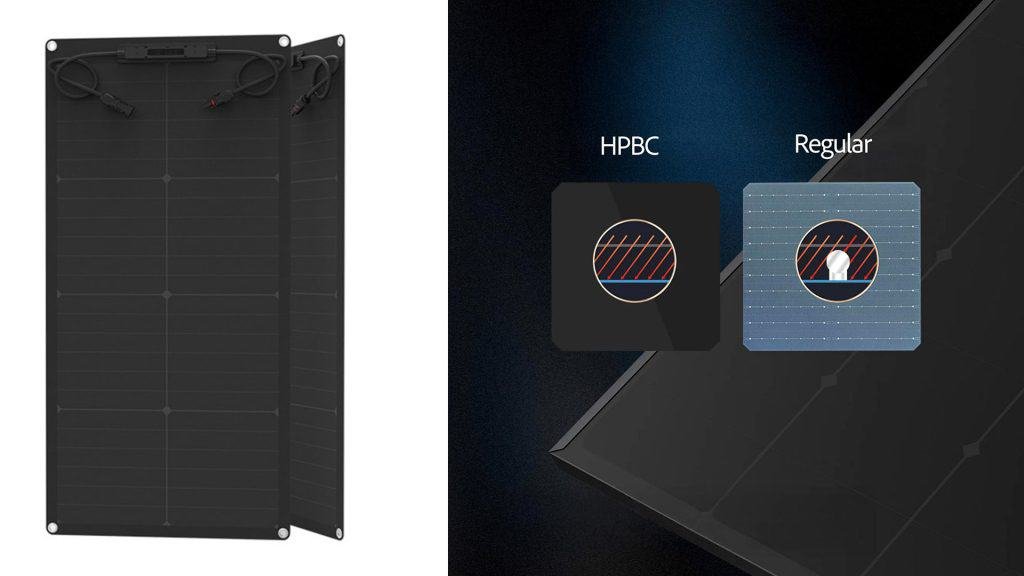
Traditional solar panels function like windows with metal bars (busbars) across the front surface—these contacts create shadows that reduce light absorption and limit efficiency. HPBC technology eliminates this fundamental constraint by moving all electrical connections to the rear of the panel, leaving the front surface completely unobstructed.
Technical Advantages
| Feature | HPBC Technology | Traditional Panels |
|---|---|---|
| Light Absorption | Up to 97% | 85-90% |
| Module Efficiency | 24-25%+ | 19-22% |
| Temperature Coefficient | -0.29% per °C | -0.4% to -0.5% per °C |
| Front Surface | Zero shading | Grid lines visible |
Advanced Materials: ETFE Coating Technology
Premium HPBC panels feature ETFE (Ethylene Tetrafluoroethylene) coating. This advanced polymer provides:
- Self-cleaning surface reducing maintenance requirements
- 95% light transmission versus lower rates with conventional coatings
- 10-15 year operational lifespan compared to 5-7 years for PET flexible panels
- Heat resistance up to 200°C (392°F) for superior thermal performance
- Enhanced UV and chemical resistance for harsh environments
Important Note: ETFE coating represents a premium option that significantly impacts cost but delivers measurable performance benefits in demanding applications.
Performance Advantages and Real-World Considerations
Superior Heat Management
Heat management represents one of HPBC technology’s strongest advantages. Traditional flexible solar panels can reach temperatures exceeding 65°C when surface-mounted, losing 0.45-0.65% of power output for every degree above 25°C.
HPBC Thermal Performance Benefits:
- Temperature coefficient: -0.29% per °C (significantly better than -0.34% to -0.5% for PERC)
- Operating range: up to 85°C (185°F) with maintained functionality
- Performance advantage: 7-10% better power generation during peak heat conditions
- Improved heat dissipation through optimized rear-contact electrode design
Performance Disclaimer: Actual thermal performance varies significantly based on installation method, ambient conditions, and airflow. Proper installation with adequate ventilation is critical for achieving optimal results.
Enhanced Shading Tolerance
Partial shading has historically been problematic for solar installations, where a single shaded cell can dramatically reduce entire panel output. HPBC technology provides:
- 10-15% improved energy production in partially shaded conditions
- Better fault isolation minimizing system-wide impact from localized shading
- Linear connection architecture maintaining power flow around obstacles
Aesthetic and Integration Benefits
For applications where appearance matters, HPBC panels offer:
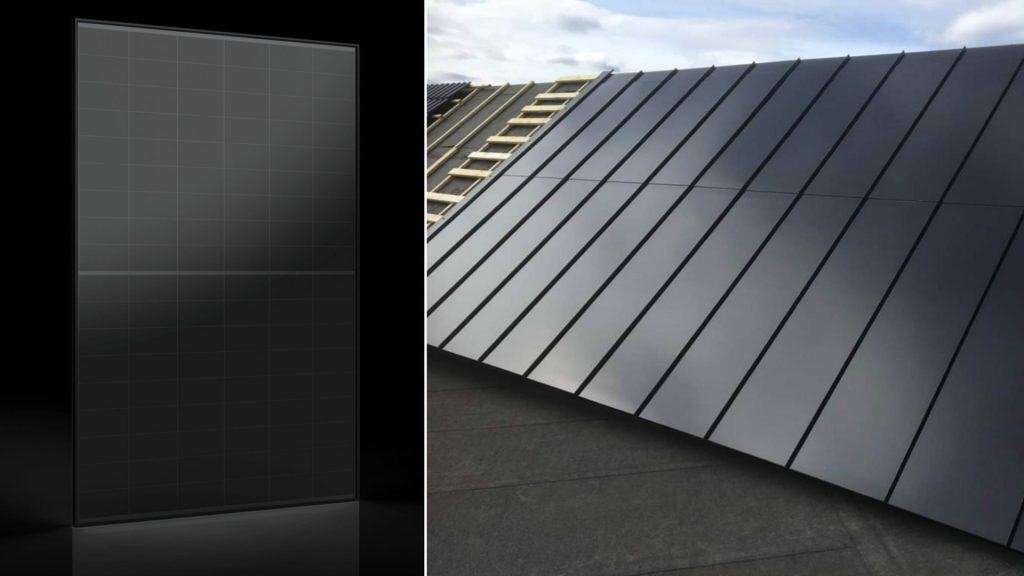
- All-black, grid-line-free design creating uniform visual appearance
- Premium aesthetics suitable for high-end residential and commercial installations
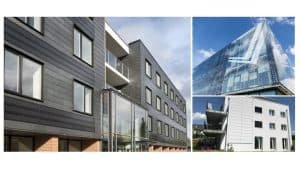
- Building-integrated photovoltaic (BIPV) compatibility for architectural applications
- Seamless integration with modern design requirements
Technology Comparison and Market Position
HPBC vs. Competing Technologies
| Technology | Efficiency Range | Temperature Coefficient | Market Position |
|---|---|---|---|
| HPBC | 24-25% | -0.29%/°C | Premium/Emerging |
| PERC | 19-22% | -0.4% to -0.5%/°C | Mainstream |
| TOPCon | 24-25% | -0.35%/°C | Growing Adoption |
| HJT | 24-26% | -0.26%/°C | Premium |
Applications and Use Cases
Small-Scale and Portable Applications
Micro-Power Solutions (20W-100W):
- Camping and emergency backup systems
- Remote monitoring equipment
- Small electronics charging
- Portable power for outdoor activities
Marine and RV Applications
Mid-Range Flexible Panels (100W-300W):
HPBC flexible panels excel in mobile applications due to:
- Salt water resistance with documented marine durability testing
- IP68 waterproof rating for complete weather protection
- Flexibility up to 248 degrees accommodating curved surfaces
- Lightweight construction reducing structural load requirements
- Superior low-light performance for variable conditions
Featured Example: The 200W all-black lightweight bendable panel provides optimal power-to-weight ratio for RVs and boats while maintaining premium aesthetics.

Residential and Commercial Projects
Standard to High-Power Rigid Panels (100W-400W+):
For fixed installations, HPBC panels provide:
- Space-constrained optimization maximizing power in limited areas
- Scalable configurations from small residential to commercial applications
- Premium aesthetic appeal for design-conscious projects
- Long-term performance stability up to 30-year warranties
Featured Example: The custom 120W all-black panel offers direct manufacturer customization for residential installations requiring specific dimensions or specifications.
Distributed and Commercial Applications
High-Power Solutions (300W-400W+):
Larger-scale deployments benefit from:
- Maximum power density reducing installation complexity
- Consistent high efficiency across diverse environmental conditions
- Reduced balance-of-system costs through higher individual panel output
- Professional-grade reliability for commercial investment returns
Application Note: Marine and mobile installations require careful attention to mounting and ventilation to achieve optimal thermal performance, regardless of panel size.
Off-Grid and Specialized Systems
Full Range Applications (20W-400W+):
HPBC technology serves diverse remote applications through:
- Scalable power solutions from small remote monitoring to complete off-grid homes
- Reduced maintenance requirements important for remote locations
- Portable configurations for emergency and temporary installations
- High reliability for critical system applications
- Modular expandability allowing system growth over time
Product Range and Technical Specifications
Flexible HPBC Solar Panels
Couleenergy’s flexible HPBC panels offer exceptional versatility:
| Specification | Details |
|---|---|
| Power Range | Verified range from 20W to 300W (custom specifications available) |
| Efficiency | 22-24% module efficiency (current generation) |
| Weight | Ultra-lightweight construction for mobile applications |
| Bend Radius | Up to 248 degrees for premium models (30 degrees standard) |
| Applications | RVs, boats, curved roofs, portable systems |
Rigid HPBC Solar Panels
High-efficiency permanent installation solutions:
| Specification | Details |
|---|---|
| Power Range | Verified range from 50W to 400W+ (custom specifications available) |
| Efficiency | 23-25% module efficiency (latest generation) |
| Design | All-black aesthetic with zero front-side contacts |
| Applications | Residential, commercial, distributed installations |
| Certifications | IEC 61215 and IEC 61730 compliant |
| Customization | Available for orders of 100+ pieces |
Technical Note: Specifications vary by generation and specific product line. Latest generation panels achieve higher efficiency than earlier versions.
Manufacturing Excellence and Quality Assurance
Quality Control Process
Couleenergy implements comprehensive testing protocols:
- Incoming cell inspection with electroluminescence (EL) testing
- Mid-process quality verification during assembly
- Final product testing before shipment approval
- Long-term reliability testing per IEC standards
Certifications and Standards
All panels meet international requirements:
- IEC 61215: Design qualification and type approval
- IEC 61730: Safety requirements for photovoltaic modules
- ISO quality management systems implementation
- Third-party verification for performance claims
Direct Manufacturing Benefits
As a manufacturer, Couleenergy offers:
- Factory-direct pricing eliminating distributor markup
- Quality control at each production stage
- Responsive customization for specific project requirements
- Technical support from engineering teams
Custom Solutions and Flexible Ordering
Low Minimum Order Quantities
Unlike many manufacturers requiring 500-5,000+ unit minimums, Couleenergy starts custom orders at 100 pieces, making advanced technology accessible to smaller projects.
Industry Context: This represents significantly lower MOQ compared to typical custom solar panel manufacturing, where minimums of 1,000-5,000 units are common.
Available Customizations
Comprehensive customization options include:
- Power ratings from 20W to 400W+ across flexible and rigid configurations
- Dimensional modifications for specific installation requirements
- Electrical configurations including voltage and connector types
- Aesthetic options including frame colors and backsheet selections
- Private labeling for distribution partners and OEM applications
- Specialized mounting solutions for unique applications
Custom Development Process
Timeline and Process:
- Requirements definition (1-2 days)
- Engineering review and optimization (48-72 hours)
- Prototype development with sample production (3-4 weeks)
- Testing and validation per applicable standards
- Production approval and mass manufacturing (5-6 weeks)
Technical Specifications and Testing Data
Operating Parameters
| Parameter | Specification |
|---|---|
| Operating Temperature Range | -40°C to +85°C |
| Temperature Coefficient | -0.29% per °C (typical) |
| Annual Degradation | 0.35-0.4% (estimated, limited long-term data) |
| Standards Compliance | Wind and snow load ratings per IEC standards |
Durability and Reliability Testing
Standard testing protocols include:
- Thermal cycling for temperature resistance validation
- Mechanical stress testing for structural integrity
- Salt spray exposure for marine environment compatibility
- UV exposure testing for long-term material stability
- Hail impact testing for severe weather resistance
Data Limitation Note: HPBC technology entered commercial production in 2022-2023, providing less than 3 years of real-world field performance data. While laboratory testing and initial field deployments show promising results, long-term performance characteristics are still being validated compared to mature technologies like PERC with 15+ years of field data.
Purchasing Considerations and Contact Information
Decision Framework
HPBC Technology is Particularly Suitable When:
Small-Scale Applications (20W-100W):
- Remote monitoring and small electronics requiring reliable power
- Camping and emergency backup systems needing portable solutions
- Specialty applications where aesthetics outweigh cost considerations
Medium-Scale Applications (100W-300W):
- RV and marine installations where space and weight are constrained
- Residential installations requiring maximum efficiency in limited space
- Building-integrated applications where appearance is critical
- Hot climate operation where superior temperature performance is valued
Large-Scale Applications (300W-400W+):
- Commercial installations prioritizing long-term energy yield
- Premium projects where efficiency and aesthetics justify higher cost
- Space-constrained commercial installations requiring maximum power density
- High-performance applications where cutting-edge technology is specified
Consider Alternative Technologies When:
- Budget constraints make cost the primary selection criterion
- Standard efficiency levels adequately meet project requirements
- Proven long-term performance data is critical for large investments
- Immediate availability is essential (HPBC may have longer lead times)
- Local installer expertise with HPBC technology is limited
Getting Started with Couleenergy
Contact Information:
- Email: info@couleenergy.com
- Phone: +1 737 702 0119
Recommended Process:
- Define technical requirements including power, dimensions, and environmental conditions
- Request technical documentation including performance data
- Discuss customization options and minimum order quantities
- Evaluate samples if possible for specific application testing
- Consider third-party validation for critical applications
Support and Warranty
Available Services:
- Technical documentation in multiple languages
- Installation guidance and best practices training
- Global warranty service network
- Compliance assistance for local regulatory requirements
Conclusion: Advanced Solar Technology for Diverse Applications
HPBC solar panels from Couleenergy represent cutting-edge photovoltaic technology that addresses fundamental limitations of traditional solar panels while offering significant versatility. With a proven power range from 20W to 400W+ across flexible and rigid configurations, superior efficiency, excellent heat tolerance, and premium aesthetics, they provide compelling solutions for applications ranging from small portable systems to large-scale commercial installations.
Key Considerations for Decision Making:
- Technology Maturity: HPBC represents advanced technology with limited long-term field data (less than 3 years)
- Investment Level: Premium pricing requires careful cost-benefit analysis
- Performance Advantages: Documented laboratory benefits with early field validation supporting claims
- Market Evolution: Rapid commercial scaling and declining costs favor early adopters
- Risk Consideration: Limited long-term performance data should be weighed against performance benefits
Optimal Application Scenarios:
Small Scale (20W-100W): Portable systems, emergency backup, remote monitoring where reliability and aesthetics matter more than cost optimization.
Medium Scale (100W-300W): RV and marine applications, residential installations with space constraints, and projects where premium appearance is valued.
Large Scale (300W-400W+): Commercial installations prioritizing maximum energy yield, premium projects where efficiency and aesthetics justify the investment, and high-performance applications requiring cutting-edge technology.
Strategic Recommendations:
- Evaluate total cost of ownership including installation, maintenance, and energy yield over 25 years
- Consider local climate conditions and installation factors affecting performance
- Compare with other advanced technologies (HJT, TOPCon) for specific requirements
- Request performance guarantees and consider third-party validation for critical applications
- Assess long-term warranty coverage and technical support availability
- Factor in technology maturity risks when evaluating warranty periods and large investments
- Consider phased deployment for large projects to validate performance before full commitment
For applications where the combination of high efficiency, superior aesthetics, excellent thermal performance, and design flexibility align with project requirements and budget parameters, HPBC panels can deliver exceptional value. Couleenergy’s comprehensive product range, low minimum order quantities, and direct manufacturing approach make this advanced technology accessible across a broader spectrum of applications than previously possible.
The decision to invest in HPBC technology should be based on careful analysis of specific project requirements, realistic performance expectations, and long-term value considerations. While the technology shows excellent promise and is rapidly scaling commercially, the limited long-term field data should be considered alongside the documented performance advantages. When properly matched to appropriate applications and with proper installation, HPBC panels offer a compelling pathway to maximum solar energy utilization with premium performance characteristics.
Frequently Asked Questions
❓What makes HPBC solar panels different from traditional solar panels?
HPBC (Hybrid Passivated Back Contact) panels move all electrical connections to the rear of the panel, eliminating front-side grid lines that block sunlight. This design results in:
- Higher efficiency: 24-25%+ compared to 19-22% for traditional PERC panels
- Better heat tolerance: Temperature coefficient of -0.29%/°C vs -0.4% to -0.5%/°C
- Superior aesthetics: All-black appearance with no visible grid lines
- Improved shading tolerance: 10-15% better performance in partially shaded conditions
🔧What’s the minimum order quantity for custom HPBC panels from Couleenergy?
Couleenergy offers one of the industry’s lowest minimum order quantities at just 100 pieces for custom orders.
Available customizations include:
- Power ratings from 5W to 710W
- Custom dimensions and shapes
- Electrical configurations (voltage, connectors)
- Frame colors and aesthetic options
- Private labeling and packaging
🚐Can HPBC flexible panels be used on curved RV roofs and boats?
Yes! Couleenergy’s flexible HPBC panels are specifically designed for curved applications with:
- Bend radius: Up to 248 degrees for extreme curves
- Marine rating: IP68 waterproof with salt water resistance
- Weight optimization: Ultra-lightweight construction
- Power range: 5W to 300W for flexible panels
Installation note: Proper ventilation and elevated mounting (1-2 inches) are crucial for optimal thermal performance, even with superior heat tolerance.
⚡How do HPBC panels perform in hot climates compared to standard panels?
HPBC panels excel in hot climates due to their superior temperature coefficient:
Calculated Performance Estimates (Theoretical):
| Panel Temperature | HPBC Performance* | Standard Panel Performance* |
|---|---|---|
| 45°C (113°F) | 94.2% of rated power | 91% of rated power |
| 60°C (140°F) | 89.8% of rated power | 84.5% of rated power |
*Calculated estimates based on temperature coefficients: HPBC -0.29%/°C, Standard -0.45%/°C. Actual performance may vary based on installation conditions, climate, and other factors.
This 5-7% performance advantage compounds significantly over the panel’s 25-year lifespan, though real-world results depend on installation quality and local conditions.
🏠Are HPBC panels compatible with existing solar inverters and mounting systems?
Yes, HPBC panels are designed for compatibility with standard solar system components:
- Inverters: Compatible with all major string and micro-inverter brands
- Mounting systems: Standard mounting hardware works with rigid panels
- Electrical specifications: Available in common voltage configurations (12V, 24V, 48V systems)
- Monitoring systems: Work with existing solar monitoring equipment
Installation consideration: While electrically compatible, the back-contact design may require installer familiarization for optimal installation practices, particularly regarding thermal management.
📞How do I get started with a custom HPBC panel order from Couleenergy?
Getting started with Couleenergy is straightforward:
- Initial Contact: Email info@couleenergy.com or call +1 737 702 0119
- Requirements Discussion: Share your power needs, dimensions, and application details
- Engineering Review: Receive technical recommendations within 48-72 hours
- Prototype Development: Sample production for testing (3-4 weeks)
- Production Order: Mass manufacturing after approval (5-6 weeks)
Tip: Have your technical requirements ready including desired power output, physical dimensions, operating environment, and quantity needed. This helps accelerate the quotation process.
Sources & Further Reading
For transparency and to enable readers to verify information independently, we’ve compiled the authoritative sources used in researching this comprehensive guide to HPBC solar panel technology.
Industry Reports & Market Analysis
- Clean Energy Reviews – Most Efficient Solar Panels 2025 – Comprehensive analysis of current solar panel efficiency rankings and emerging technologies
- Solar Power World – LONGi Heterojunction Back-Contact Solar Cell Reaches 27.81% Efficiency – Latest efficiency achievements in back-contact technology
Technical Research & Performance Data
- PV Magazine – LONGi Sets World Record for Solar Module Efficiency at 25.4% – Official certification of HPBC efficiency records
- Solar.com – Does Solar Panel Temperature Coefficient Matter? – Real-world impact of temperature coefficients on performance
Academic & Scientific Sources
- Nature Communications – 27.09%-efficiency silicon heterojunction back contact solar cell – Peer-reviewed research on back-contact cell efficiency
- NREL – Photovoltaic Degradation Rates: An Analytical Review – Comprehensive analysis of solar panel degradation patterns
Technology Comparisons & Standards
- Bluebird Solar – Difference Between Mono PERC, HJT & TOPCon Technologies – Comprehensive technology comparison
- Solar N Plus – TOPCon vs PERC Solar Cells: Differences, Pros and Cons – Detailed technology analysis
Source Verification Note: While these sources provide authoritative information about solar technology and market trends, readers should always verify specific product claims and specifications directly with manufacturers. Solar technology evolves rapidly, and performance data should be confirmed through independent testing when making significant investment decisions.
Research Methodology: This article synthesizes information from peer-reviewed academic sources, industry reports, manufacturer specifications, and independent testing data. All performance claims and technical specifications have been cross-referenced with multiple authoritative sources to ensure accuracy and reliability.


 English
  Español
  Français
  Deutsch
  Русский
  العربية