
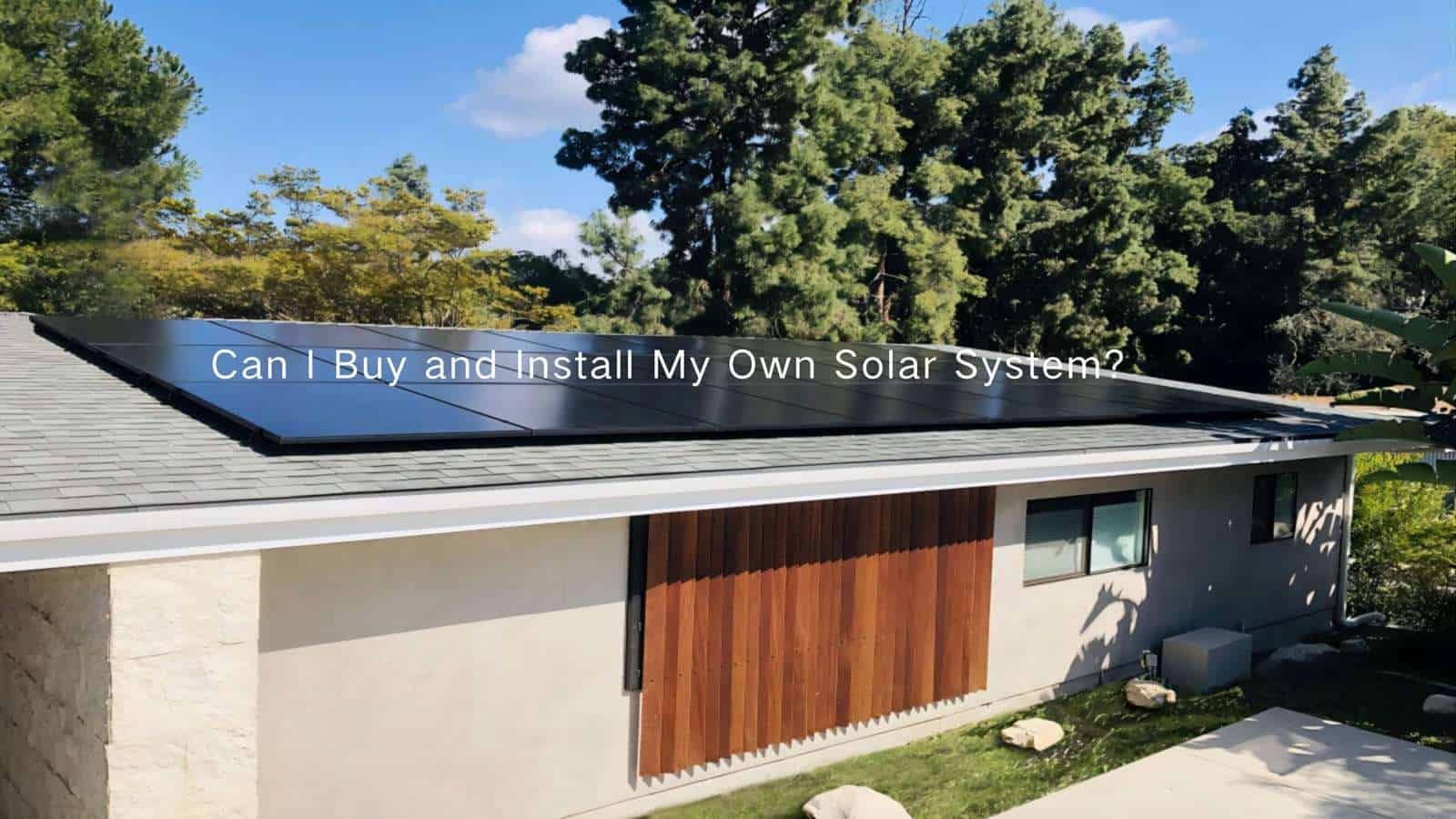
Are you thinking about going solar but worried about the high installation costs? You’re not alone. Many homeowners are asking themselves: “Can I install solar panels on my own?” The short answer is yes, you can – but there’s a lot to consider before grabbing your tools and climbing onto your roof.
Think of DIY solar installation like building a complex piece of furniture. While the basic concept might seem straightforward, the reality involves careful planning, specific tools, and technical know-how. Just as you wouldn’t build a kitchen cabinet without proper measurements and instructions, installing solar panels requires thorough preparation and understanding.
Understanding DIY Solar Installation
Before you dive into your solar project, let’s break down what you’re really getting into. Installing your own solar system isn’t just about mounting panels on your roof – it’s a project that requires careful planning and specific skills.
Is DIY Solar Right for You?
To determine if DIY solar installation is a good fit, ask yourself these questions:
- Are you comfortable working with electrical systems?
- Do you have experience with roofing or construction projects?
- Can you read and follow detailed technical diagrams?
- Are you willing to handle the permit process with your local authorities?
- Do you have the time to dedicate to this project?
Technical Knowledge Required
- Basic electrical concepts and wiring
- Roofing and structural principles
- Solar panel positioning and angle optimization
- Local building codes and regulations
- Safety protocols for working at heights
Legal and Safety Considerations
Important: Before starting any DIY solar installation, ensure you’ve checked all local regulations and obtained necessary permits.
- Obtain necessary permits from your city or county
- Check local regulations about DIY installations
- Verify your homeowner’s insurance coverage
- Ensure your roof can support the additional weight
- Plan for proper safety equipment and procedures
Essential Components and Requirements
Before you start your DIY solar journey, you’ll need to gather the right equipment and understand what goes into a complete solar system. Let’s break down the essential parts and requirements in simple terms.
Main Components of a Solar System
- Solar Panels: These capture sunlight and convert it to electricity
- Inverters: Convert DC power from panels to AC power for your home
- Mounting System: Securely attaches panels to your roof
- Electrical Wiring: Connects all components together
- Monitoring System: Tracks how much power you’re producing
Required Tools and Equipment
Here’s what you’ll need for the installation:
- Safety equipment (harness, ladder, gloves, goggles)
- Basic hand tools (wrenches, screwdrivers, drill)
- Electrical testing equipment
- Measuring tools
- Wire management tools
Safety First: Never work on electrical connections without proper knowledge and safety equipment. If you’re unsure about any step, consult a professional.
Permits and Paperwork
Before picking up any tools, you’ll need to handle some important paperwork:
- Building permits from your local government
- Electrical permits
- Utility company agreements
- HOA approval (if applicable)
- Insurance documentation
Pro Tip: Documentation Matters!
Keep copies of all permits and paperwork. You’ll need these for insurance purposes and if you ever sell your home. They’re also required for claiming tax incentives and rebates.
Time and Skill Requirements
A typical DIY solar installation takes about:
| Task | Estimated Time | Skill Level |
|---|---|---|
| Planning and Permits | 2-3 weeks | Basic |
| Installation | 3-7 days | Advanced |
| Inspection | 1-2 weeks | Professional |
Need Help Choosing the Right Components?
Our experts at Couleenergy can help you select the perfect solar system components for your needs. We offer:
- Free consultation
- Component selection guidance
- Installation support
Cost Analysis: How Much Can You Save?
One of the biggest reasons people consider DIY solar installation is to save money. Let’s look at the real numbers and break down exactly how much you could save by doing it yourself.
Potential Savings
Installing solar panels yourself can save between 27% to 50% of the total project cost. For an average 8 kW system, this could mean savings of around $7,000.
Cost Breakdown Example
| Cost Item | Professional Installation | DIY Installation |
|---|---|---|
| Equipment | $16,000 | $16,000 |
| Labor | $7,000 | $0 |
| Overhead | $3,000 | $0 |
| Total | $26,000 | $16,000 |
Hidden Costs to Consider
- Tools and Equipment: You might need to buy or rent special tools
- Permits and Inspections: These costs are the same whether you DIY or hire pros
- Your Time: Consider how many hours you’ll spend on the project
- Potential Mistakes: Fixing errors could add unexpected costs
Important Financial Considerations
Things That Might Affect Your Savings:
- Warranty coverage might be different with DIY installation
- Some rebates and incentives might require professional installation
- Insurance companies might have special requirements
- Future home sale value could be affected
Remember: The lowest cost option isn’t always the best value. Consider both short-term savings and long-term benefits when making your decision.
Equipment Cost Breakdown
| Component | Typical Cost Range |
|---|---|
| Solar Panels | $5,000 – $9,000 |
| Inverter | $1,000 – $2,500 |
| Mounting System | $1,000 – $2,000 |
| Wiring and Electronics | $500 – $1,000 |
Want to Calculate Your Potential Savings?
Get a detailed cost analysis for your specific situation. Our experts can help you compare DIY vs professional installation costs.
Installation Process: Step-by-Step Guide
Installing solar panels involves several key steps. Let’s walk through each part of the process so you know exactly what to expect.
Safety First: Never attempt any electrical work without proper knowledge and safety equipment. Working on roofs can be dangerous – always use appropriate safety gear and follow safety guidelines.
Before You Start
- Complete all paperwork and get necessary permits
- Order all equipment and confirm delivery
- Gather required tools and safety equipment
- Check weather forecast for installation days
- Arrange for help if needed – some tasks require two people
Installation Steps
1. Planning and Layout
Start by measuring and marking where everything will go:
- Mark roof areas for panel placement
- Plan wire routes
- Locate mounting points
2. Installing Mounting System
This is where you attach the base for your panels:
- Install roof attachments
- Add flashing to prevent leaks
- Secure mounting rails
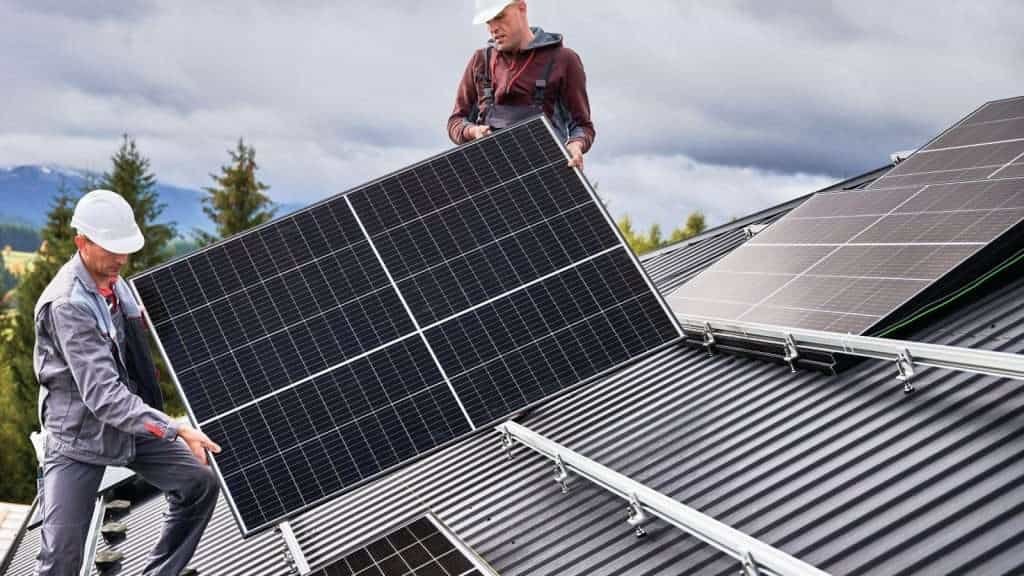
3. Panel Installation
Now it’s time to put up the actual panels:
- Lift panels carefully onto roof
- Attach panels to mounting rails
- Ensure proper spacing and alignment
4. Wiring and Electrical Work
Connect your system following the electrical plan:
- Connect panel wiring
- Install inverter
- Set up monitoring system
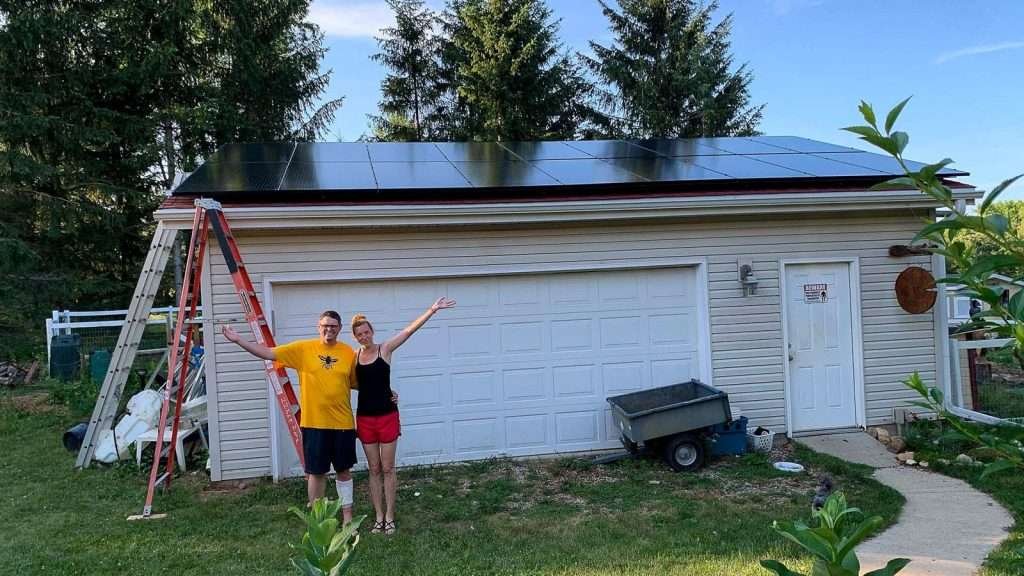
Common Challenges and Solutions
| Challenge | Solution |
|---|---|
| Uneven roof surface | Use adjustable mounting hardware to level panels |
| Complex wiring | Follow detailed wiring diagram and label all connections |
| Heavy panels | Use lifting equipment or get help from others |
| Weather delays | Plan installation during good weather and have backup dates |
Quality Control Checklist
- Check all mounting points are secure
- Verify all electrical connections
- Test system voltage and current
- Confirm monitoring system works
- Take photos of completed installation
- Schedule inspection with local authorities
Need Technical Support During Installation?
Our expert team is here to help if you run into any challenges during your DIY installation. Get professional guidance when you need it most.
Pros and Cons of DIY Solar Installation
Before you decide to install solar panels yourself, it’s important to understand both the benefits and challenges. Let’s look at what you should consider.
Advantages of DIY Installation
- Cost Savings: Save 27-50% on installation costs
- Learning Experience: Gain valuable knowledge about your solar system
- Complete Control: Manage every aspect of the project
- Flexibility: Work at your own pace
- Satisfaction: Pride in completing the project yourself
Challenges to Consider
- Safety Risks: Working at heights and with electricity
- Time Investment: Project can take several weeks
- Technical Knowledge: Need to learn complex systems
- Warranty Issues: Some warranties require professional installation
- Permit Complexity: Managing paperwork and inspections
Impact on Warranties
DIY installation might affect your equipment warranties and insurance coverage. Check with manufacturers and your insurance company before starting.
| Component | Professional Installation | DIY Installation |
|---|---|---|
| Solar Panels | 25-year warranty | May be limited |
| Inverter | 10-year warranty | May be limited |
| Workmanship | 2-10 year warranty | No warranty |
Impact on Incentives
Some financial benefits might be affected by DIY installation:
- Tax credits might still apply
- Some local rebates require professional installation
- Utility company incentives may have specific requirements
- Check all program rules before starting
Who Should Consider DIY Installation?
DIY solar installation might be right for you if you:
- Have experience with electrical work
- Are comfortable working on roofs
- Can dedicate several weeks to the project
- Want to learn about solar systems
- Are looking to save money on installation
Who Should Choose Professional Installation?
Professional installation might be better if you:
- Have limited technical experience
- Want full warranty coverage
- Need the installation done quickly
- Have a complex roof design
- Prefer peace of mind over cost savings
Not Sure Which Option Is Right for You?
Let our experts help you weigh the pros and cons for your specific situation. Get personalized advice based on your needs.
Alternative Options: Finding the Right Balance
Not sure about doing everything yourself? There are several ways to approach solar installation that fall between full DIY and complete professional installation. Let’s explore your options.
Hybrid Approach: The Best of Both Worlds
A hybrid approach lets you handle some parts while professionals take care of others. Here’s how you can split the work:
| You Can Handle | Let Professionals Do |
|---|---|
| System Design | Electrical Connections |
| Permit Paperwork | Roof Work |
| Equipment Selection | Final Inspections |
| Basic Maintenance | Critical Safety Work |
Professional Installation Benefits
- Expert Design: Optimized system layout for maximum efficiency
- Full Warranty Coverage: Maintain all manufacturer warranties
- Quick Installation: Usually completed in 3-5 days
- Proper Permits: Handle all paperwork and inspections
- Safety Assurance: Trained professionals handle dangerous work
Solar Kit Options
Pre-designed solar kits can make DIY installation easier. These kits include:
- Matched components that work together
- Detailed installation instructions
- All necessary mounting hardware
- Technical support from manufacturers
Solar kits are especially good for smaller projects like RVs, workshops, or off-grid systems where installation is simpler.
Cost Comparison of Different Options
| Approach | Cost Range | Time to Complete |
|---|---|---|
| Full DIY | $13,000 – $20,000 | 2-8 weeks |
| Hybrid Approach | $18,000 – $23,000 | 1-3 weeks |
| Professional | $26,000 – $30,000 | 3-5 days |
Making Your Decision
Consider these factors when choosing your approach:
- Your technical skills and experience
- Available time for the project
- Budget constraints
- Local regulations and requirements
- Importance of warranty coverage
Conclusion and Next Steps
Now that you understand what’s involved in DIY solar installation, let’s look at how to move forward with your solar project.
Key Takeaways
- Cost Savings: DIY installation can save 27-50% on project costs
- Time Investment: Expect 2-8 weeks for complete DIY installation
- Skills Needed: Electrical and roofing experience is important
- Safety Considerations: Proper equipment and knowledge are essential
- Alternative Options: Hybrid and professional installations are available
Your Decision Checklist
Ask yourself these questions before making your final decision:
| Question | If Yes | If No |
|---|---|---|
| Do you have technical experience? | DIY might work | Consider professional help |
| Is saving money your top priority? | DIY is good option | Professional might be better |
| Do you have 2-8 weeks available? | DIY is possible | Choose professional installation |
| Are you comfortable with heights? | DIY can work | Professional is safer |
Next Steps for DIY Installation
- Research local regulations and permit requirements
- Calculate your energy needs
- Get multiple quotes for equipment
- Create a detailed project timeline
- Order equipment and tools
- Schedule inspections
Next Steps for Professional Installation
- Get quotes from several installers
- Check installer certifications
- Review warranty options
- Compare financing choices
- Schedule site assessments
Pro Tip: Whatever option you choose, take time to understand your system. This knowledge will help you maintain it properly and get the most from your investment.
Get Expert Support
Couleenergy offers several ways to help with your solar journey:
- Free consultation and system sizing
- High-quality solar equipment
- Technical support for DIY installers
- Professional installation services
- Hybrid installation options
Ready to Start Your Solar Journey?
Contact our team to discuss your solar installation options and get personalized advice for your situation.
Contact Us:
- 📧 Email: info@couleenergy.com
- 📞 Phone: +1 737 702 0119



 English
  Español
  Français
  Deutsch
  Русский
  العربية