

Shopping for solar panels can feel overwhelming, especially when you see all those technical numbers and ratings. What exactly do “400W” and “25°C STC” mean for your home? And why do solar panels seem to produce less power than advertised? Don’t worry – we’ll break down everything about solar panel testing in simple terms, so you can make smart decisions for your home’s energy future.
Understanding Solar Panel Ratings: The Complete Picture
Think of Standard Test Conditions (STC) like a perfect day created in a laboratory. It’s similar to how car manufacturers test fuel efficiency on a perfect track – your real-world results will be different. Let’s dive into what these perfect conditions look like and how they compare to your actual rooftop.
| Test Condition | Lab Setting | Real Life | What This Means for You | Impact on Power |
|---|---|---|---|---|
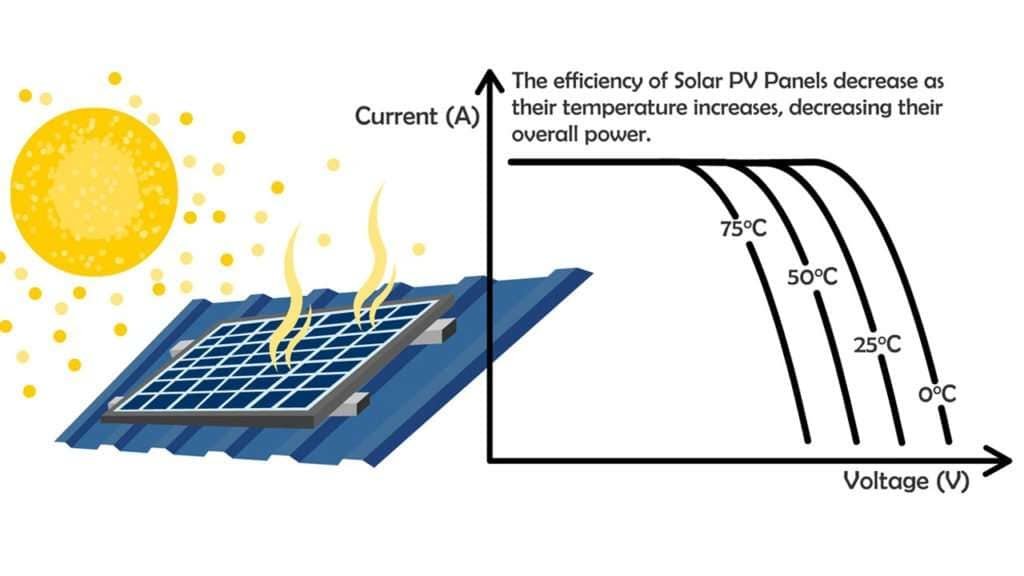
| Temperature | 77°F (25°C) | 120-167°F (49-75°C) | Panels run much hotter than tested | 10-25% less power |
| Sunlight | 1000 W/m² | 200-1200 W/m² | Light varies throughout day | 20-80% variation |
| Air Quality | Perfect (AM1.5) | Varies by location | Dust and humidity affect performance | 5-15% reduction |
| Panel Cleanliness | Perfectly clean | Some dust/dirt | Regular cleaning needed | 3-10% loss when dirty |

Temperature: The Hidden Power Thief
Most people think hotter days mean more solar power, but the opposite is true! Solar panels are like computers – they slow down when they get hot. Let’s break down exactly how temperature affects your panels throughout a typical day:
- Early Morning (6-8 AM): Panels are cool and efficient, but less sunlight available
- Panel temperature: 70-80°F
- Efficiency: Near maximum
- Power output: Low due to weak sun
- Mid-Morning (9-11 AM): Best performance time
- Panel temperature: 90-100°F
- Efficiency: Still good
- Power output: Strong and efficient
- Noon to 2 PM: Most sunlight but reduced efficiency
- Panel temperature: 140-167°F
- Efficiency: Reduced by 15-25%
- Power output: High despite efficiency loss
- Late Afternoon (3-5 PM): Cooling down but less sun
- Panel temperature: 100-130°F
- Efficiency: Improving as panels cool
- Power output: Moderate and declining
“Many homeowners are surprised to learn their panels produce more power on a cool, bright spring day than during a scorching summer afternoon. Understanding this helps you set realistic expectations for your system’s performance throughout the year.”
– Mike Thompson, Solar Installation Expert with 15 years experience

Sunlight Through the Seasons: A Year in the Life
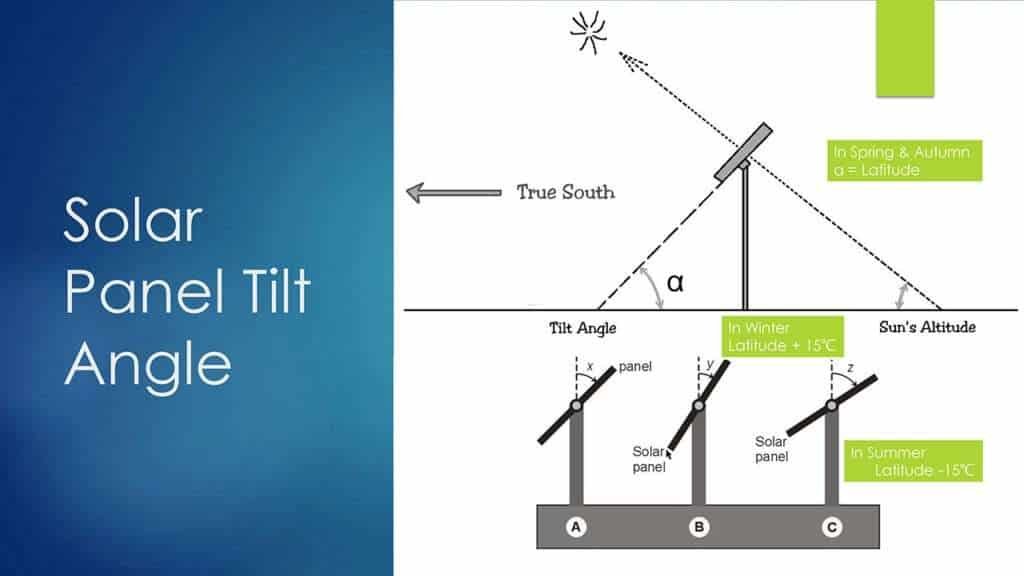
Your panels’ power output varies dramatically throughout the year. Here’s what to expect in each season:
- Summer:
- Longest days mean more total energy
- High temperatures reduce efficiency
- Early morning and evening production is strong
- Expect 70-80% of rated power due to heat
- Fall/Spring:
- Often the best performance seasons
- Moderate temperatures improve efficiency
- Clear skies provide good sunlight
- Expect 80-90% of rated power
- Winter:
- Shorter days mean less total energy
- Cold temperatures improve efficiency
- Snow reflection can boost performance
- Expect 60-70% of rated power due to less sunlight
Real Numbers: What Power to Expect
Let’s break down real-world performance for a typical 400-watt panel throughout different conditions:
| Condition | Power Output | Why This Happens | When to Expect It |
|---|---|---|---|
| Perfect Spring Day | 340-360W | Cool temp, bright sun | March-May mornings |
| Hot Summer Noon | 280-320W | Heat reduces efficiency | June-August midday |
| Cool Winter Sun | 300-340W | Good efficiency, less sun | Dec-Feb midday |
| Cloudy Day | 80-200W | Limited sunlight | Any season |
| Dawn/Dusk | 40-120W | Very low sun angle | Daily |
Maximizing Your Solar Investment
While you can’t control the weather, you can take steps to get the most from your panels:
- Panel Maintenance:
- Clean panels every 3-4 months
- Remove leaves and debris monthly
- Check for shade from growing trees
- Inspect for physical damage quarterly
- Temperature Management:
- Ensure 4-6 inches of air space under panels
- Consider light-colored roofing to reduce heat
- Keep attic well-ventilated
- Monitor panel temperatures with thermal sensors
- Performance Tracking:
- Install a monitoring system
- Check daily output patterns
- Compare performance across seasons
- Document maintenance and cleaning
Take Action Today
Now that you understand how solar panels really work in different conditions, you can make an informed decision about your solar investment. Ready to see what solar can do for your specific location and energy needs?


 English
  Español
  Français
  Deutsch
  Русский
  العربية