
Гибкие солнечные панели · Эксплуатационные характеристики в полевых условиях
Краткий ответ: Ваша гибкая солнечная панель не выдает заявленную мощность, потому что это лабораторный результат, а не гарантия, действующая в полевых условиях. Ваша 200-ваттная гибкая панель почти никогда не покажет 200 Вт на крыше или террасе, потому что солнечный свет, тепло, угол установки, тень, проводка и контроллер заряда — все это влияет на мощность. На панели, плотно приклеенной к поверхности, наибольшее влияние оказывает тепло. В полдень 70–80% от заявленной мощности — это нормальный показатель. Показатель ниже 50% на прямом солнце обычно означает устранимую проблему в системе — иногда, повреждение панели.
Часть 1 — Проблема
На этикетке указано 200 Вт. Ваш измерительный прибор показывает 145 Вт.
Мы получаем это сообщение каждую неделю — от владельцев автодомов, лодок, производителей фургонов и инженеров OEM-производителей. Панель выглядит идеально. Небо чистое. Показания на контроллере по-прежнему разочаровывают, и первое подозрение всегда одно и то же: панель, должно быть, поддельная или неисправная.
Обычно это не так.
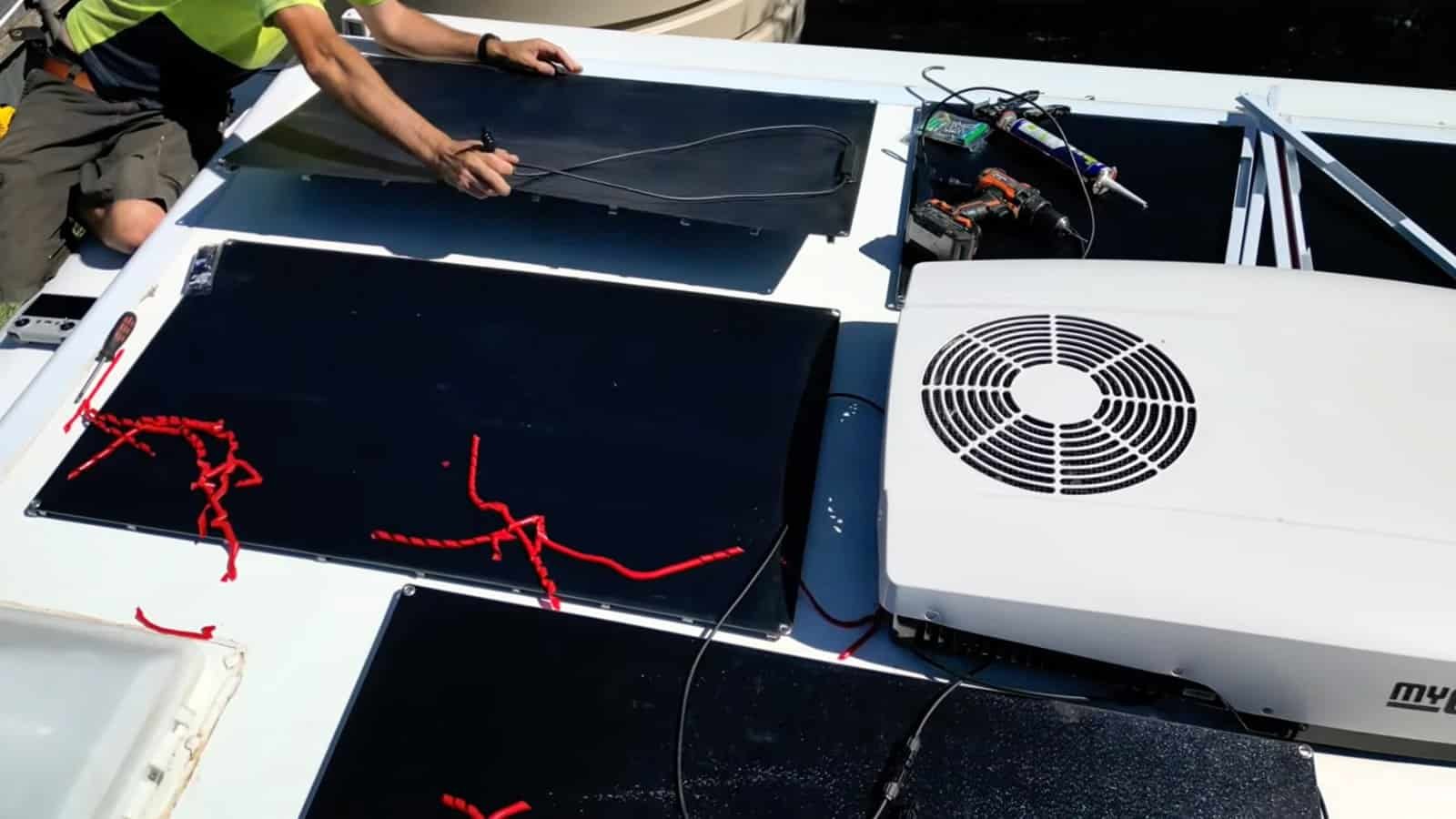
Каждый Солнечные панели, как стеклянные, так и гибкие, показывают на практике меньшее количество солнечной энергии, чем заявлено производителем. Гибкие модули отличаются тем, что этот недостаток проявляется более наглядно, и это объясняется тремя взаимосвязанными причинами. Во-первых, они располагаются плоско, поэтому большую часть дня находятся под углом к солнцу. Во-вторых, они приклеены к поверхности, поэтому теплу некуда деваться. И, в-третьих, они обычно питают небольшие 12-вольтовые системы, где контроллер и батарея начинают ограничивать мощность задолго до того, как это сделает солнце.
Поэтому важный вопрос не в том, сломана ли панель. А в другом: какой размер потерь считается нормальным, и какую часть можно восстановить? В этом руководстве даются ответы на оба вопроса с указанием необходимых вычислений.
Часть 2 — Основные выводы
Куда на самом деле уходят недостающие ватты: девять причин низкой эффективности гибких солнечных панелей.
1. Рейтинг — это лабораторное испытание, а не гарантия на практике.
Каждый модуль протестирован в стандартных условиях: световой поток 1000 Вт/м², температура 25 °C. клетка температура и эталонный спектр AM1.5G, определенный в IEC 60904-3.
Обратите внимание, речь идёт о температуре ячейки, а не о температуре воздуха. Под прямыми солнечными лучами панель без труда нагревается до 55 °C, а панель, склеенная между собой, может нагреться до гораздо более высокой температуры.
Стандарт STC существует для того, чтобы покупатели могли сравнивать модули на равных условиях. Он никогда не предназначался для описания того, что поступает в вашу батарею.
Серьезные инструменты моделирования сразу же учитывают потери. Модель PVWatts от NREL по умолчанию учитывает потери системы в 14%, добавляя их к своей модели погодных условий. Эти потери рассчитываются исходя из следующих параметров: загрязнение 2%, затенение 3%, несоответствие 2%, проводка 2%, соединения 0,5%, деградация, вызванная светом, 1,5%, допуск по номинальной мощности 1% и доступность 3% — они суммируются, а не складываются. Полный набор параметров опубликован в описании модели. технический справочник; Сам инструмент находится по адресу: pvwatts.nrel.gov.
Учтите, что означают эти стандартные характеристики: чистые, качественно изготовленные, профессионально установленные системы на крыше. Для автомобиля или лодки условия гораздо сложнее.
2. Теплопотери: самая большая единовременная потеря тепла в гибкой панели, склеенной между собой.
Кремниевые элементы теряют напряжение при нагревании, и в вашем техническом описании указана точная скорость этого процесса: температурный коэффициент Pmax. В настоящее время стандартные n-модули демонстрируют значения около −0,29 %/°C, а премиальные модули с задним контактом немного лучше; показатели модулей эпохи PERC были ближе к −0,35–0,40 %/°C. Пример технического описания n-типа.
Возьмите −0,29 %/°C и примените это к панели мощностью 200 Вт. Это происходит только за счет тепла:
| Температура клетки | Доступная мощность | Доля этикетки |
|---|---|---|
| 25 °C (STC) | 200 Вт | 100% |
| 45 °C | 188 Вт | 94% |
| 55 °C | 183 З | 91% |
| 65 °C | 177 З | 88% |
| 75 °C | 171 З | 86% |
| 85 °C | 165 Вт | 83% |
Пока все довольно обыденно. Далее речь пойдет о гибких модулях, и их размеры окажутся больше, чем ожидает большинство покупателей.
В модели производительности массива Sandia Array Performance Model приводятся различные тепловые коэффициенты для разных типов монтажа, полученные на основе измерений оборудования. Два из них здесь имеют значение. “Открытая стойка” описывает свободное пространство за модулем; “Термин ”изолированная задняя стенка» означает полное отсутствие воздушного потока, достигающего задней поверхности. — это тип модуля, используемый для модульных конструкций и для модулей, уложенных плашмя на поверхность. Гибкая панель, склеенная между собой, относится ко второй колонке. Коэффициенты здесь; определения параметров монтажа изложены в реализация pvlib.
При одинаковых погодных условиях в обоих случаях — 1000 Вт/м², температура окружающей среды 30 °C, скорость ветра 1 м/с — две колонки резко расходятся:
| Монтаж | Смоделированная температура клетки | Потери мощности из-за нагрева по сравнению с контрольными условиями. |
|---|---|---|
| Открытая стойка, воздух сзади | около 59 °C | около 10% |
| Изолированная задняя стенка, приклеенная плоско. | около 88 °C | около 18% |
Грубо На 28 °C выше температура, и примерно на 81 ТТ3Т больше потребляемой мощности. — исключительно за счет способа крепления, без каких-либо изменений в самих ячейках. Одно замечание, прямо скажем: ближайший опубликованный случай в этом наборе данных — это модуль из стекла, ячеек и полимерного листа, поэтому мы используем его как наиболее близкую доступную замену гибкому ламинату, а не как точное соответствие. Направление и порядок величин совпадают; десятичные знаки — нет.
Инженеры Victron приходят к тому же выводу, но с другой стороны. В их технической статье коэффициент тепловых потерь для отдельно стоящей батареи составляет около 20 Вт/м²·К, тогда как для батареи с полностью изолированной задней панелью он составляет примерно 10. Это вдвое меньшее охлаждение. Они также отмечают, что температура ячеек за полностью изолированной задней панелью может регулярно превышать 100 °C. См. статью компании Victron..
Одна ловушка ловит почти всех. Показатели NOCT и NMOT измеряются с помощью модуля. задняя сторона открыта к движущемуся воздуху. Что бы ни говорили эти цифры, они не описывают панель, приклеенную к крыше.
3. Плоское крепление отводит прямые солнечные лучи.
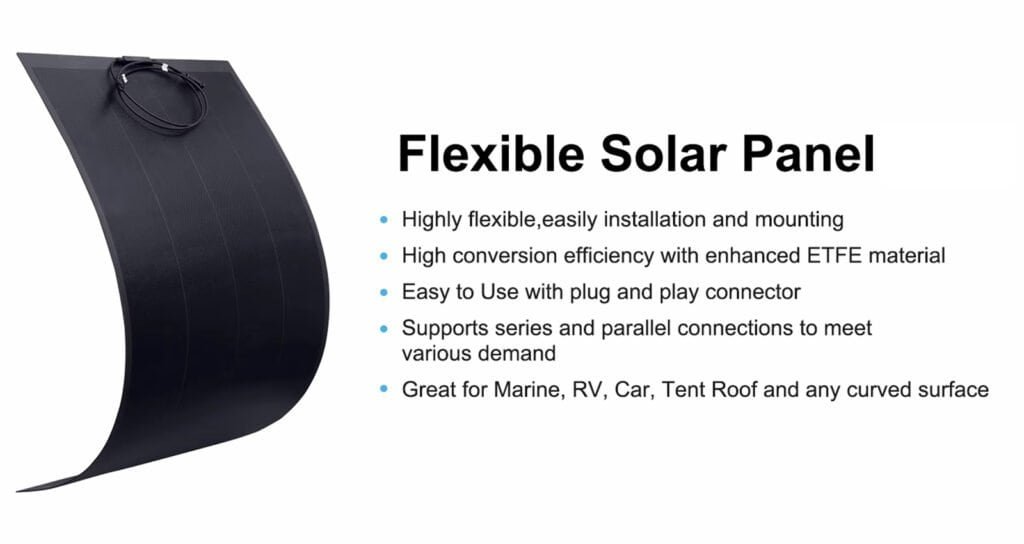
Солнечная панель работает наилучшим образом, когда на нее падает прямой солнечный свет, а плоская кровельная панель получает такой свет максимум несколько минут в год. прямой луч, Полезная доля отслеживает синус высоты солнца над горизонтом.
| Высота Солнца над горизонтом | Прямой луч, захваченный плоской панелью. |
|---|---|
| 80° (полдень летом) | 99% |
| 60° | 87% |
| 45° | 71% |
| 30° | 50% |
| 20° (зима, начало, конец) | 34% |
Рассматривайте этот график скорее как ориентир, чем как окончательный вердикт. Плоская панель также собирает рассеянный свет со всего небесного свода, и горизонтальная поверхность видит большую его часть, чем наклонная. Поэтому реальные потери при низких углах наклона солнца оказываются менее значительными, чем предполагает график светового потока, особенно в условиях дымки и облачности.
Форма кривой по-прежнему определяет ваш день. Ваша панель выглядит великолепно в час дня в июле и уныло в 9 утра в ноябре, и изменилась только геометрия.
Вот почему пиковые часы солнечного света важнее, чем пиковая мощность в ваттах. Панель, удерживающая 85% от заявленной мощности в течение двух часов, превзойдет панель, которая удерживает 95% в течение двадцати минут.
4. Маленькие тени наносят гораздо больший вред, чем люди ожидают.
Затенение одной ячейки не приведет к потере энергии, эквивалентной энергии этой ячейки. В последовательной цепи затененная ячейка ограничивает ток для всего, что подключено к ней, поэтому вентиляционная труба, перила, антенна, фал или даже птичий помет могут снизить мощность всей панели.
В данном случае элементы с обратным контактом действительно помогают — в пределах, которые мы предпочитаем обозначить, а не размывать. В исследовании, проведенном TÜV NORD и опубликованном в журнале pv magazine, модули с обратным контактом показали преимущество перед модулями TOPCon, в то время как три или менее клеток Они были затенены в разных подстроках. После примерно четырех ячеек преимущество исчезло, и обе технологии потеряли примерно половину своей мощности. Ознакомьтесь с кратким изложением исследования..
Обратите внимание, что это за доказательства: исследование с использованием двухдиодного моделирования, а не полевые испытания. Оно обозначает границу; оно не гарантирует урожайность.
Отсюда и наше внутреннее правило, которое вы можете с удовольствием соблюдать:
Если препятствие заключается в меньший В отличие от панелей — труб, тарелок, рельсов, листьев — за элементы с задним контактом стоит платить больше.
Если препятствие заключается в больший Ни одна сотовая технология не спасет вас от воздействия солнечных панелей — будь то кабина, парус или соседняя стена. Переместите панель.
5. Ваш контроллер заряда может ограничивать заряд панели: ШИМ или MPPT
А ШИМ Контроллер по сути является переключателем: замкните его, и напряжение на панели снизится до уровня батареи плюс примерно полвольта. MPPT Контроллер представляет собой преобразователь постоянного тока, поэтому он может поддерживать максимальную мощность панели и преобразовывать избыточное напряжение в дополнительный зарядный ток.
Компания Victron полностью реализовала классический вариант. Панель мощностью 100 Вт, состоящая из 36 ячеек и имеющая максимальное напряжение питания 18 В, заряжает батарею 13 В при температуре 25 °C и выдает около 81 Вт при использовании ШИМ-управления. 19% меньше чем MPPT получает от той же панели при том же освещении.
Вот та часть, которую почти в каждой статье на эту тему упускают из виду. Этот зазор сужается по мере нагревания панели. При температуре 75 °C напряжение Vmp приближается к напряжению батареи, и оба типа контроллеров выравниваются; Victron обеспечивает соответствие ШИМ-контроллера MPPT с точностью до 10% в диапазоне температур примерно 45–75 °C при нормальном напряжении заряда. Ирония, но факт: чем выше температура вашей подключенной панели, тем дешевле вам обходится ШИМ-контроллер, потому что тепло уже отняло напряжение, которое мог бы получить MPPT-контроллер.
Таким образом, ШИМ-модуляция сама по себе не является катастрофой. Она становится таковой, когда:
- Напряжение Vmp значительно превышает напряжение батареи, что характерно для современных панелей с большим количеством элементов, соединенных последовательно;
- Панель работает отлично — именно тогда, когда хороший модуль проявляет себя наилучшим образом;
- Свет слабый, поскольку Vmp падает при низкой интенсивности излучения, и MPPT отдаляется;
- Присутствует затенение, что приводит к падению напряжения на массиве;
- или температура элемента поднимается настолько высоко, что панель с номинальным напряжением 12 В в режиме ШИМ никогда не достигает напряжения поглощения, и батарея просто никогда не заряжается.
Прежде чем винить модуль, проведите собственные расчеты. Напряжение на пике мощности около 18 В на раскаленной крыше? ШИМ-управление обходится очень недорого. Напряжение на пике мощности 20 В или более прохладным утром? Ожидайте потери в размере 20–301 ТВт·ч.
6. Полностью заряженная батарея отказывается выдавать питание.
Контроллеры заряда работают поэтапно. На этапе "большого заряда" подается максимальный ток до тех пор, пока батарея не достигнет примерно 80–901 Тл. тока; затем на этапе "абсорбционного заряда" напряжение остается стабильным. сужает ток; Функция float дополнительно корректирует положение батареи, когда она находится вблизи отметки 98%. Компания Morningstar описывает эти этапы здесь..
Если проводить проверку в 14:00 при полностью заряженном аккумуляторе, вы измеряете потребление заряда аккумулятором, а не работоспособность панели. Панель может быть безупречной, но индикатор все равно покажет низкий уровень заряда.
Вместо этого проведите тестирование при уровне заряда 40–60% или при работающей реальной нагрузке.
7. Кабели, обжимные муфты и точка измерения.
В низковольтных системах работают высокие токи, а высокие токи не прощают ошибок тонкому кабелю. Длинные участки, провод недостаточного сечения, некачественная обжимка, использование разъемов разных производителей и коррозия клемм — все это снижает напряжение в цепи еще до того, как оно достигнет батареи. Нагретый на ощупь кабель — это кабель, который потребляет ватты.
Проверьте также, откуда берется ваше число. Показатель, отображаемый на батарее, уже прошел через контроллер и проводку — это не выходное постоянное напряжение панели, и сравнение его с техническими характеристиками — это сравнение двух разных вещей.
8. Загрязнения имеют большее значение на плоской панели.
Практически во всех опубликованных исследованиях загрязнения рассматривались наклонные стеклянные модули на стеллажах. Гибкие панели работают при угле наклона 0–10°, что как раз и является «слепым пятном» в этой литературе.
Наклон стекла позволяет дождю смывать пыль с поверхности. На почти плоской панели вместо этого остается пылевая пленка, и обычно вдоль нижнего края также образуется полоса грязи.
Исследование, проведенное в Университете штата Аризона, измерило это напрямую, используя два набора мини-модулей, удерживаемых под девятью углами наклона в течение трех месяцев. Модули под углом 0° теряли около 2,021 TP3T из-за загрязнения, по сравнению с примерно 1,051 TP3T при 23° и 0,961 TP3T при 33°. Ознакомьтесь с исследованием.. Это данные для умеренного сезона и достаточно дождливого климата; в пыльных регионах, где дожди длятся месяцами, потери от стационарной установки намного, намного выше.
9. Иногда члены комиссии действительно страдают.
Гибкие ламинаты разрушаются так, как не могут разрушаться стеклянные модули.
- Изгиб, превышающий допустимый радиус, приводит к растрескиванию клеток.
- Повторные изгибы приводят к усталости межклеточных волокон.
- Нахождение на панели над жестким выступом создает точечную нагрузку.
- Недорогие ПЭТ-пленки для лицевой стороны желтеют и мутнеют после нескольких сезонов на открытом воздухе.
- Попадание воды в поврежденный край вызывает коррозию межсоединений.
Трещины в клетках сигнализируют о необратимой потере солнечного света, которая никогда не восстановится, как бы прохладно ни было утром. Именно на этот признак следует обращать внимание.
Материалы обеспечивают вам прибыль. Полиэтилентерефталат (ETFE) класса PV обладает высокой светопроницаемостью и гораздо лучше выдерживает воздействие внешней среды, чем бюджетный ПЭТ — мы сравнили эти два материала. слой за слоем здесь. Компания AGC заявляет, что её плёнка обладает светопропусканием выше 90%, что подтверждается 16 000 часами ускоренного атмосферного воздействия. См. данные пленки AGC.. Это защищает только переднюю панель и ничего больше. Это не спасет элемент питания, который вы слишком сильно согнули.
Единственная формула, объясняющая ваше чтение.
Возьмите метку и умножьте её на каждое реальное условие по очереди:
Ожидаемая мощность ≈ Номинальная мощность × (интенсивность излучения ÷ 1000) × температурный фактор × фактор загрязнения × фактор проводки
Теперь посмотрим, чего стоит одно конструктивное решение. Та же панель мощностью 200 Вт, тот же ясный летний день, 900 Вт/м² в плоскости панели, температура окружающей среды 30 °C, легкий ветерок. Единственное, что мы меняем, это способ крепления.
| Шаг | Плоский клеевой слой (с изолированной задней стороной) | На вентилируемой проставке (открытая стойка) |
|---|---|---|
| Номинальная мощность | 200 Вт | 200 Вт |
| × 0,90 для 900 Вт/м² | 180 Вт | 180 Вт |
| Смоделированная температура клетки | ~82 °C | ~56 °C |
| × температурный коэффициент при −0,29 %/°C | 150 Вт | 164 Вт |
| × 0,97 легкое загрязнение | 146 Вт | 159 З |
| × 0,97 проводка и несоответствие | 141 З | 154 Вт |
| Доля этикетки | 71% | 77% |
Оба показателя в норме, и ни одна из панелей не неисправна. Разница в 13 Вт — это просто разница в воздушном потоке, которую вы учли или не учли при проектировании — решение, принятое один раз при установке, которое затем повторяется каждый солнечный день на протяжении десяти лет.
Если поставить перед каждой из колонн неподходящий ШИМ-контроллер прохладным утром, можно потерять еще пятую часть. Та же панель, то же солнце; другая конструкция системы.
Не уверены, какой именно случай потери относится к вам?
Пришлите нам модель панели, тип вашего контроллера и фотографию установки, и мы сообщим вам, являются ли полученные вами показания нормальными.
Поговорите со специалистом по солнечной энергетике »Часть 3 — Решения
Как восстановить вывод изображения с гибкой панели
Диагностика, занимающая 30 минут, которую вы можете провести уже сегодня.
- Выберите подходящий момент. Ясное небо, солнце высоко, заряд батареи 40–60%.
- Измерьте напряжение холостого хода (Voc). Проверьте напряжение на клеммах панели при отключенном контроллере, затем сравните с данными в технической документации. На нагревающейся панели напряжение холостого хода должно немного колебаться. ниже Напечатанное значение примерно на 0,25% ниже на каждый °C выше 25 °C.
- Безопасное измерение рабочего тока. Для этого идеально подойдут клещевые амперметры с диапазоном измерения постоянного тока. Большинство портативных мультиметров имеют предохранитель на 10 А и не предназначены для замыкания накоротко большой распределительный щит, поэтому, пожалуйста, не импровизируйте. Если вы проводите проверку на короткое замыкание с помощью оборудования, соответствующего номинальным параметрам, замыкайте и размыкайте соединение непосредственно на щите — никогда не под нагрузкой.
- Считайте показания входного сигнала PV контроллера. — Вольты и амперы указываются со стороны панели, а не со стороны батареи.
- Прикоснитесь к задней стороне панели. и поверхность под ним. Слишком высокая температура, чтобы её удерживать, означает, что основной причиной потери тепла является именно тепло.
- Прогуляйтесь вокруг панели в три раза в день. и отмечайте каждую тень, которая пересекает его.
- Потрогайте кабели При полном токе. Нагрев кабеля приводит к падению напряжения.
Ознакомление с результатами
| То, что вы видите | Вероятная причина |
|---|---|
| Voc в норме, ток в норме, мощность низкая | Тип контроллера, полностью заряженная батарея или проводка. |
| Уровень летучих органических соединений в норме, текущий низкий, нет тени. | Загрязнение или повреждение клеток |
| Содержание летучих органических соединений значительно ниже указанного в техническом описании значения. | Обрыв цепи, неисправный обходной диод или внутреннее повреждение |
| Хорошо в холодном состоянии, плохо в горячем. | Тепло, удерживаемое под панелью |
| Падения длятся месяцами, и восстановиться так и не удаётся. | Трещины, расслоение или старение лицевого листа. |
Ремонтные работы, в порядке убывания эффективности.
1. Обеспечьте хорошую вентиляцию панели. Это самое большое преимущество, которое можно получить при монтаже с использованием клеевого соединения, и оно достигается за счет правильного выполнения работы. Герметичный зазор сам по себе мало что дает, потому что неподвижный воздух под панелью нагревается до температуры панели, а затем перестает передавать тепло — компания Victron как раз это и подчеркивает. Откройте торцы, обеспечьте поперечный поток воздуха и используйте прокладки, гофрированный слой или легкую раму вместо закрытой полости.
2. Соедините контроллер с панелью. Сравнивайте напряжение Vmp с напряжением батареи в диапазоне температур, в котором вы фактически работаете, а не только при стандартных условиях эксплуатации. В условиях низких температур, когда напряжение Vmp остается значительно выше напряжения батареи, MPPT обеспечивает большую отдачу на единицу затраченных усилий, чем любой другой инструмент из этого списка.
3. Перед покупкой дополнительных панелей почините проводку. Более короткие участки, более толстый кабель, качественная обжимка, один и тот же производитель разъемов по всей длине.
4. Убирайтесь по расписанию, а не по наитию. Плоские панели нуждаются в этом чаще, чем наклонные. Сначала промойте, затем протрите мягкой тканью и ни в коем случае не соскребайте полимерную лицевую панель.
5. Перепланируйте тени. Переместите панель или разделите массив на два меньших модуля с отдельными входами MPPT, чтобы одна тень не могла потянуть за собой всю систему.
6. Увеличьте площадь, а не оптимизм. Когда вам нужно больше полезной энергии, большая и удачно расположенная площадь панели лучше, чем большее число, указанное на этикетке.
Что нужно указать при покупке следующей панели?
Эта таблица сэкономит покупателям, дистрибьюторам и установщикам год переговоров по гарантии. Запрашивайте всю информацию до оформления заказа, а не после возникновения претензии.
| Спросите | Почему это важно |
|---|---|
| Температурный коэффициент Pmax | Устанавливает реальную мощность нагрева крыши. |
| Ватт на квадратный метр всего модуля | Единственный справедливый способ сравнить форматы. |
| Минимальный радиус изгиба в мм и ось изгиба. | Заявление о "гибкости на 240°" — это маркетинговый ход, а не техническая характеристика. |
| Допустимо ли многократное сгибание и в течение какого количества циклов? | Изгиб, произведенный при монтаже, не считается изгибом в процессе эксплуатации. |
| Материал, сорт и толщина лицевого листа | ETFE и PET стареют по-разному. |
| Количество и расположение шунтирующих диодов | Определяет, во сколько вам обойдется маленькая тень. |
| Vmp и Voc в сравнении с вашим контроллером и климат-контролем. | Показывает, является ли ШИМ-управление целесообразным или неэффективным. |
| Допуск по мощности | Сортировка только по положительным признакам означает, что мощность при импульсном тестировании равна или превышает номинальную, в пределах погрешности измерений. |
| Результаты испытаний на изгиб и механическую нагрузку | В редакцию IEC 61215 2021 года были добавлены методы испытаний гибких модулей, включая испытание на изгиб MQT 22. |
| Утвержденные методы монтажа | Использование только клея, прокладок или рамок влияет как на производительность, так и на срок службы. |
Прежде чем полагаться на сертификат, стоит прочитать две строки из этого стандарта. В IEC 61215-1 указано, что результаты испытаний не следует рассматривать как количественное прогнозирование срока службы модуля, и его область применения явно исключает приложения, не являющиеся долгосрочными — в качестве примера можно привести гибкие модули, установленные в навесах или тентах. См. опубликованную область применения.. В случае мобильных и временных установок, включите свои требования в договор, вместо того чтобы предполагать, что сертификат уже их покрывает.
Где находится Couleenergy
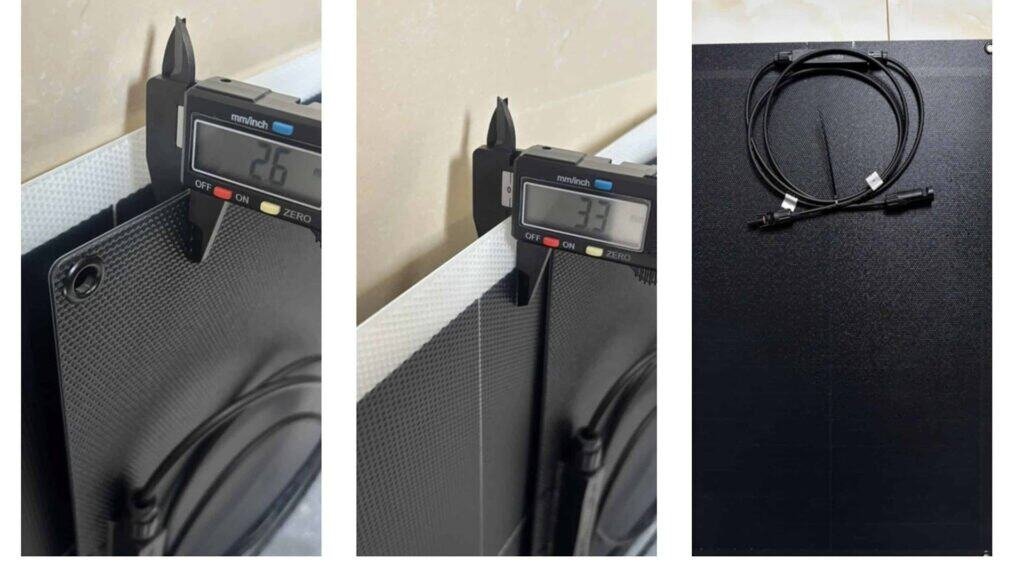
Мы производим гибкие модули с тыльным контактом из ETFE, и нам больше нравится описывать их так, как это сделал бы инженер, чем так, как это делается в брошюре.
В ячейках с тыльным контактом металлические контакты перемещаются на заднюю сторону ячейки, что освобождает площадь передней поверхности и позволяет разместить больше ватт в том же корпусе. На крыше автодома, палубе яхты или панели автомобиля именно этот корпус почти всегда является ограничивающим фактором, а не используемая в нем технология ячеек.
Затем лицевая панель из высококачественного ETFE-материала гораздо лучше противостоит ультрафиолетовому излучению, соли и чистящим средствам, чем бюджетная пленка. Кроме того, наша программа позволяет задать контур, напряжение, выход кабеля и способ крепления, так что модуль будет подстраиваться под поверхность, а не поверхность будет «подстраиваться» под модуль.
Напряжение, в частности, — это деталь, которую нельзя оставлять на волю случая. Оно определяет, сможет ли ваш контроллер работать с максимальной эффективностью в том диапазоне температур, в котором вы действительно работаете, и определяет сечение кабеля. Оба параметра напрямую влияют на ваше ежедневное потребление электроэнергии в ватт-часах.
И вот что мы сделаем нет требовать.
Мы не будем вам говорить, что панель с задним контактом из ETFE достигает номинальной мощности на раскаленной крыше. Этого не произойдет. Ничто не произойдет.
Мы не будем утверждать, что ячейки с обратным контактом не обеспечивают затенения. Они помогают при создании мелких теней, но проигрывают при создании крупных.
И мы не будем вам говорить, что гибкая панель, плотно приклеенная к темной поверхности, охлаждается. Продумайте вентиляцию или смиритесь с потерями.
Мы разработаем модуль, способ крепления, напряжение и схему расположения диодов как единую систему — потому что именно они в совокупности определяют вашу выработку энергии.
Часто задаваемые вопросы о выходной мощности гибких солнечных панелей.
Является ли номинальная мощность 70–80% нормальной?
Да — в полдень, в ясный день, при наличии хорошо сконструированной системы. При температуре ниже 50% и прямом солнечном свете выполните диагностику, описанную выше.
Почему моя панель работает лучше зимой?
Холодные элементы вырабатывают больше энергии. При условии, что солнце на вашей широте поднимается достаточно высоко, в ясный зимний день энергия может действительно превзойти энергию жаркого летнего дня.
Следует ли сравнивать солнечные панели по мощности в ваттах или по мощности на квадратный метр?
Мощность измеряется в ваттах на квадратный метр всего модуля, включая окантовку. Две панели с маркировкой “200 Вт” могут потреблять совершенно разное количество энергии на крыше.
Всегда ли ШИМ — неправильный выбор?
Нет. На сильно нагревающейся панели с напряжением Vmp около 18 В затраты минимальны. На более холодной панели с более высоким напряжением Vmp или при слабом освещении MPPT явно выигрывает, и модернизация оправдывает себя.
Изнашивается ли гибкая панель быстрее, чем стеклянная?
Это может произойти из-за приклеивания к горячей поверхности, слишком сильного изгиба или использования дешевого лицевого листа. Качественные материалы, настоящая вентиляция и правильный радиус изгиба существенно меняют этот результат.
В прошлом году мои анализы были в норме, а сейчас стали слабыми. Что изменилось?
Обратите внимание на трещины, пожелтение, повреждение края, попадание воды или коррозию разъема. Потеря качества, сохраняющаяся даже в прохладный, ясный день и не восстанавливающаяся, обычно указывает на повреждение элемента или межсоединения.
Получите прямой ответ
Поговорите с инженером, а не со спецификацией.
Мы изготавливаем гибкие модули с тыльным контактом из ETFE на заказ — с учетом ваших параметров: формы, напряжения, типа кабельного вывода, способа монтажа, от 100 штук. Однако сначала пришлите нам информацию о вашей поверхности и проблеме. Мы определим, что является нормой, что можно исправить и изменит ли ситуацию замена модуля.
Полезные вещи, которые стоит включить:
- Размер, форма и материал поверхности
- Целевая мощность, или необходимое вам количество ватт-часов в сутки.
- Напряжение системы и тип контроллера
- Предпочитаемый вами способ крепления
- Количество и целевой рынок
Электронная почта: info@couleenergy.com
Телефон: +1 737 702 0119
Веб: couleenergy.com
Запросить индивидуальное предложение »А если стандартная панель вам подходит лучше, чем изготовленная на заказ, мы об этом сообщим.
Как была проверена эта статья
Все приведенные здесь показатели производительности основаны на опубликованной модели, стандарте или тесте, и каждая ссылка на источник была открыта и прочитана, а не воспроизведена. Два варианта монтажа в приведенном примере были рассчитаны на основе коэффициентов модели производительности массива Sandia, а не оценены, с использованием набора параметров стекло/ячейка/полимерный лист в качестве наиболее близкого опубликованного аналога для гибкого ламината. Там, где данные действительно противоречивы — наиболее очевидными являются поведение затенения заднего контакта и потери ШИМ — мы указываем предел и тип исследования, а не итоговую цифру. Смоделированные температуры ячеек являются результатами модели, а не измерениями, и ваши собственные результаты будут меняться в зависимости от климата, ветра, цвета поверхности и контроллера.
Опубликовано компанией Ningbo Coulee Tech Co., Ltd. (Couleenergy). Последнее обновление: сентябрь 2026 г.
Источники
- Sandia PVPMC — температурная модель модуля и коэффициенты монтажа
- Sandia PVPMC — модель температуры клеток
- pvlib — температура ячейки SAPM, определения параметров монтажа и полный набор параметров.
- Кинг, Бойсон и Кратохвил, Модель производительности фотоэлектрической батареи, SAND2004-3535
- NREL — Технический справочник PVWatts версии 5 (таблица потерь, тепловая модель, INOCT)
- NREL — Калькулятор фотоэлектрических ватт
- Victron Energy — Какой контроллер заряда для солнечных батарей лучше выбрать: ШИМ или MPPT?
- Morningstar — этапы зарядки солнечных батарей
- Журнал pv — TÜV NORD о пределах преимуществ затенения за счет заднего контакта
- Кано (Университет штата Аризона) — Фотоэлектрические модули: Влияние угла наклона на загрязнение
- AGC — свойства пленки Fluon ETFE
- IEC 60904-3:2019 — принципы измерения эталонной спектральной освещенности и STC (бесплатный предварительный просмотр)
- IEC 61215-1:2021 — область применения, исключения и изменения 2021 года, включая MQT 22
- Технические характеристики основных n-типовых модулей — справочная информация о температурном коэффициенте
- Couleenergy — что на самом деле определяет выходную мощность гибких солнечных панелей?




 Русский
  English
  Español
  Français
  Deutsch
  العربية