
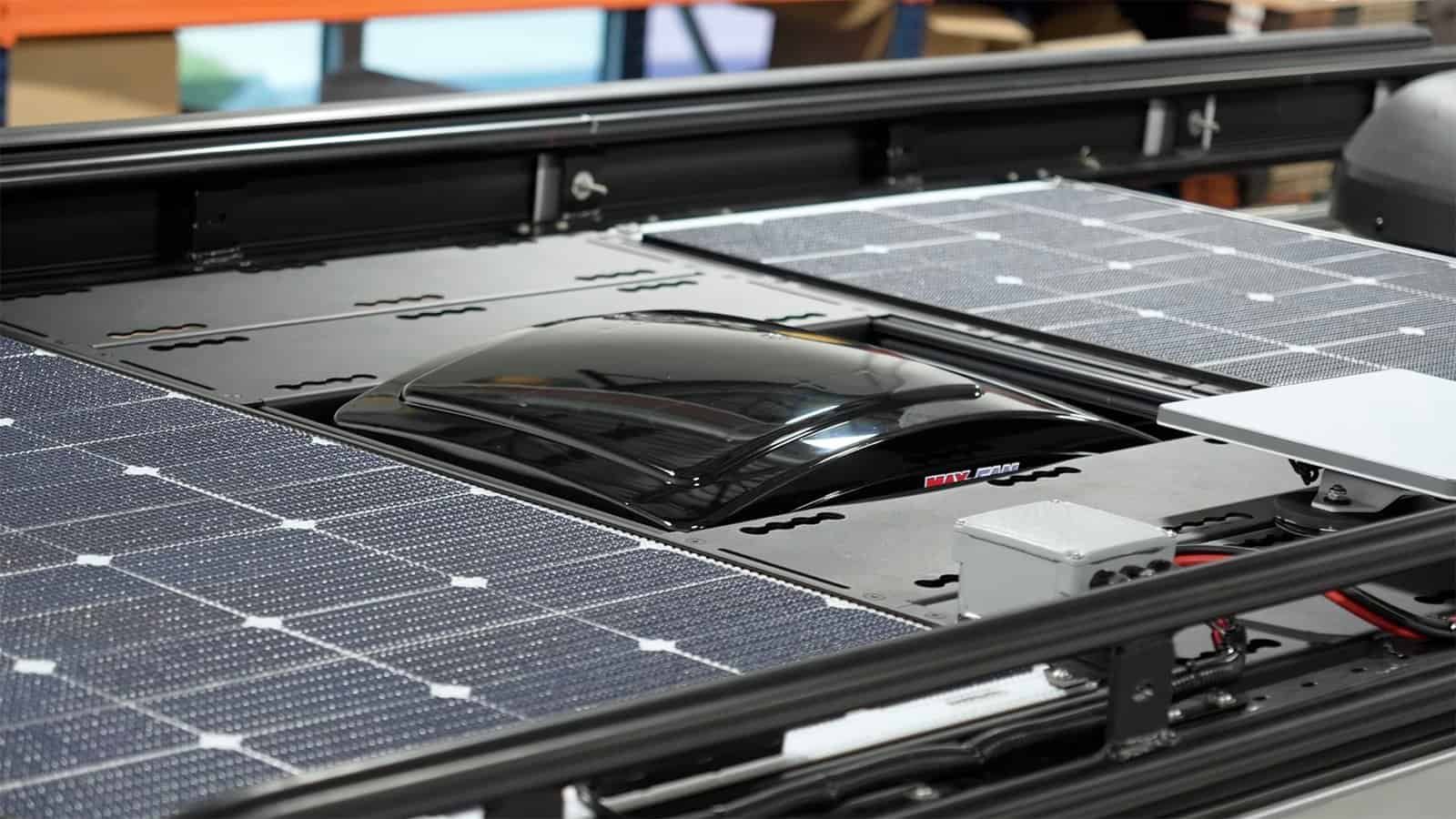
Полностью чёрные солнечные батареи с задним контактом · Канада
Краткий ответ
Полностью черные солнечные панели с задними контактами (BC) важны, потому что все электрические контакты перемещаются на заднюю сторону ячейки. На лицевой стороне нет серебристых контактов или шин, поэтому панель выглядит как часть изделия, а не как дополнительная деталь. Для канадских производителей фотоэлектрических систем для автодомов, морских судов, коттеджей и BIPV такая чистая поверхность также обеспечивает высокую плотность мощности на небольших, плотно расположенных поверхностях. Внешний вид соответствует действительности. Прирост энергии зависит от монтажа, температуры, затенения и вашего контроллера, поэтому укажите и эти факторы.
Идеально подходит, когда
- Панель видна и является частью вашего бренда.
- Полезная площадь невелика или разделена вентиляционными отверстиями и люками.
- Вам нужен нестандартный размер, напряжение или собственная торговая марка?
Поищите в другом месте, когда
- Никто не увидит панели.
- У вас много открытого, незатененного пространства.
- Единственная цель – минимизация стоимости за ватт.
Солнечная панель теперь является частью продукта.
Покупатель, приобретающий модуль в коммунальной сфере, больше никогда не смотрит на него после установки, но владелец автодома смотрит на крышу каждый день. То же самое делает владелец яхты, стоящий на причале, и архитектор, который изначально спроектировал этот домик.
Это меняет подход премиум-брендов к закупке солнечных батарей. Мощность и цена по-прежнему имеют значение, но внешний вид, толщина, однородность цвета и качество сборки теперь указываются в одном списке характеристик. В запросах, которые мы получаем от североамериканских производителей, это хорошо видно: многие теперь присылают чертеж крыши и фотографию готового автомобиля, прежде чем упомянуть мощность.
За последние несколько лет вопрос, касающийся покупки, изменился. Раньше он звучал так: “Какую панель нам следует купить?” Теперь же: “Какую солнечную поверхность нам следует спроектировать для нашего продукта?” Технология All-black BC — один из лучших инструментов для ответа на второй вопрос.
Что на самом деле меняет технология обратного контакта?
Обычная кремниевая ячейка собирает ток через тонкие металлические контакты и шины, нанесенные на ее лицевую сторону. Они хорошо работают, но при этом немного блокируют свет и оставляют яркие серебристые линии на темной поверхности.
В ячейке с задним контактом положительный и отрицательный контакты расположены на задней стороне. PV-Manufacturing.org Подробно описывается это семейство конструкций. Практический результат прост: на солнечной стороне ячейки вообще нет ничего металлического. Поскольку соединительные элементы также перемещаются на обратную сторону, они исчезают из поля зрения на готовой панели.
| Особенность | фронтально-контактная ячейка | Ячейка с обратным контактом |
|---|---|---|
| Контакты | Пальцы и шины на передней панели | Все контакты на задней панели |
| Вид спереди | Серебряные линии, видимые ленты | Однородное темное лицо |
| Передняя металлическая тонировка | Небольшие, но постоянные потери | Никто |
| роль бренда | Похоже на компонент. | Может восприниматься как элемент дизайна. |
| Компромисс | Широко доступный, простой | Более сложные процессы обработки ячеек и модулей. |
В ходе переговоров о продажах часто упускается из виду один важный момент: ячейка BC не гарантирует автоматическое получение черной панели. Расстояние между ячейками, цвет задней панели, поля по краям, выход кабеля и распределительная коробка — все это определяет, что в итоге увидит клиент на готовом изделии.
“Полностью черный” может означать пять разных товаров.
Поставщики используют одни и те же два слова для обозначения совершенно разных видов работ, поэтому, прежде чем сравнивать предложения, проверьте, какой именно вариант вам предлагают.
| Что написано на этикетке | Что это обычно означает | Что вы увидите вблизи |
|---|---|---|
| Черная рамка | Анодированный черный алюминий | Линии сетки по-прежнему видны. |
| Черный задний лист | Темный задний слой | Зазоры в ячейках скрыты, шины остаются на месте. |
| Полностью чёрные передние контакты | Темная рамка, ячейки и задняя панель | Хорошо смотрится с улицы, тонкие линии на расстоянии вытянутой руки. |
| Полностью чёрный BC | Ячейки с задним контактом, темные материалы | Идеально гладкая поверхность, без металлической передней панели. |
| Ламинат Custom BC | Размер, расположение элементов и обработка кромок для одного изделия. | Похоже, это было задумано изначально, но требует доработки. |
Расстояние до объекта осмотра — это тот критерий, о котором большинство покупателей забывают. Крышу автодома обычно видят с лестницы, а жесткую крышу яхты — с флайбриджа над ней. Крышу каюты, напротив, можно увидеть только с подъездной дорожки, расположенной в 20 метрах. Оценивайте каждый образец с того расстояния и под тем углом, с которого его будет видеть ваш собственный клиент.
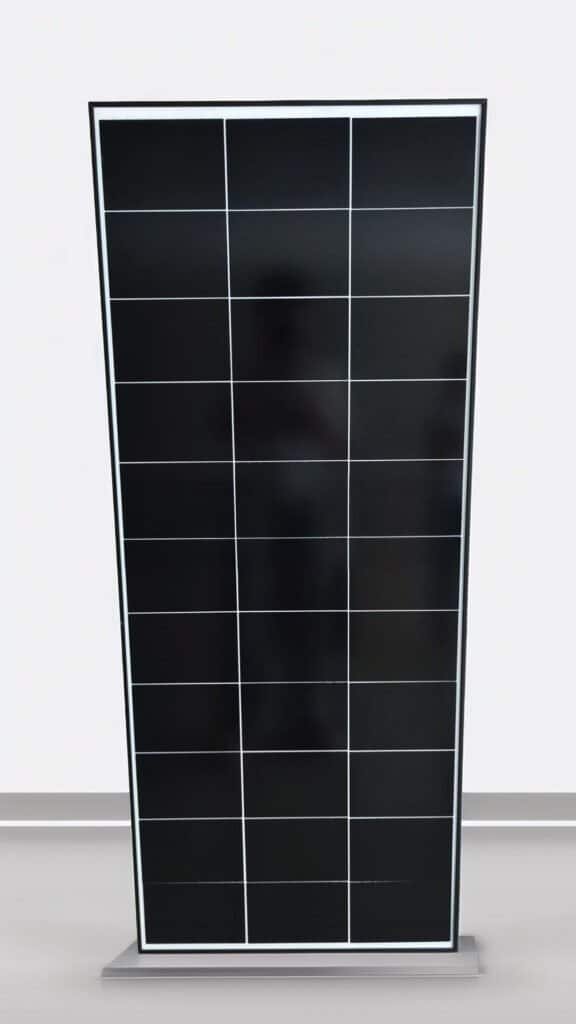
Где в Канаде чистый внешний вид приносит свои плоды
В каждом сегменте премиум-класса одинаковый внешний вид обусловлен разными причинами, и для каждого из них это требует своей технической проверки.
| Приложение | Почему полностью чёрный BC подходит | Что еще требует инженерной разработки? |
|---|---|---|
| Автодома и кемперы | Чистая линия крыши, больше мощности между вентиляторами и вентиляционными отверстиями. | Радиус изгиба, метод склеивания, обогрев крыши. |
| Яхты и лодки | Сливается с темными жесткими крышами и бимини. | Соль, вибрация, герметизация кабелей, пешеходное движение |
| Домики и коттеджи | Низкий контраст на черных металлических крышах | Снеговая и ветровая нагрузка, гарантия на крышу, разрешения. |
| Акценты BIPV | Спокойная визуальная основа для фасадов и навесов. | Пожарная безопасность, безопасность при работе со стеклом, дренаж, получение разрешений от местных властей. |
| Портативные источники питания | Привлекательный внешний вид, помещается в стандартный наружный корпус. | Согласование напряжения, обращение, износ поверхности |
Особого внимания заслуживает архитектура. Министерство природных ресурсов Канады В определении BIPV (интегрированные в здание фотоэлектрические системы) говорится о солнечных элементах, встроенных в ограждающие конструкции здания, такие как фасады, крыши и окна. Техническое руководство IEA PVPS Task 15, В книге, соавтором которой является канадский исследователь Коста Капсис, эстетическая интеграция и визуальное воздействие имеют такой же вес, как энергоэффективность и долговечность. Другими словами, внешний вид должен быть включен в спецификацию с самого начала, а не рассматриваться как бонус.
Работа над канадскими стандартами также продвигается. В 2023 году Совет по стандартам Канады опубликовал уведомление группы CSA., По просьбе CanmetENERGY, входящей в состав NRCan, было принято решение принять стандарт IEC 63092-1 в качестве CAN/CSA-IEC 63092-1. Этот стандарт устанавливает требования к фотоэлектрическим модулям, используемым в качестве строительных материалов. Если ваш проект связан с фасадом или элементом крыши, привлеките компетентный орган к обсуждению проекта на раннем этапе.
Три канадских условия, которые упускают из виду большинство покупателей.
Премиальный дизайн способствует продажам панели, но канадские условия определяют, останется ли клиент доволен после первого года использования.
1. Низкое зимнее солнце сильно падает на плоский экран.
Большинство панелей для автодомов и лодок располагаются горизонтально на крыше или палубе. На широте 50° северной широты, в районе Калгари или Виннипега, полуденное солнце в июне достигает примерно 63°. В декабре оно достигает лишь около 17°. В этом случае плоская панель улавливает примерно 291 Тл·3Тл прямого солнечного света, который она бы улавливала, двигаясь против примерно 891 Тл·3Тл в июне.
| Полдень на 50° северной широты. | Высота солнца | Прямой луч света на плоской панели по сравнению с лучом, направленным на солнце. |
|---|---|---|
| летнее солнцестояние | ≈63° | ≈89% |
| Март / Сентябрь | ≈40° | ≈64% |
| зимнее солнцестояние | ≈17° | ≈29% |
Эти цифры учитывают только прямой солнечный свет, а плоская панель также получает много рассеянного света с открытого неба, поэтому реальные сезонные потери меньше, чем показано в таблице. Вывод остается тем же: рассчитывайте мощность системы солнечного освещения для канадских автодомов в зависимости от сезона, в котором они будут использоваться, и рассматривайте зимнее солнечное освещение как дополнительный бонус. Плоская панель также накапливает снег, в то время как наклонная сбрасывает его гораздо быстрее.
2. Холод повышает напряжение.
Напряжение на кремниевых элементах возрастает по мере охлаждения ячеек. Возьмем три панели с напряжением холостого хода (Voc) 28,4 В, соединенные последовательно, или 85,2 В на бумаге. Для стационарных зданий..., Правило 64-202 Канадского электротехнического кодекса Это позволяет проектировщикам либо умножить указанное значение Voc на 125%, коэффициент, рассчитанный с учетом температуры −40 °C, либо использовать коэффициент из технической документации с учетом экстремальной минимальной температуры на участке, согласно климатическим нормам Министерства окружающей среды Канады.
| Метод, 3 × 28,4 В последовательно. | Холоднокорригированный струнный Voc | При работе от контроллера на 100 В |
|---|---|---|
| Технические характеристики, −0,20%/°C при −40 °C | ≈96,3 В | Внутри очень небольшой запас. |
| Технические характеристики, −0,25%/°C при −40 °C | ≈99,0 В | На пределе |
| Код по умолчанию, обозначенный Voc × 125% | ≈106,5 В | Превышение лимита |
Популярные компактные контроллеры, такие как SmartSolar MPPT 100/30 Укажите максимальное напряжение холостого хода солнечных панелей 100 В. Та же самая цепочка, которая выглядит безопасной на бумаге, может не соответствовать стандартным требованиям или повредить контроллер в самое холодное солнечное утро. Для фургонов и лодок действуют свои стандарты, но физические принципы идентичны. Всегда проверяйте скорректированное на холод напряжение холостого хода (Voc) по сравнению с вашим контроллером, прежде чем менять конструкцию цепочки или разделять массив на две параллельные цепочки. Это действительно канадская проблема, о которой поставщики, работающие в основном на рынках с теплым климатом, редко упоминают.
3. Летняя жара больше зависит от способа монтажа, чем от цвета.
Покупатели часто беспокоятся о том, что черные панели сильно нагреваются. Черная задняя панель действительно немного увеличивает нагрев, но способ крепления панели вносит гораздо больший вклад. Используя температурную модель Sandia, опубликованную в pvlib, При мощности 900 Вт/м², температуре воздуха 30 °C и легком ветерке температура ячейки изменяется следующим образом:
| Монтаж | Температура клетки | Панель мощностью 200 Вт, только теплопотери (−0,29%/°C) |
|---|---|---|
| Открытая стойка, воздух циркулирует сзади. | ≈56 °C | ≈182 Вт |
| Плотное крепление, небольшой зазор | ≈75 °C | ≈171 Вт |
| Плоское склеивание, без воздуха сзади. | ≈82 °C | ≈167 Вт |
Коэффициенты модели были построены на основе модулей со стеклянной подложкой, а случай плотного монтажа существует только для стеклянных панелей, поэтому все три ряда следует рассматривать как приближение к гибкому ламинату. Для панелей с тыльным контактом часто указывается несколько более мягкий коэффициент около −0,26%/°C, что немного уменьшает потери. Направление и приблизительная величина эффекта остаются неизменными, и панель с приклеенным покрытием теряет несколько процентов своей мощности в жаркий летний день.
Эффективность удара сзади: что подтверждают данные исследований.
Три утверждения верны. Во-первых, у ячейки BC нет передней металлической части, поэтому ни один луч света не теряется на пальцах или шинах. Во-вторых, BC лидирует по эффективности: Об этом сообщило TaiyangNews в июне 2026 г. Во-первых, модули BC первыми в списке достигли КПД 25%, хотя КПД BC составляет всего около 5% от заявленных показателей. На фиксированной поверхности этот КПД увеличивается в ваттах. Во-вторых, равномерная темная поверхность является реальной и остается воспроизводимой от партии к партии при надлежащем контроле материалов.
Утверждения относительно оттенков требуют большей тщательности, чем это обычно делается в большинстве каталогов. Моделирование TÜV NORD, 2026 г. Было установлено, что технология BC превосходит технологию TOPCon, когда затенялось не более трех ячеек в разных подстроках. После затенения более четырех ячеек преимущество исчезало, и обе технологии теряли примерно половину своей производительности. Производители с обеих сторон теперь публикуют показатели затенения, и каждый использует свои собственные тестовые маски, поэтому всегда уточняйте, с каким шаблоном затенения проводилось измерение.
Наше эмпирическое правило: если тень меньше панели (антенна, вентиляционная труба, рельс, лист), то помогает обратный контакт. Если тень больше панели (мачта, парус, стена кабины), то никакие сотовые технологии вас не спасут. Переместите панель.
Избегайте в своем каталоге следующих фраз: “невидимая солнечная энергия”, “отсутствие потерь от затенения”, “всегда более высокая производительность” и “морского класса, потому что она черная”. Каждая из них может спровоцировать жалобу, на которую вы не сможете ответить.
Не уверены, какая мощность подойдет для вашей крыши, террасы или фасада?
Пришлите нам габаритные размеры, информацию о препятствиях и фотографию поверхности. Наши инженеры составят эскиз схемы и четко скажут, подходит ли вам стандартная панель.
Поговорите со специалистом по солнечной энергетике »Гибкий компенсатор плавучести или жесткий двухслойный стекловолоконный компенсатор?
Оба формата могут быть полностью черными, как и наши. линейка полностью черных солнечных панелей Они предлагают различные варианты, но решают разные задачи, и хороший поставщик подскажет, какой из них нужен для вашего проекта.
| Фактор принятия решения | Гибкий ETFE + BC | Жесткий двухслойный BC-панель |
|---|---|---|
| Поверхность | Плавные изгибы, фрагментированные зоны | Ровные, открытые пространства |
| Профиль | Примерно 2,6–3,3 мм, плюс распределительная коробка. | Рама плюс кронштейны |
| Масса | Примерно 3,6–4,4 кг/м² | Примерно 10–12,5 кг/м² до установки на стеллажи. |
| Охлаждение | Ограничено при наличии залога. | Хорошо подходит для воздушного зазора. |
| доступ к услугам | Сложнее удалить | Легко поднимать и осматривать. |
| Наилучший вариант | Фургоны, автомобили с откидной крышей, лодки, автомобили, созданные для незаметной езды. | Большие плоские крыши для автодомов, кабины, навесы |
Некоторые производители используют оба формата на одном и том же автомобиле. Жесткие панели закрывают плоскую центральную часть крыши. Изготовление на заказ. гибкие модули Заполните узкие полосы вокруг вентиляционных отверстий и изогнутую переднюю часть. С земли покупатель видит одну темную, сплошную поверхность вместо лоскутного одеяла из рамок.
Одно предостережение особенно актуально для гибких панелей. Угол изгиба, например, “240°”, не является техническим параметром, поскольку он не учитывает длину панели. Уточняйте минимальный радиус изгиба в миллиметрах. (Издание 2021 года) МЭК 61215-1 Добавлен тест на изгиб для гибких модулей. Запрос результатов испытаний на изгиб и электролюминесценции собственной конструкции даст вам гораздо больше информации, чем любой ракурс, напечатанный в брошюре.
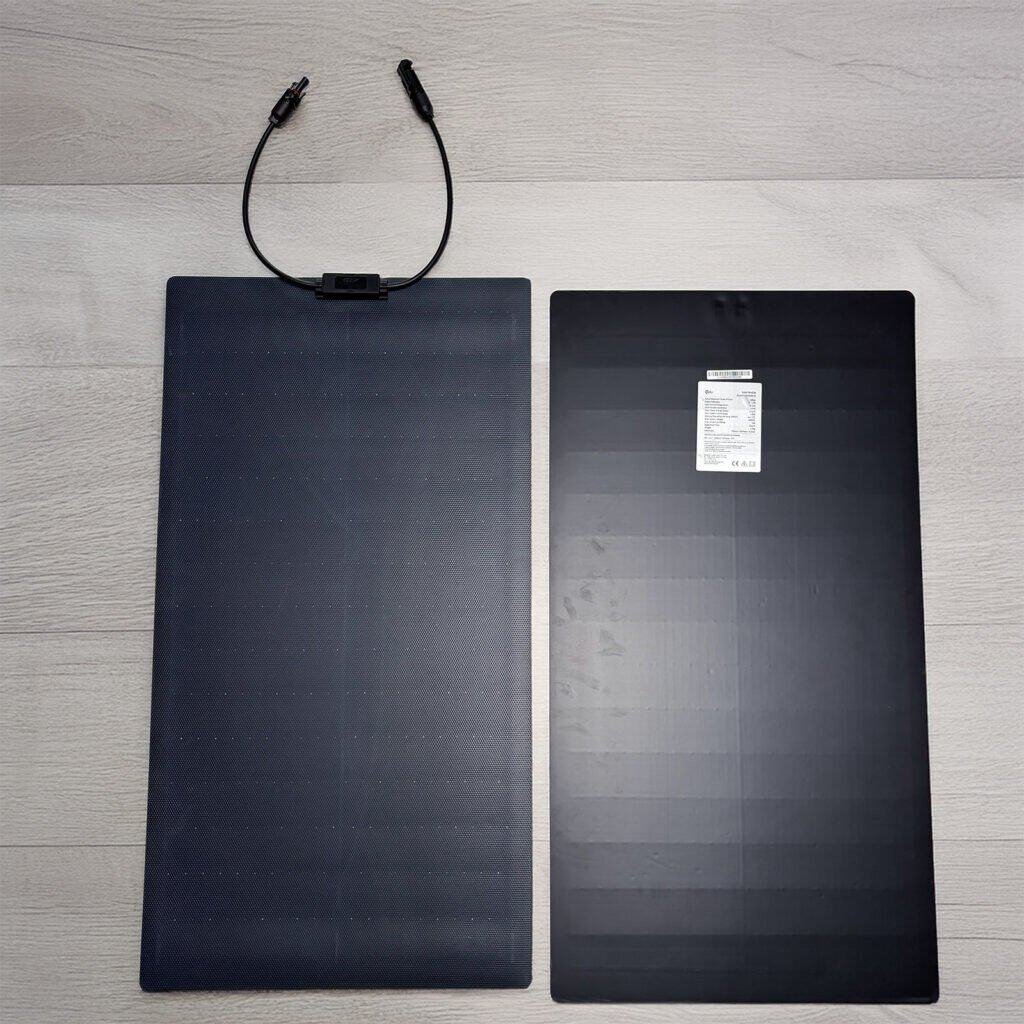
Сделайте образ повторяемым, а не просто красивым один раз.
Вот проблема, с которой мы часто сталкиваемся при разработке новых продуктов под собственной торговой маркой: прототип выглядит идеально. Затем поступает вторая партия, но с чуть более синим оттенком, более глянцевой поверхностью или более широкими зазорами между ячейками. На продукте под собственной торговой маркой это несоответствие сразу бросается в глаза в выставочном зале дилера, где покупатели замечают его мгновенно.
Автопроизводители давно решили эту проблему, внедрив стандарты качества краски, и покупатели солнечных батарей могут перенять тот же метод:
- Одобрите эталонный образец. Для каждой будущей партии храните одну подписанную панель на своем предприятии, а аналогичную — на заводе.
- Запишите условия просмотра. Укажите расстояние, угол и освещенность, например, 1 метр, 45°, дневной свет.
- Заблокируйте визуальные материалы. Поставщик ячеек и цветовая гамма, покрытие из ETFE или стекла, цвет задней панели и краевой зазор включаются в список изменений.
- Сопоставьте фотографии с серийными номерами. Запросите фотографию лицевой стороны с записями результатов испытаний на электролюминесценцию и вспышку для каждой партии.
- Сохраняйте запасы на замену. Одна неподходящая запасная деталь может испортить крышу, идеально подходящую по цвету, спустя годы.
Собственная торговая марка: что вы можете настроить под себя
Стандартная панель предоставляет дистрибьютору информацию о продукте, а изготовленный на заказ полностью черный модуль BC обеспечивает узнаваемость бренда. Варианты разделены на четыре группы.
| Группа | Типичные варианты |
|---|---|
| Электрооборудование | Мощность, Vmp и Voc согласованы с вашим контроллером и батареей. |
| Физический | Длина, ширина, компоновка ячеек, положение распределительной коробки, выход и длина кабеля, разъемы. |
| Визуальный | Матовая или глянцевая поверхность, черная подложка, обработка кромок, размещение логотипа. |
| система брендов | Название модели, серийный номер, коробка, инструкция, гарантийный талон, QR-код |
Чаще всего ошибки при производстве продукции под собственной торговой маркой допускают проблемы с электрической совместимостью. Панель с пиковым напряжением 23 В — это не “12-вольтовая панель”, и для обеспечения номинальной мощности ей необходим MPPT-контроллер. Техническая заметка компании Victron Объясняет, чем отличаются ШИМ- и MPPT-контроллеры. Укажите необходимый тип контроллера на этикетке изделия, чтобы установщики и конечные пользователи не могли ошибиться.
Контрольный список покупателя: 10 вопросов, которые следует задать поставщику.
- Действительно ли клетка контактирует с задней стенкой, и какого именно типа?
- Что такое удельная мощность всего модуля в Вт/м², а не КПД ячейки?
- Могу ли я увидеть фотографии передней части готовой серийной панели, а не рендер?
- Каков минимальный радиус изгиба в мм, и может ли панель деформироваться во время эксплуатации?
- Каково значение Voc с поправкой на холод при −40 °C, соответствующее канадским стандартам по умолчанию?
- Сколько развязывающих диодов и как расположены подстроки?
- Какую лицевую поверхность используют (ETFE или стекло) и как её следует чистить?
- Проводится ли электролюминесцентная обработка каждой панели перед отправкой?
- Какие материалы находятся под контролем изменений для обеспечения единообразия цвета?
- На что распространяется гарантия и как обрабатывается претензия в Канаде?
Ключевые выводы
- Контакт с задней стороны удаляет передний металлический элемент, что обеспечивает максимально чистую полностью черную лицевую панель из всех доступных.
- “Полностью черный” включает пять различных вариантов исполнения. Оцените образцы с расстояния, доступного вашему клиенту.
- В Канаде следует учитывать низкую зимнюю жару и снег, допустимое напряжение в сети на уровне −40 °C, а также нарастающую летнюю жару.
- BC помогает справляться с мелкими тенями, а не с большими.
- Для изогнутых поверхностей и низкого профиля выбирайте гибкие варианты, а для плоских крыш и служебных помещений — жесткие.
- Защитите макияж с помощью золотистого пробника и средства для контроля цвета.
Полностью чёрные солнечные батареи с задним контактом: часто задаваемые вопросы
Являются ли панели с полностью черным задним контактом более эффективными?
Ячейки BC позволяют избежать затенения передней металлической части и входят в число наиболее эффективных ячеек в массовом производстве. Эффективность готовой панели по-прежнему зависит от компоновки, материалов и запаса по краям. Сравнивайте общую мощность модуля в Вт/м² из каждого технического описания, а не заявленную эффективность ячейки.
Черные солнечные панели нагреваются сильнее?
Незначительно, потому что темная задняя панель поглощает немного больше света между ячейками. Здесь гораздо важнее способ крепления, чем цвет. Панель, склеенная между собой, может нагреваться более чем на 20 °C сильнее, чем панель со свободным потоком воздуха сзади.
Подходят ли полностью черные панели BC для канадской зимы?
Кремниевые панели хорошо работают на холоде, и их напряжение фактически повышается с понижением температуры. Сравните скорректированное на холод значение Voc с пределом, установленным контроллером. Плоские солнечные панели будут вырабатывать гораздо меньше электроэнергии в декабре из-за низкого положения солнца и снега, который на них оседает.
Является ли полностью чёрная гибкая панель морской марки?
Цвет никак не говорит о том, как панель выдержит воздействие соли, вибрации и солнца на воде. Поинтересуйтесь о структуре ламината, защите кромок, герметизации распределительной коробки, радиусе изгиба и о том, рассчитана ли панель на пешеходную нагрузку.
В чём разница между IBC, HPBC и ABC?
Все три варианта предусматривают размещение контактов на задней стороне ячейки. IBC (межпальцевые задние контакты) — это общий инженерный термин. HPBC и ABC — это торговые названия, которые отдельные производители ячеек используют для своих собственных процессов изготовления задних контактов, поэтому сравнивайте данные готового модуля, а не маркировку.
Могу ли я заказать индивидуальный размер под своей маркой?
Да. Размер панели, расположение ячеек, вывод кабеля, разъем, логотип, упаковка и инструкция — все это может быть изменено по вашему желанию. Компания Couleenergy производит гибкие панели на заказ, начиная со 100 штук и заканчивая пробным образцом.
Что мне нужно отправить для получения коммерческого предложения?
Четырех коротких строк достаточно, чтобы наши инженеры начали разработку первого плана: полезная площадь с учетом препятствий, ваша суточная потребность в энергии или целевая мощность, батарея и контроллер, а также ваш годовой объем.
Как была проверена эта статья
Материал подготовлен инженерно-редакционной командой Couleenergy компании Ningbo Coulee Tech Co., Ltd., производителя модулей с задним контактом, изготовленных на заказ. Углы падения солнечных лучей, значения напряжения при низкой температуре и температуры были рассчитаны на основе указанных предположений и приведены для возможности их повторного расчета. Значения напряжения при низкой температуре соответствуют правилу 64-202 Канадского электротехнического кодекса в кратком изложении Управления по электробезопасности. Результаты затенения получены на основе опубликованного исследования моделирования, а не долгосрочных полевых испытаний на транспортных средствах. Диапазоны веса взяты из наших собственных данных о продукции. Все ссылки были проверены 28 сентября 2026 года. Последнее обновление: сентябрь 2026 года.
Источники
- PV-Manufacturing.org — Солнечные элементы с задним контактом
- Министерство природных ресурсов Канады — Встроенные в здания фотоэлектрические системы
- Проект IEA PVPS Task 15 — Интегрированные в здания фотоэлектрические системы: техническое руководство
- Совет по стандартам Канады — уведомление CSA о принятии стандарта IEC 63092-1 (модули BIPV)
- Журнал pv — Исследование TÜV NORD по затенению с тыльным контактом (июль 2026 г.)
- pvlib — Модель температурной зависимости ячеек Sandia
- IEC 61215-1:2021 — Наземные фотоэлектрические модули, квалификация конструкции
- Управление по электробезопасности — Бюллетень по правилу CEC 64-202, касающемуся напряжения в цепи источника фотоэлектрической энергии.
- TaiyangNews — Модули с задним контактом преодолели барьер 25% (июнь 2026 г.)
- Технические характеристики Victron Energy — SmartSolar MPPT 100/30 и 100/50
- Victron Energy — Какой контроллер заряда для солнечных батарей лучше выбрать: ШИМ или MPPT?
Вы предоставляете приложение. Мы разрабатываем проект солнечной электростанции.
Планируете использовать полностью чёрную солнечную поверхность для своего бренда?
Расскажите нам о крыше вашего автодома, лодки, домика или фасада. Мы предложим вариант компоновки, проверим напряжение с учетом канадских холодов и подскажем, какой тип панели лучше подойдет: гибкая, жесткая или гибридная. Если стандартная панель будет лучшим решением, мы об этом сообщим.
- Первоначальная схема размещения оборудования на вашей полезной площади с указанием мощности в ваттах на зону.
- Проверка напряжения при низкой температуре с помощью контроллера при −40 °C.
- Расчет тепловых затрат для вашего способа монтажа.
- Примерный план с утвержденным эталонным образцом.
Электронная почта info@couleenergy.com или позвоните +1 737 702 0119.
Запросить индивидуальное предложение »OEM и ODM · Низкий минимальный объем заказа · Индивидуальные размеры, мощность и форма · Быстрое изготовление образцов



 Русский
  English
  Español
  Français
  Deutsch
  العربية