
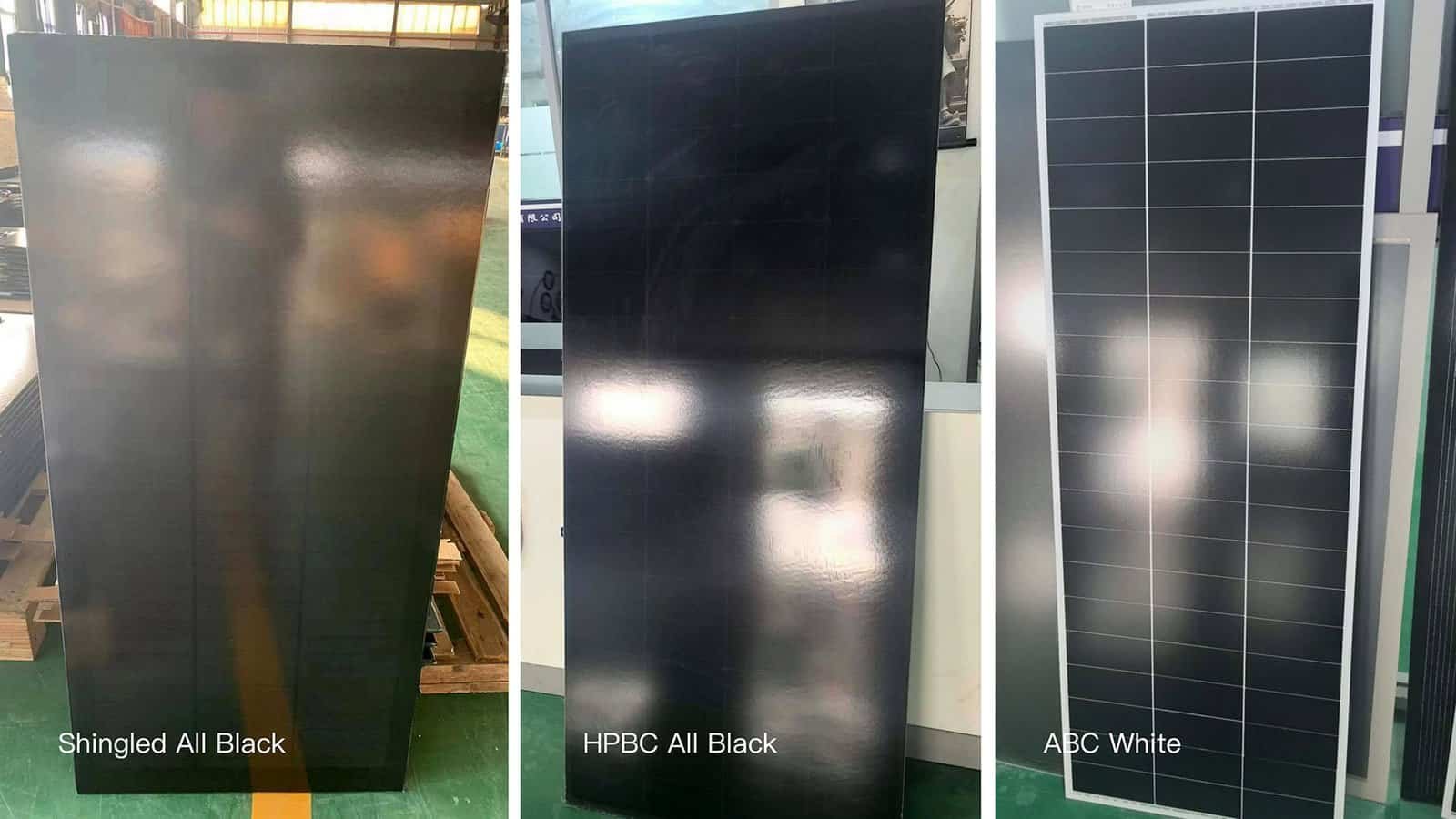
И солнечные панели с покрытием из композитных панелей, и панели с черепичной облицовкой выглядят чище, чем обычные солнечные модули. Оба варианта уменьшают потери от затенения. Оба варианта обеспечивают выгодное расположение. Но этих результатов они достигают совершенно разными инженерными методами.
Если вы закупали солнечные панели в 2021 или 2022 году, то модули, облицованные черепицей, были очевидным улучшением: более высокая плотность ячеек, лучшая устойчивость к затенению и более аккуратный вид крыши без наценки по IBC-проекту. В то время это было правильным решением.
Ситуация изменилась. Технология обратного контакта (BC) быстро развивается, цены падают, а правила ЕС теперь активно поощряют те характеристики, в которых технология обратного контакта является лидером. В этом руководстве рассматриваются технология, цифры, правила и структура принятия решений, необходимые каждому покупателю в сегменте B2B.
⚙️ Как работает каждая технология
Панели, облицованные черепицей: больше ячеек, та же лицевая поверхность.
В основе модульных систем с черепичной структурой лежат стандартные монокристаллические ячейки — высококачественные PERC или, в современных изделиях, Ячейки TOPCon N-типа — разрезаны лазером на пять или шесть узких полосок. Эти полоски перекрываются и склеиваются между собой с помощью электропроводящий клей (ЭКК), как черепица на крыше. Результат: отсутствие зазоров между ячейками, отсутствие выступающих шин на активной поверхности и плотная, сплошная на вид лицевая сторона панели.
Электрохимический контактный элемент (ЭХО) выполняет две функции. Он создает электрическое соединение между полосами ячеек и механически удерживает цепочку вместе. Это позволяет использовать панели с черепичной структурой без высокотемпературной пайки, которая вызывает микротрещины в тонких пластинах. параллельное соединение подстрок Также ограничивает эффект домино затенения — это существенный шаг вперед по сравнению со старыми стандартными панелями с последовательным подключением.
Панели с тыльным контактом (BC): передняя сторона предназначена только для солнечного света.
Клетки BC используют принципиально иной подход. Все электрические контакты — положительные и отрицательные — полностью перемещены в заднюю часть клетки.[1] Лицевая поверхность совершенно свободна от каких-либо препятствий: нет линий сетки, нет шин, нет металла вообще.
Это важно, потому что металлические сетчатые линии на обычных панелях с цельными ячейками блокируют 7–9% доступного света прежде чем оно достигнет активного кремния.[2] Технология черепичной изоляции уже существенно снижает эти потери за счет устранения выступающих шин. Технология BC полностью исключает передний контактный слой — каждый фотон, достигающий передней поверхности, поглощается.
На сегодняшний день на европейском рынке представлены два основных варианта BC: HPBC 2.0 от LONGi (Гибридный пассивированный задний контакт)[3] и Азбука Айко (Полностью задний контакт). HPBC 2.0 использует пассивацию в стиле TOPCon на основе архитектуры с задним контактом — это обеспечивает лучшую совместимость с существующими производственными линиями, что объясняет быстрое масштабирование производства LONGi. ABC использует полностью чередующийся рисунок заднего контакта, что позволяет достичь несколько более высокой пиковой эффективности ячеек в коммерческом производстве.
🔑 Основные инженерные отличия
Солнечные панели, облицованные черепицей, улучшают способ размещения элементов на поверхности. такой же Конструкция с лицевой поверхностью. Панели BC полностью исключают слой, контактирующий с лицевой поверхностью. Именно поэтому предел эффективности панелей BC структурно — и не просто незначительно — выше.
📊 Сравнительный анализ: Полное сравнение
| Фактор | Черепичная (основание TOPCon N-типа) | BC — HPBC 2.0 / ABC |
|---|---|---|
| Эффективность модуля | 20–21% | 24–24.8% • Зарегистрированная запись: 25.4%[4] |
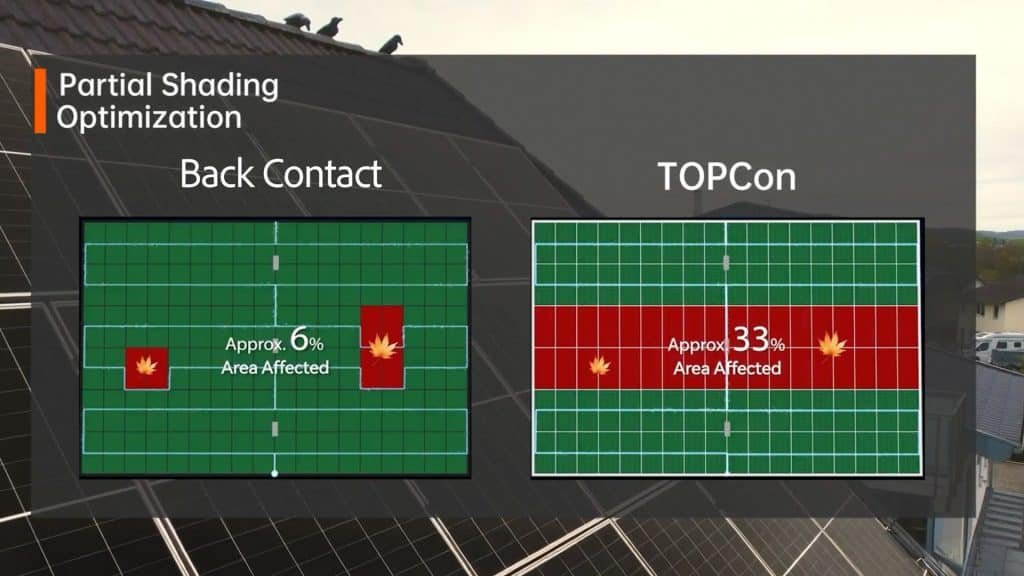
| Частичная тень | Лучше стандарта — параллельные подстроки ограничивают каскадность | Обход с мягким пробоем — >70% меньшие потери мощности по сравнению с TOPCon[12] |
| Очаг повышенного риска / Риск возникновения пожара | Отказ ECA + нагрев последовательной цепи — присутствует | 28%: более низкая температура в самой горячей точке (по результатам заводских испытаний)[12] |
| Эстетика | Аккуратный внешний вид — края полос остаются видимыми. | Полностью бесшовная поверхность черного цвета. |
| Пригодность для использования в зданиях с интегрированными фотоэлектрическими системами (ЕС) | Умеренная — видимая клеточная структура ограничивает интеграцию фасада. | Бесшовная конструкция — идеально подходит для архитектурной интеграции в соответствии с Регламентом ЕС о гражданских правах.[15] |
| Риск повреждения клея ECA | Разлагается под воздействием влажного тепла, циклов замерзания-оттаивания и соленого воздуха.[10] | Никто — Электроды, нанесенные методом обратной печати, без клеевого слоя. |
| Температурный коэффициент | от −0,29% до −0,35%/°C[5] | −0,26%/°C (HPBC 2.0)[6] |
| Ежегодная деградация | ~0,40–0,501 ТТ3/год (современный N-тип)[7] | 0,351 ТТ3Т/год — гарантировано, 30 лет[8] |
| Квалификация IEC | IEC 61215 / IEC 61730[13] | Соответствие стандартам IEC 61215 / IEC 61730 + протокол CPR для интегрированных в здания фотоэлектрических систем.[13] |
| Премия за первоначальную цену | Умеренный выше стандарта | Примерно на 15–20% выше стандарта (снижено с 30–40%)[9] |
🛡️ Риск долговечности в ЕС: что климатические условия ЕС означают для черепичных панелей
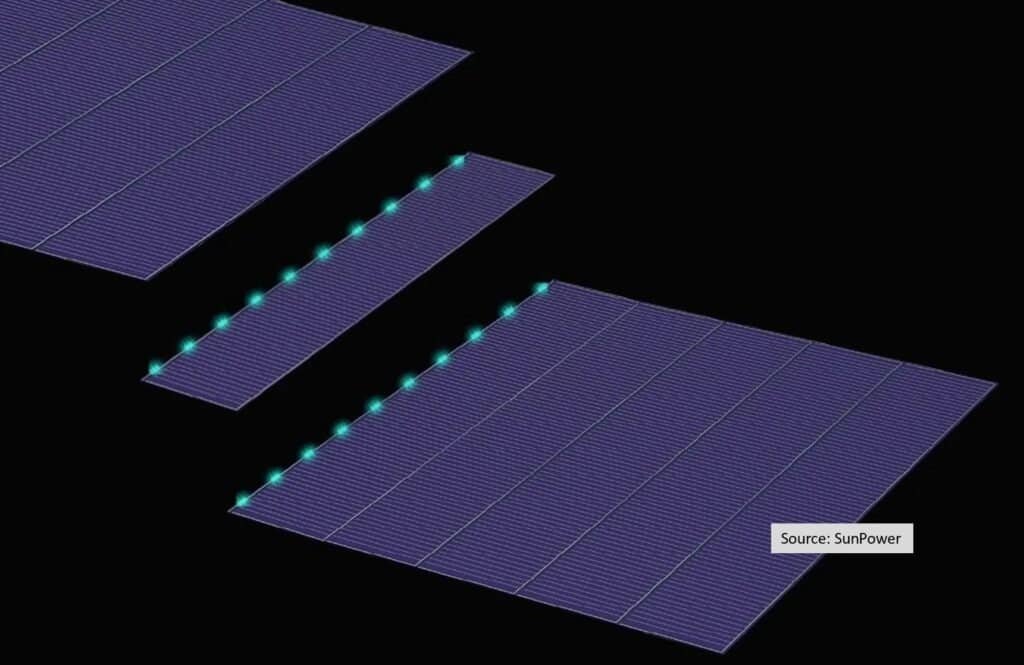
Электропроводящий клей — это материал, благодаря которому стало возможным использование панелей, имитирующих черепицу. Он склеивает перекрывающиеся полосы ячеек и проводит ток между ними. В сухом, стабильном климате он хорошо себя зарекомендовал. В континентальном и морском климате ЕС ситуация сложнее.
Рецензируемые научные исследования подтверждают, что в условиях влажной жары (85°C при относительной влажности 85% — согласно стандартному ускоренному испытанию на старение IEC), коэффициент заполнения черепичного модуля снижался даже тогда, когда собственное электрическое сопротивление ECA не изменялось. Механизм отказа заключается в следующем: диффузия атомов серебра от соединения ECA в кремниевую пластину, создавая пути утечки тока, которые постепенно снижают выходную мощность.[10]
Для установок в странах ЕС, таких как Германия, Нидерланды, Скандинавия или Великобритания — где циклы замораживания-оттаивания, постоянная влажность и резкие перепады температуры Это обычная практика — это не теоретический риск. Это активный путь деградации, не имеющий аналогов в технологии BC.
Задние контакты BC наносятся методом трафаретной печати или непосредственно на ячейку. Отсутствует клеевой слой. Отсутствует путь миграции серебра. Для систем со сроком службы 25–30 лет в требовательном климате Северной Европы это существенное и документально подтвержденное преимущество в плане долговечности.
⚓ Примечание для морской и суровой среды
Соленый воздух и постоянная влажность — именно те условия, которые ускоряют разрушение элементов ECA. Для морских сооружений, яхтенных причалов, прибрежных интегрированных фотоэлектрических систем и морских мобильных приложений панели BC полностью исключают этот путь разрушения. При выборе панелей, облицованных черепицей, для использования в морской среде следует проявлять особую осторожность.
💰 Эффективность, плотность размещения и общая стоимость владения
Преимущество в эффективности на 3–4 процентных пункта выглядит незначительным на бумаге. Однако на реальной крыше или фасаде это существенно меняет расчеты.
Рассмотрим Бытовая система мощностью 7 кВт Ориентируясь на систему нетто-учета в Германии или Нидерландах. Для панелей с черепичной конструкцией и КПД 211 Тт³Т требуется примерно 14–15 модулей. Для HPBC 2.0 с КПД 24,81 Тт³Т,[11] Вам потребуется всего 11–12 отверстий — на три меньше для прохода через крышу, меньше стеллажей и меньшие затраты на монтаж по европейским расценкам. На ограниченной площади городской крыши этот разрыв часто определяет, будет ли система вообще коммерчески жизнеспособной.
Преимущество в эффективности накапливается со временем. Гарантированное снижение BC 0,351 ТТ3Т/год[8] против 0,40–0,501 ТТ3/год для современных черепичных модулей TOPCon N-типа[7] обеспечивает значительно больший совокупный объем электроэнергии в кВт·ч за 25–30 лет эксплуатации системы. При ценах на электроэнергию для жилых домов в ЕС,[14] Эта разница напрямую отражается на рентабельности инвестиций в проект.
| Пункт TCO | Черепичная (N-типа TOPCon) | BC — HPBC 2.0 |
|---|---|---|
| Требуются солнечные панели (7 кВт) | 14–15 модулей | 11–12 модулей |
| надбавка к стоимости панели | Базовый уровень | +15–20% по панельной статье |
| Стеллажная система и экономия трудозатрат | Базовый уровень | Экономия составляет примерно 300–600 евро (на 3 модуля меньше). |
| Годовая скорость деградации | ~0,40–0,501 ТТ3/год | 0,351 ТТ3Т/год (гарантия, 30 лет) |
| Увеличение объемов производства на 25 лет по сравнению с черепичным покрытием | Базовый уровень | ~8–121 ТВтч больше (при благоприятных условиях) |
| Дополнительная выгода от выработки электроэнергии составляет 0,287 евро/кВт·ч.[14] | Базовый уровень | Примерно 3500–5500 евро за 25 лет (система мощностью 7 кВт) |
| Предполагаемая окупаемость страховых взносов в Британской Колумбии | — | Обычно 6–9 лет в северных странах ЕС. |
На ограниченном пространстве городских крыш в Северной Европе высокая энергоэффективность BC не является преимуществом. Это разница между жизнеспособным проектом и проектом, не отвечающим минимальным целевым показателям.
☀️ Частичное затенение: вопрос безопасности, а не просто показатель эффективности.
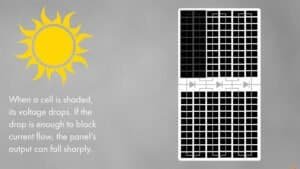
Панели с черепичной крышей лучше справляются с затенением, чем обычные панели PERC, состоящие из половины секций. Их параллельная проводка ограничивает каскадный эффект — когда одна секция покрывается, остальная продолжает вырабатывать электроэнергию. Это настоящий прогресс по сравнению со старыми конструкциями с последовательной проводкой.
Панели BC значительно превосходят аналогичные решения. В HPBC 2.0 от LONGi используется... “Конструкция ячейки с ”мягким пробоем» которая перенаправляет заблокированный ток по альтернативным внутренним путям, а не заставляет его рассеиваться в виде тепла. Согласно заводским испытаниям LONGi, эта архитектура обеспечивает:
- >70% снижение потерь мощности при частичном затенении по сравнению со стандартными модулями TOPCon[12]
- 28% более низкая температура в горячей точке в затененных клетках при идентичных условиях[12]
Обе цифры предоставлены производителем на основе контролируемых испытаний, а не прошли независимую экспертную оценку. При закупке больших объемов продукции запрашивайте подтверждающую документацию по испытаниям.
Температура в локальных зонах нагрева имеет значение не только для производительности. Требования к проектированию фотоэлектрических систем учитывают риск возникновения локальных перегревов как фактор безопасности системы. МЕК 62548-1:2023.[16] Строительные нормы государств-членов ЕС (например, немецкий DIN VDE 0100-712) дополнительно содержат упоминание о пожарной опасности фотоэлектрических панелей в системах, интегрированных в крышу. Температура поверхности панели, достигающая 130°C под затененной ячейкой, считается документально подтвержденной пожарной опасностью — это различие имеет значение для страховые компании, строительные управления и департаменты планирования по всей Германии, Франции и Нидерландах.
🇪🇺 Что теперь требуют правила ЕС — и почему это выгодно Британской Колумбии
пересмотренная версия Директива об энергетической эффективности зданий (EPBD, EU/2024/1275) Вступил в силу 28 мая 2024 года.[17] Это наиболее значимый закон ЕС об энергоэффективности зданий за последние десятилетия, и он создает благоприятные условия для внедрения высокоэффективных, интегрируемых в архитектуру солнечных технологий.
🗓️ EPBD 2024 — График обязательной установки солнечных батарей
- 29 мая 2026 г.: Государства-члены имплементируют Директиву об охране окружающей среды и биоразнообразии. Все новые здания должны быть спроектированы с учетом оптимизации выработки солнечной энергии для заявок на получение разрешений, поданных после этой даты.
- 31 декабря 2026 г.: Установка солнечных батарей обязательна на всех новых общественных и нежилых зданиях с полезной площадью более 250 м² (там, где это технически и экономически целесообразно).
- 31 декабря 2027–2029 гг.: Требования распространяются как на существующие нежилые здания, подвергающиеся капитальному ремонту, так и на новые жилые здания. Конкретные сроки различаются в зависимости от государства-члена.
- 2028 (общедоступные здания) / 2030 (все новые здания): Стандарт зданий с нулевым уровнем выбросов (ZEB) становится обязательным. Максимальная теплоотдача на квадратный метр перестает быть коммерческим предпочтением и становится требованием соответствия.
Из этой временной шкалы напрямую вытекают три коммерческих последствия:
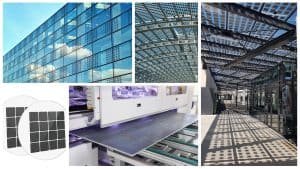
- Спрос на интегрированные в здания фотоэлектрические системы резко возрастет. В зданиях необходимо интегрировать системы солнечной генерации, и владельцы зданий, архитекторы и градостроительные ведомства будут отдавать предпочтение панелям, которые выглядят как часть здания. Бесшовная черная поверхность BC является естественным вариантом для интеграции в фасады и крыши в соответствии с Регламентом ЕС о строительных изделиях (CPR).[15]
- Требования к плотности производства в рамках программы ZEB (Zero-End Energy Block) ставят во главу угла эффективность. Здание, которое должно самостоятельно вырабатывать энергию, нуждается в наибольшем количестве кВт·ч на квадратный метр доступной поверхности. Панели BC с показателем 24–24,81 TP3T обеспечивают это. Черепичные панели с показателем 20–211 TP3T этого не делают — особенно когда площадь крыши используется совместно с системами отопления, вентиляции и кондиционирования, световыми люками и другими инженерными коммуникациями здания.
- В сфере проектирования и строительства зданий все больше внимания уделяется вопросам пожарной безопасности. В Германии, Нидерландах и Франции органы планирования и страховые компании более тщательно проверяют интегрированные в крыши фотоэлектрические системы. В Британской Колумбии температура в затененных зонах ниже, чем в обычных.[12] Это документально подтвержденное преимущество в плане безопасности на этапе разработки технических условий и получения разрешений на строительство.
📉 Динамика цен: разрыв в ценах быстро сокращается
Панели из черепицы всегда были более доступны по цене, чем панели из биоразлагаемой стали. Для их производства требуется адаптация существующих производственных линий PERC или TOPCon — никакой совершенно новой инфраструктуры не требуется. Именно поэтому они быстро масштабировались и сохранили разумную маржу дистрибьюторов.
Для производства панелей BC требовалось специализированное оборудование и значительные производственные затраты. Еще в 2022 году цена была выше. 30–40% выше стандарта модули. К середине 2025 года их количество составит приблизительно 15–20%[9] — и продолжало падать. Компания LONGi публично установила целевую цену примерно на 100%. К концу 2025 года планируется достичь годовой производственной мощности HPBC 2.0 в 50 ГВт..[18] Такой масштаб предсказуемо снижает издержки.
Согласно некоторым отраслевым прогнозам, Британская Колумбия может достичь Доля мирового рынка солнечной энергии достигнет 301 тыс. тонн к 2028 году. и 50% к 2030 году.[19] Это оптимистичные сценарии — скорее, общие направления развития, а не окончательные прогнозы. По состоянию на 2024–2025 годы, на долю BC приходится примерно 3–51 тонно-3 тонны мировых поставок, при этом TOPCon занимает около 701 тонно-3 тонны рыночной доли. Не является предположением: срок действия ключевых патентов Maxeon/SunPower на IBC истекает примерно в 2028 году, что открывает производство BC для любого производителя без лицензионных сборов. Траектория развития технологий и политическая траектория указывают в одном направлении.
✅ Ваш разумный выбор: структура принятия решений в сфере B2B
Ни одна технология не является универсальной. Вот как следует подходить к этому вопросу командам по закупкам и управлению проектами:
✅ Указывайте панели BC, когда…
- Площадь крыши или фасада ограничена — каждый ватт/м² имеет значение.
- Проект должен соответствовать требованиям Директивы EPBD по солнечной энергетике или целевым показателям производства электроэнергии с нулевым потреблением энергии.
- Эстетические требования к интегрированным в здания фотоэлектрическим системам (BIPV) определяются условиями проектирования или требованиями заказчика.
- Место установки находится в тени или в Северной Европе.
- Среда обитания – прибрежная, морская или характеризующаяся постоянно высокой влажностью.
- Система должна надежно работать на протяжении 25 лет и более.
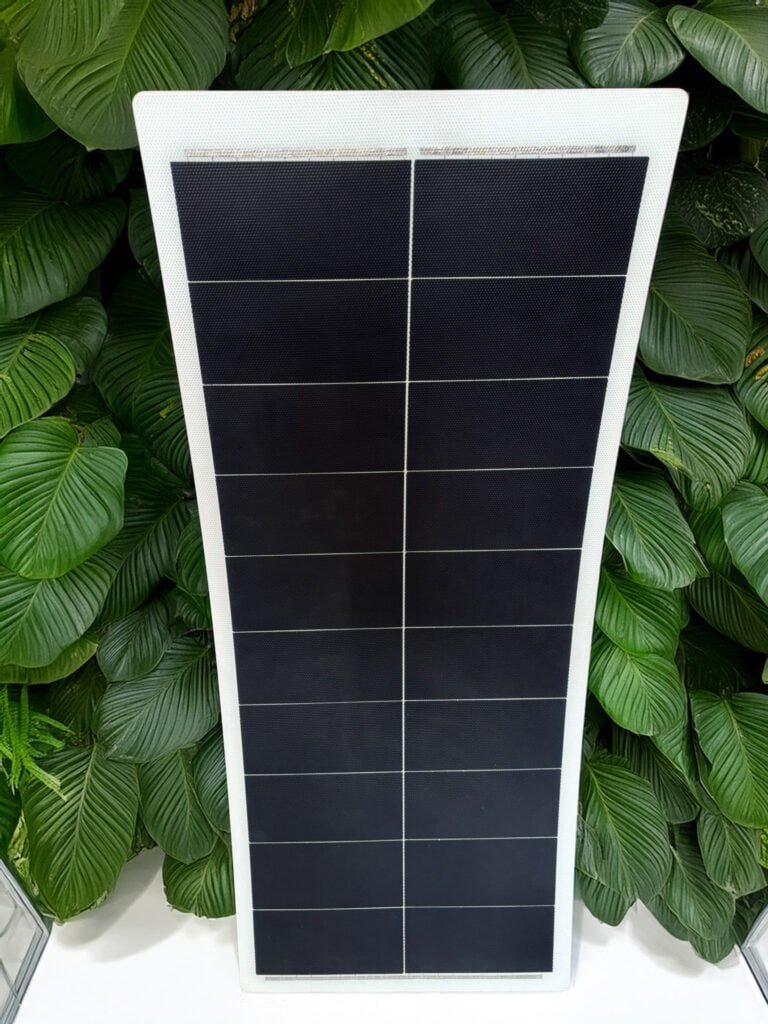
- Спецификация для применения в автодомах, на судах или с использованием гибких панелей.
⚠️ Укладка черепицы по-прежнему имеет смысл, когда…
- Бюджет является ограничивающим фактором, а горизонт окупаемости составляет менее 10 лет.
- Крыша просторная, с чистым, незатененным пространством, ориентированным на юг.
- Климат мягкий и сухой, с низкими циклами замерзания и оттаивания.
- Осуществление крупномасштабных закупок для стандартизированных наземных или промышленных проектов.
- В Британской Колумбии еще не налажена цепочка поставок для вашего региона.
- Проект не предполагает интеграцию в здание или классификацию BIPV (интегрированные в здание фотоэлектрические системы).
🏁 Итог
Солнечные батареи с черепичной конструкцией стали настоящим новшеством. Они позволяли извлекать больше энергии из того же химического состава без необходимости строительства новых заводов. Они действительно улучшили управление затенением и эстетику по сравнению с предыдущими моделями. В течение нескольких лет они были правильным выбором премиум-класса для покупателей, которым требовался более высокий уровень защиты, чем стандартные PERC-солнечные батареи.
Технология обратного контакта работает на структурно ином уровне. Переместив все контакты на заднюю сторону, ячейки BC не только уменьшают потери затенения на передней поверхности, но и устраняют физическое ограничение, присущее любой конструкции с фронтальным контактом. В результате достигается более высокая эффективность потолка, лучшее светоотдача при слабом освещении, превосходные показатели затенения и пожарной безопасности, отсутствие риска повреждения клеем ECA и бесшовная поверхность, которая органично вписывается в строительные нормы ЕС, которые ужесточаются в период с 2026 по 2030 год.
Разница в стоимости реальна, но быстро сокращается. Сроки действия директивы EPBD подтверждены законодательством ЕС. Истечение срока действия патента неумолимо идет. Для покупателей, заказывающих системы, которые будут работать 25–30 лет в условиях все более строгих правил ЕС, технология BC не является премиальной опцией, предназначенной только для элитных проектов. Это становится рациональным вариантом по умолчанию для любой установки, где важны пространство, затенение, регулирование или долговечность.
🌞 Ищете солнечные панели из Британской Колумбии и гибкие солнечные панели?
Компания Couleenergy производит модули HPBC 2.0, ABC и гибкие модули с задним контактом из ETFE, включая серию CLM (стандартная толщина 2,7 мм / премиум-класса 9 слоев толщиной 3,3 мм), для дистрибьюторов B2B, монтажников и OEM/ODM-проектов в Европе и Северной Америке. Возможны индивидуальные размеры, сертификация и низкий минимальный объем заказа.
☎ +1 737 702 0119
❓ Часто задаваемые вопросы
Требуются ли солнечные панели в Британской Колумбии в соответствии с Европейской директивой по окружающей среде и безопасности (EPBD)?
Директива ЕС по энергоэффективности зданий (EPBD, EU/2024/1275) не устанавливает обязательных требований к конкретной технологии солнечных панелей. Она предписывает поэтапную установку солнечных батарей на новых и существующих зданиях с 2026 по 2030 год. Однако сочетание обязательного использования солнечной энергии, целей по созданию зданий с нулевым уровнем выбросов и растущих требований к архитектурной интеграции делает высокоэффективные панели BC — особенно их безупречный внешний вид и превосходную плотность мощности на квадратный метр — практичным выбором для соответствия требованиям в проектах с ограниченным пространством или интегрированных в фасад здания.
В чём реальная разница в эффективности затенения между бетоном и черепицей?
Панели с черепичной крышей используют параллельную проводку подцепей для ограничения каскадного затенения — это существенное улучшение по сравнению со стандартными панелями с последовательной проводкой. Панели BC с технологией HPBC 2.0 используют конструкцию с плавным пробоями, которая позволяет отдельным ячейкам обходить затененные участки внутри, а не накапливать тепло. Согласно заводским испытаниям LONGi, это снижает потери мощности при частичном затенении более чем на 701 ТБ3Т и снижает температуру в локальных зонах на 281 ТБ3Т по сравнению со стандартными модулями TOPCon. Это данные, предоставленные производителем на основе контролируемых испытаний; при оптовых закупках запрашивайте подтверждающую документацию.
Как сравнить общую стоимость владения (TCO) между кровельным покрытием из березы и черепицей для европейского коммерческого и промышленного проекта?
Начнем с стоимости установки за кВт⋅ч, а не за панель. Более высокая эффективность BC уменьшает количество модулей, что сокращает затраты на монтаж, прокладку кабелей и монтажные работы (значительно по европейским расценкам). Затем смоделируем выработку за 25 лет: гарантированное снижение выработки BC составляет 0,351 TP3T/год по сравнению с приблизительно 0,40–0,501 TP3T/год для современных панелей TOPCon N-типа с черепичной конструкцией. При средних ценах на электроэнергию в ЕС (~0,190 евро/кВтч по данным Евростата за первое полугодие 2025 г.)[14]), как правило, совокупное преимущество в объеме производства компенсирует надбавку за панельное телевидение в течение 6–9 лет для жилого сектора и 8–12 лет для коммерческого и промышленного секторов в центральных регионах ЕС.
Почему клей ECA в черепичных панелях имеет особое значение для климата ЕС?
Клеевой адгезив (ECA) склеивает перекрывающиеся полосы ячеек в модулях, выполненных в виде черепицы. Рецензируемые исследования подтверждают, что при испытании IEC на воздействие влажного тепла (85°C / 85% RH) коэффициент заполнения модулей в виде черепицы снижается из-за диффузии атомов серебра из клеевого соединения в кремниевую пластину — даже когда собственное электрическое сопротивление клея остается стабильным.[10] Климат Центральной и Северной Европы, помимо воздействия влажности, добавляет к этому циклы замораживания-оттаивания. В панелях BC не используется электрохимический контактный слой (ECA): контакты наносятся непосредственно на ячейку, что полностью исключает этот путь отказа.
📚 Сноски и источники
- Архитектура клеток рака молочной железы.
В солнечных элементах с тыльным контактом (BC) все электрические контакты n-типа и p-типа перемещаются на тыльную поверхность, оставляя лицевую сторону полностью свободной для поглощения света. К этому семейству относятся варианты IBC, HPBC 2.0 и ABC. —Обзор продукта LONGi Hi-MO X10 (longi.com/eu) - Потери от затенения по фронтальной линии сетки на обычных панелях с полными ячейками.
Металлические решетчатые линии и шины на стандартных панелях с цельными ячейками обычно блокируют 7–91 Тл3Т входящего излучения до того, как оно достигнет активного кремниевого слоя. Технология черепичной компоновки уже существенно снижает этот показатель за счет устранения выступающих шин. Технология BC полностью исключает слой с передним контактом.Couleenergy: почему технологии Британской Колумбии меняют солнечную энергетику - Определение HPBC 2.0.
Технология Hybrid Passivated Back Contact второго поколения от LONGi сочетает в себе пассивацию задней поверхности по типу TOPCon с архитектурой ячеек с задним контактом и задней структурой с нулевой шиной (0BB). Коммерческое производство начнётся в 2025 году. —LONGi EU: Объяснение технологии HPBC 2.0 - 25,4% — мировой рекорд эффективности модуля, сертифицировано Fraunhofer ISE, октябрь 2024 г.
Компания LONGi Green Energy официально объявила о рекорде 23 октября 2024 года. Рекорд подтвержден немецким Институтом солнечной энергетики им. Фраунгофера (Fraunhofer ISE). Включен в таблицу рекордов эффективности фотоэлектрических модулей NREL и в список мировых исторических рекордов эффективности модулей Мартина Грина. —Официальное объявление LONGi (longi.com/us)·независимое освещение событий в журнале pv-magazine - Диапазон температурного коэффициента для черепичных панелей: от −0,29% до −0,35%/°C.
Диапазон значений охватывает как современные модульные батареи N-типа на основе технологии TOPCon (от -0,291 TP3T до -0,321 TP3T/°C, согласно эталонному значению LONGi TOPCon), так и более старые модульные батареи P-типа на основе технологии PERC (приближающиеся к -0,351 TP3T/°C). Диапазон значений для P-типа не распространяется на большинство N-типовых изделий 2024–2025 годов выпуска. При сравнении технических характеристик всегда проверяйте тип ячейки. —TaiyangNews: Сравнение температур LONGi HPBC 2.0 и TOPCon - Температурный коэффициент HPBC 2.0: −0,26%/°C.
Подтверждено в нескольких официальных документах LONGi, посвященных выходу на рынок (ЕС, Испания/Португалия, Италия, 2024–2025 гг.). LONGi заявляет, что это представляет собой улучшение на 0,031 TP3T/°C по сравнению с эталонными модулями TOPCon, у которых этот показатель составляет −0,291 TP3T/°C — приблизительно 101 TP3T относительного улучшения.Технические характеристики LONGi Hi-MO X10 для Испании/Португалии (longi.com/eu) - Ежегодная деградация современных солнечных модулей N-типа: ~0,40–0,501 ТТ3Т/год.
Авторитетный обзор NREL, подготовленный Джорданом и Курцем (опубликован вПрогресс в области фотовольтаики, Согласно данным (2013 г.), средняя скорость деградации составляет примерно 0,51 TP3T/год для всех технологий плоских фотоэлектрических панелей, при этом современные монокристаллические кремниевые модули находятся в нижней части этого диапазона. Премиальные продукты TOPCon N-типа, которые в настоящее время составляют основу для черепичных модулей, достигают приблизительно 0,40–0,501 TP3T/год. Показатели 0,55–0,651 TP3T в некоторых более старых сравнениях относятся к панелям PERC P-типа и мультикристаллическим панелям, а не к современным продуктам N-типа.Джордан и Куртц, препринт NREL/JA-5200-51664 (docs.nrel.gov)• Опубликовано:Прогресс в области фотовольтаики21(1):12–29, 2013, DOI:10.1002/pip.1182 - Гарантированная степень деградации HPBC 2.0: 0,351 TP3T/год в течение 30 лет.
Официальные технические характеристики LONGi Hi-MO X10: деградация в первый год ≤1%, затем линейная скорость деградации 0,35%/год. Гарантия на изделие 15 лет, линейная гарантия на мощность 30 лет. —pv-magazine: Подтверждение технических характеристик LONGi Hi-MO X10 - В Британской Колумбии надбавка к цене составляет примерно 15–201 тыс. рупий за три тонны по сравнению со стандартом (снижение с 30–401 тыс. рупий за три тонны в 2022 году).
Отражает рыночные ценовые тенденции по состоянию на 2024–2025 годы, обусловленные наращиванием производственных мощностей LONGi и Aiko в Британской Колумбии. Премия не является одинаковой для разных поставщиков или регионов. —Обзоры экологически чистой энергии: самые эффективные солнечные панели 2026 года - Деградация под воздействием влажного тепла в ECA — миграция Ag и снижение коэффициента заполнения (рецензировано).
В условиях ускоренного старения по стандарту IEC при относительной влажности 85°C / 85% коэффициент заполнения модуля в виде черепицы снизился из-за диффузии атомов серебра из соединений ECA в кремниевую пластину, что привело к образованию параллельных путей утечки тока. Собственное электрическое сопротивление ECA осталось неизменным, что подтверждает, что причиной отказа является интерфейс ECA-кремний.ScienceDirect: “Исследование надежности электропроводящих клеев для кремниевых фотоэлектрических модулей, сложенных черепицей”.” Материалы для солнечной энергетики и солнечные элементы, 2021 - КПД коммерческого модуля HPBC 2.0: 24,8%.
Это было подтверждено компанией LONGi изданию pv-magazine во время объявления о мировом рекорде в октябре 2024 года и постоянно указывалось во всей документации, касающейся выхода Hi-MO X10 на рынок. —pv-magazine: Объявление о мировом рекорде LONGi 25.4% - Характеристики затенения HPBC 2.0: снижение потерь мощности более чем на 701 TP3T; снижение температуры в зонах перегрева на 281 TP3T.
Обе цифры взяты из официальной документации LONGi по запуску продукта Hi-MO X10. Показатель 70% относится к снижению потерь мощности при затенении отдельных ячеек по сравнению со стандартными модулями TOPCon. Показатель 28% относится к снижению температуры в затененных ячейках в идентичных условиях. Оба показателя получены на основе контролируемых испытаний, проведенных производителем; независимые исследования, результаты которых были бы опубликованы в рецензируемых журналах, пока не приводятся. При оптовых закупках запрашивайте подтверждающую документацию по испытаниям. —Объявление о выпуске LONGi Hi-MO X10 (longi.com/en) - IEC 61215 и IEC 61730 — стандарты квалификации фотоэлектрических модулей.
Стандарт IEC 61215 охватывает квалификацию конструкции и типовое одобрение наземных фотоэлектрических модулей из кристаллического кремния. Стандарт IEC 61730 охватывает требования к квалификации безопасности. Оба стандарта являются обязательными для маркировки CE в соответствии с Директивой ЕС о низковольтном оборудовании и являются обязательными эталонными стандартами в спецификациях закупок солнечных модулей в ЕС.IEC 61215-1:2021 в интернет-магазине IEC - Средняя стоимость электроэнергии для домохозяйств в ЕС: ~0,287 евро/кВтч; для частных лиц и предприятий: ~0,190 евро/кВтч.
Статистика цен на электроэнергию Евростата: средняя цена для бытовых потребителей в ЕС-27 во втором полугодии 2024 года составила 0,2872 евро/кВтч (с учетом всех налогов и сборов); средняя цена для потребителей, не являющихся домохозяйствами, в первом полугодии 2025 года составила 0,1902 евро/кВтч. Цены значительно различаются в зависимости от страны-члена: Германия — около 0,384 евро/кВтч для бытовых потребителей (первое полугодие 2025 года); Нидерланды и Италия — в диапазоне 0,26–0,32 евро.Евростат: Статистика цен на электроэнергию — пояснение к статистике (ec.europa.eu/eurostat)·Пресс-релиз Евростата: Цены на электроэнергию для домохозяйств за первое полугодие 2025 года (октябрь 2025 г.) - Регламент ЕС о строительной продукции (CPR) — Регламент (ЕС) 305/2011 — Требования к интегрированным в здания фотоэлектрическим системам.
Фотоэлектрические модули, используемые в качестве строительных изделий (выполняющие конструкционную, гидроизоляционную или облицовочную функцию), должны иметь маркировку CE в соответствии с Регламентом о контроле качества электротехнической продукции (CPR) в дополнение к стандартной электрической маркировке CE. Это требует наличия Декларации о соответствии (DoP), составленной в соответствии с гармонизированным стандартом. Это отдельный и более строгий путь соответствия, чем стандартная электрическая маркировка CE, получаемая в соответствии с IEC 61215/61730.EUR-Lex: Регламент (ЕС) № 305/2011 — Регламент о строительных изделиях (eur-lex.europa.eu) - IEC 62548-1:2023 — Требования к проектированию фотоэлектрических массивов и риск возникновения зон перегрева.
IEC 62548-1:2023 (Фотоэлектрические (ФЭ) батареи — Часть 1: Требования к проектированиюВ нем изложены требования к безопасности проектирования фотоэлектрических систем, включая устройства электрической защиты и конфигурацию массива. Это издание 2023 года заменило IEC 62548:2016. Оно сосуществует с IEC 60364-7-712 (стандарт установки низковольтных фотоэлектрических систем, на который ссылаются европейские национальные строительные нормы, включая немецкий DIN VDE 0100-712). —IEC 62548-1:2023 в интернет-магазине IEC (webstore.iec.ch) - Директива ЕС по EPBD/2024/1275 — Сроки введения обязательного требования по установке солнечных батарей.
Пересмотренная Директива об энергетической эффективности зданий вступила в силу 28 мая 2024 года. Государства-члены должны имплементировать ее к 29 мая 2026 года. Установка солнечных батарей обязательна для новых общественных и нежилых зданий площадью более 250 м² к 31 декабря 2026 года; для новых жилых зданий — к 31 декабря 2029 года; все новые здания должны соответствовать стандарту зданий с нулевым уровнем выбросов (ZEB) к 2030 году. Сроки зависят от национальной имплементации и оценки целесообразности. —Европейская комиссия: Солнечная энергия в зданиях — Руководство по статье 10 Директивы ЕС об энергетической безопасности (energy.ec.europa.eu) - Целевая производственная мощность LONGi HPBC 2.0 составит 50 ГВт к концу 2025 года.
В официальном пресс-релизе LONGi о запуске Hi-MO X10 в Испании и Португалии в феврале 2025 года говорится: “LONGi стремится достичь производственной мощности примерно в 50 ГВт для модулей HPBC 2.0 к концу 2025 года”.LONGi EU: Запуск Hi-MO X10 на рынках Испании и Португалии (longi.com/eu) - Прогнозы доли рынка Британской Колумбии (301 тыс. тонн к 2028 году; 501 тыс. тонн к 2030 году) — оптимистичные сценарии.
Это прогнозы аналитиков, а не общепринятые прогнозы. По состоянию на 2024–2025 годы, на долю BC приходится приблизительно 3–51 тыс. тонн мировых поставок модулей; на долю TOPCon приходится около 701 тыс. тонн. Прогнозы частично обусловлены ожидаемым истечением срока действия ключевых патентов Maxeon/SunPower на технологию IBC примерно в 2028 году. Рассматривайте их как направленные сценарии. —Аналитический обзор Fortune Business Insights: Рынок солнечных батарей с обратной связью·EnergyTrend: Анализ конкуренции в технологическом секторе между компаниями TOPCon, HJT и BC, ноябрь 2024 г.
Технические характеристики отражают данные, опубликованные производителем, и результаты рецензируемых исследований, актуальные по состоянию на 2025 год. Все сроки, установленные Директивой об охране окружающей среды (EPBD), подлежат национальной имплементации; для получения информации о требованиях, действующих в конкретной юрисдикции, обратитесь к местному юрисконсульту. Для получения рекомендаций по выбору поставщиков для конкретного проекта: info@couleenergy.com · +1 737 702 0119


 Русский
  English
  Español
  Français
  Deutsch
  العربية