
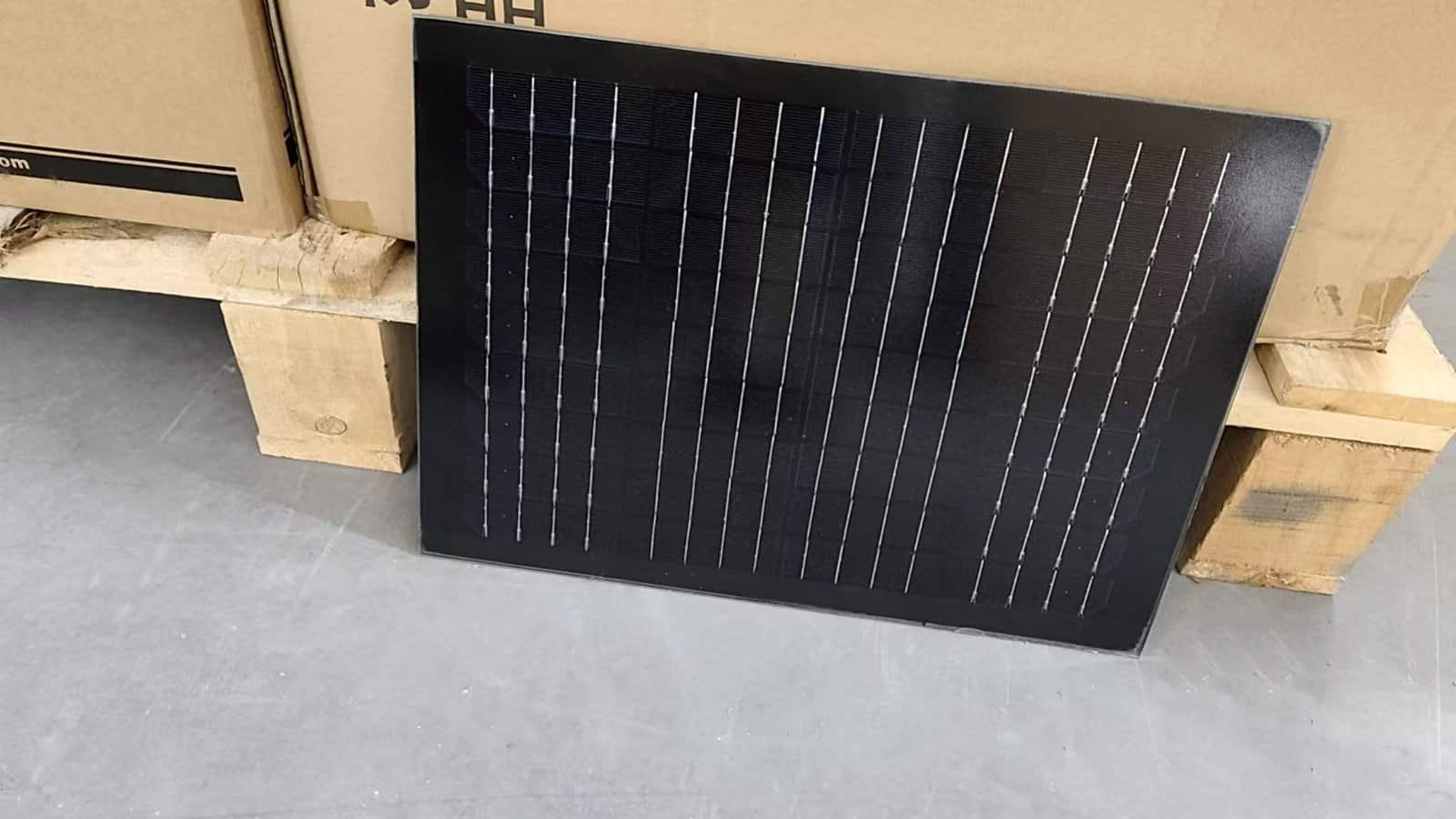
يظن معظم المشترين أن الحصول على وحدة شمسية صغيرة أمر بسيط. اختر القدرة الكهربائية، وابحث عن مصنع، ثم قدم الطلب.
نادراً ما تسير الأمور على هذا النحو.
تُعدّ وحدات الطاقة الشمسية الصغيرة من أكثر المنتجات التي تتطلب دقةً فنيةً في اختيار الموردين. فعلى عكس ألواح الطاقة الشمسية التقليدية المثبتة على أسطح المنازل - حيث تُركّز المصانع على خفض تكلفة الواط الواحد عند الإنتاج بكميات كبيرة - تُصمّم الوحدات الصغيرة وفقًا لتطبيقك، وجهد نظامك، ومساحة التركيب، والبيئة المحيطة. هذا المزيج من المتغيرات يجعل الاستعداد الجيد أهم ما يمكنك تقديمه عند التفاوض مع الموردين.
يغطي هذا الدليل كل ما يحتاج مشترو B2B إلى معرفته: ما هي التطبيقات التي تستخدم وحدات الطاقة الشمسية الصغيرة، وكيف تعمل حلول الطاقة الشمسية الصغيرة خارج الشبكة عمليًا، وما يحدث داخل المصنع، وكيفية العثور على مصدر موثوق للطلبات الصغيرة المخصصة، وما يجب التحقق منه قبل بدء إنتاج وحدة واحدة.
ما هي التطبيقات التي تستخدم وحدات الطاقة الشمسية الصغيرة؟
تظهر الألواح الشمسية الصغيرة - التي تتراوح قدرتها عادةً من أقل من 1 واط إلى حوالي 200 واط - في نطاق أوسع من المنتجات مما يتوقعه معظم المشترين. إليكم أماكن وجودها الفعلية.
المنتجات الاستهلاكية والمحمولة
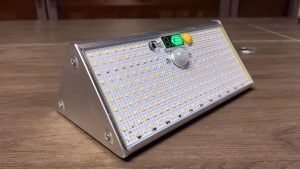
تُعدّ مصابيح الحدائق الشمسية والفوانيس الخارجية المثال الأكثر شيوعًا. تستخدم النماذج الأساسية خلايا متعددة البلورات صغيرة الحجم بقدرة تتراوح بين 1 و5 واط، بينما تستخدم المنتجات عالية الجودة بشكل متزايد خلايا أحادية البلورة. أما شواحن الطاقة الشمسية المحمولة لأجهزة USB، فتتراوح قدرتها عادةً بين 5 و25 واط.
تمثل الأجهزة القابلة للارتداء والمنسوجات الذكية مجالًا جديدًا واعدًا. ويجري دمج الألواح الدقيقة فائقة المرونة في حقائب الظهر والقبعات والملابس الخارجية، لا سيما في الأجهزة التي تقترن بأنظمة بلوتوث منخفضة الطاقة. كما تستخدم مجموعات أدوات العلوم والتكنولوجيا والهندسة والرياضيات التعليمية ألواحًا صغيرة بانتظام، مما يتيح للطلاب فرصة التعرف عمليًا على أساسيات الطاقة الشمسية.
إنترنت الأشياء والمراقبة الصناعية
يُعدّ نشر أنظمة إنترنت الأشياء في المناطق النائية والمنفصلة عن الشبكة أحد أسرع الأسواق نموًا لأنظمة الطاقة الشمسية الصغيرة. تخيّل ما تحتاجه هذه الأجهزة: طاقة مستمرة، في مواقع يكون فيها مدّ الكابلات غير عملي أو مكلفًا.
تشمل التطبيقات الشائعة ما يلي:
- ▸تتبع الأصول — علامات تحديد المواقع عبر الأقمار الصناعية التي تعمل بالطاقة الشمسية على حاويات الشحن وأساطيل المعدات والشحنات عالية القيمة
- ▸الرصد الزراعي — أجهزة استشعار التربة، وأجهزة التحكم في الري، ومحطات الأرصاد الجوية، وأجهزة مراقبة تخزين الحبوب
- ▸الرصد البيئي — أجهزة استشعار جودة الهواء، ومقاييس مستوى المياه، وأجهزة تسجيل الصوت الحيوي، وأجهزة تتبع الحياة البرية
- ▸العوامات البحرية — أنظمة مراقبة الأمواج ذاتية التشغيل وسفن المسح ذاتية الطاقة
كقاعدة عامة، يُعدّ استخدام الطاقة الشمسية خيارًا مناسبًا لتطبيقات إنترنت الأشياء عندما يتراوح عمر البطارية المُقدّر بدونها بين أربعة أيام وسنة تقريبًا. يُشكّل انخفاض عمر البطارية عن أربعة أيام خطرًا خلال فترات الغيوم الطويلة. أما إذا تجاوز عمر البطارية سنة، فقد يكون استبدالها سنويًا أسهل من إضافة لوحة شمسية. هذه الحدود ليست معايير صناعية، لذا اعتبرها معيارًا مفيدًا للبدء، وليست حدًا نهائيًا.
الطاقة خارج الشبكة والطاقة المتنقلة
تستخدم المركبات الترفيهية والشاحنات المُعدّلة عادةً ألواحًا شمسية صغيرة الحجم بقدرة 50-200 واط مثبتة على سطح المركبة، لتغذية بطارية 12 فولت. أما القوارب والمنشآت البحرية فتتطلب ألواحًا شمسية صغيرة الحجم صلبة أو شبه مرنة تتحمل الاهتزازات ورذاذ الماء والهواء المالح. وتستخدم الكبائن والمستودعات الصغيرة المعزولة عن الشبكة الكهربائية مجموعات الألواح والبطاريات لتشغيل الأحمال الأساسية. وتتضمن مجموعات الاستعداد للطوارئ بشكل متزايد ألواحًا شمسية محمولة قابلة للطي.
BIPV و VIPV
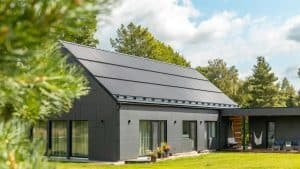
تُمثل أنظمة الخلايا الكهروضوئية المدمجة في المباني (BIPV) وأنظمة الخلايا الكهروضوئية المدمجة في المركبات (VIPV) الجزء الأكثر تعقيدًا من الناحية التقنية في سوق الوحدات الصغيرة. تحل أنظمة BIPV محل مواد البناء التقليدية أو تُكملها - مثل بلاط الأسقف وألواح الواجهات والزجاج - مع توليد الكهرباء. أما أنظمة VIPV فتدمج ألواحًا خفيفة الوزن مباشرةً في أسطح المركبات، مما يتطلب غالبًا وحدات أرق وأخف وزنًا بكثير من المنتجات القياسية، مع مرونة كافية لتناسب هياكل المركبات المنحنية.
كلا التطبيقين يتطلبان تصميمات مخصصة. ونادراً ما تتناسب مع أبعاد الكتالوجات القياسية.
يحتاج المشترون العاملون في مجال BIPV أو VIPV إلى شريك OEM/ODM، وليس موزعًا للمنتجات الجاهزة. نادراً ما تتناسب أبعاد الكتالوج القياسية مع هذه التطبيقات - تبدأ الهندسة المخصصة من مرحلة تحديد المواصفات.
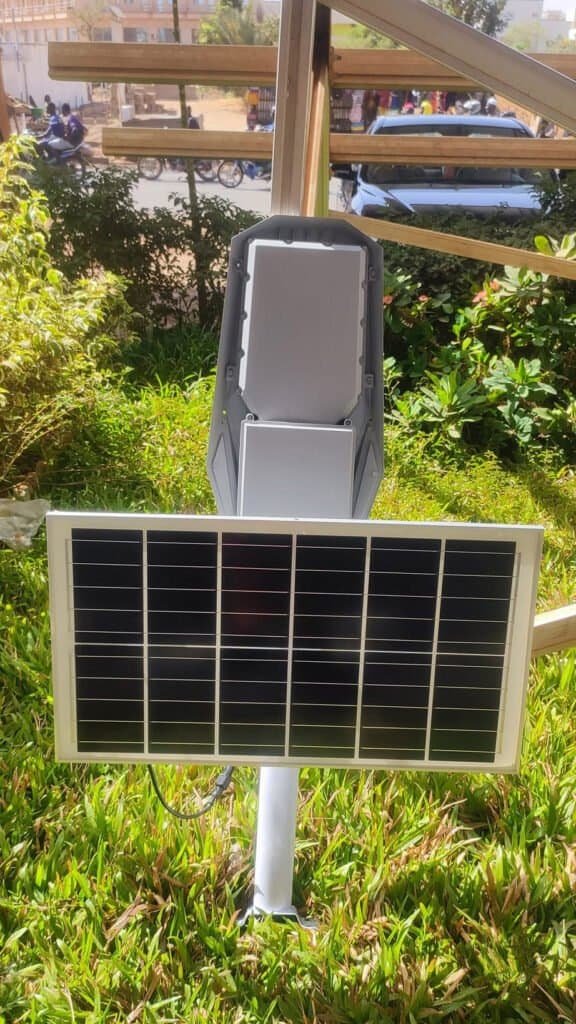
حلول الطاقة الشمسية الصغيرة خارج الشبكة: اختر النظام، وليس مجرد اللوحة.
إليك الخطأ الأكثر شيوعًا الذي يرتكبه المشترون عند استخدام حلول الطاقة الشمسية الصغيرة خارج الشبكة: إنهم يحددون القدرة الكهربائية ويتجاهلون الجهد الكهربائي.
تختلف لوحة الطاقة الشمسية بقدرة 20 واط المصممة لنظام بطارية الرصاص الحمضية بجهد 12 فولت اختلافًا تامًا عن لوحة الطاقة الشمسية بقدرة 20 واط المصممة لجهاز إنترنت الأشياء ببطارية ليثيوم بجهد 3.7 فولت. يتغير عدد خلايا السلسلة، وجهد الدائرة المفتوحة، ونطاق جهد التشغيل تبعًا للحمل ووحدة التحكم بالشحن.
قبل طلب عرض سعر لأي تطبيق خارج الشبكة، تأكد من هذه الأمور الخمسة:
- 1 تحميل الملف الشخصي — ما هو معدل استهلاك الطاقة اليومي بالواط/ساعة؟ وما هو معدل ذروة الاستهلاك؟
- 2 جهد البطارية — 3.7 فولت، 6 فولت، 12 فولت، 24 فولت، أو كيمياء الليثيوم المخصصة؟
- 3 نوع منظم الشحن — هل هو PWM أم MPPT؟ ما هو نطاق جهد الإدخال الخاص به؟
- 4 توافر ضوء الشمس — كم عدد ساعات ذروة سطوع الشمس التي يتلقاها موقع التركيب؟
- 5 أسوأ سيناريو — كم عدد الأيام الغائمة المتتالية التي يجب أن يتحملها النظام؟
يُساعدك تحليل هذه البيانات على تحديد القدرة الكهربائية (بالواط) التي تحتاجها فعلياً للوحة الشمسية، وليس القدرة التي تبدو صحيحة من ورقة المواصفات. فاللوحة ذات الحجم الصغير تُسبب توقف النظام عن العمل، بينما تُهدر اللوحة ذات الحجم الكبير المال ومساحة التركيب.
في التطبيقات البحرية، وتطبيقات المركبات الترفيهية، وتطبيقات الطاقة الاحتياطية في حالات الطوارئ، تُعدّ المتانة البيئية بنفس أهمية القدرة الكهربائية الناتجة. مقاومة رذاذ الملح (IEC 61701)[1], تصبح مقاومة الاهتزازات والثبات ضد الأشعة فوق البنفسجية متطلبات لا تقبل المساومة بمجرد أن تغادر اللوحة سطحًا محميًا.
تصنيع الألواح الشمسية الصغيرة: كيف يعمل
يساعدك فهم عملية الإنتاج على طرح أسئلة أفضل واكتشاف الموردين الضعفاء بشكل أسرع.
تقنيات الخلايا المستخدمة في الوحدات الصغيرة
تستخدم معظم اللوحات الصغيرة أحد أنواع الخلايا الثلاثة التالية:
- أحادي البلورية (مونو PERC / TOPCon) - أعلى كفاءة لكل وحدة مساحة، الأفضل للتطبيقات ذات المساحة المحدودة
- متعدد البلورات - تكلفة أقل، وكفاءة أقل قليلاً، ولا تزال موجودة في المنتجات الاستهلاكية منخفضة التكلفة للغاية مثل مصابيح الحدائق الأساسية، على الرغم من انخفاضها لصالح التقنيات أحادية اللون في معظم قطاعات التطبيق.
- الأغشية الرقيقة (السيليكون غير المتبلور وسيليكون الإنديوم والغاليوم والكبريت) يتميز السيليكون غير المتبلور (a-Si) بخفة وزنه ومرونته، مما يجعله مناسبًا للأسطح المنحنية والأجهزة القابلة للارتداء؛ كما أنه يعمل بكفاءة في تطبيقات المستهلكين منخفضة الطاقة وتطبيقات إنترنت الأشياء، بينما يحقق سيلينيد النحاس والإنديوم والغاليوم (CIGS) كفاءات أعلى للاستخدامات المتطلبة في أنظمة الخلايا الكهروضوئية المدمجة في المباني (BIPV) وأنظمة الخلايا الكهروضوئية المرنة (VIPV).
تكتسب بنية الخلايا ذات التلامس الخلفي (BC) رواجًا متزايدًا في الوحدات الصغيرة عالية الجودة. ونظرًا لوجود نقاط التلامس الكهربائية على السطح الخلفي، فإن خلايا BC تقضي على خسائر التظليل في الشبكة الأمامية.[2] وإنتاج مظهر أنظف وأكثر تجانسًا - وهي ميزة عملية لأنظمة BIPV و VIPV حيث تكون الجماليات مهمة.
عملية التصنيع المخصصة
يقوم مصنع تصنيع المعدات الأصلية/مصنع التصميم والتصنيع الأصلي ذو الإدارة الجيدة بمعالجة طلب لوحة صغيرة مخصصة من خلال أربع مراحل واضحة:
يُعدّ التسرّع في إنجاز المرحلتين الثانية والثالثة مسؤولاً عن نسبة كبيرة من حالات فشل مشاريع الألواح الصغيرة. فالتأخير البسيط أثناء أخذ العينات أقل تكلفة بكثير من إنتاج كامل لألواح غير مطابقة للمواصفات.
ضوابط الجودة المباشرة للتحقق
قبل الموافقة على أي مصنع للإنتاج بكميات كبيرة، تأكد من وجود فحوصات الجودة التالية:
- مسح EL (التألق الكهربائي) — يكشف عن تشققات دقيقة وعيوب خلوية غير مرئية للعين البشرية
- اختبار الوميض (محاكي الطاقة الشمسية) — يؤكد أن خرج الطاقة الفعلي يطابق المواصفات المقدرة في ظل ظروف الاختبار القياسية (STC: إشعاع 1000 واط/م²، طيف AM1.5G، درجة حرارة الخلية 25 درجة مئوية)[3]
- اختبار الغرفة البيئية — 200 دورة حرارية (TC200) بين -40 درجة مئوية و+85 درجة مئوية وفقًا للمعيار IEC 61215[4], بالإضافة إلى اختبار الحرارة الرطبة عند درجة حرارة 85 درجة مئوية ورطوبة نسبية 85% لمدة 1000 ساعة متواصلة[5]
- اختبار الحمل الميكانيكي — يتحقق من سلامة الهيكل في ظل ظروف الرياح وأحمال الثلوج
- أخذ عينات AQL — بروتوكول منظم للقبول/الرفض للمنتجات النهائية بناءً على معيار ISO 2859-1:2026[6]
ينبغي الحفاظ على درجة حرارة ورطوبة ثابتتين في مناطق معالجة الخلايا. فالظروف غير المنضبطة أثناء عملية التغليف تُسبب عيوبًا كامنة تظهر بعد أشهر من التسليم، أي بعد فترة طويلة من اكتشافها بأي فحص جودة فوري.
أين تشتري ألواح الطاقة الشمسية المصممة حسب الطلب للطلبات الصغيرة
يُعدّ إيجاد مصنع يتعاون معك في تصميمات مخصصة - دون اشتراط حاوية شحن كاملة كحد أدنى - تحديًا حقيقيًا. إليك الخيارات العملية.
تصنيع المعدات الأصلية/تصميم المعدات الأصلية في الصين: جوهر الإمداد العالمي
تُنتج الصين الغالبية العظمى من الألواح الشمسية في العالم. والأهم بالنسبة للمشترين الذين يطلبون كميات صغيرة حسب الطلب، أن الصين تضم منظومة واسعة من المصانع المتخصصة في تصنيع الوحدات الصغيرة، وليس فقط المصانع الكبيرة التي تهيمن على تغطية الصحافة التجارية.
تشمل التجمعات الصناعية الرئيسية ما يلي:
- تشجيانغ (نينغبو، هانغتشو) — تركيز قوي من المتخصصين في تصميم اللوحات الصغيرة حسب الطلب، والوحدات المرنة، والإنتاج الموجه نحو إنترنت الأشياء
- قوانغدونغ (دونغقوان، فوشان، شنتشن) — مصنعي أنظمة الطاقة خارج الشبكة والأنظمة الهجينة، أسعار تنافسية، كثافة مصانع عالية
- جيانغسو (تشانغتشو) — تتميز بوحدات متخصصة تشمل تطبيقات المركبات ذات الجهد العالي المتغير
- انهوى (خفي) — مصانع واسعة النطاق تغطي فئات منتجات متعددة
بالنسبة للمشترين الذين يتجهون إلى التوريد من الصين لأول مرة، تظل الفعاليات التجارية مثل معرض كانتون ومعرض سنغافورة الوطني للمعارض (SNEC) ذات قيمة كبيرة للقاء ممثلي المصانع الحقيقيين وجهاً لوجه. تُعد المنصات الإلكترونية مثل علي بابا وجلوبال سورسز نقاط انطلاق سهلة، ولكن من الضروري توخي الحذر من جانب المشتري، فليس كل مورد مدرج مصنعاً حقيقياً.
التحقق من واقع الحد الأدنى لكمية الطلب
تتطلب الوحدات الصغيرة المصممة حسب الطلب أعمالاً هندسية حقيقية: من تقطيع الخلايا وتجارب التغليف إلى تجهيز الأدوات والاختبار والتعبئة والتغليف. وهذا يعني أن تكلفة الوحدة الواحدة لإنتاج نموذج أولي مكون من 10 أو 50 قطعة أعلى بكثير من تكلفة الإنتاج بكميات كبيرة.
معظم مصانع الألواح الصغيرة المتخصصة في الصين تعمل بحد أدنى للطلبات يبدأ من حوالي 500 وحدة، مع توفر عينات بكميات إضافية. بعض المصانع تحدد الحد الأدنى بناءً على القدرة الكهربائية (بالواط) بدلاً من عدد الوحدات.
إذا كان حجم مشروعك صغيراً جداً - أقل من 50 لوحة - فإن الشراء المباشر من مصنع صيني نادراً ما يكون الخيار الأمثل من حيث التكلفة. غالباً ما يكون الموزعون المحليون الذين يمتلكون مخزوناً محلياً أو تجار الجملة الإقليميون للطاقة الشمسية أكثر جدوى في مثل هذه الحالات.
مؤشرات تحذيرية عند تقييم المصانع
انتبه لهذه الإشارات قبل التعاقد مع أي مورد:
- لا يمكنني شرح أو عرض تخطيط الخلية وفقدان الطاقة بين الخلية والوحدة (CTM) لتصميمك.
- مترددون في مشاركة بيانات مسح EL أو تقارير اختبار الفلاش من عمليات الإنتاج السابقة
- لا يمكن تقديم شهادات قابلة للتتبع تم التحقق منها من خلال السجل الإلكتروني للجهة المصدرة
- يطلب الدفع الكامل مقدماً دون وجود علاقة قائمة أو خيار تمويل تجاري
- يعرض سعراً أقل بكثير من سعر السوق دون تقديم تفسير واضح
يرحب المصنع المرخص بالأسئلة التقنية. أما إذا كانت الإجابات على الأسئلة الأساسية المتعلقة بعملية الإنتاج أو قدرات الاختبار غامضة أو مراوغة، فابحث عن مصنع آخر.
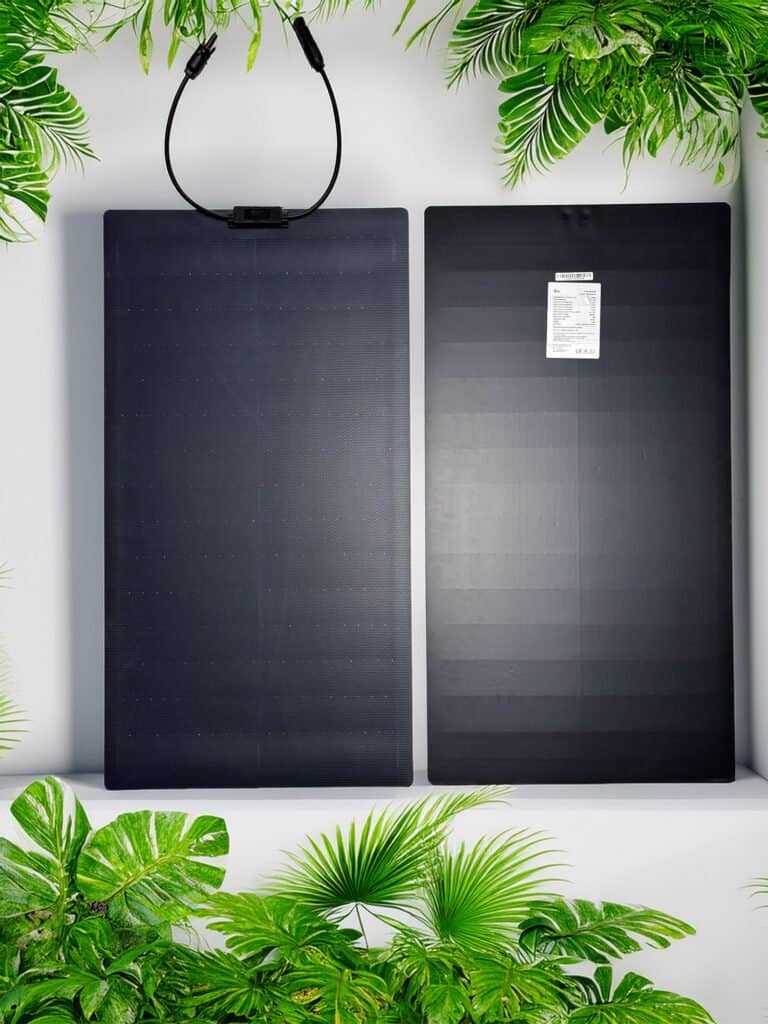
اختيار مصنع صغير لوحدات الطاقة الشمسية في الصين (OEM/ODM): ما يهم فعلاً
قد يدّعي مصنعان تقديم خدمات تصنيع المعدات الأصلية/تصميم المعدات الأصلية، لكنهما ينتجان نتائج مختلفة تمامًا. إليك ما يميّز الشريك الكفؤ حقًا عن مجرد ادعاء تسويقي.
القدرة التقنية أهم من السعر
السؤال الصحيح ليس "ما هو سعر الواط الواحد؟" بل السؤال الصحيح هو:
“"هل يمكنك شرح القرارات الهندسية في تصميم الوحدة الخاصة بي؟"”
بإمكان مصنع كفؤ أن يشرح لك بالتفصيل تصميم سلسلة الخلايا، وأسباب اختيار مواد التغليف، وتصنيف حماية صندوق التوصيل، وعملية التغليف. كما يمكنه أن يوضح لك جوانب التنازلات. أما المصنع الذي يقتصر حديثه على الأسعار فقط، فسيواجه صعوبات جمة عند حدوث أي خلل.
خيارات هيكلية مرنة
غالباً ما يحتاج مشتري الوحدات الصغيرة إلى تصميمات غير قياسية. تأكد من قدرة مصنعك على إنتاج ما يلي:
- وحدات زجاجية صلبة (بناء قياسي)
- وحدات ETFE المرنة (للتطبيقات المنحنية أو خفيفة الوزن)
- وحدات صغيرة ذات ظهر من مادة PET (شائعة في الإلكترونيات الاستهلاكية وإنترنت الأشياء)
- وحدات شبه مرنة (انحناء معتدل، مناسبة للمركبات الترفيهية والبحرية)
- وحدات زجاجية مزدوجة بدون إطار (لتطبيقات الخلايا الكهروضوئية المدمجة في المباني التي تتطلب الشفافية أو التكامل الهيكلي)
ليس كل مصنع يُدرج هذه الخيارات قادراً على توفيرها بجودة ثابتة. اطلب عينات مادية أولاً، واختبرها في بيئة استخدامك الفعلية.
الامتثال لقانون حماية المستهلك الموحد (UFLPA) للمشترين الأمريكيين
إذا كنت تستورد إلى الولايات المتحدة، فإن توثيق سلسلة التوريد ليس اختيارياً. يُطبق قانون منع العمل القسري للأويغور (UFLPA) من قبل إدارة الجمارك وحماية الحدود الأمريكية منذ يونيو 2022.[7], ، يُنشئ قرينة قابلة للدحض إن السلع المنتجة كلياً أو جزئياً في منطقة شينجيانغ الصينية، أو من قبل أي شركة مدرجة في قائمة كيانات قانون مكافحة الاستغلال القسري، تنطوي على عمل قسري، وبالتالي فهي غير مقبولة. ويقع على عاتق المستورد عبء دحض هذا الافتراض بأدلة واضحة وشاملة لسلسلة التوريد. وتُعتبر الألواح الشمسية مشمولة صراحةً في هذا النطاق، نظراً لأن السيليكون متعدد البلورات والرقائق والخلايا كانت تاريخياً تعتمد بشكل كبير على توريدات من شينجيانغ.
الأمر المهم هو أن مخاطر قائمة الكيانات تتجاوز المصانع الموجودة في شينجيانغ. فقد تم احتجاز شحنات شركات في جميع أنحاء الصين - وحتى في دول ثالثة مثل ماليزيا وفيتنام والهند - عندما تبين أن مصدر إمدادات البولي سيليكون الأولية الخاصة بها هو شينجيانغ.[8] يجب على المصنع الملتزم بالمعايير تقديم وثائق كاملة لسلسلة التوريد الخاصة بالسيليكون متعدد البلورات، والسبائك، والرقائق، والخلايا، والوحدات. اطلب هذه الوثائق قبل تقديم أي طلب.
تخضع واردات الولايات المتحدة من منتجات الطاقة الشمسية الصينية لهيكل رسوم جمركية متعدد المستويات، يشمل تعريفات القسم 301 وأوامر مكافحة الإغراق/التعويض، ويعمل هذا الهيكل بشكل منفصل تمامًا عن متطلبات قانون حماية المنتجات الاستهلاكية الأمريكية (UFLPA). وقد شهد نظام الرسوم الجمركية تغيرات كبيرة في الفترة 2025-2026، وتختلف المعدلات باختلاف تصنيف المنتج والمورد. لذا، يُنصح بالتحقق من الرسوم الجمركية المطبقة مع وسيط جمركي مرخص أو مستشار تجاري قبل وضع الصيغة النهائية لتكلفة الشحن.[9]
شهادات لا يمكنك الاستغناء عنها
لا تُعدّ الشهادات ضمانًا للجودة، ولكن عدم الحصول على الشهادات المناسبة يحول دون دخول السوق تمامًا. إليك ما يهم:
| شهادة | ما يغطيه | السوق المستهدف |
|---|---|---|
| IEC 61215[10] | تأهيل تصميم وحدات الخلايا الكهروضوئية المسطحة؛ يغطي معيار IEC 61215-1-1 السيليكون البلوري؛ وتغطي الأجزاء الفرعية 1-2 و1-3 و1-4 أغشية CdTe وa-Si وCIGS الرقيقة على التوالي، لتحل محل معيار IEC 61646 منذ إعادة هيكلة السلسلة في عام 2016. | خط الأساس العالمي |
| IEC 61730[11] | سلامة الوحدة: المخاطر الكهربائية والحريق والميكانيكية | خط الأساس العالمي - مطلوب عادةً إلى جانب معيار IEC 61215 |
| علامة CE | الامتثال لمعايير سلامة المنتجات في الاتحاد الأوروبي | الأسواق الأوروبية |
| RoHS | تقييد المواد الخطرة | الاتحاد الأوروبي ومتطلبات عامة |
| UL 61730[12] | معيار السلامة الحالي لوحدات الطاقة الشمسية الكهروضوئية في أمريكا الشمالية؛ مطلوب لجميع شهادات المنتجات الجديدة منذ ديسمبر 2019 (يحل محل UL 1703، الذي ينطبق فقط على القوائم القديمة لما قبل عام 2019) | الولايات المتحدة وكندا |
| IEC 61701 | مقاومة التآكل بسبب ضباب الملح | المناطق البحرية والساحلية |
| IEC 62716[13] | مقاومة التآكل بالأمونيا | البيئات الزراعية |
تحقق دائمًا من صحة الشهادات مباشرةً من الجهة المُصدرة - حيث تحتفظ جهات مثل TÜV Rheinland وSGS وIntertek وBureau Veritas بسجلات إلكترونية قابلة للبحث. نسخة الشهادة المُقدمة من المورد لا تُعتبر شهادة مُصدقة. إذا لم يُعثر على رقم الشهادة في السجل، فاعتبرها غير صالحة.
تجدر الإشارة إلى أن شهادات اللجنة الكهروتقنية الدولية (IEC) تغطي عينة تم إنتاجها وقت الاختبار، ولا تضمن بالضرورة جودة الدفعة التي تستلمها. توفر عمليات المسح الضوئي بتقنية EL على مستوى الدفعة وتقارير اختبار الفلاش من عملية الإنتاج الخاصة بك دليلاً مباشراً على الجودة.
قائمة التحقق قبل الإنتاج: ثمانية أمور يجب تأكيدها
قبل الموافقة على الإنتاج الضخم، تحقق من هذه المجالات الثمانية كحد أدنى:
بإمكان المشترين عن بُعد الذين لا يستطيعون زيارة الصين مباشرةً تكليف جهات خارجية بإجراء عمليات تدقيق للمصانع. يُساعد تحديد موعد لفحص مرحلة الإنتاج عند اكتمال دورة الإنتاج 30-50% - وليس مجرد فحص ما قبل الشحن - على اكتشاف المشاكل قبل انتهاء دورة الإنتاج الكاملة.
خلاصة القول: الاستعداد هو ميزتك التنافسية
تتوفر الألواح الشمسية الصغيرة بسهولة، ويمكن تخصيصها، وهي متوفرة من عدد كبير من المصانع ذات الكفاءة العالية في الصين. وهذا خبر سار للمشترين. لكن الفرق بين عملية إنتاج سلسة ونزاع مكلف يعتمد بشكل شبه كامل على الاستعداد.
حدد التطبيق بوضوح. تأكد من التصميم الكهربائي قبل أخذ العينات. اختبر العينات في ظروف واقعية. تحقق من الشهادات بشكل مستقل. احفظ وثائق سلسلة التوريد الخاصة بسوقك المستهدف. وضع بنودًا تعاقدية تضمن لك حقوقًا حقيقية في حال وجود قصور في الجودة أو التسليم.
يحصل المشترون الذين يقومون بهذا العمل مسبقاً على ألواح ذات أداء جيد - وعلاقات مع الموردين تستحق التكرار.
تواصل معنا
هل أنت مستعد لتحديد مواصفات وحدة الطاقة الشمسية الصغيرة المخصصة لك؟
يتعاون فريق Couleenergy مع مشترين من قطاع الأعمال في أوروبا وأمريكا الشمالية لتوفير وحدات BC مخصصة، وألواح ETFE مرنة، وحلول BIPV، بالإضافة إلى خدمات تصنيع المعدات الأصلية/تصميم المعدات الأصلية. أرسل مواصفاتك وسنرد عليك بتقييم هندسي عملي.
الحواشي
https://sistinesolar.com/solar-panel-standards-and-certification/ ↩
https://doi.org/10.1002/pssa.202300820 ↩
https://www.energysage.com/solar/solar-panel-testing-certifications/ ↩
https://winaico.com/blog/iec-61215/ ↩
https://sinovoltaics.com/damp-heat-testing/ ↩
https://www.iso.org/standard/85464.html ↩
https://www.dhs.gov/uflpa ↩
https://www.dhs.gov/2025-updates-strategy-prevent-importation-goods-mined-produced-or-manufactured-forced-labor-peoples ↩
https://www.energy.gov/cmei/systems/overview-trade-and-policy-measures-us-solar-manufacturing ↩
https://sinovoltaics.com/learning-center/certifications/iec-certifications/ ↩
https://www.ul.com/news/ul1703-ul-61730-pv-module-safety-standards-updates-making-transition ↩
https://www.ul.com/news/ul1703-ul-61730-pv-module-safety-standards-updates-making-transition ↩
https://tetrainspection.com/solar-panel-inspection/ ↩


 العربية
  English
  Español
  Français
  Deutsch
  Русский