
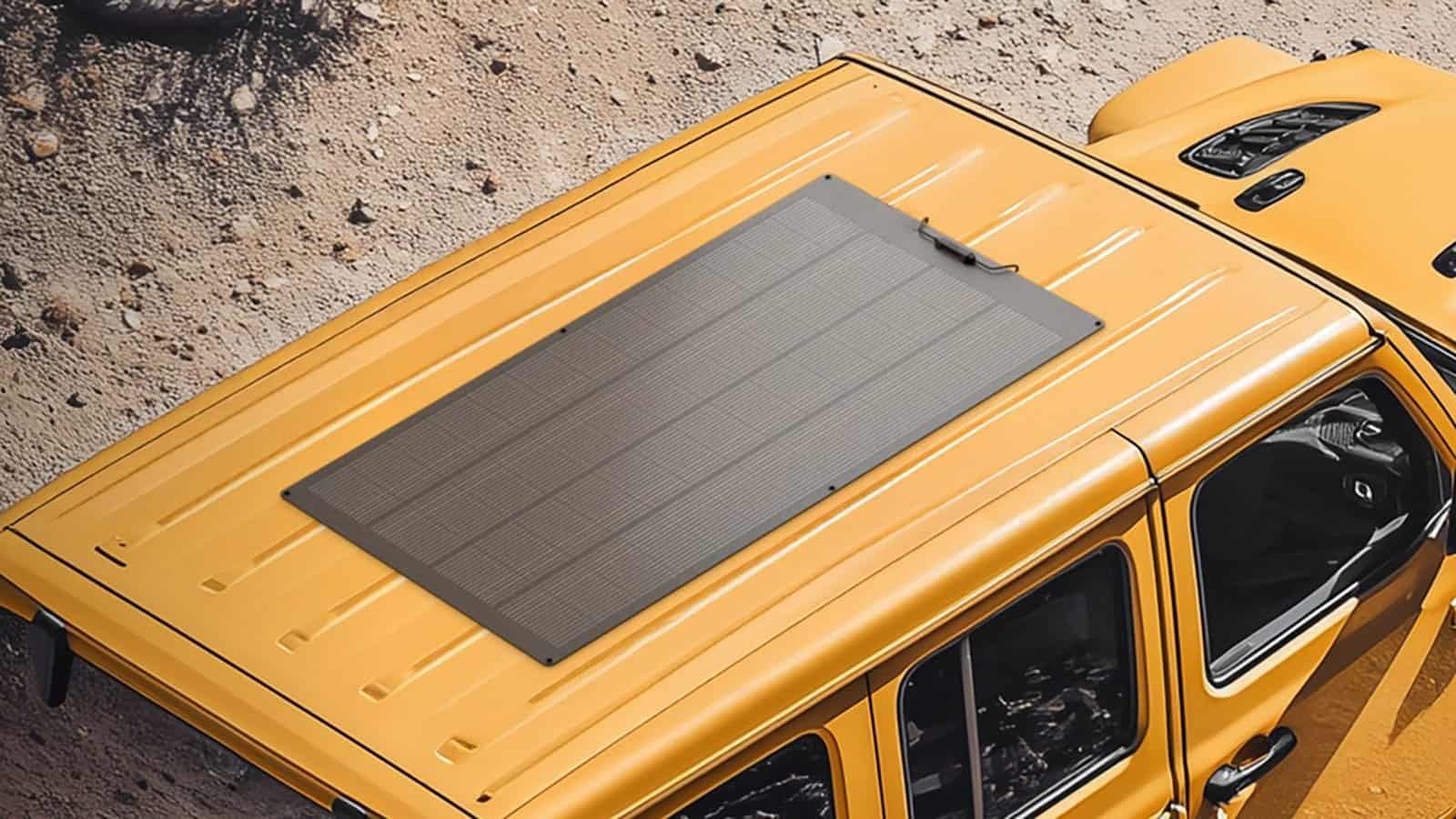
Техническое руководство по закупке и выбору материалов, охватывающее совместимость с кровлей, тепловые характеристики, вибростойкость, сертификацию и требования к спецификации при заказе панелей на заказ для строительства автодома или производственной линии OEM.
В большинстве руководств по установке солнечных батарей на автодомах сравниваются мощность и цена. Практически ни в одном не объясняется, почему две панели с идентичными техническими характеристиками показывают совершенно разные результаты после того, как они фактически прикручены, приклеены или установлены на движущемся транспортном средстве.
Этот зазор имеет значение. Крыша автодома — это не крыша жилого дома. Она вибрирует на высокой скорости, нагревается под прямыми солнечными лучами без защитного слоя на чердаке, слегка изгибается вместе с рамой автомобиля и на ней размещается оборудование — кондиционеры, вентиляционные отверстия, антенны — которое отбрасывает тени, с которыми крыша стационарного дома никогда не сталкивается. Технические характеристики панелей не тестируются ни в одном из этих условий.
В этом руководстве с инженерной точки зрения рассматриваются три типа панелей, используемых на крышах автодомов — жесткие, гибкие и двусторонние из стекла и стекла: как каждый из них выходит из строя, при каких условиях он является оптимальным выбором и что необходимо проверить перед заказом. Вторая часть написана специально для производителей оригинального оборудования, интеграторов автопарков и закупочных команд, занимающихся поиском панелей на заказ, а не просто для владельцев, покупающих панели поштучно.
Почему форма крыши определяет тип панелей в первую очередь?
Прежде всего, прежде всего, прежде всего, прежде всего: плоская или изогнутая крыша?
В автодом класса А с плоской крышей или в прицеп-фургон с пятым колесом можно установить практически любой формат панелей. В фургоне класса В с изогнутой крышей, в прицепе-каплевидной форме или в винтажном Airstream это невозможно. Жесткие алюминиевые каркасные панели физически не могут соответствовать закругленной поверхности — это не зависит от технических характеристик или бюджета.
Это единственное ограничение исключает один или два из трех форматов еще до того, как в обсуждение войдут стоимость, эффективность или что-либо еще. В большинстве руководств по покупке это упускается из виду в технических сравнениях. А ведь это должно стоять на первом месте.
Жесткие, гибкие и стекловолоконные: краткое сравнение.
| Особенность | Жесткий (моно/BC) | Гибкий (ETFE) | Двусторонняя стеклянная панель |
|---|---|---|---|
| Типичная эффективность | 20–25% | 15–18% (CIGS) до 20–23% (премиальный монокристаллический ETFE) | 20–25%, плюс прирост к задней части при подходящих условиях. |
| Типичная продолжительность жизни | 25–40 лет | Срок службы: 5–15 лет, в значительной степени зависит от качества монтажа. | Срок службы более 25 лет, зачастую дольше, чем у стандартных задних панелей. |
| Масса | Самый тяжёлый | Самый лёгкий — примерно на 70% легче, чем жёсткий материал. | Самый тяжёлый из трёх |
| Форма крыши подходит | Только квартира | Изогнутый или плоский | Только квартира |
| термообработка | Прочная конструкция — естественный воздушный зазор от монтажных кронштейнов. | Слабое место, если только в нем не создан преднамеренный пробел. | Прочный при подъеме по рельсам. |
| Способ крепления | Кронштейны, требуется сверление. | Клейкое покрытие, в основном не требующее сверления. | Кронштейны, требуется сверление. |
| Устойчивость к вибрации | Прочная — жесткая рама распределяет нагрузку | Зависит от качества герметика для кромок и клея. | Прочная, но более тяжелая конструкция увеличивает нагрузку на точки крепления. |
| Наиболее подходит для | Автодома с плоской крышей, системы для длительной эксплуатации. | Фургоны с изогнутыми линиями кузова, конструкции с ограничением по весу. | Премиальные конструкции с плоскими крышами, белые или светоотражающие крыши. |
Указанные выше диапазоны следует рассматривать как отправную точку, а не как гарантию. Эффективность быстро развивается: достигнуты показатели модулей с задним контактом премиум-класса. Повышение эффективности модулей 22–25% в серийном производстве к 2026 году., По сравнению с примерно 22–231 Т3Т всего два года назад, этот прирост в основном проявляется в жестких и стекловолоконных форматах. С действительно изогнутыми, гибкими панелями ситуация иная — большинство из них по-прежнему достигают максимума в 20–231 Т3Т, поскольку изгибание полноразмерной кремниевой пластины без микротрещин ограничивает возможности производителей по повышению эффективности ячеек в этом формате. Если “гибкая” панель рекламируется с эффективностью выше 231 Т3Т, спросите, действительно ли она изгибается на значимый радиус, или же “гибкость” на самом деле означает “легкая и безрамочная, но при этом жесткая”. Срок службы и эффективность зависят от производителя и качества сборки — бюджетная панель в любой категории будет значительно уступать по производительности правильно спроектированной.
Жесткие солнечные панели для автодомов: надежный вариант по умолчанию.
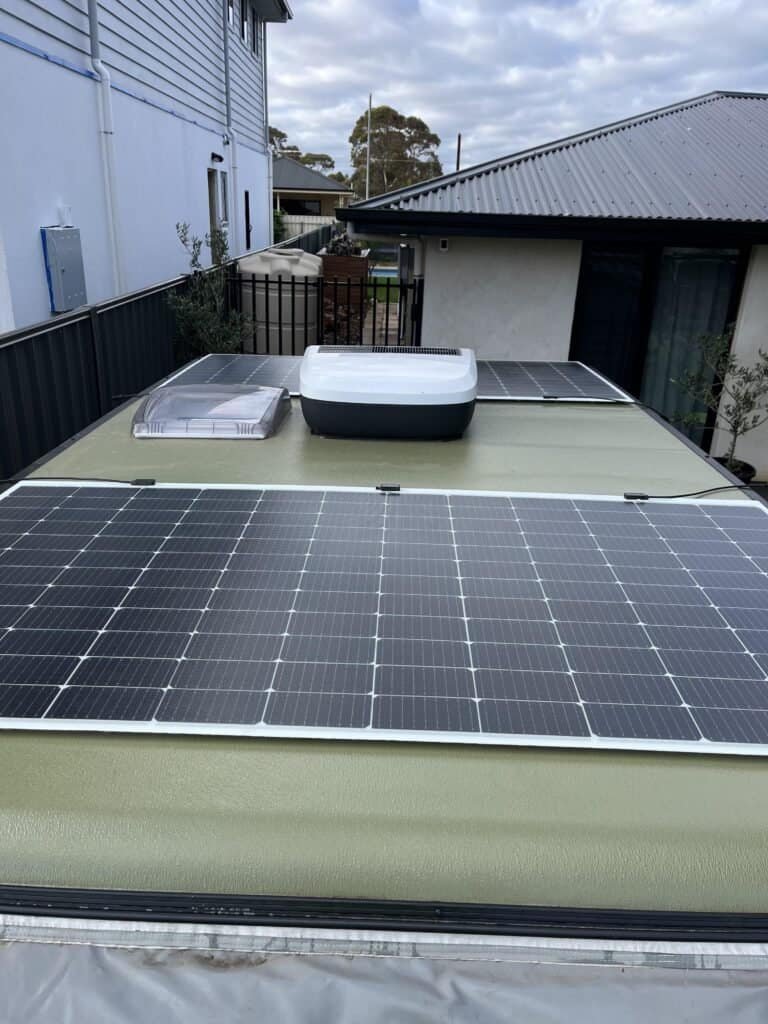
Жесткие панели используют формат, который отрасль совершенствовала десятилетиями: закаленное стекло сверху, алюминиевая рама по краям и монокристаллические или контактные ячейки внутри. История их применения богата, а механизмы отказов хорошо изучены — именно поэтому они остаются рекомендуемым вариантом для плоских крыш.
Настоящее преимущество заключается не в технологии ячеек. Оно в... воздушный зазор. Монтажные кронштейны приподнимают панель на несколько сантиметров над поверхностью крыши, и этот зазор обеспечивает конвективное охлаждение. Более холодные ячейки вырабатывают больше энергии — это основы физики полупроводников, а не маркетинговый ход.
The Влияние температуры на выходную мощность солнечных элементов В исследованиях фотоэлектрических систем хорошо известно, что мощность обычно падает на 0,4–0,51 TP3T на каждый градус Цельсия выше стандартных условий испытаний. Панель, работающая при температуре на 15–20 °C выше нормы, теряет значительную часть номинальной мощности в жаркий полдень — именно тогда, когда кондиционеру в автодоме эта мощность нужна больше всего.
Жесткие панели следует указывать в следующих случаях:
- Крыша плоская, площадь поверхности достаточна для размещения массива.
- При проектировании приоритет отдавался сроку службы более 20 лет, а не снижению веса.
- Максимальная плотность мощности на квадратный метр важнее, чем низкая заметность.
- Решающим фактором является общая стоимость за 20-летний период владения.
Не следует указывать жесткие панели в следующих случаях:
- Крыша не имеет какой-либо значимой кривизны.
- Конструкция имеет ограничения по весу и уже близка к пределу полезной нагрузки.
- Обтекаемый, сдержанный внешний вид — это обязательное требование.
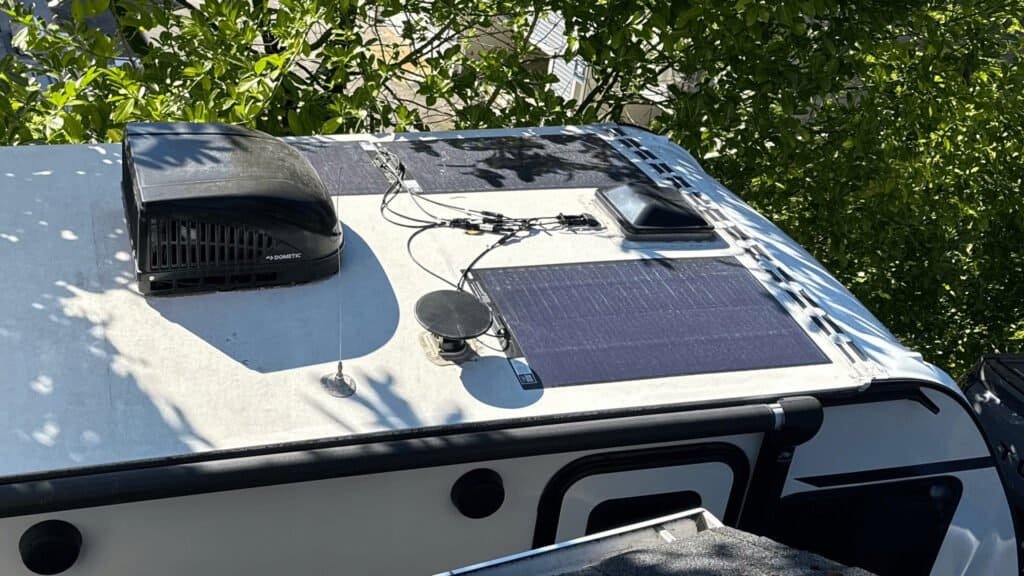
Гибкие солнечные панели для автодомов: легкие, но настоящая проверка на прочность — это нагрев.
Гибкие панели полностью исключают стекло и алюминий. Остается тонкий ламинат, обычно изготовленный на основе... ETFE (тетрафторэтилен этилена) верхний слой — который гнется, плотно прилегает и крепится с помощью клея, а не сверления.
Для изогнутых крыш реальной альтернативы нет. Закругленный кузов Airstream или линия крыши фургона класса B просто не могут вместить жесткую панель без изготовления на заказ, что обычно обходится дороже самой панели. Гибкие панели решают эту проблему напрямую.
Вот что в большинстве описаний товаров не указано четко: гибкие панели гораздо более чувствительны к способу установки, чем жесткие. Две идентичные гибкие панели, одна из которых закреплена с воздушным зазором, а другая приклеена плоско, будут стареть совершенно по-разному — даже несмотря на то, что технические характеристики одинаковы.
Объяснение закономерностей возникновения тепловых повреждений
Когда гибкая панель приклеивается непосредственно к крыше без циркуляции воздуха снизу, она может нагреваться на 15–30°F сильнее, чем аналогичная панель, установленная даже с небольшим зазором. В условиях прямого летнего солнца было зафиксировано, что полностью приклеенные панели нагреваются до температуры, достаточной для размягчения защитного слоя внутри ламината. Этот нагрев не только снижает производительность сегодня, но и ускоряет химическое разрушение, которое в конечном итоге приводит к расслоению.
Последовательность отказов предсказуема и почти всегда начинается с краев:
- Проникновение влаги в углу или на шве, часто в месте, где клеевое соединение наиболее тонкое.
- Помутнение инкапсулятора по мере того, как ламинат начинает терять оптическую прозрачность
- волдыри над самыми горячими ячейками, видимыми в виде небольших приподнятых пузырьков.
- Поднятие кромки и полное разделение, обычно добивает ветер на высокой скорости по шоссе.
Это проблема материаловедения, а не ошибка контроля качества. Тепло, влага и ультрафиолетовое излучение со временем разрушают любой полимерный ламинат — единственные переменные, которые может контролировать покупатель или интегратор, это способ монтажа и марка материала.
Решение, которое обычно упускается из виду в инструкциях по установке: Даже вентиляционный канал толщиной 5–10 мм под гибкой панелью, созданный с помощью клея в виде полосок или подушечек, а не путем полного контакта с поверхностью, значительно снижает рабочую температуру и продлевает срок службы. Для автопарков или производителей оборудования эта единственная деталь должна быть указана в руководстве по установке, а не рассматриваться как второстепенный момент, оставленный на усмотрение установщика.
Выбор капсулирующего материала не является необязательным.
| Инкапсулянт | Устойчивость к ультрафиолетовому излучению | Типичный срок службы в полевых условиях | Примечания |
|---|---|---|---|
| ДОМАШНИЙ ПИТОМЕЦ | Ниже | ~5 лет | Склонен к пожелтению и быстро разрушается под воздействием УФ-излучения. |
| ЭТФЭ | Высокий | 10–15 лет при правильной установке | Устойчив к пожелтению под воздействием УФ-излучения; выдерживает более высокие рабочие температуры. |
Если вы закупаете гибкие панели — для единичного заказа или для серийного производства — рассматривайте ETFE как базовое требование, а не как дополнительную опцию. Панели с ПЭТ-ламинированием — это ложная экономия на крыше, которая годами находится под прямыми солнечными лучами.
Гибкие панели следует указывать в следующих случаях:
- Крыша изогнутая: фургоны класса B, прицепы-капли, винтажные трейлеры Airstream.
- Конструкция имеет ограничения по весу и приближается к своей полной разрешенной массе.
- Требуется низкий, ровный профиль без сверления.
Не следует выбирать гибкие панели в следующих случаях:
- Предложенный способ монтажа предусматривает приклеивание всей поверхности без вентиляции.
- Система должна прослужить более 20 лет без дополнительных затрат на замену.
- Поставщик не может подтвердить наличие ламинирования ETFE в письменной форме.
Двусторонние стеклянные панели для автодомов: премиальный, но недооцененный вариант.
В панелях из закаленного стекла задний полимерный слой заменен вторым слоем. В результате получается более прочное, влагостойкое и — поскольку свет может проникать как спереди, так и сзади — потенциально более производительное устройство.
Особенность, касающаяся домов на колесах, специфична, и это та деталь, которую большинство страниц с описанием товаров упускают: двусторонняя светосила проявляется только при одновременном выполнении двух условий. Панель, установленная заподлицо на темной крыше, практически не использует преимущества для задней части автомобиля. Для того чтобы раскрыть их потенциал, панель должна быть установлена на возвышении с обеспечением циркуляции воздуха. и светлая или отражающая поверхность крыши снизу.
Такое сочетание редко встречается в большинстве проектов домов на колесах. Многие панели из цельного стекла устанавливаются заподлицо на темных крышах и по своим характеристикам напоминают немного более тяжелую одностороннюю панель — неплохой результат, но не то, за что покупатель заплатил больше.
Указывайте на панели из стекла в следующих случаях:
- Поверхность крыши белая или светоотражающая, а крепление приподнято.
- Прочность и влагостойкость важнее веса (суровый климат, использование вблизи моря).
- Данная разработка представляет собой премиальный экспедиционный автомобиль или программу для создания автопарка, рассчитанную на срок службы более 25 лет.
Не следует выбирать панели из стекла, если:
- Монтаж осуществляется вплотную к темной крыше (вы платите за двусторонний выигрыш, который не будет виден).
- Главным ограничивающим фактором является вес — это самый тяжелый из трех форматов.
Затенение и расположение ячеек: фактор, который чаще всего упускают из виду в руководствах по покупке.
Крыши домов на колесах представляют собой настоящий кошмар с точки зрения затенения по сравнению с чистыми крышами жилых домов. Кондиционеры, вентиляционные решетки, антенны и мансардные окна отбрасывают частичные тени, которые меняются в течение дня. В большинстве руководств для покупателей об этом не упоминается, потому что на крыше дома с чистым, ничем не затененным пространством это не имеет большого значения.
На стандартной панели, состоящей из целых ячеек, даже небольшая тень, покрывающая часть цепочки ячеек, может вызвать срабатывание сигнализации. эффект горячей точки, В этом случае обходной диод, покрывающий эту цепочку, отключает всю цепочку целиком — обычно треть от общей выходной мощности в стандартной 60-ячеечной компоновке, поскольку большинство модулей в таком формате используют три обходных диода на три цепочки по 20 ячеек. В конструкциях с половинными ячейками те же ячейки делятся на две и соединяются в параллельные цепочки, поэтому та же защита с помощью обходного диода теперь покрывает физически меньшую площадь на цепочку. Практический результат: тень, которая бы отключала треть выходной мощности целой панели, вместо этого воздействует на гораздо меньшую часть половинной панели.
Архитектура ячейки с обратным контактом (BC) Это еще не все. Перемещение шин в заднюю часть ячейки устраняет видимые линии сетки, которые фрагментируют активную поверхность ячейки, улучшает захват света при низких углах падения солнечных лучей и естественным образом сочетается с многорядными схемами, которые ограничивают потери от затенения конкретной затененной областью, а не всей панелью.
Для крыши автодома, загроможденной фурнитурой, это не просто косметическое улучшение. Это практическая разница между панелью, которая незаметно теряет несколько процентов мощности из-за тени от вентиляционного отверстия, и панелью, которая теряет 30–401 ТВт из-за того, что одна из нитей погасла.
Вывод из инженерной практики: При заказе нестандартной панели для крыши с известными препятствиями, запросите схему расположения ячеек и размещение обходных диодов, соответствующие конкретному типу крыши. Стандартная конфигурация стрингов, рассчитанная на чистую крышу жилого дома, не подходит для автодома.
Вибрация, разъемы и сертификация: то, что большинство покупателей никогда не проверяют.
Этот раздел большинство материалов о солнечных батареях для автодомов полностью пропускают, поскольку большая его часть написана для владельцев, сравнивающих два предложения от розничных продавцов, а не для тех, кто отвечает за автопарк или производственную линию.
Вибрация — это реальный, а не теоретический вид отказа. Паяные соединения, межсоединения ячеек и уплотнения распределительных коробок, которые хорошо работают в статической установке на крыше, могут изнашиваться и трескаться под воздействием длительной вибрации на высоких скоростях в течение месяцев или лет. ISO 16750-3 Это стандарт, используемый в автомобильной электронике для проверки компонентов на соответствие именно этому типу механических нагрузок — испытания на синусоидальную и случайную вибрацию в заданном диапазоне частот, имитирующие реальные дорожные условия. Очень немногие производители солнечных панелей проводят такие испытания, поскольку большинство солнечных панелей никогда не предполагают движения. Исключением должны быть панели для автодомов и автопарков.
Практические вопросы, которые следует задать поставщику перед заказом производственной партии:
- Проверялась ли именно эта модель панели — а не производитель в целом — на вибростойкость, или только на статическую механическую нагрузку (снег/ветер)?
- Какой метод герметизации используется для распределительной коробки, и рассчитан ли он на многократные термические циклы в сочетании с вибрацией?
- Припоя ли соединительные ленты для ячеек с использованием процесса, рассчитанного на устойчивость к усталости, или стандартного процесса статической установки?
Базовые требования к сертификации для любых панелей управления автодомами или мобильными приложениями:
- МЭК 61215 — Квалификация конструкции для обеспечения долговечности при термических циклах, влажности и механических нагрузках.
- МЭК 61730 — Квалификация по электробезопасности и пожарной безопасности
- МЭК 61701 — Устойчивость к коррозии в соляном тумане, что актуально для прибрежных маршрутов или использования вблизи морских судов.
- Разъемы с классом защиты IP67 — пыленепроницаемый и рассчитанный на кратковременное погружение в воду, что является практическим минимумом для соединительного элемента, подверженного воздействию дорожных брызг и мойки.
Ни один из этих сертификатов сам по себе не гарантирует, что панель выдержит годы эксплуатации на дорогах. Вместе они представляют собой наиболее близкое к объективному доказательству того, что поставщик действительно провел испытания в условиях, создаваемых крышей автодома, а не предполагает, что данные испытаний в жилых домах применимы и к ним.
Вес и полная разрешенная масса автомобиля: показатели, которые никто не проверяет, пока не становится слишком поздно.
Каждый килограмм, добавленный к крыше автодома, повышает центр тяжести и уменьшает грузоподъемность. Это влияет на управляемость, но еще важнее для соблюдения правил дорожного движения и безопасности в пределах разрешенной зоны транспортного средства. Полная масса транспортного средства (GVWR).
Установка четырех стандартных жестких панелей мощностью 300 Вт может добавить 70–100 кг к весу крыши, включая крепежные элементы. Для большого автодома класса А с запасом грузоподъемности это не проблема. Но для фургона класса В или легкого автодома-капли, уже приближающегося к пределу своих возможностей, это может стать единственным фактором, полностью исключающим использование жестких панелей.
Гибкие панели обычно весят примерно на 701 тонну меньше, чем аналогичные жесткие панели. Для конструкций с ограниченным весом эта разница иногда является единственным фактором, делающим солнечную энергетику вообще жизнеспособной.
Перед тем как выбирать панели для конструкции, в которой важен вес:
- Подтвердите текущий запас грузоподъемности, а не только указанную на наклейке на двери полную массу автомобиля — большинство автодомов работают на пределе своих возможностей, гораздо ближе к тому, что предполагают владельцы.
- Складывайте вес панели, крепежных элементов и кабелей в одну цифру, а не вес панели по отдельности.
- Помните, что вес, размещенный на крыше, влияет на удобство погрузки/разгрузки сильнее, чем тот же вес, хранящийся низко и по центру.
Какая панель подходит для вашего автодома? Методика принятия решений в зависимости от типа транспортного средства.
| Тип автодома | Рекомендуемый тип панели | Инженерное обоснование |
|---|---|---|
| Автодом класса А, с плоской крышей | Жесткая монолитная/BC конструкция или стекловолокно на белой крыше | Полезная нагрузка это позволяет; длительный срок службы окупает затраты на протяжении десятилетий. |
| Фургон класса B, изогнутая крыша | Гибкий ETFE (CIGS или с задним контактом) | Единственный формат, соответствующий кривой и учитывающий весовой лимит. |
| Класс C, смешанная кровля | Жесткий на плоских участках, гибкий на изогнутых участках. | Сочетает в себе прочность жесткого материала и гибкость. |
| трейлер типа «Эйрстрим» или винтажный трейлер | гибкий ETFE | Округлая форма тела полностью исключает жесткость. |
| Прицеп-полуприцеп | Жесткий или стекло-стекло | Плоская крыша и в целом достаточный запас полезной нагрузки. |
| Премиум OEM или для сборки автопарка | Стекло-стекло, возвышенная установка, белая крыша | Обеспечивает максимальный срок службы и является единственной конфигурацией, позволяющей получить двусторонний эффект усиления. |
Контрольный список покупателя перед оформлением заказа
- Убедитесь, плоская или изогнутая крыша — это сразу отсеивает один или два типа панелей.
- Проверьте текущий запас полезной нагрузки, а не только значение полной массы автомобиля, указанное на наклейке на двери.
- Для гибких панелей необходимо получить письменное подтверждение ламинирования ETFE (а не PET).
- Для гибких панелей убедитесь, что способ монтажа предусматривает воздушный зазор или вентиляционный канал.
- В случае панелей из стекла убедитесь, что поверхность крыши светлая или отражающая, если коэффициент теплопередачи с обеих сторон является частью обоснования целесообразности проекта.
- Составьте карту известных источников затенения (кондиционеры, вентиляционные отверстия, антенны) и запросите схему размещения ячеек, которая минимизирует потери от каждого из них.
- Убедитесь, что тип разъема имеет степень защиты IP67 или выше, что исключает воздействие дорожных брызг и мойки.
- Уточните, имеются ли данные испытаний панели на вибрацию, а не только данные испытаний на статическую нагрузку.
- При нестандартных размерах кровли необходимо убедиться, что производитель может изготовить модули по индивидуальным размерам.
Распространенные ошибки при заказе солнечных панелей для автодомов на заказ
Выбор солнечной панели только по мощности. Две панели с одинаковой мощностью могут значительно отличаться по термостойкости, виброустойчивости и характеристикам затенения. Мощность описывает условия эксплуатации в лабораторных условиях в первый день, а не полевые характеристики за десятилетие.
Предполагается, что данные, полученные в ходе тестирования жилых помещений, применимы. Панель, сертифицированная для стационарной установки на крыше, не проходила испытаний на вибрацию, термические циклы и воздействие мойки, характерные для транспортных средств. Уточните информацию об испытаниях для мобильных применений.
Выбор ПЭТ вместо ЭТФЭ позволяет сэкономить на себестоимости единицы продукции. Разница в сроке службы двух типов защитных покрытий настолько велика, что “экономия” обычно исчезает при первой же необходимости преждевременной замены панели — плюс к этому добавляются затраты на оплату труда при ее замене в готовом изделии.
Склеивание гибких панелей с помощью клея, покрывающего всю поверхность. В день установки это выглядит аккуратнее, но в процессе эксплуатации выходит из строя быстрее. Проектирование вентиляционного зазора практически ничего не стоит, а срок службы значительно увеличивается.
При выборе стеклопакетов цвет кровли не учитывается. Переплата за двустороннюю панель, которая будет плотно прилегать к темной крыше, — это самая распространенная ненужная трата средств в этой категории.
Рассматриваем расположение ячеек как фиксированное. Стандартные конфигурации проводки предназначены для крыш жилых домов без препятствий. Для крыши автодома с вентиляционными отверстиями и кондиционерами требуется схема расположения проводов и байпасных диодов, соответствующие фактической схеме препятствий — это требование, а не само собой разумеющееся условие большинства поставщиков.
Технические характеристики проектирования панелей на заказ для производителей оригинального оборудования и корпоративных покупателей.
Для производителей и интеграторов автопарков, закупающих панели по индивидуальному заказу, эти конструктивные решения неизменно отличают оборудование, демонстрирующее высокую производительность, от оборудования, которое просто хорошо выглядит в технических характеристиках:
- Технология ячеек: Ячейки с обратным контактом (BC) или TOPCon для жестких и стеклянных форматов; тонкопленочные CIGS, где требуется настоящая гибкость.
- Инкапсулятор: ETFE для гибких панелей; POE или двухканальный POE для панелей из стекла для ограничения деградация, вызванная потенциалом (PID) и проникновение влаги
- Профиль рамы: Анодированная алюминиевая рама толщиной 30–35 мм обеспечивает баланс прочности и веса для жестких панелей автодома.
- Разъемы: MC4 или эквивалент Разъемы с классом защиты IP67, с механической прочностью на вырыв, рассчитанной на многократное термическое расширение и циклическую вибрацию.
- Механическая квалификация: Запросите данные испытаний на вибрацию в соответствии со стандартом ISO 16750-3 наряду со стандартными испытаниями на механическую нагрузку по стандарту IEC 61215 — эти два метода не взаимозаменяемы.
- Индивидуальный размер: Крыши автодомов полны препятствий. Возможность вырезать панели нестандартных размеров зачастую является более важным фактором, чем еще один процентный пункт повышения эффективности.
- Схема расположения ячеек и размещение обходных диодов: Разработано с учетом фактической планировки кровли заказчика и известных источников затенения, а не по типовому шаблону.
Часто задаваемые вопросы
Можно ли использовать на крыше одного и того же автодома как жесткие, так и гибкие панели?
Да. Во многих конструкциях для повышения эффективности и увеличения срока службы на плоских участках используются жесткие панели, а на изогнутых или неудобных участках, где жесткие панели физически не подходят, добавляются гибкие панели.
Действительно ли гибким панелям нужен воздушный зазор, если они не приклеены по всей поверхности?
Да, если цель — долговременная работа. Даже частичное приклеивание полос или подушек, а не полное склеивание поверхности, создает небольшой канал, который существенно снижает рабочую температуру.
Стоит ли устанавливать стеклянные панели в стандартный автодом с темной крышей?
Обычно это не столько из-за преимущества двусторонней конструкции. Дополнительная прочность и влагостойкость все еще могут быть полезны, но ожидайте производительности, близкой к стандартной односторонней панели, если только крыша не светлого цвета и панель не приподнята над поверхностью.
Сколько на самом деле стоит затенение крыши автодома?
Это полностью зависит от компоновки ячеек. Панели, состоящие из целых ячеек, могут терять значительную часть общей мощности от одной затененной цепочки. Конструкции с половинным вырезом и задним контактом существенно ограничивают эти потери, изолируя затронутую область.
Какова реальная разница в сроке службы жестких и гибких панелей?
Срок службы жестких панелей обычно составляет 25–40 лет. Гибкие панели, даже хорошо изготовленные из ETFE при правильном монтаже, обычно служат 10–15 лет. Бюджетные панели из ПЭТ-ламината могут выйти из строя менее чем за 5 лет.
Стоит ли использовать технологию ячеек с задним контактом (BC) в качестве основного элемента панели для автодома?
Да, это подходит для крыш с интенсивным затенением и полностью черным дизайном. Ячейки BC улучшают устойчивость к затенению и внешний вид, устраняя видимые передние шины — существенное преимущество на крыше, перегруженной вентиляционными отверстиями и кондиционерами.
Какие сертификаты должны быть у изготовленной на заказ солнечной панели для автодома?
Стандарты IEC 61215 и IEC 61730 являются базовыми для квалификации конструкции и обеспечения безопасности. Для прибрежных или прилегающих к морю маршрутов важна устойчивость к солевому туману согласно стандарту IEC 61701. Для любой панели, установленной на движущемся транспортном средстве, следует уточнить, проходила ли она испытания по стандарту вибрации, например, ISO 16750-3 — большинство сертификатов на панели по умолчанию не охватывают этот аспект.
Ключевые выводы
- Форма крыши — первый критерий отбора. Для изогнутых крыш требуются гибкие панели; для плоских крыш можно использовать панели любого формата.
- Именно высокая температура, а не только воздействие солнечных лучей, является скрытой причиной выхода из строя гибких панелей. Даже небольшой вентиляционный зазор в несколько миллиметров существенно меняет ситуацию.
- Ламинирование ETFE является базовым требованием для гибких панелей на крыше автодома, а не дополнительной опцией.
- Двустороннее усиление света от стеклянных панелей проявляется только при приподнятом креплении и наличии отражающей крыши. Без обоих этих факторов вы платите за функцию, которая вам не понадобится.
- Затенение от оборудования, установленного на крыше, является более серьезной проблемой в реальных условиях эксплуатации автодомов, чем на крышах большинства жилых домов. Полуячеистые или контактные с задней стороны конструкции справляются с этим гораздо лучше, чем стандартные цельноячеистые конструкции.
- Вибростойкость редко проверяется по умолчанию. Для любой панели, установленной на движущемся транспортном средстве, запрашивайте данные испытаний на вибрацию отдельно — не следует предполагать, что сертификация на статическую нагрузку это охватывает.
- При принятии решений о весе следует учитывать фактический текущий запас полезной нагрузки, а не только показатель полной массы транспортного средства.
В заключение
Не существует универсальной “лучшей” солнечной панели для автодома — есть только подходящая панель для конкретной формы крыши, допустимой нагрузки, климата и схемы затенения.
Жесткие панели остаются наиболее долговечным вариантом там, где крыша плоская. Гибкие панели из ETFE — единственный реалистичный вариант для изогнутых поверхностей, при условии правильного отвода тепла за счет надлежащего монтажа. Панели из стекла оправдывают свою высокую стоимость только тогда, когда конфигурация монтажа действительно раскрывает их преимущества.
Для производственных линий OEM-производителей, модернизации автопарков или уникальных проектов с необычной крышей указанные выше технические характеристики — воздушные зазоры, марка герметизирующего материала, компоновка ячеек, виброустойчивость и номинальные характеристики разъемов — определяют реальные эксплуатационные характеристики гораздо сильнее, чем любой отдельный показатель эффективности в технической спецификации.
Для получения рекомендаций по индивидуальным размерам панелей, компоновке ячеек или вариантам модулей с задним контактом для применения в автодомах и мобильных устройствах, обратитесь к технической команде Couleenergy:


 Русский
  English
  Español
  Français
  Deutsch
  العربية