
دليل اختيار للمشترين والمهندسين وفنيي التركيب وفرق منتجات الشركات المصنعة للمعدات الأصلية - وماذا تفعل عندما لا تتناسب أي لوحة قياسية.
“"النوع N" هو نوع رقاقة، وليس مواصفة.
كل أسبوع، يصلنا طلب يكون نصه تقريباً على النحو التالي: “"نحن بحاجة إلى ألواح أحادية من النوع N، بقدرة 200 واط، وجهد 12 فولت، وبأفضل سعر."”
هناك مواصفة حقيقية واحدة في تلك الجملة. أما الباقي فهو مجرد عادة.
يشير مصطلح "النوع N" إلى تطعيم الرقاقة بالفوسفور بدلاً من البورون. هذه الحقيقة تستبعد مجموعة من المشاكل القديمة، وأهمها التدهور الضوئي الناتج عن تفاعل البورون والأكسجين. ولا تُشير إلى أي شيء بخصوص بنية الخلية، أو كفاءة الوحدة، أو ما إذا كانت اللوحة ستناسب سطح منزلك، أو قاربك، أو جهاز التحكم بالشحن الخاص بك.
أما الجدل التكنولوجي، فقد انتهى. شكل السيليكون البلوري ما يقارب 981 تريليون طن من الإنتاج العالمي للخلايا الكهروضوئية في عام 2025، وتجاوزت رقائق السيليكون من النوع n حصة 801 تريليون طن لتتفوق على رقائق السيليكون من النوع p، وفقًا لـ النسخة السابعة عشرة من خارطة طريق ITRPV. ال تقرير فراونهوفر ISE عن الخلايا الكهروضوئية يؤدي ذلك إلى ارتفاع حصة النوع n قليلاً مرة أخرى. تتصدر تقنية TOPCon السوق، بينما تستمر تقنية PERC من النوع p في التراجع.
ولهذا السبب، فإن طلب سيارة من طراز "N" في عام 2026 يشبه إلى حد ما طلب سيارة بمحرك من تاجر سيارات. ستحصل على محرك، لكنه قد لا يكون المحرك الذي تحتاجه.
فيما يلي ما يجب مقارنته بدلاً من ذلك، مرتبة بحيث يتم اتخاذ القرارات الأكثر خطورة أولاً.
النقاط الرئيسية
- النوع N هو نوع من أنواع الرقائق، وليس درجة أداء. اسأل عن بنية الخلية التي تقع فوقها.
- اطلب نتيجة UVID عند 120 كيلوواط ساعة/م² على قائمة المواد الدقيقة. يُعتبر فقدان أقل من 2% هو المعيار؛ وتختلف موثوقية النوع N حسب قائمة المواد، وليس حسب الاختصار.
- التقديم أولاً. تُكافئ المنتجات المُدمجة في الأسطح، والسفن، والمركبات الترفيهية، والأنظمة الكهروضوئية المدمجة في المباني، والمنتجات المُدمجة مع مُصنّعي المعدات الأصلية، مُقايضات مُختلفة.
- تُعتبر القدرة المقدرة بالواط أقل الأرقام فائدة في ورقة البيانات. تحدد كثافة الطاقة، وسلوك درجة الحرارة، والملاءمة الفيزيائية الناتج الفعلي.
- يُعدّ الجهد الكهربائي قراراً تصميمياً. “"لوحة 12 فولت" هي اختصار يدمر الطاقة بهدوء في الأنظمة الحقيقية.
- قارن التكلفة أخيرًا. لا يصبح لتكلفة الواط الواحد معنى إلا عندما تتناسب اللوحة مع المهمة.
- عندما لا تجد ما يناسبك، توقف عن التسوق وابدأ بتحديد المواصفات.
1. ابدأ بالتطبيق، وليس بورق البيانات
أسرع طريقة لشراء اللوحة الخاطئة هي فتح ورقة البيانات قبل تحديد المهمة.
تُعاقب التطبيقات نقاط الضعف المختلفة. فالمزرعة الأرضية تتغلب على معامل درجة حرارة متوسط بإضافة صفوف؛ بينما لا يحتاج القارب إلى إضافة صفوف. يتحمل سطح المنزل سماكة 30 مم؛ بينما لا تتحملها شريحة الستارة. لذا، يتغير ترتيب الأولويات، وأحيانًا بشكل كامل.
| طلب | ما يهم أكثر | أقل ما يهم |
|---|---|---|
| أسطح المباني السكنية والتجارية | كفاءة الوحدة، سلوك الظل، المظهر | الوزن، السماكة |
| سيارة سكن متنقلة وشاحنة | الوزن، الارتفاع، التثبيت اللاصق، الحرارة | ازدواجية الوجه، قوة الهيكل |
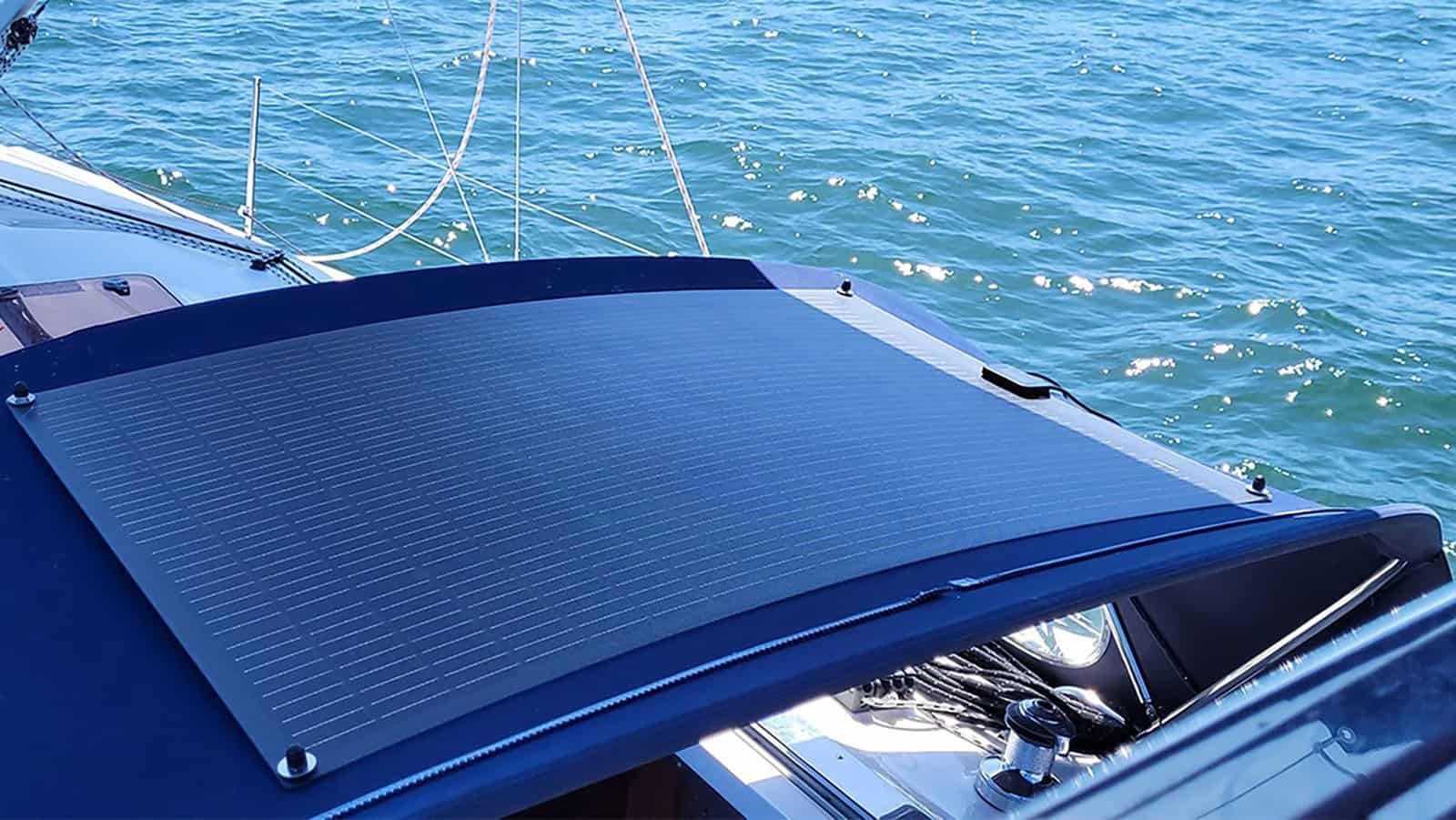
| سطح السفينة والقارب | مقاومة للتآكل، سهولة المشي، مرونة، مقاومة للأشعة فوق البنفسجية | ذروة الطاقة الاسمية |
| واجهة وسقف من الخلايا الكهروضوئية المدمجة في المباني | الأبعاد، المظهر، الشفافية، سلوك النار | واط لكل وحدة |
| محمول ويعمل خارج الشبكة | نمط الطي، المتانة، جهد الخرج | التدهور على المدى الطويل |
| منتج متكامل مع الشركة المصنعة الأصلية | الحجم الدقيق، مخرج الكابل، نقاط التثبيت، التوافق الكهربائي | توافر الكتالوج |
اكتب طلبك في جملة واحدة قبل طلب عروض الأسعار. هذا يوفر عليك جولتين من رسائل البريد الإلكتروني.
2. مقارنة بنية الخلية: TOPCon مقابل HJT مقابل التلامس الخلفي
بعد تثبيت التطبيق، انظر داخل الوحدة. يستخدم كل منتج جاد تقريبًا من النوع N في عام 2026 أحد ثلاثة بنى معمارية.
توبكون تُعدّ وصلات أكسيد النفق المُخَمَّلة الخيار الأمثل: فهي تتميز بسلسلة توريد واسعة، وتشكيلة واسعة من الأحجام، وأقصر فترات التسليم. وهي الخيار الافتراضي الأمثل لأعمال التركيب القياسية على الأسطح والأرضيات.
إتش جيه تي تتميز الوصلة غير المتجانسة بأداء حراري معتدل واستجابة قوية في الإضاءة المنخفضة. كما أن قاعدة التوريد الأقل سمكًا وخيارات التنسيق المخصصة الأقل تجعلها مناسبة للمناخات الحارة والمشاريع التي تركز على الإنتاجية بدلاً من المشاريع المصممة خصيصًا.
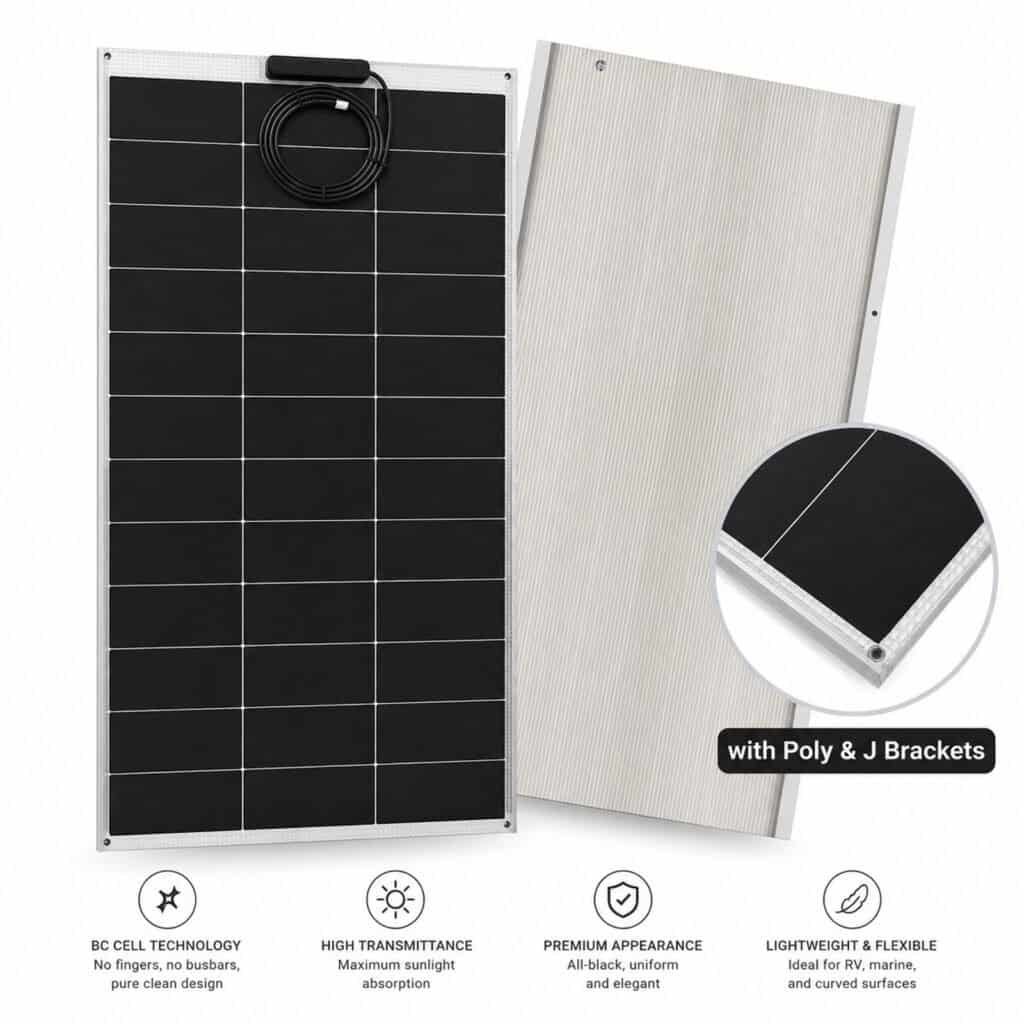
الاتصال الخلفي (BC، HPBC، ABC، IBC) — هنا، تنتقل الطبقة المعدنية بالكامل إلى الخلف، تاركةً واجهة أمامية خالية من قضبان التوصيل أو خطوط الشبكة. تزداد مساحة المنطقة النشطة، ويتحسن المظهر، ويتغير سلوك الظل.
وهي أيضاً الفئة الأسرع نمواً: تتوقع ITRPV 2026 أن تصل حصة BC في السوق إلى حوالي 28% خلال العقد الحالي. أينما كانت اللوحة مرئية - الواجهات، والأسقف السوداء بالكامل، والمنتجات الاستهلاكية، وتكامل المركبات - فإنها عادة ما تكون المرشح الأقوى.
| توبكون | إتش جيه تي | الاتصال بالخلف | |
|---|---|---|---|
| نضج العرض | أعلى | واسطة | ينمو بسرعة |
| المظهر الأمامي | خطوط الشبكة المرئية | خطوط الشبكة المرئية | نظيف، بدون خطوط شبكية |
| سلوك درجة الحرارة | جيد | الأفضل في فئته | جيد جدًا |
| حساسية الأشعة فوق البنفسجية | يعتمد على قائمة المواد | أعلى مستوى في الاختبارات | يعتمد على قائمة المواد |
| مرونة في تنسيق الملفات المخصصة | جيد | محدود | جيد إلى ممتاز |
| أفضل ملاءمة نموذجية | إعلان عام | المناخ الحار، إنتاجية عالية | مرئي، محدود المساحة، متكامل |
هل يتفوق الاتصال الخلفي فعلاً على تقنية TOPCon؟
أحيانًا. تشتد المنافسة التسويقية من كلا الجانبين، وتكون الأدلة أكثر إثارة للاهتمام من الشعارات. ابدأ بالبيانات الميدانية، واقرأ المصادر بعناية.
في ورقة بيضاء صادرة عن شركة جينكو سولار تغطي شهرًا واحدًا في موقع الاختبار التابع لها في كاغوشيما، تحققت شركة TÜV Nord من نسب الأداء التالية: 94.19% لـ TOPCon، و91.99% لوحدة BC من النوع p، و89.29% لوحدة BC من النوع n (عبر مجلة الطاقة الشمسية الكهروضوئيةهناك ملاحظتان يجب أخذهما بعين الاعتبار عند دراسة هذه الأرقام: الدراسة أجرتها الشركة المصنعة، وشهر واحد لا يمثل سنة. وحتى مع استبعاد هذه النتائج، فإنها تُضعف الادعاء بأن "وسائل منع الحمل تفوز دائمًا".
بُنيت سمعة شركة BC على التظليل، والصورة هناك أفضل ولكنها لا تزال محدودة. دراسة محاكاة TÜV NORD لعام 2026 تم رصد تفوق BC تحت تأثير التظليل الخفيف، خاصةً عندما يمتد الظل عبر أوتار فرعية مختلفة ضمن وتر واحد. مع زيادة الضغط، تتقارب خسائر BC مع خسائر TOPCon.
حددت دراسة منفصلة أجرتها شركة ترينا سولار وجامعة نانتشانغ قيمةً تقريبيةً لهذا التقاطع: تتفوق تقنية الخلايا السوداء (BC) عند أقل من ثلاث خلايا مظللة تقريبًا، وتتطابق التقنيتان عند تجاوز هذه القيمة. ويكمن سر هذا التفوق في جهد انهيار خلية الخلايا السوداء البالغ 5 فولت، مقارنةً بجهد الانحياز العكسي اللازم لتشغيل صمام ثنائي جانبي، والذي يبلغ حوالي 15 فولت.
قراءة عملية: تُثبت BC جدارتها على الأسطح المظللة، وعلى أسطح السفن التي تتقاطع معها ظلال الحبال، وفي أي مكان يُسهم فيه المظهر في تسويق المنتج. إنها لا تُمنح شيكًا على بياض. المورد الذي يدّعي أن BC تتفوق على TOPCon في جميع الظروف لم يقرأ بيانات الاستخدام الميداني.
سؤال الموثوقية الذي لا تجيب عنه ورقة البيانات: التدهور الناتج عن الأشعة فوق البنفسجية
يعتمد تسويق النوع N على المتانة. أما الصورة البحثية فهي أكثر تعقيداً، ولن يثيرها أي مورد دون طلب.
يؤثر التدهور الناتج عن الأشعة فوق البنفسجية (UVID) على بنى النوع n بشكل أكبر من جيل PERC الذي حل محله. وقد أجرت شركة Kiwa PVEL اختبارات على أكثر من 80 قائمة من المواد. وُجد أن متوسط فقد الطاقة يبلغ 3.1% لتقنية TOPCon و4.2% لتقنية HJT، مقابل 2.2% لتقنية PERC. قام المختبر الوطني للطاقة المتجددة (NREL) بقياس ذلك لاحقًا فقدان غير قابل للاسترداد يتراوح بين 2.3% و 3.2% بعد جرعة مكافئة من الأشعة فوق البنفسجية لمدة عام واحد — بما يكفي لتجاوز حدود الضمان المعتادة.
لكنّ القطاع يعمل على إصلاح الوضع، والاتجاه العام لا يقل أهمية عن العنوان الرئيسي. بطاقة النتائج الحالية تشير التقارير إلى انخفاض متوسط خسائر TOPCon UVID إلى 3.0% خلال العام الماضي، مع انخفاض نسبة مكونات المواد التي فشلت في اختبار UVID من 6% إلى 3%. وقد توصلت كل من شركة Trina Solar وجامعة نانتشانغ، بشكل منفصل، إلى أن جزءًا كبيرًا من هذا التأثير يعود إلى شبه مستقر ويستعيد حالته عند تعرضه للضوء، دون أي تأثير ملحوظ على طاقة المجال..
عند قراءة هذه المعلومات مجتمعة، يتضح اتجاه واحد: مشكلة التلف الناتج عن الأشعة فوق البنفسجية تتعلق بقائمة المواد، وليست ببنية الخلية. المتغير هو تركيبة مواد التغليف والطلاء. قد تتصرف وحدتان بخلايا متطابقة بشكل مختلف تمامًا.
ما العمل حيال ذلك؟ وما هو الرقم الذي يجب طلبه؟. لن تكشف الشهادات القياسية عن هذا. تُطبّق خطوة المعالجة المسبقة بالأشعة فوق البنفسجية في معيار IEC 61215 (MQT 10) ما يقارب 15 كيلوواط ساعة/م²، وهو مقدار غير كافٍ على الإطلاق لفصل قائمة مكونات مستقرة عن قائمة مكونات معرضة للخطر. تستخدم شركة Kiwa PVEL ما مقداره 120 كيلوواط ساعة/م²، أي ما يعادل عامًا واحدًا تقريبًا من التعرض للعوامل الجوية، وتحدد معاييرها لعام 2026. عتبة الأداء الأمثل عند فقدان طاقة أقل من 2% عند تلك الجرعة - مع اختبار وميض الوحدة في غضون 48 ساعة، لأن الوحدات الحساسة للأشعة فوق البنفسجية تستمر في التدهور في التخزين المظلم.
لذا، اطلب نتيجة اختبار UVID عند 120 كيلوواط ساعة/م² على قائمة مكونات المنتج التي تشتريها، على أن يتم اختبارها سريعًا خلال 48 ساعة، واعتبر أقل من 2% هو المعيار. المورد الذي أجرى الاختبار سيرسله لك. أما المورد الذي لم يجرِ الاختبار فسيغير الموضوع - وهذه الإجابة ستخبرك بمعظم ما تحتاج معرفته.
3. انظر إلى ما هو أبعد من القدرة الكهربائية المقدرة: ستة أرقام أكثر أهمية
تُعتبر القدرة الكهربائية المقدرة هي الرقم الذي يعتمد عليه المشترون. وهو أيضاً الرقم الذي يخفي الكثير من التفاصيل.
قد يختلف لوحان شمسيان بقدرة 200 واط في المساحة بمقدار 30%. قد يزن أحدهما أكثر من 10 كجم بإطار من الألومنيوم، بينما قد يزن الآخر أقل من 3 كجم وينحني. كلاهما مصممان بدقة. واحد فقط يناسب منتجك.
1. كفاءة الوحدة. الرقم الخاص بالوحدة بأكملها، مقاسًا على كامل مساحتها الخارجية. غالبًا ما يذكر الموردون كفاءة الخلية بدلًا من ذلك، لأنها القيمة الأكبر. اسأل عن الرقم الذي تنظر إليه.
2. كثافة الطاقة (واط/م²). قسّم القدرة المقدرة على طول الوحدة × عرضها. هذه العملية البسيطة تجعل العروض المتنافسة قابلة للمقارنة في ثوانٍ، وهي بالنسبة للمشاريع ذات المساحة المحدودة، الرقم الأكثر أهمية لاتخاذ القرار.
3. معامل درجة الحرارة لـ Pmax. تفقد كل لوحة شمسية جزءًا من طاقتها مع ارتفاع درجة حرارتها. ويعني معامل يقارب -0.30%/°C فقدانًا للطاقة مقداره 3% تقريبًا لكل 10 درجات مئوية فوق 25 درجة مئوية. وتنشر شركة LONGi قيمة -0.26%/°C للوحة HPBC 2.0., تحسن بمقدار 0.03%/°C مقارنةً بـ TOPCon وفقًا لحساباتها الخاصة.. حقيقي، لكنه متواضع - لا ينبغي لأحد أن يصفه بأنه تحويلي.
4. استجابة في الإضاءة المنخفضة والانتشار. تصل معظم الطاقة السنوية خارج أوقات الذروة - مثل ضباب الصباح، وغيوم ما بعد الظهر، وانخفاض مستوى الشمس في الشتاء. اطلب بيانات الإشعاع المنخفض عند 200 واط/م²، وليس فقط بيانات الظروف القياسية.
5. التدهور. انظر إلى معدل التدهور في السنة الأولى ومعدل التدهور الخطي السنوي بشكل منفصل. تُعلن منتجات النوع N الممتازة حاليًا عن معدل تدهور يبلغ حوالي 1% في السنة الأولى، و0.35-0.45% سنويًا بعد ذلك؛ وتُشير شركة LONGi إلى 1% و0.35% لخط إنتاج HPBC 2.0 الخاص بها. اعتبر هذه القيم بمثابة حدود قصوى للضمان، وليست نتائج قياس ميدانية.
6. الإنشاءات الميكانيكية. الإطار والورقة الأمامية ومادة التغليف والورقة الخلفية تحدد مدى بقاء المنتج - وهو ما تم تناوله في القسم 6 أدناه.
ملاحظة ميدانية: يُعدّ التفاوت غير المتناظر (من 0 إلى +5 واط) معيارًا مقبولًا. أما وصف القدرة الكهربائية بعبارة "حتى" فهو مؤشر تحذيري. اطلب توزيع اختبار الوميض، وليس العنوان الرئيسي.
4. تعامل مع الجهد كمعيار تصميم، وليس كملصق.
هذا هو المكان الذي تفشل فيه مشاريع الطاقة خارج الشبكة ومشاريع تصنيع المعدات الأصلية في أغلب الأحيان.
يطلب المشترون "لوحة شمسية 12 فولت" أو "لوحة شمسية 24 فولت". تعود هذه التسميات إلى حقبة كانت فيها وحدات الطاقة الشمسية تتكون من 36 خلية تشحن بطاريات الرصاص الحمضية عبر وحدات تحكم بسيطة، ولم تعد تصف أي شيء بدقة. المهم هو جهد التشغيل الأمثل (Vmp) وجهد الدائرة المفتوحة (Voc)، ومدى توافقهما مع وحدة التحكم أو العاكس لديك.
تأمل في وظيفة وحدة التحكم PWM. فهي تخفض جهد اللوحة إلى مستوى قريب من جهد البطارية، بحيث لا تصل الوحدة أبدًا إلى أقصى طاقة لها. ملاحظة من شركة Victron حول مقارنة بين وحدات التحكم PWM ووحدات التحكم MPPT يوضح الآلية: يكون جهد الإدخال تقريبًا عند جهد البطارية، وتقضي الوحدة معظم وقتها بعيدًا عن نقطة الطاقة القصوى (MPP).
عند تطبيق ذلك على وحدة حديثة، تصبح الحسابات معقدة. فاللوحة المصممة بجهد Vmp يتراوح بين 22 و23 فولت ليست لوحة 12 فولت، بغض النظر عما هو مذكور في بيانات المنتج. عند تشغيلها بتقنية PWM، يتم فقدان جزء كبير من طاقتها. تحتاج لوحة 12 فولت المتوافقة مع تقنية PWM إلى جهد Vmp أقرب إلى 17-18 فولت.
ثلاثة أسئلة يجب الإجابة عليها قبل الطلب:
- ما نوع وحدة التحكم - MPPT أم PWM؟ ما هو الحد الأدنى لجهد بدء التشغيل والحد الأقصى لجهد الإدخال؟
- ما هي أدنى درجة حرارة متوقعة في الموقع؟ ترتفع نسبة المركبات العضوية المتطايرة مع انخفاض درجة الحرارة، والمركبات العضوية المتطايرة في الصباح البارد هي التي تتلف المعدات.
- هل اللوحة الشمسية شاحن مستقل، أم أنها جزء من سلسلة متعددة؟ تؤدي خطط التوصيل على التوالي والتوازي إلى تغيير عدد الخلايا المطلوبة.
في الوحدات المُخصصة، لا يُمثل الجهد الكهربائي قيدًا، بل يُصبح عاملًا أساسيًا في التصميم. يُمكن تحديد عدد الخلايا وترتيبها حسب جهد التشغيل الأمثل (Vmp) الذي تتطلبه أجهزتك الإلكترونية. غالبًا ما تكون هذه الميزة هي الأهم في التخصيص، ونادرًا ما يطلبها المشترون.
5. تحقق من الأبعاد وتصميم الخلايا معًا
اللوحة هي جسم مادي قبل أن تكون جسماً كهربائياً.
يمكن لوحدتين متطابقتين في القدرة الكهربائية أن تحملا تصميمات خلايا مختلفة تمامًا. فتصميم 3×12 وتصميم 6×6 يُنتجان فولتيات ونسب أبعاد وسلوكًا مختلفًا للظل. قد يناسب أحدهما عرضك، بينما لا يناسبه الآخر.
ثلاث فحوصات تستحق إجراؤها على أي عرض أسعار:
- المساحة القابلة للاستخدام مقابل مساحة الوحدة. قم بقياس المساحة المتوفرة لديك فعلياً، بما في ذلك خلوص الإطار، ومخرج الكابل، وأجهزة التثبيت.
- نسبة تغطية الخلية. التصميمات الكثيفة لا تترك سوى مساحة صغيرة مكشوفة من الغلاف الخلفي. أما التصميمات المتفرقة فتُهدر مساحةً تدفع ثمن تغليفها وشحنها.
- صندوق التوصيل وموضع الكابل. في المنتجات المتكاملة، يحدد هذا ما إذا كان التثبيت يستغرق عشر دقائق أم إعادة التصميم.
ملاحظة ميدانية: في الوحدات الصغيرة، اسأل عن عدد ثنائيات التجاوز المُركّبة. ثنائي واحد هو الأرخص ويُحافظ على استواء الصندوق، لكن وجود خلية مُظللة واحدة يُؤثر سلبًا على اللوحة بأكملها. ثلاثة ثنائيات تُقسّم الوحدة إلى ثلاثة أجزاء وتُحسّن حماية الطاقة بشكل ملحوظ. نادرًا ما تُعلن الشركات المُصنّعة عن هذه المعلومة، وهي أهم من فرق كفاءة 0.5%.
6. مواءمة عملية البناء مع بيئة التشغيل
تحدد تكنولوجيا الخلايا الحد الأقصى. أما البناء فيحدد ما إذا كنت ستصل إليه في السنة الثامنة.
| بيئة | الضغط الرئيسي | تحديد الإنشاء |
|---|---|---|
| سقف ساخن، تركيب لاصق | ارتفاع درجة الحرارة، وانعدام تدفق الهواء الخلفي | معامل درجة حرارة منخفض، وفجوة تهوية حيثما أمكن |
| سطح السفينة البحري | الملح، الأشعة فوق البنفسجية، حركة المشاة، المرونة | غطاء أمامي من مادة ETFE، غلاف من الدرجة البحرية، هيكل مقوى أو شبه صلب |
| سقف السيارة، سطح منحني | الاهتزاز، والتغيرات الحرارية، والانحناء | رقائق مرنة، وصلات بينية مُخففة الإجهاد، اختبار دوري مُعتمد |
| الواجهة والخلايا الكهروضوئية المدمجة في المباني | تأثير الرياح، وسلوك الحريق، والمظهر | زجاج مزدوج، حواف محكمة الإغلاق، تشطيبات معمارية |
| صحراء وغبار كثيف | الاتساخ، والتآكل، والتغير الحراري | سطح مقاوم للاتساخ، إطار متين، نطاق واسع لدرجات الحرارة |
| البرد وحمل الثلج | الحمل الساكن، فولت تيار متردد في الصباح البارد | قدرة تحمل عالية للأحمال الميكانيكية، وحجم مناسب للأوتار |
تستحق الصفحات الأولى ملاحظة خاصة بها، لأن السؤال يتكرر باستمرار. كتيب فيلم Fluon ETFE الخاص بشركة AGC يُقدّر إجمالي نفاذية الضوء بحوالي 95%، ويُشير إلى أن 16000 ساعة من التعرض المُعجّل للعوامل الجوية - أي ما يُعادل 30 عامًا من التعرض - لا تُظهر أي علامات تدهور تقريبًا. هذا دليل على جودة المادة الخام. مع ذلك، لا يُعدّ هذا ضمانًا لأي نوع من أنواع الرقائق، لأن جودة التغليف والتصفيح تتدهور قبل تدهور الفيلم نفسه. تُباع الألواح الرخيصة ذات الواجهة المصنوعة من مادة PET تحت اسم "ETFE" بكثرة، وهي تصفرّ خلال بضعة مواسم. لذا، احرص على الحصول على معلومات مكتوبة عن ماركة الفيلم وسُمكه.
7. قارن التكلفة أخيرًا - وقارنها بشكل صحيح
لا يُفيد حساب تكلفة الواط الواحد إلا في حالة واحدة: عندما يكون لوحان شمسيان قابلين للتبديل تمامًا في تطبيقك. وهذا نادر الحدوث. فعند إدخال عوامل مثل المساحة، والوزن، وتكاليف التركيب، وكثافة الشحن، وتوافق وحدة التحكم، والعمر الافتراضي المتوقع في الحساب، غالبًا ما يكون اللوح الأرخص سعرًا للواط الواحد هو الحل الأغلى تكلفةً بعد التركيب. والسؤال الأهم: ما هي تكلفة الواط الواحد القابل للاستخدام، بعد التركيب، في هذا التطبيق؟
متى تكون اللوحة القياسية هي الإجابة الخاطئة: خمس إشارات
يفترض كل ما سبق أن لوحة تحكم جاهزة من الكتالوج قادرة على أداء المهمة. غالبًا ما تكون كذلك، ولكن في بعض الأحيان لا تكون، والاستمرار في البحث عن لوحات تحكم أخرى هو الخطأ. صُممت اللوحات القياسية لتطبيقات قياسية، وقد لا يكون منتجك من بينها. هناك خمس علامات تدل على أنك قد دخلت في مجال التصميم حسب الطلب:
① الشكل غير مناسب. تُهدر الأسطح الضيقة أو المنحنية أو شبه المنحرفة أو غير المنتظمة مساحة هائلة عند محاولة رسم مستطيلات عليها. فنادراً ما يتطابق سقف قارب أو شريحة مصراع أو لوحة واجهة مع مخطط كتالوج.
② الجهد الكهربائي غير متطابق. يحتاج جهاز التحكم أو البطارية أو الإلكترونيات المدمجة إلى جهد Vmp محدد. يمكن تصميم تكوين الخلية بناءً على ذلك، بدلاً من إجبار النظام على قبول أي جهد توفره اللوحة.
③ المساحة ثابتة وتحتاج إلى المزيد منها. توقف عن السؤال "هل يمكنني الحصول على لوحة بقدرة 150 واط؟" اسأل "كم من الطاقة يمكن أن ينتج هذا السطح؟" إن إعادة صياغة السؤال هذه هي التي تجعل الخلايا عالية الكفاءة من النوع N والخلايا ذات التلامس الخلفي تستحق قيمتها المرتفعة.
④ تتطلب البيئة بناءً مختلفاً. مادة ETFE خفيفة الوزن ومرنة الاستخدام. زجاج مزدوج لأنظمة الخلايا الكهروضوئية المدمجة في المباني. هيكل مُعزز لمقاومة الاهتزازات. حدود محددة للسماكة والوزن للمنتجات المغلقة.
⑤ اللوحة جزء من المنتج، وليست ملحقاً. أقوى مثال على ذلك. لم تعد الوحدة المدمجة في مصراع، أو حقيبة ظهر، أو قارب، أو مركبة ترفيهية، أو غلاف مستشعر، أو غلاف مبنى، مجرد لوحة عادية. بل يجب تصميم الأبعاد، والتشطيب، وفتحات التثبيت، ومخرج الكابلات، وصندوق التوصيل، والمخرج الكهربائي بالتزامن مع المنتج الأساسي.
إذا انطبق اثنان أو أكثر من هذه الشروط، فإن الوحدة النمطية المخصصة ليست ترفاً، بل هي أقصر طريق للحصول على منتج فعال.
ورقة المواصفات التي يجب إرسالها إلى المورد الخاص بك
أرسل هذا بدلاً من "يرجى تقديم عرض سعر لأفضل لوحة من النوع N لديك". ستتغير جودة الرد فوراً.
- طريقة التطبيق والتركيب (مؤطر، لاصق، مدمج، قابل للمشي عليه)
- أقصى الأبعاد الخارجية، بما في ذلك التفاوت المسموح به
- أقصى سمك ووزن
- الطاقة المستهدفة، أو المنطقة المتاحة إذا كانت الطاقة مرنة
- القيم المطلوبة لـ Vmp و Voc، بالإضافة إلى طراز وحدة التحكم أو العاكس
- تفضيل تقنية الخلية، إن وجد (TOPCon، HJT، BC)
- مادة الغطاء الأمامي والعلامة التجارية أو السماكة المطلوبة
- متطلبات الغطاء الخلفي أو لوحة الدعم
- موضع صندوق التوصيل، طول الكابل، نوع الموصل
- عدد ثنائيات التجاوز
- البيئة: نطاق درجة الحرارة، التعرض للملح، الأشعة فوق البنفسجية، الاهتزاز، الحمل
- الأدلة المطلوبة للاختبار، والسوق المستهدف للامتثال
أي خانة تتركها فارغة، يقوم المصنع بتعبئتها بالقيمة الافتراضية. القيم الافتراضية رخيصة، ونادراً ما تكون ما تريده.
الأسئلة الشائعة
هل النوع N أفضل دائمًا من النوع P؟
بالنسبة للمشاريع الجديدة، نعم عمومًا. يتجنب النوع N التدهور الناتج عن الضوء بسبب تفاعل البورون والأكسجين، ويُظهر أداءً حراريًا أفضل، ويتعرض لتدهور سنوي أقل. مع ذلك، فهو ليس مثاليًا - راجع قسم الأشعة فوق البنفسجية أعلاه. السؤال المهم هو أي بنية من النوع N هي الأنسب، وليس ما إذا كان ينبغي استخدام النوع N أم لا.
ما الفرق بين HPBC و ABC و IBC؟
جميعها تصاميم ذات تلامس خلفي مع نقل الطبقة المعدنية إلى الخلف. IBC هو المصطلح العام؛ أما HPBC وABC فهما تطبيقان خاصان بكل مصنّع. سنقارن بينها بالتفصيل. هنا.
هل تنتج الألواح ذات الكفاءة الأعلى طاقة أكبر دائمًا؟
لا. الكفاءة الأعلى تعني إنتاج طاقة أكبر من نفس المساحة. كما أن الطاقة السنوية تعتمد على استجابة الألواح الشمسية لدرجة الحرارة، وظروف الإضاءة المنخفضة، والأوساخ، والتظليل، وطريقة التركيب. في المناخ الحار، قد تتفوق لوحة أقل كفاءة ذات أداء حراري أفضل على مدار عام كامل.
هل يمكنني استخدام لوحة من النوع N الحديثة مع وحدة تحكم PWM؟
عادةً لا يكون ذلك جيدًا. تتميز معظم الوحدات الحديثة بجهد تشغيل أعلى بكثير من جهد البطارية، ويقوم نظام تعديل عرض النبضة (PWM) بخفضه، مما يؤدي إلى هدر الفرق. لذا، إما أن تحدد نقطة تتبع نقطة الطاقة القصوى (MPPT)، أو أن تصمم اللوحة بعدد خلايا مناسب لنظام PWM.
ما مقدار التظليل الذي يمكن أن تتحمله لوحة التلامس الخلفي؟
أكثر من تقنية TOPCon في ظل تظليل خفيف، ومماثلة تقريبًا عند اشتداد التظليل. تؤكد محاكاة TÜV NORD لعام 2026 أن هذه الميزة حقيقية ولكنها محدودة؛ وتشير أبحاث منفصلة أجرتها جامعتا ترينا ونانتشانغ إلى أن نقطة التحول تقع قرب ثلاث خلايا مظللة. تعامل مع تقنية BC على أنها تحسين للتظليل، وليست مناعة ضد التظليل.
هل تدوم الألواح المرنة بنفس مدة الألواح الزجاجية؟
تتميز ألواح ETFE المصفحة عالية الجودة بعمرها الطويل في الاستخدامات المتنقلة والبحرية. لكنها لا تتناسب مع وحدة زجاجية مزدوجة مؤطرة على سقف ثابت، لأن الألواح المصفحة الخالية من الزجاج لا توفر حاجزًا حقيقيًا للرطوبة. اختر الشكل المناسب للاستخدام.
ما هو الحد الأدنى للطلب لوحدة نمطية مخصصة؟
يعتمد الأمر على الأدوات المستخدمة. تغيير الأبعاد وتصميم الخلايا أسهل بكثير من تغيير بنية الرقائق. اطلب من الشركة المصنعة تصنيف طلبك إلى ما هو سهل، وما يتطلب أدوات، وما يحتاج إلى دورة تطوير كاملة. يتفاجأ معظم المشترين بكمية الطلبات التي تندرج تحت الفئة الأولى.
إلى أين نتجه من هنا؟
يتطلب الاختيار الجيد عشرين دقيقة من التفكير المنظم، ويوفر شهورًا من إعادة العمل. وإذا لم تجد ما يناسبك في الكتالوج، فأخبرهم بذلك مبكرًا، فهذه مشكلة تصميم، وليست مشكلة تسوق.
في كولينرجي, نحن نقوم ببناء وحدات ETFE المرنة ذات الاتصال الخلفي، ووحدات BC الصلبة، وألواح BIPV ذات الزجاج المزدوج، وتكوينات OEM/ODM المخصصة للموزعين، والمثبتين، والمهندسين المعماريين، ومصنعي المنتجات في جميع أنحاء أمريكا الشمالية وأوروبا.
أخبرنا عن استخدامك، وليس فقط عن قوة المحرك (بالواط). أرسل أبعاد السطح، والجهد الذي يحتاجه نظامك، والبيئة التي ستوضع فيها اللوحة. سنخبرك بما هو ممكن تحقيقه - بما في ذلك متى تكون اللوحة القياسية هي الحل الأمثل.
قراءات ذات صلة
- HPBC أم IBC؟ مقارنة تقنيات الألواح الشمسية ذات التلامس الخلفي
- أي لوحة شمسية تعمل بشكل أفضل في الظل: HPBC 2.0، أو ABC، أو TOPCon؟
- وحدات الطاقة الشمسية والألواح المرنة من شركة BC: حلول مخصصة من الصين
- ألواح شمسية شبه صلبة يمكنك المشي عليها بالفعل
- تشهد الألواح الشمسية ذات التلامس الخلفي ازدهاراً كبيراً، وتقود الحلول المصممة خصيصاً هذا التوجه.
مصادر
- تقرير ITRPV، الإصدار السابع عشر، نشرته مجلة pv الأمريكية (25 يونيو 2026) — pv-magazine-usa.com
- معهد فراونهوفر لأنظمة الطاقة الشمسية،, تقرير عن الخلايا الكهروضوئية (تم التحديث في 14 يوليو 2026) — ise.fraunhofer.de
- تقنية الخلايا الكهروضوئية،, مؤتمر ITRPV 2026: صناعة الطاقة الشمسية تحافظ على منحنى التعلم التاريخي (توقعات حصة السوق في مقاطعة كولومبيا البريطانية) — pv-tech.org
- مادة الإطلاق LONGi، Hi-MO X10 / HPBC 2.0 (معامل درجة الحرارة، التحلل) — longi.com
- مجلة الطاقة الشمسية الكهروضوئية، دراسة أجرتها شركة TÜV NORD حول تقنية BC مقابل تقنية TOPCon في ظل التظليل الجزئي (8 يوليو 2026) — pv-magazine.com
- مجلة الطاقة الشمسية الكهروضوئية، أوراق بحثية من جينكو سولار/ترينا مع نسب أداء كاغوشيما المعتمدة من قبل TÜV Nord (18 أكتوبر 2024) — pv-magazine.com
- تقنية الخلايا الكهروضوئية،, تقييم مخاطر الإجهاد الناتج عن الأشعة فوق البنفسجية على تقنيات الطاقة الشمسية عالية الكفاءة (مجموعة بيانات Kiwa PVEL UVID) — pv-tech.org
- كيوا بي في إي إل،, اختبار UVID - بطاقة تقييم موثوقية وحدة الخلايا الكهروضوئية (البيانات الحالية عن الوسيط ومعدل الفشل) — scorecard.pvel.com
- مجلة الطاقة الشمسية الكهروضوئية الأمريكية, التعمق أكثر في اختبار التدهور الناجم عن الأشعة فوق البنفسجية لشركة Kiwa PVEL (جرعة 120 كيلوواط ساعة/م²، عتبة الأداء الأعلى 2%، اختبار سريع لمدة 48 ساعة) — pv-magazine-usa.com
- مجلة الطاقة الشمسية الكهروضوئية الأمريكية، قياسات مختبر الطاقة الشمسية الوطني (NREL) للأشعة فوق البنفسجية في خلايا TOPCon (18 فبراير 2026) — pv-magazine-usa.com
- مجلة الطاقة الشمسية الكهروضوئية، ترينا سولار / جامعة نانتشانغ حول استعادة الطاقة من الأشعة فوق البنفسجية في وحدات TOPCon — pv-magazine.com
- شركة فيكترون للطاقة،, أي نوع من منظمات شحن الطاقة الشمسية تفضل: PWM أم MPPT؟ — victronenergy.com
- شركة AGC للمواد الكيميائية،, فيلم فلون إي تي إف إي كتيب المنتج (النفاذية، مقاومة العوامل الجوية) — agcchem.com
- IEC 61215-2:2021،, وحدات الطاقة الشمسية الأرضية - تأهيل التصميم والموافقة على النوع، الجزء 2: إجراءات الاختبار (اختبار الانحناء MQT 22) — webstore.iec.ch



 العربية
  English
  Español
  Français
  Deutsch
  Русский